Latest questions answered by experts
Ask or share your thoughts
Get opinions from India’s growing automotive community
Discover topics
Follow topics to stay in the loop
Comparisons
2094 posts
Upgrades
1441 posts
General Buying Advice
967 posts
EVs & Hybrids
553 posts
Two-Wheeler
535 posts
Family & 7-Seaters
488 posts
First-Time Buying
440 posts
Variant & Spec Selection
258 posts
Ownership Experience
214 posts
Safety & ADAS
100 posts
CNG Vehicles
93 posts
Mileage & Running Costs
93 posts
Road Trips & Adventure
90 posts
Luxury Segment
82 posts
Service & Maintenance
70 posts
Accessories & Modifications
39 posts
Performance & Enthusiast
35 posts
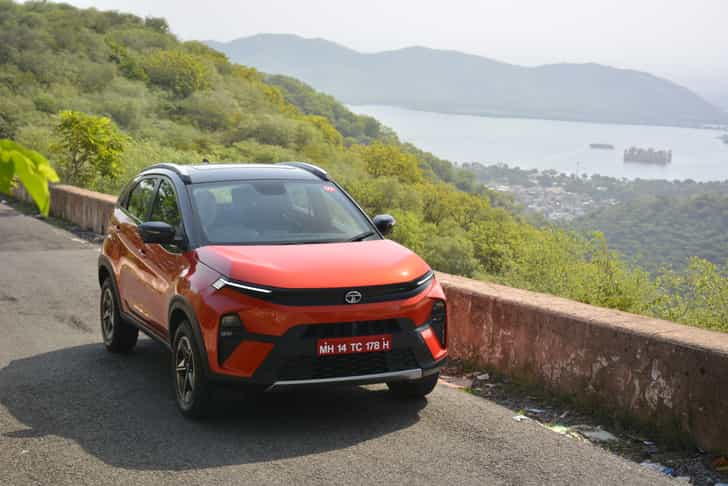
I am looking to buy a car that will usually accommodate three people. I have shortlisted the Tata Punch CNG, Tata Nexon CNG and Tata Nexon diesel. My monthly running is around 400km in the city and 800km on the highway, and I live in Pune. Which of these three cars would you recommend, considering that I plan to keep it for more than 10 years? My priorities are low running and maintenance costs, along with long-term reliability. I would appreciate your suggestion based on these factors. Please restrict the comparison to these three options and do not include Maruti models.
The Tata Nexon diesel would be our recommendation, given your monthly running of around 1,200km, with 800km on the highway. Its 1.5-litre diesel engine produces 115hp and 260Nm, making it considerably better suited to highway cruising and overtaking than the CNG engines in the Tata Punch and Nexon. It will also deliver better fuel efficiency on long runs. The Nexon CNG is worth considering if minimising fuel costs is the overriding priority, but the diesel offers stronger performance and a more relaxed highway experience. The Punch CNG is the least suitable of the three for your usage, as it is smaller and its performance is more limited, particularly with passengers and luggage.For 10-year ownership, remember that the diesel will have higher periodic maintenance costs, including additional fuel filter and timing belt related expenses. CNG also brings its own filter maintenance and periodic cylinder testing requirements.
More posts from
Family & 7-Seaters
What would be the better option for long-term ownership: the Tata Nexon or the Mahindra XUV 3XO?
The Mahindra XUV 3XO would be our pick for long-term ownership over the Tata Nexon, particularly if you are considering the petrol automatic. Its 1.2-litre turbo-petrol engine is stronger and the six-speed torque converter automatic is a well-established gearbox that is better suited to both city traffic and highway driving. The 3XO also offers a more spacious cabin, better rear-seat comfort and a more engaging driving experience.Both Tata and Mahindra have room for improvement when it comes to after-sales service, and workshop experience can vary considerably by location. However, Mahindra has a slight edge in consistency and technical support. The Nexon is a good product, but its DCA but it does not feel as refined or potent as the 3XO's torque converter.
I’m planning to buy an electric car, but I’m a little confused and would appreciate your advice. I’m a civil engineer, and my daily commute is around 100–150km, covering a mix of city and village roads. I also travel frequently to my hometown, which is in a hilly region, with a round trip of approximately 270km. My highway usage is relatively low. My primary requirement is a 5-seater EV, and my budget is around Rs 23 lakh. Currently, I’m considering the Tata Harrier EV Adventure S and the MG Tomahawk EV Excite, but I’m open to other suggestions if you think there are better options. I have already test-driven the Mahindra XEV 9S, but its base variant is currently unavailable, while the mid variant is beyond my budget. Could you please suggest which EV would be the best choice for my usage and requirements? Thank you in advance for your advice.
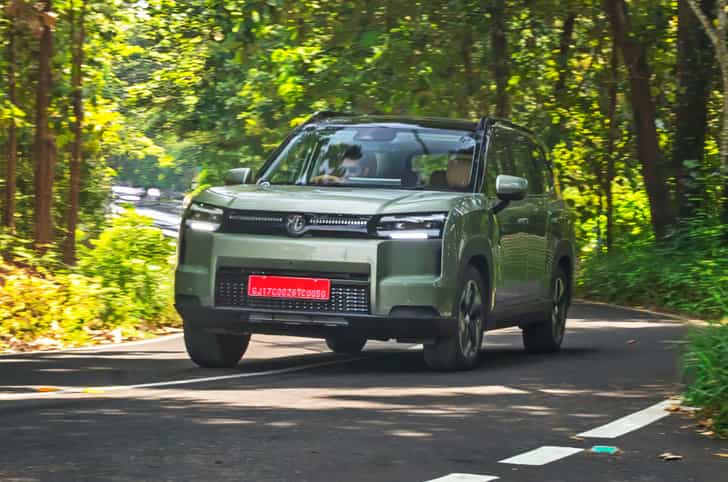
In your case, given the requirement and conditions, the Tata Sierra EV would be a good option to consider. While the Harrier EV is slightly bigger, the Sierra EV in the same price will get you the same battery with better range and a better feature set too. The claimed range for the Sierra EV is also better than the Harrier EV and it is a newer car. Rear seat comfort and space is also better and the ride comfort in the Sierra EV trumps the Harrier EV. Uphill drives won't be a struggle either given the four terrain modes the Sierra gets and being a RWD. All things considered, the Sierra EV makes the most sense so we would urge you to check it out.
Upcoming launch buzz
Community discussions on upcoming launches
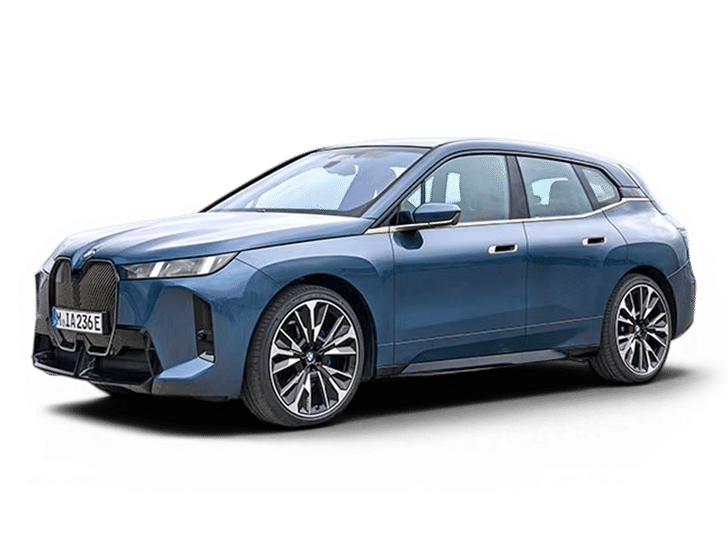
BMW
iX facelift
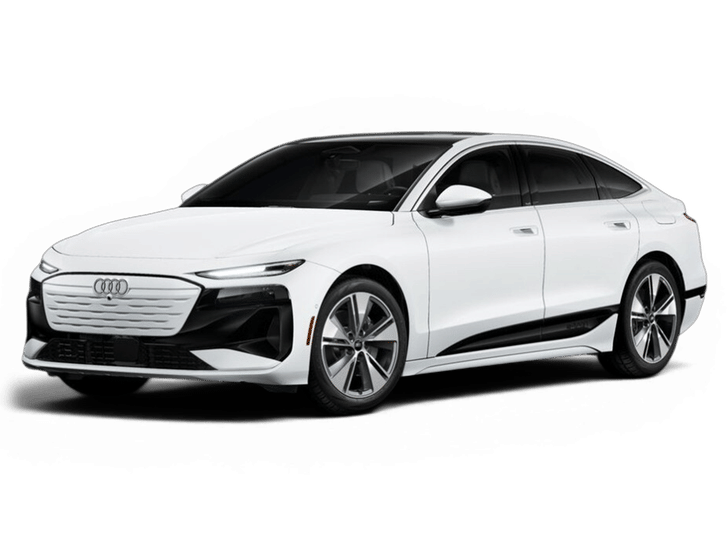
Audi
A6 e-tron
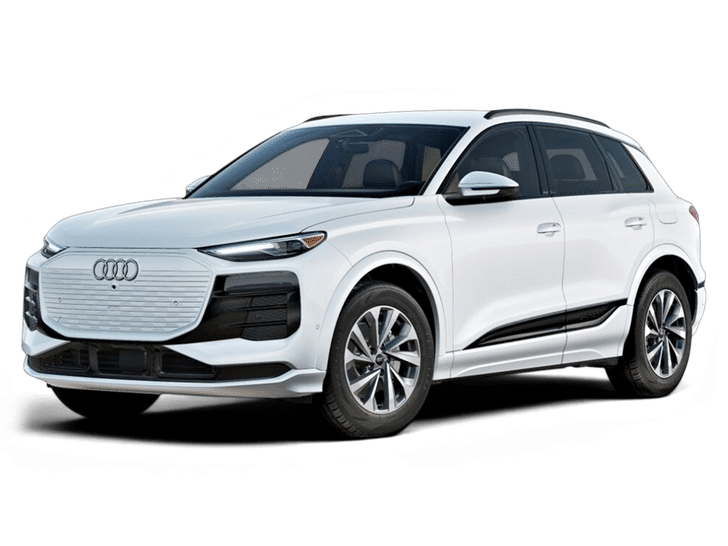
Audi
Q6 e-tron
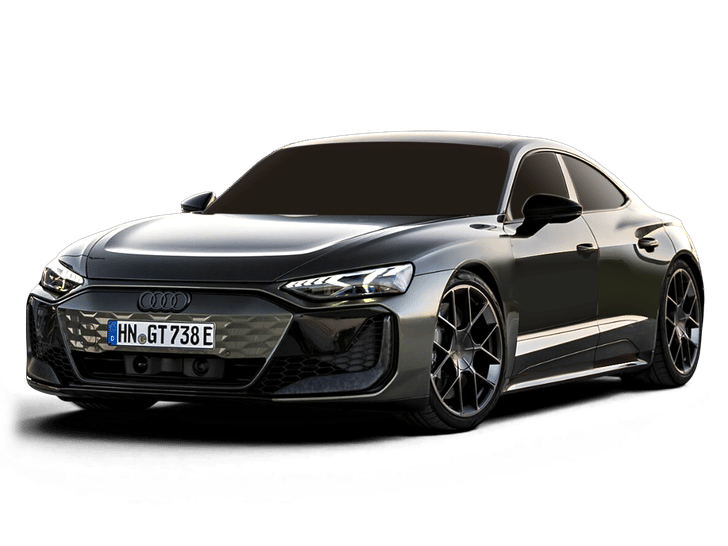
Audi
e-tron GT facelift

Vinfast
VF5
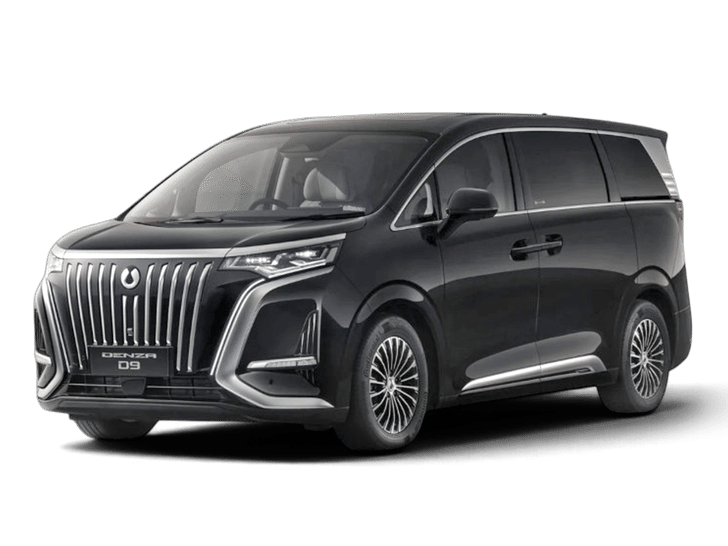
Denza
D9
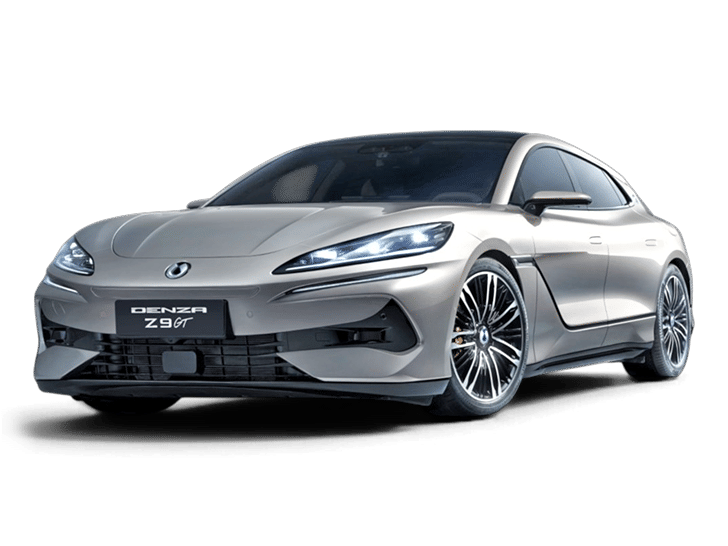
Denza
Z9 GT
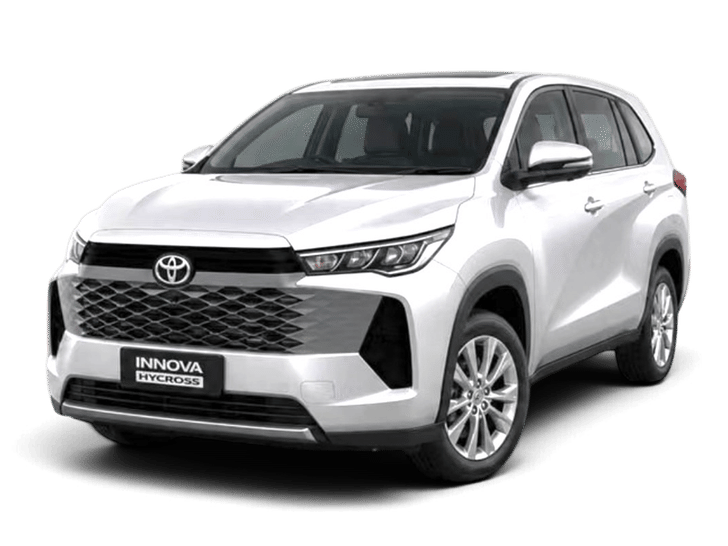
Toyota
Innova HyCross facelift

Mini
Cooper Electric
Volkswagen
Virtus facelift
I currently own a 2019 Honda Amaze petrol manual, which has covered around 70,000 km. I genuinely enjoy the car, particularly the creamy smoothness, predictable low-end response and reliability of Honda's 1.2-litre, four-cylinder i-VTEC engine. I am now contemplating a change, and the Renault Triber Turbo has caught my attention because of its modular seating, practical cabin and features such as cruise control. However, I am torn about whether moving from the Amaze to the Triber Turbo would be a genuine upgrade or an ergonomic and mechanical compromise. I would appreciate some advice on what to expect in terms of engine refinement, drivability, comfort and overall ownership experience compared to my current car.
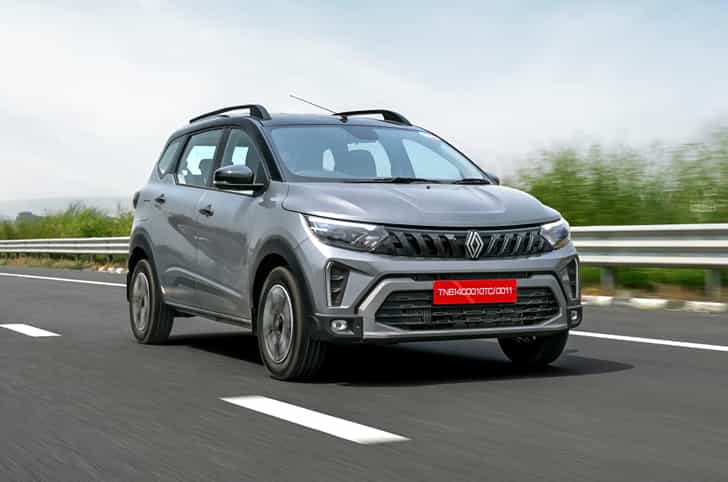
The Renault Triber Turbo is a worthwhile upgrade if you want more space, versatility and stronger performance, but it won't match the Honda Amaze's engine refinement. Its 1.0-litre, three-cylinder turbo petrol engine produces 100 hp and 180 Nm, and is significantly more capable than the Triber's naturally aspirated engine. It has a strong mid-range, pulls well even when fully loaded and feels much more comfortable at highway speeds. The suspension is also well sorted, with good high-speed composure and improved body control around bends.However, the engine has noticeable three-cylinder vibrations at idle, and its power delivery is less linear than the Amaze's naturally aspirated i-VTEC. You will also need to keep it above 2,000rpm to avoid the off-boost hesitation. The five speed manual gearbox is notchy, while road and wind noise are quite noticeable at highway speeds. The Triber's front seats could also do with better lumbar and thigh support.We would look at the Triber Turbo as an upgrade in practicality and performance, rather than refinement or overall driving experience.

Dear Team Autocar, I am planning to buy a mid-size petrol automatic SUV and have a monthly running of around 500km. I am currently considering the Toyota Urban Cruiser Hyryder Neodrive G, Honda Elevate and Mahindra Scorpio. I have come across several online reports suggesting that a facelifted Toyota Hyryder could be launched soon. Could you confirm whether this is likely and, if so, provide an approximate launch timeline? I would also appreciate your guidance on choosing a vehicle that offers a low cost of ownership, affordable maintenance and better fuel efficiency. Thank you in advance for your suggestions.
The Toyota Hyryder facelift is still some time away. While there are reports suggesting an update in 2027, we haven't seen a convincing indication of an imminent launch, and there is no confirmed timeline from Toyota.We would suggest considering the current Toyota Hyryder Petrol G(O) Neodrive AT rather than waiting indefinitely. The 1.5-litre petrol engine and six-speed torque converter automatic make for a reliable, easy-to-own package, and with your relatively low monthly running of 500km. The Honda Elevate CVT is also worth considering if you prioritise a smoother drive and a more spacious cabin.The current Hyryder is also attracting attractive discounts, which are unlikely to be available on the facelift when it first arrives. Our advice would be to negotiate hard on the current model and buy it if you get a good deal, rather than wait for an update that is still some distance away.
Find related posts in one place
Explore topics to stay in the loop
I am planning to buy a car this year, around Diwali or the end of 2026. I am looking for a spacious, comfortable and safe 5-seater for my family, with an on-road budget of Rs 8–15 lakh. Around Rs 12 lakh is my sweet spot, although I am open to spending less if a car offers excellent mileage, safety, space and reliability. My expected running is around 7,000–8,000 km per month, primarily involving daily commutes, a mix of GT road driving and city driving. I intend to keep the car for at least 10–12 years, so fuel efficiency, low maintenance costs, long-term reliability, comfortable seating and good after-sales service are my top priorities. I am not particularly interested in fancy features that I may rarely use; essential safety and convenience features are more than sufficient. Considering my high monthly running, which fuel type, petrol, diesel or CNG, would be the most economical and practical choice over 10–12 years? Please recommend the best cars and specific variants within my budget, comparing their real-world mileage, running costs, maintenance expenses, reliability and family comfort. For CNG options, I would particularly like an assessment of factory-fitted underbody CNG tanks and their practicality for long-term ownership. Please suggest suitable options in both petrol and CNG, and explain which car, engine and fuel option you would personally choose for my usage, keeping long-term ownership costs and reliability in mind.
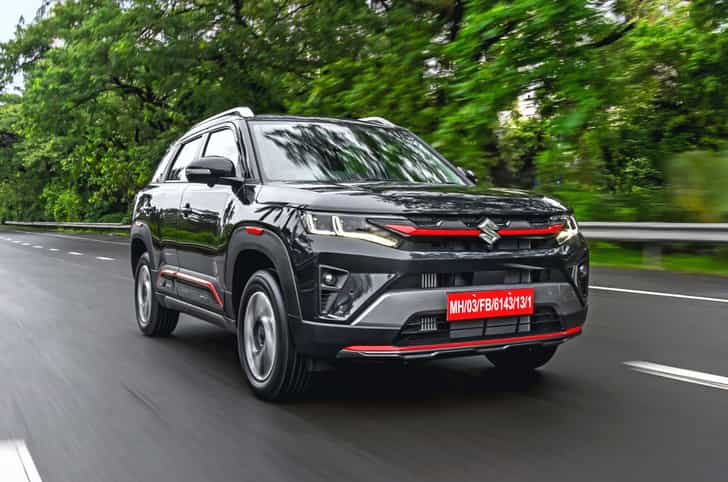
Given your exceptionally high monthly running, the Maruti Suzuki Brezza VXI CNG would be our recommendation. It offers a good combination of cabin space, comfortable seating, practicality and low running costs. The factory-fitted underbody CNG tank is a particularly useful feature, as it preserves most of the boot space instead of taking up the luggage area. The VXi should also fit comfortably within your Rs 12 lakh on-road target, without having to stretch your budget for features you may rarely use.
With a budget of Rs 23–24 lakh, should I consider the Hyundai Alcazar Turbo Petrol DCT or the Kia Seltos GTX Petrol, comparing both the IVT and DCT options? My annual driving is approximately 6,000–7,000 km, and I would like a detailed comparison focusing on long-term ownership over 10–15 years, reliability, maintenance costs, transmission durability, fuel efficiency and overall value for money. I would also like to understand the practical differences between Hyundai’s K2 and Kia’s K3 platforms, particularly in terms of structural strength, safety, ride comfort, handling and long-term durability. Given my relatively low annual usage and preference for hassle-free ownership, which car and transmission combination would make the most sense within my budget?
Our top recommendation is the Kia Seltos GTX Petrol IVT. It is likely to be the most sensible combination of performance, comfort, running costs and long-term mechanical simplicity for your usage.The Hyundai Alcazar Turbo DCT is tempting because of its larger cabin, more powerful engine and three-row practicality. However, unless you regularly need the third row, I don't think it offers enough additional value to justify choosing it over the Seltos.There is also an important distinction between the Seltos IVT and DCT: for your relatively low annual mileage and long ownership horizon, I'd favour the IVT even though the DCT is considerably more engaging.The Seltos has moved to the new K3 platform in its second generation, while the Alcazar continues on the K2 architecture. Interestingly, the K3 platform's biggest practical advantage might not be structural strength but its overall refinement. It absorbs bumps more effectively than the previous generation while retaining good body control and high-speed stability.All things considered, the Seltos in its IVT guise makes for a better buy.

Following up on my earlier question, I have now shortlisted two cars: the new Audi Q3 and the Mercedes-Benz C 220d. I am equally comfortable with an SUV or a sedan, so the body style is not a deciding factor for me. Power, engine refinement and seating comfort are my key priorities, along with long-term maintenance costs and resale value. I am also an enthusiastic driver who tends to push the car even in city conditions, so I would prefer something nimble and engaging to drive. Considering all these factors, which of the two would you recommend?
The Audi Q3 would be better since power, engine refinement and comfort are a priority. The Mercedes-Benz C-Class 220d is lower, does not have the soft setup of the Audi and its diesel engine isn't as punchy. The Q3 is great fun to drive and responds well to enthusiastic driving. The Q3 is also the newer of the two and gets a fresh and modern cabin. It might be an SUV in form but drives more like a hatchback. We would recommend the Q3 over the C220d.
In the Konarc S 161, we get a 450W charger, while the Konarc S 100 comes with a charging cable. I would like to know whether the top-spec Konarc S 161 comes with both the charging cable and the 450W charger as separate accessories. This would allow us to use the charging cable independently when we do not wish to use the 450W charger. Could you please clarify?
The Konarc is the first Ather electric scooter debut an on-board charger - a 450W unit. No matter which variant you choose, the Konarc comes with this tech as standard. There is also onle one charging socket available and whether you use just the cable to charge the scooter via the onboard charger or the 450W offboard charger + the 450W onboard charger, you plug the scooter in the same way. The top Konarc S 161 that you're eyeing will come with the onboard charger and 450W offboard charger as standard and you have the option to charge it using both. If you use just the onboard charger, your charging speed will be slower, but if you use both, then it will effectively take half the time for the same amount of charge. We have a short video explaining this and would encourage you to take a look to clear any doubts you may have: https://www.instagram.com/reel/Dcp-yxySTCs/?utm_source=ig_web_copy_link&srtk=NTc4MTIwNjQ2YQ==
Hi Team Autocar, I am looking to buy a car within a budget of Rs 30 lakh. Initially, I was considering the MG Tomahawk PHEV, but delays in its availability have made me explore other options. I have also considered the Tata Sierra, Tata Safari and a few other models. My primary objective is to buy a recently launched 5 or 7-seater in its top-spec variant, with the best possible interiors, safety features and comfort equipment. I can stretch my budget to a maximum on-road price of Rs 32 lakh. I am open to petrol and hybrid options, although I may prefer a diesel given my annual running. However, concerns about diesel vehicle restrictions in Delhi after 10 years are making me reconsider that choice. My usage is primarily in Delhi traffic, with a daily commute of around 45-50 km that involves spending nearly 3-4 hours in the car. I also undertake weekend trips of approximately 400 km. Considering my requirements and usage, could you please suggest one or two suitable options? Thanks in advance.
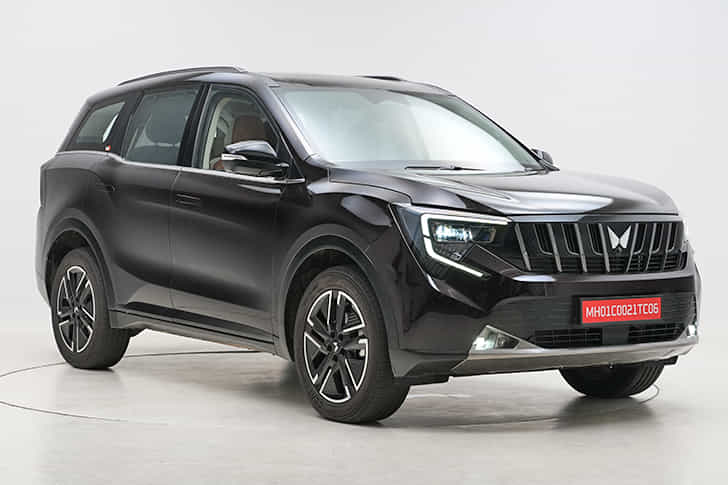
We would shortlist the Mahindra XUV 7XO and Toyota Innova Hycross Hybrid. Both offer a strong combination of space, comfort and features, while allowing you to avoid the uncertainty surrounding long-term diesel ownership in Delhi.The Mahindra XUV 7XO petrol automatic AX7T would be the more sensible choice within your Rs 32 lakh on-road budget. It offers a modern, feature-rich cabin, three rows of seating, strong performance from its 203hp turbo-petrol engine and a comfortable ride. The AX7T also gets ventilated seats, a Harman Kardon audio system and Level 2 ADAS, making it a good fit for long hours in Delhi traffic as well as weekend highway trips. If you can stretch your budget, consider the Toyota Innova Hycross Hybrid VX. Its strong-hybrid powertrain is particularly well suited to your daily stop-start commute, offering excellent fuel efficiency and a relaxed driving experience. It also has a more spacious and comfortable cabin, especially for passengers in the second and third rows. However, in your budget you will get the VX or the VX(O) and not the top of the line ZX(O) variant.
Find related posts in one place
Explore topics to stay in the loop
I am looking for a petrol or diesel car priced under Rs 9 lakh. My monthly running is around 1,500km, with most of the driving being within the city.
Since your monthly driving isn't all that high, a petrol car would be a better bet. For the city, the Maruti Suzuki Baleno is a very good option to consider. It is easy to drive, has good space in the rear, good tech and features and the powertrain is frugal. The efficiency is a Maruti highlight and the maintenance costs are low too. You simply cannot go wrong with a Maruti for your needs. The Delta variant would fit in your budget, but if you stretch a bit more, you can get the Zeta that gets most of the essential creature comforts. If the Baleno is a bit of a stretch, the Swift would be the next best choice. It is more affordable and while the size is compact, it is perfect for the city.
I am looking for a secondary car, which I plan to keep for only two to three years. My daily running is around 90km, with roughly 50% of the route covering city roads and the other 50% on highways. Should I consider a new or a used car? I am open to both options.
Since you already own a Ford EcoSport and you're looking for a secondary car, with a daily usage of 90km, we'd suggest you pick a diesel car with strong and efficient performance for your mixed (city and highway) use. That said, with a Rs 5 lakh budget, your options are limited to diesel models older than 5 years, which shouldn't be a problem since you've mentioned that you'll keep this car only for 2-3 years.We'd suggest you narrow down your search to the newest pre-owned diesel hatchback that you can find. Keep the Tata Altroz 1.5 diesel as your top choice for its excellent driving manners, spacious cabin, lengthy equipment list, and efficient engine. You should get multiple options of the Altroz. Other strong contenders are the diesel iterations of the 2019-2020 VW Polo and 2020-2021 Hyundai i20, but finding these models in that price range will be a challenge.
Which car is better between Tomahawk and vinfast vf7
The Vinfast VF7 is sportier to drive, with stronger performance and more engaging driving dynamics. On the other hand, the Tomahawk is more comfort-oriented, with supportive seats, a spacious cabin, and the flexibility of a third row. It is also larger, yet it is more efficient than the VF7, resulting in better real-world range.As a spacious family car, the MG Hector Tomahawk EV is the better car. However, if you enjoy driving, pick the VinFast VF7.

Is there a chance of a Nissan Tekton Hybrid coming?
As per our sources, Nissan will not be launching the hybrid version of the Tekton. It will be available with 1.0-litre and 1.3-litre turbocharged petrol engines with 6-speed manual gearboxes, and a dual-clutch automatic transmission option with the 1.3 version. The 1.8-litre hybrid will be reserved for its Renault counterpart, the Duster.
JLR has announced that it will discontinue the Range Rover Evoque and Velar in the near future, as it plans to focus on the more premium end of the international market. The Evoque, in particular, is a beautiful and desirable vehicle, although it is out of reach for the average Indian buyer. Is there a possibility of Tata Motors' passenger vehicle division bringing a similar form factor with a powerful engine to India, suitably adapted for the local market to make it more affordable?
That is a very interesting thought. Something on similar lines is happening. Tata Motors will launch their Avinya range of electric cars, which will feature rakish, coupe-SUV styling similar to the Evoque. As for taking the same vehicle and rebranding it as a Tata, that would be very unlikely given brand and marketing considerations. If you are looking for a more affordable coupe like SUV from Tata, your best bet would be the Avinya range, or you could even pick up a used Evoque from trusted used car platforms.
Find related posts in one place
Explore topics to stay in the loop
I own a 2024 Tata Punch Adventure Rhythm with manual AC and showroom-fitted PU seat covers. I am facing a sweating problem around my thighs and back, even though I have Garware film on all the windows. I live in Mumbai, where the climate is humid. What would you suggest to address this problem?
PU seat covers do not offer good breathability, which is why you feel sweaty. Ideally, you should use the car's original fabric seat covers. Protecting the original seats only benefits the second owner, so you might as well enjoy their comfort and appearance. If they get soiled, you can always fit seat covers later.If you feel however you must have seat covers then switch to cloth covers which have much better breathability. You also get aftermarket cooled seat cushions that plug into the car's 12V socket. However, these can shift under braking or in an impact, which could make them unsafe in an accident. So, fabric seat covers would be our recommendation.
I am looking to buy an automatic midsize SUV for my parents. They drive about 30km a day in the city, with occasional highway trips. I am considering the Maruti Suzuki Brezza, Skoda Kylaq and Tata Nexon. Which of these would be the right choice in terms of comfort, safety, reliability, driving experience and value for money?
Go for the Maruti Suzuki Brezza. The 1.5 engine comes with a torque converter automatic, which is the smoothest type of gearbox to have, especially in city traffic. The low-speed ride on the Brezza is also very plush, and the comfy seats will keep your parents comfortable during their commute. The Brezza also meets your requirements of reliability and safety.The Skoda Kylaq is also a good option. It also comes with a torque convertor gearbox and would be better in terms of driving pleasure on the few highway trips you'll do. However in the city the Brezza's naturally aspirated engine is easier to manage compared to the turbocharged Kylaq engine which does have some amount of lag.

I am looking for a diesel car between the range of Rs. 12-15 lakh that delivers a mileage of around 20-25 kpl.
Given your budget and requirements, you should consider between the Tata Altroz, Hyundai Venue and Kia Sonet. The Altroz should be the most efficient here and close to the 20kpl mark on the highway and the top-spec Accomplished S comfortably fits in your budget and comes feature loaded. However, if you want an SUV instead the Kia Sonet and Hyundai Venue are both good options. Both are mechanically identical, but the Venue has a slightly more spacious cabin and is the newer of the two. But both will be slightly less efficient than the Altroz.
My budget is Rs. 10 lakh that I can extend upto Rs. 12 lakh. I have Punch and Nexon in mind but I am unable to decide between these two. We are a family of 4. I believe that Punch would be suitable and within my budget, but I also feel that we may regret later if we choose Punch due to its lag and space issues that most people have reported. I am new to driving, so I want to choose an AMT car. Please advise.
Between the Tata Punch and Nexon, go for the Nexon as it is a larger car with more cabin space and a larger boot which will be ideal for your family. The Nexon also comes with a more powerful, turbocharged 1.2-litre petrol engine than the Punch and you also get the option of a 6-speed AMT. Within your budget of Rs. 12 lakh, you'll get the Nexon Pure+ S AMT which is decently equipped and has all the basics covered.
My daily commute is around 120 km primarily on highway. I want to buy a car under Rs. 12-14 lakh. I don't have a charging facility at home but it is available in office. Which car should I buy?
Since your daily running is high and mostly on highways, a diesel will be a good option to consider. The Hyundai Venue HX5 diesel will be a good option for you, as it's got a refined and efficient 1.5-litre diesel engine, good highway manners and a premium and comfy cabin. You can even opt for a smooth 6-speed torque converter automatic gearbox, but you may have to stretch your budget a little for that. The Venue HX5 also comes well equipped and being a Hyundai, it will be relatively stress free to maintain as well. However, if you want an EV, consider the Tata Punch Empowered+ S with the larger 40kWh battery. The Punch EV is one of the nicest compact electrics on sale today and is feature-rich as well.
Find related posts in one place
Explore topics to stay in the loop
Need expert advice?
Ask the Autocar community and experts.