Variant & Spec Selection
Decide which variant offers the best value for your budget and needs.
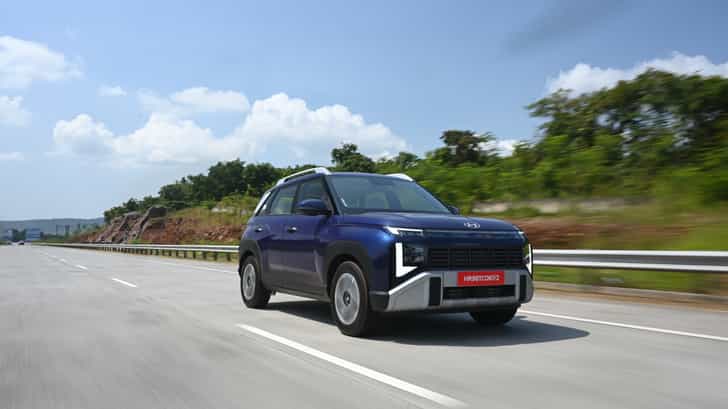
I’ve almost finalised the Hyundai Venue based on its interiors, space, features, and overall looks. However, I’m confused between the 1.0 Turbo MT and 1.2 NA MT. I live in a town where bumper-to-bumper traffic is very rare. We might encounter traffic occasionally when travelling to bigger cities, but we only go on long trips a few times a year. Considering my usage, which engine would be the better choice? 1. What is the real-world mileage difference between the 1.0 Turbo and 1.2 NA? 2. Is the turbo engine significantly more expensive to maintain in the long run? 3. Is the 1.2 NA engine sufficient for a family on highways, especially during overtaking and when driving with a full load? 4. Considering long-term reliability, running costs, and occasional highway trips, is it worth choosing the turbo, or would the 1.2 NA be a more sensible option? I’m really confused between these two variants. Please share your real-world mileage and long-term ownership experience. Your suggestions would really help me make a final decision. Thanks in advance!
Go for the Hyundai Venue 1.0 Turbo MT. Your usage pattern - mostly open roads with only occasional traffic and a few long trips a year - actually plays to the turbo’s strengths. The 1.0 turbo is a genuinely punchy engine with strong mid-range performance, which makes overtaking on highways far easier and more confidence-inspiring, especially with a full load. The 1.2 naturally aspirated engine is smooth and reliable, but it can feel underpowered on highways, particularly when overtaking or climbing with passengers and luggage.In terms of real-world mileage, the difference is not huge. In mixed conditions, you can expect a mileage of 12.80kpl with the 1.2 NA, whereas the 1.0 turbo could deliver around 12.50kpl in similar conditions, so overall fuel costs are broadly similar. Similarly, the difference in their maintenance costs will be marginal, with the turbo being only slightly higher.Long-term reliability is not a concern with either engine. The 1.2 NA is the simpler option, but the 1.0 turbo is a proven unit and well suited to your usage. Given your driving pattern and the occasional highway trips, the 1.0 turbo is the more sensible and enjoyable choice.
I am confused between the Hyundai Venue HX5 diesel AT and Mahindra XUV 3XO AX5 diesel AMT. Which one should I choose?
Go for the Hyundai Venue HX5 diesel automatic. Both cars are similarly priced, and both have a 5-star Bharat NCAP rating, so the deciding factor is how they drive every day. The Venue’s torque-converter automatic is far smoother than the 3XO’s AMT, which pauses between gears and nods, especially in slow traffic. Since comfort is one of your priorities, you’ll feel that difference on every drive. The Venue’s diesel is also refined, and its cabin feels more premium.The Mahindra XUV 3XO has two real advantages. Its rear seat is wider and fits three adults more comfortably, and its diesel has more pulling power, which helps on the highway. It’s also likely to be a bit more efficient, as AMTs usually are. So if you regularly carry three people in the back, or mileage matters more to you than smoothness, the 3XO makes sense.
Hello Autocar Team, I need your unbiased expert opinion before buying a new car. I am confused between Tata Altroz Pure CNG AMT quoted for Rs. 9.41 lakh (on-road price) and Tata Altroz Creative CNG Manual of which I am waiting for the final quotation. My budget is Rs. 10.5 lakh. I have been driving manual cars for the last 10 years, and my running is mostly in the Mumbai city traffic and production-location travel. I want a CNG car with good features, safety, comfort and long-term value for money. I am considering spending around Rs. 50,000 extra on the automatic gearbox versus choosing the Creative manual for its additional factory-fitted features. Which variant would you recommend for my usage, and why? I would really appreciate your honest advice before finalising the purchase. Thank you.
Go for the Pure CNG AMT. In Mumbai traffic the automatic is the upgrade you’ll appreciate every single day, whereas extra features soon fade into the background. After 10 years of working a clutch in stop-go traffic, you’ll notice the difference within a week. On paper the Creative manual and the Pure AMT cost about the same, so you’re really choosing between convenience and kit, and for your driving convenience wins.There are two things to know before you go ahead. First, an AMT isn’t as smooth as a proper automatic. It pauses slightly between gears, so we would suggest you to take a test drive of Altroz AMT in traffic before you book. Second, the Pure misses out on rear AC vents, which the Creative gets. If you often carry people in the back in Mumbai’s heat, that’s worth weighing up.Both share the same 5-star Bharat NCAP-rated body and the twin-cylinder CNG setup, so you still get a usable boot. On long trips, expect the CNG to feel a bit strained at expressway speeds. That’s the same whichever variant you buy.
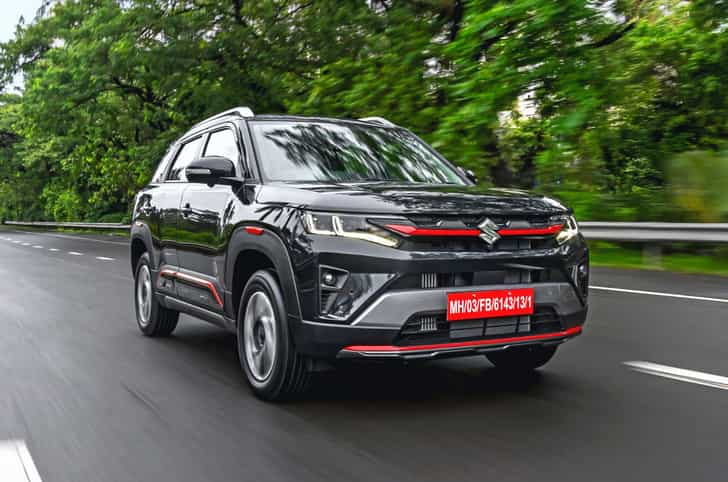
I am confused between the Brezza ZXI Automatic and Brezza ZXI+ Automatic. Which option is best to buy for the long term? I took the quotation from the Pune Suzuki Arena showroom, and the ZXI Automatic is coming at Rs 14,21,598, while the ZXI+ Automatic comes at Rs 16,21,955. So, there is almost a difference of Rs 2 lakh. Should I consider the ZXI Automatic or the ZXI+ Automatic for the long term? My running is mostly in the city, with occasional highway trips. The major features missing on the ZXI are cruise control and the rear wiper, which I can't get installed as genuine accessories. If I plan to consider the ZXI, I can add fog lamps, a front armrest and all-four diamond-cut alloy wheels for a more premium feel. Is it okay to buy and add genuine accessories later, or should I avoid doing so?
Firstly, ask yourself whether you are comfortable making the Rs 2 lakh stretch for the Maruti Suzuki Brezza ZXI Plus Automatic. If the answer is yes, it makes sense to opt for it, because the ZXI Plus gets you a lot of feel-good and useful features which the This Maruti Suzuki car misses, such as ventilated front seats, 360-degree camera, blind-spot monitor, front parking sensors, diamond-cut alloys, larger 10.1-inch touchscreen, tyre pressure monitor, leatherette upholstery, LED front fog lamps, rear wiper/washer and cruise control. Many of these features you will appreciate, once you begin to use them daily. Do note, opting for the ZXI and spending on alloys, fog lamps and other accessories could cost you around Rs 1 lakh, and many of the genuinely useful features like rear wiper, cruise control and blind-spot monitor won't be easy to retrofit. Hence, we'd suggest you pick the top-spec ZXI Plus AT, if you comfortable paying the premium.

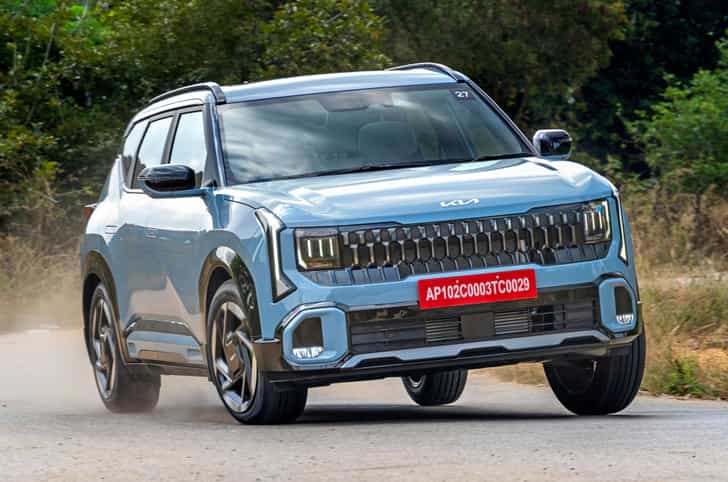
Hello, I want to buy a Kia Seltos. My daily running is around 40 km in the city, with occasional 200-400 km highway trips a month. I’m confused between the HTX A Petrol IVT and HTX A Diesel Manual. I’m not a fan of automatic variants, but I’m considering the automatic because the HTX A petrol manual comes with 16-inch steel wheels. Please suggest which variant I should go for.
Go for the Seltos HTX(A) diesel manual. With about 40km of city driving a day plus a few highway runs, you'll cover roughly 17,000- 19,000 km a year. At that mileage, the diesel's better fuel efficiency adds up to a real saving, enough to recover its price premium over the petrol IVT within a few years. It also lets you keep the manual gearbox you prefer.Be aware that the diesel is relaxed rather than punchy, and its clutch is heavier than the petrol's, so daily city traffic will take a bit more effort. Your regular highway trips will also help keep the diesel particulate filter healthy.If you'd rather not spend extra on the diesel, there's another option. Buy the HTX(A) petrol manual and fit good aftermarket alloys for a fraction of the price difference. You keep the manual and save around Rs 2 lakh upfront, but at your mileage, the diesel will win on running costs over the long term.
I am confused between the Brezza ZXi Automatic and ZXi+ Automatic. Which option would be better for long-term ownership? I took quotations from the Pune Suzuki Arena showroom, and the ZXi Automatic is coming at Rs. 14,21,598, while the ZXi+ Automatic comes at Rs. 16,21,955. So, there is a difference of almost Rs. 2 lakh. Should I go for the ZXi Automatic or the ZXi+ Automatic? Most of my driving is in the city, with occasional highway trips. The major features missing on the ZXi are cruise control and a rear wiper, which I cannot get installed as genuine accessories. If I choose the ZXi, I can add fog lamps, a front armrest, and all four diamond-cut alloy wheels for a more premium feel. Is it okay to buy and add genuine accessories separately, or should I avoid doing so?
Since you are planning to keep the car long term, go with the Brezza ZXi+ Automatic. There is a Rs 2 lakh-plus difference, but it does offer a significant upgrade in terms of features. It adds ventilated seats, a 360-degree camera, a larger infotainment screen, cruise control, a rear wiper and a day/night mirror. While some of these can be added as accessories, as you mentioned, factory fitment will just be a lot cleaner. Adding diamond-cut wheels will also add about Rs 40,000 to the ZXi, significantly reducing the Rs 2 lakh delta between the two variants anyway.The only reason to opt for the lower ZXi is if you are having to stretch your budget too far for the higher trim. Since your use is primarily in the city, the lack of cruise control is not a deal-breaker. However, you will find the rest of the additional features on the ZXi+ quite useful even in urban use. Overall, the ZXi+ is the better choice long term, but if you are on a tight budget and don’t see the point of the additional features, the ZXi will also serve you well.
I am Sagar and am planning to purchase Kia Seltos in Pune. I drive 20 km every day and around 30 km every weekend. I currently own a Honda Jazz. In a typical year, I undertake around 2-3 round trips under 500 km. I need your help to make decisions. First, is ADAS worth for my usage? I am unsure how useful ADAS would be. Should I go with turbo or naturally aspirated engine? Should I choose HTX or GTX without ADAS?
Go for the Kia Seltos HTX IVT. With your usage of 20km a day, 30km on weekends and only 2-3 round trips below 500km a year, the naturally aspirated petrol with the IVT automatic is the best fit. It is smooth, refined and perfectly suited to city driving, and you will not miss the extra performance of the turbo given your driving pattern. The HTX is also the sweet spot in the Seltos range, offering a strong feature set without pushing the price up unnecessarily.On ADAS, it is not essential for your usage. Most of your driving is in the city and on short highway runs, and while ADAS can be useful, it is not something you will rely on daily. The GTX line is tempting, but it is more expensive and the turbo petrol is not justified by your usage. The HTX IVT gives you the best balance of comfort, features and long-term ownership satisfaction.

I am planning to buy the Kia Seltos but am confused between the 1.5-litre naturally aspirated petrol and the turbo-petrol DCT. Around 80% of my driving will be in the city, with the remaining 20% being highway and hill-station trips. I will normally be travelling with five passengers. Which engine and gearbox would be better for my usage?
Go for the Kia Seltos 1.5 naturally aspirated petrol IVT. With 80% city driving, the IVT automatic is the better choice. It is smooth, reliable and well suited to stop-start traffic, and the 1.5 NA engine is refined and easy to live with. The turbo petrol DCT is the enthusiast's choice, but the DCT gearbox can feel jerky at low speeds and is not as well suited to heavy city traffic. The 1.5 NA is also more reliable and easier to maintain in the long run.For your 20% highway and hill station runs with five passengers, the 1.5 NA will do the job. It is not the most powerful engine, but it is adequate for steady cruising and occasional climbs. If you regularly drive fully loaded in the hills and want stronger performance, the turbo petrol is the better performer, but for your usage pattern, the 1.5 NA IVT is the more sensible choice.
Following my previous question about replacing my 2019 Tata Hexa, which has covered 1.30 lakh km, with a new SUV or MPV within a budget of Rs 35 lakh and for a daily commute of around 90 km, we had finalised between the Scorpio N and the XUV 7XO, and had found the Scorpio more familiar than the Hexa. Now I am confused about which variant of the Scorpio N to go for: the Z8T or Z8L. The Z8L has ADAS, which isn't much use for my family and me, so is the Z8T the right choice? Although we are not in a rush and can wait another year, are there any upcoming vehicles with the same RWD diesel-manual DNA that are worth waiting for?
Go for the Mahindra Scorpio N Z8T diesel manual. It is the right choice for your usage and budget. The Z8L's main differentiator is ADAS, which you have already identified as something you do not need. The Z8T gives you the same core mechanical package, the same strong diesel engine, and the same RWD and body-on-frame DNA that you liked in the Hexa, without paying extra for features you will not use. The Scorpio N is also one of the few cars in this price range that still offers a proper RWD diesel manual setup, which is exactly what you are looking for.On the question of waiting, there is no clear reason to hold off. There are no major RWD diesel manual SUVs or MPVs expected in the next year that would fundamentally change your decision. This Mahindra car is already a well-established product with a proven ownership track record, and it is one of the few cars that still offers this kind of mechanical package.The only thing to keep in mind is that the Scorpio N is a body-on-frame SUV, so it will not be as refined or as comfortable as the Hexa on long highway runs and bumpy roads as the ride is quite bouncy. But if you are looking for a tough, reliable RWD diesel manual with a strong ownership track record, the Z8T is the right choice.
Need expert advice?
Ask the Autocar community and experts.