Performance & Enthusiast
Performance cars, driving dynamics and enthusiast-focused discussions.
I have a Grand Vitara Strong Hybrid, and I am extremely satisfied with its mileage (900-1000 km from 45 liters). However, I am losing the joy of driving. I migrated to this car after owning a Swift Dzire Diesel and an XL6. The mismatch between engine revs and acceleration is becoming unpleasant. Overtaking feels riskier, and even the brakes feel spongy. I have experienced a few unpleasant situations because of this. As a result, I have reduced my overall speed, making the safety of my family a bigger priority. But the driver in me is unhappy. Should I upgrade to the Duster Hybrid, the Hycross Hybrid, or the newly launched Sierra EV? Also, do diesel engines still make sense today?
From what you've described, the Grand Vitara Strong Hybrid has impressed you with its efficiency but left you wanting more from behind the wheel. If driving enjoyment is back on your priority list, the Duster Hybrid looks like the most natural upgrade. It is expected to offer a much more engaging driving experience while retaining the fuel efficiency benefits of a strong hybrid. Currently, the Duster is offered with two turbo-petrol engines: a 1.0-litre 3-cylinder unit from the Kiger and a 1.3-litre 4-cylinder direct-injection turbo-petrol engine. The Renault Duster mileage ranges from 17.75kpl to 19.41kpl. The 1.0-litre turbo-petrol manual returns 19.41kpl, while the 1.3-litre turbo-petrol delivers 17.75kpl to 18.45kpl, depending on the transmission.The Toyota Innova HyCross Hybrid will certainly improve on comfort, refinement and performance, but it won't fundamentally change the character you're looking for. It is still geared towards relaxed family motoring rather than enthusiastic driving.The Tata Sierra EV is an interesting option and has now been launched. It promises strong performance, a premium cabin and a spacious interior. However, if the "driver in you" misses the involvement and confidence of your earlier diesel cars, we'd still wait to experience how the Duster Hybrid drives before making a decision.As for diesels, we don't think they should be ruled out altogether. With the right usage, they continue to make sense. However, given your appreciation for the fuel economy of your Grand Vitara and the direction the market is heading, we'd lean towards a strong hybrid rather than going back to diesel.
Subject: Seeking the Ultimate "Forever" Car for a Purist Garage Dear Autocar Team, I am a hardcore automotive purist looking to make a very special milestone purchase. I want to buy a car solely for the absolute joy of driving - a mechanical machine that will put a smile on my face decades from now. My goal is to find a definitive enthusiast car that possesses the reliability, emotional character, and timelessness to be a lifelong companion in my garage. I want to buy this car brand new and never sell it; it will stand as a symbol of my hard work and achievements so far. To give you a picture of my current garage, my daily drivers are a Mahindra BE6 and a Toyota Innova Hycross. My absolute maximum budget is Rs. 3 Crores. The shortlists currently on my radar are the BMW M2 manual, the Land Rover Defender 90, and the base Porsche 911 Carrera. I am also entirely willing to wait until 2027 if there is an upcoming launch that stands out as an absolute keeper with future-classic potential. Given these choices, which route would you recommend for a true "forever" car? Looking forward to your expert guidance and recommendation. Best regards, Brijesh Devareddy Chennai
Go for the Porsche 911 Carrera, because nothing else on your list blends pure driving feel with decades-long heritage and timelessness the way a 911 does. It is the rare sports car you can enjoy driving hard, keep stock, and still use as a daily driver. The flat-six, the steering, and that rear-engined balance make even a slow drive feel special, and it will still look and feel “right” when everything else has dated. This Porsche car fits within Rs 3 crores, leaving room for a few choice options. Plus, Porsche will support this iconic sports car well beyond this generation's life cycle.The M2 manual does sound like more bang for your buck, but it won’t age into a forever icon the way a 911 will, and though the manual is involving, in the long run, it's more trouble than it's worth. The Defender 90 is a lovable Land Rover car, but it is a heavy off-road toy, not the car you’ll reach for when you want that last 5 percent of driver joy. If you can fit it into your forever-car budget alongside the 911, there's nothing like it.
Is buying a new Creta N line worth it?
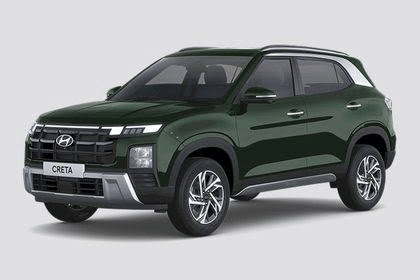
The Hyundai Creta N Line is a sportier-looking derivative of the Creta. It gets revised front-end styling, red detailing, larger 18-inch wheels, a rear spoiler and dual tip exhausts on the outside. The interior gets an all-black look with red detailing, which does give the cabin a sporty flavour. Unique to the Creta N Line is the option of a manual gearbox with the turbo-petrol engine. The steering has also been redone for more weight.The larger wheels and tweaks to the steering do make the Creta N Line feel slightly sportier to drive. However, the dual tip exhausts sound no different to the standard Creta's, and that's a downer. Further, the move to larger wheels comes with a firmer ride, which can get uncomfortable. Also, the 6-speed manual gearbox isn't the slickest or most enjoyable. We'd stick to the DCT.In a nutshell, while the N Line does look distinctive and attractive, it isn't the best Creta you can buy. The standard model feels comfier, and its lower price also makes it a better deal. If you want an enjoyable driving experience above all else, the Skoda Kushaq 1.5 TSI DSG or VW Taigun 1.5 TSI DSG will satisfy you more.
I’m looking for a compact SUV for India. My main consideration is great driving dynamics and power. I’m looking for a petrol variant and an automatic transmission. I’ll be using it mainly on long road trips and broken road explorations. Our dream is to do all India / global trips. In about 2 years, there’s a chance we’ll travel with four people (including me) more regularly, so I don’t want the car to struggle then. I don’t need features like ADAS, and I’ll want to upgrade the sound system and camera after purchase. While I’m leaning towards Renault, Skoda, and Volkswagen, could you give me 4-5 options and the best variant? My budget on road is 23-24 lakhs max.
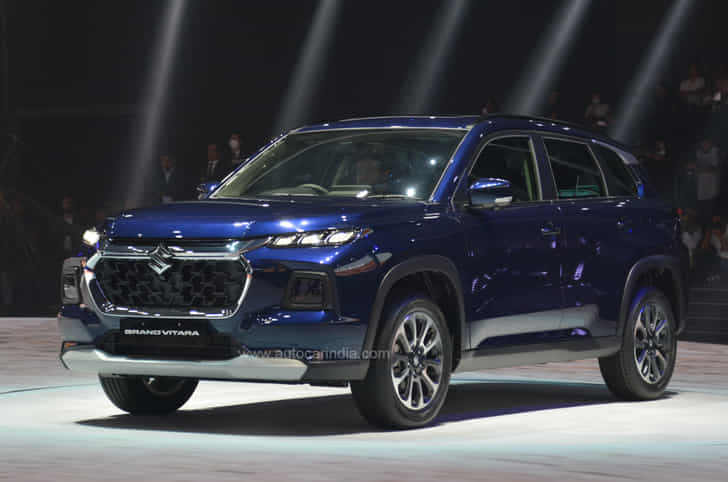
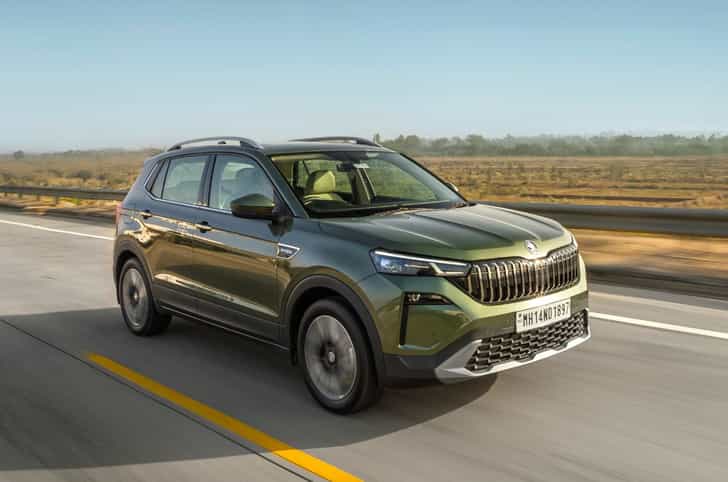
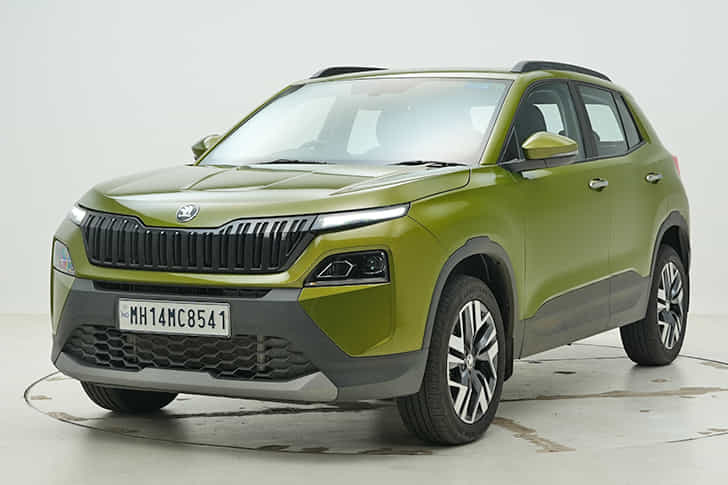
Pick the Skoda Kushaq 1.5 TSI DSG, in either Prestige or Monte Carlo. It’s the most fun-to-drive in your budget, with strong mid‑range power for four-up highway climbs, and a suspension that rides well on broken roads without feeling floaty. It stays stable at speed, and the steering feels natural on long drives. One honest caveat: the 7‑speed dual‑clutch can feel a bit jerky in stop‑go traffic, but your use is mostly highways, so it suits you fine.Close second is the Volkswagen Taigun 1.5 TSI DSG. Same punchy engine and gearbox, and equally enjoyable on twisty hill roads. Between the two, buy the one that gets you the better deal or closer service centres in your city.From Renault, the new Duster turbo‑petrol DCT is a solid choice too. It’s also great on rough roads and enjoyable in the twisties with enough performance for quick highways. Its DCT uses a wet clutch compared to the dry clutch from VW/Skoda, which means shifts are smoother in the city. Wet clutch transmissions are also generally more robust than dry clutch units.Alternatively, consider the Kia Seltos 1.5 turbo-petrol DCT. It has a roomier cabin, which will be important when you are travelling four up. It isn't quite as sharp as the above competitors, but it is enjoyable with plenty of performance.If you are going to be travelling to remote locations, service availability can be scarce. If that is a concern, then include the Maruti Victoris or the Grand Vitara 1.5 petrol. They can also be had with AWD, which can be very useful on rough roads and in icy conditions.

I'm seeing a couple of mid-SUV drag races on the autocar India YouTube channel, and I have a very confusing question that needs answering. Every single auto-journo in this country lauded the VWAG's 1.5TSI + 7-speed DSG combination, raving about its snappy responses and performance-oriented calibration. Yet, after watching the latest drag race between the Tata Sierra and Skoda Kushaq, it's clear that the Kushaq lags, owing to the slow off-the-line response of the 7-speed DSG. If it is lagging behind a homegrown torque converter automatic, why is it still considered the best twin clutch gearbox out there?
It’s still the quickest, most engaging auto in this class once the car is moving, but the 1.5 TSI DSG is deliberately soft off the line. The twin clutches hate heat and abuse, so VW-Skoda programs a gentle first bite to protect them. In a drag, that pause plus a hint of turbo lag can bog the launch. A torque converter can “brake‑torque” and multiply torque at zero speed, so it leaps ahead even if it shifts slower later.Reviewers praise the DSG for what you feel 95 percent of the time - razor‑quick upshifts, near‑instant downshifts, and strong in‑gear pull for overtakes. From 20-120kph, it keeps the engine on boost and swaps ratios faster than any torque converter here. That’s why it feels eager and “snappy” on the road, even if a standing start looks lazy.Two honest catches. The 1.5’s DQ200 doesn’t have an aggressive launch like bigger Euro DSGs, and in heavy crawl, it can feel hesitant compared with a smooth torque converter. So if you care about hard launches and bumper‑to‑bumper smoothness, a torque converter suits you. If you want the fastest shifts and mid‑range shove, the DSG remains the benchmark.
Hi, I learned to drive as a teen and have been driving my dad’s Maruti Alto for years now. I also drive a Maruti Dzire. I want my next car to be at least a bit fun and engaging to drive. I’m based in Kolkata and planning to buy a new car with a budget of around Rs. 16 lakh. Currently, I’m looking at: Kia Seltos Manual (as it comes within this budget), Skoda Kylaq 1.0 TSI, and Kia Sonet Turbo DCT. However, I’m not completely convinced about the Seltos at this price point, mostly because I’m not a big fan of its shiny front grille. Considering my budget, preference for a fun driving experience, mostly city usage, and one or two highway trips a month, which one would you recommend?
The Skoda Kylaq has the most enthusiastic driving character of the three. Its turbo-petrol engine feels punchy, the steering is well judged, and the overall chassis feels more eager and involving than the Seltos or Sonet. The torque-converter automatic gearbox is also very well calibrated, making it both enjoyable on open roads and effortless in city traffic. Given your usage, it is worth stretching to the automatic rather than opting for the manual.The Kia Sonet Turbo DCT would be the second choice. The turbo-petrol engine is lively and the DCT adds to the fun factor, while the feature list is impressive. However, rear-seat space and ride quality aren't quite as accommodating as the Skoda's. Kia Sonet mileage depends on the engine-gearbox combination. The 1.2-litre petrol MT gives up to 18.8kpl, the 1.0 turbo-petrol returns 18.7kpl (MT) and 19.2kpl (DCT), and the 1.5-litre diesel offers up to 24.1kpl with the manual and 18.6kpl with the automatic.The Kia Seltos Manual is the more mature and spacious option, but if you're already unconvinced by its styling, there's little reason to force the issue. It is a great family SUV, but it doesn't feel as engaging to drive as the Kylaq. The Skoda Kylaq price starts at Rs 7.59 lakh and goes up to Rs 12.99 lakh (ex-showroom, Delhi).
I want to buy a car, and my budget is 22 lakhs on road. I personally prefer a sedan, but I am open to buying an SUV as well. I need something which is powerful, fun to drive and is feature-loaded (ADAS, 360 camera, ventilated seats etc). I have shortlisted the following: Verna, Seltos, Slavia and Virtus. Which one should I go for? I am planning to buy it in the next 3-4 months.
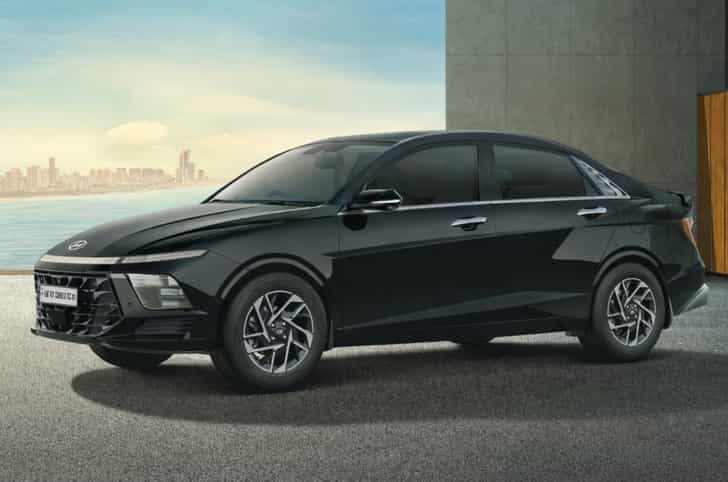
Considering the features you've listed, namely ADAS, a 360-degree camera, and ventilated seats, the shortlist effectively narrows down to the Hyundai Verna and Kia Seltos.In fact, the car that would normally be recommended to an enthusiast is the Volkswagen Virtus 1.5 TSI DSG. You can expect the Volkswagen Virtus mileage to be around 9 to 12 kpl in the city and 15 to 18 kpl on the highway, and the Hyundai Verna Mileage is up to 13.5kpl in real-world driving. The Virtus remains one of the most rewarding cars to drive in this segment, and there are attractive discounts available at the moment as a facelift is expected in the near future. However, this sedan car misses out on some of the features that are clearly important to you.Between the Verna and Seltos, the nod goes to the Seltos. It is the newer product, feels more premium inside, offers greater practicality and has a more spacious cabin. It also benefits from the same excellent 1.5-litre turbo-petrol and dual-clutch automatic combination as the Verna, so you are not sacrificing performance. Over the long term, it is also likely to hold its value better.

I have booked Seltos HTX IVT. I am re-evaluating my decision and want to switch to Safari/ Harrier adventure X + models in the Petro manual version. I currently own a Swift petrol manual, and I like the manual enthusiasm in the car, but here the clutch is very light. Where in the Harrier/Safari, no test models are available, I am not getting a feel for clutch weight and travel and whether it will be easy to manage such large cars with a manual transmission in city traffic. Kindly suggest.
Stay with the Kia Seltos HTX IVT. Given you enjoy the Swift for its light clutch and ease of driving in city traffic, a big SUV, the Harrier or Safari, will feel cumbersome to drive. Their pedal effort and travel are noticeably more than a Swift's, the bite point sits higher, and the gearing needs more throttle to get moving, so crawling stop‑start is not as easy. Add their size and width, and you will work harder in tight lanes and parking.The Seltos is the easier daily driver. It's smooth, automatic takes the pain out of commutes, the steering is lighter, and the car’s smaller footprint is friendlier in crowded cities. You still get more than enough space and a more mature ride than a hatchback. The downside is that the IVT will not feel as engaging as a manual, but for mostly city use, it is the more sensible and stress‑free choice.If you really want a manual, you could look at the Seltos manual instead of switching to the Tata twins. It retains the light controls you’re used to and doesn't feel ungainly around town.
I want to buy both Mahindra Thar 3-door and a Kia Seltos. I am considering the base variants of both vehicles. The Thar will be used mainly for leisure, while the Seltos will be used primarily for city driving. In that case, would the petrol variant of the Seltos be a good choice? Also, I am looking at the base variant of the Thar, which is priced at around Rs. 9.99 lakh ex-showroom. Would this combination make sense for my requirements?
Yes, that combination actually makes a lot of sense if the roles are clearly defined. For the Seltos, the 1.5 naturally aspirated petrol is perfectly adequate if it is going to be your city car. It is smooth, refined, easy to drive in traffic and ownership costs are reasonable. You do not really need the turbo petrol if the car's primary duty is urban commuting. The NA petrol may not feel particularly exciting, but for city use it will feel relaxed and effortless. Even in its lower variants, the Seltos is surprisingly well equipped, so it does not feel bare bones.As for the Thar 3-door, if it is purely a weekend fun vehicle, the base model can make sense from a value perspective. However, it is worth remembering that the Rs. 9.99 lakh ex-showroom variant is a 4x2 model, so you do not get the full off-road capability that most people associate with the Thar. You can expect the Mahindra Thar Mileage to be around 9 to 11 kpl in the city and 13 to 15 kpl on the highway. If your idea of enjoyment is primarily the lifestyle, road presence and occasional beach or trail drives, it will still do the job. However, if you genuinely want to explore tougher trails and off-road terrain, it is worth stretching to a 4x4 variant.
I am looking for a quick-accelerating car in the Rs 25-35 lakh range, preferably a diesel automatic. What should I buy?
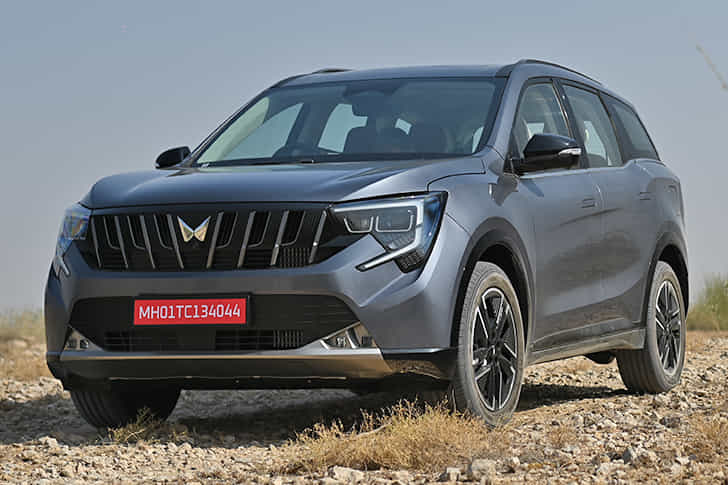
For strong acceleration with a diesel automatic in this budget, the Mahindra XUV 7XO diesel automatic is the best match.It fits your brief because its diesel engine has strong pull right from low speeds, so gaps open up fast, and highway overtakes need just a light press of the throttle. The automatic is smooth in slow traffic and settles into low revs on the highway, which keeps the drive easy. It also gives you the most shove among diesel automatics in this price range, so it feels quicker than rivals when you need it.Know the trade-offs: it is a big, tall car, so tight city lanes and small parking spots need extra care. Overall, for your requirement of quick pickup with a diesel automatic, the XUV 7XO stands out as the strongest option in this segment.
I want to buy a car that offers great features and strong performance, which is my top priority. My budget is ₹14 lakh max. Currently, I am considering the i20 N Line and the Kylaq. Can you suggest if there is a better car in this price range?
The 1.0 TSI turbo petrol engine in the Skoda Kylaq is punchy. If you are looking at the automatic, its 6-speed torque converter is far better suited to everyday Indian driving than Hyundai’s dry clutch DCT, especially in traffic. The Kylaq also gives you SUV practicality and a 5 star Bharat NCAP safety rating.The Hyundai i20 N Line is still a genuinely fun car and feels sharp and nippy to drive, but at Rs 14 lakh. It starts feeling expensive for what is still ultimately a premium hatchback, especially when the Kylaq gives you stronger overall value.
My usage will be around 30 km per day, three days a week, plus a couple of weekend trips. So I don’t want just a typical city car. I’d like something that feels a bit fun to drive as well. Could you suggest some options? I see there are turbo-petrol choices available, but the Honda City’s 1.5 i-VTEC also seems like a strong and powerful naturally aspirated option. One thing I noticed during a test drive, though, was the tyre noise. Even at around 30kph, it felt noticeable and a bit annoying. Is that actually a concern in real-world city or moderate-speed driving, or am I overthinking the NVH levels? Some owners do mention that tyre and road noise in the Honda City can be more noticeable than expected, especially depending on the road surface and tyres.
For light weekday use, occasional highway trips, and a slightly fun driving experience, the Volkswagen Virtus 1.0 turbo-petrol manual suits your requirements better. It feels quick without needing to rev hard, so gaps in traffic and hill climbs are easy. The steering is light in the city, yet the car stays steady on open roads, and the big boot makes weekend runs simple. The manual is also enjoyable to use if you like being involved while driving.About the Honda City’s tyre noise: it does let in more tyre and road noise than you might expect on rough or concrete roads, but it is rarely a deal-breaker. It also varies a lot with tyre brand and pressure. Switching to a quieter set of tyres later usually helps.Two trade-offs with the Virtus: the rear seat is not as wide as the Honda City’s, and it won’t be as fuel-efficient. A close alternative with a similar driving feel is the Skoda Slavia. If you love the City’s smooth engine and spacious cabin, then that is still the one to get. Just keep in mind that a facelift is expected soon, so either wait for that or negotiate a good discount on the current stock.
I need a car that is fun to drive and comfortable for 80% city use and 20% highway driving. My budget is up to ₹15 lakh on-road. Please suggest another option if the budget is extended to ₹17 lakh.
Considering your needs, go for the Skoda Kylaq Prestige AT. This Skoda car comes with a punchy 115hp, 1.0-litre turbo petrol engine and when paired with the 6-speed torque converter automatic, it will make for an easy-going and convenient SUV to drive in the city, which is where you'll do majority of your running. The Kylaq is also compact, so parking in tight spots and darting in and out of gaps in traffic will be easy. On the highway at high speeds, it stays composed and comfy and the suspension handles bad patches well. It also stands out for its ride and handling balance and is very enjoyable to drive around some twisty roads. Do note though, the rear seat is best reserved for just two adults and Skoda's service network isn't as widespread as some rivals.
I would like to buy a bigger SUV and have shortlisted a few petrol models. My budget is a constraint, but performance is my top priority. The options I am considering are the MG Hector, Tata Harrier, Tata Safari, Hyundai Alcazar and Mahindra XUV 7XO and Mahindra Scorpio N. Which one would suit me better?
If performance is your biggest priority and you still want a large family SUV without stretching the budget too far, the Mahindra XUV 7XO petrol automatic is the one we would pick. Its 2.0 turbo petrol feels the strongest and most effortless in this group, whether you are overtaking on the highway or driving with a full load of passengers. The automatic gearbox also suits the engine well and makes daily driving much easier, while the cabin itself feels spacious, comfortable and well-equipped. Even in lower or mid variants, you still get the same strong engine, which helps keep costs under control.The Hyundai Alcazar 1.5 turbo petrol DCT is the more polished and city-friendly alternative. It feels lighter to drive, and refinement is excellent, but the DCT gearbox is not always the smoothest at crawling city speeds and can feel slightly jerky in stop-and-go traffic. It also does not have the same effortless punch or road presence as the Mahindra when fully loaded. The MG Hector petrol is spacious and comfortable, but performance is nowhere close to the Mahindra, and despite having a smaller engine, fuel efficiency is not one of its strengths either.The Tata Harrier and Tata Safari are now available with Tata’s newer 1.5 turbo petrol engine, but performance is adequate. It still does not feel as effortless or as strong as the Mahindra’s larger 2.0 turbo petrol, especially in a full-size SUV application. The Mahindra Scorpio-N petrol is also very powerful and rugged, but compared to the XUV 7XO, it feels less polished and more old school in everyday driving. The Mahindra Scorpio-N price starts at Rs. 13.69 lakh (ex-showroom, Delhi).
I’m looking to buy a diesel manual sub-4m car. My monthly run is around 1,500 km, of which 60% is in the city and 40% on highways. My priorities are punchy performance with strong low-end and mid-range, along with good ride and handling, responsive steering feedback, and a comfortable suspension setup. Please help me choose a car.
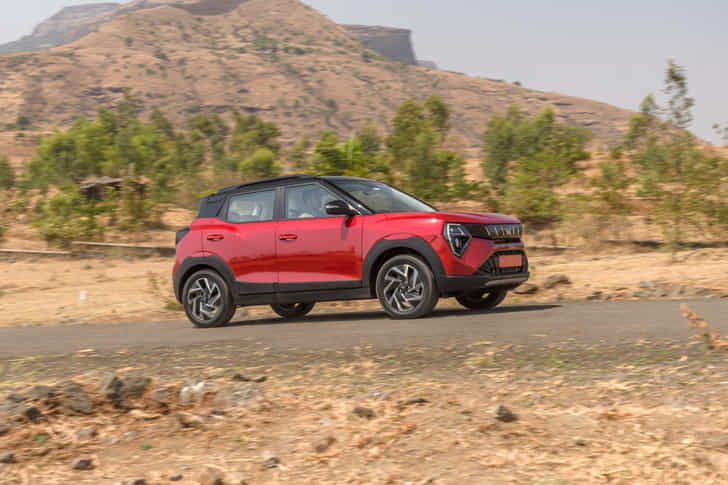
Go for the Mahindra XUV 3XO diesel manual. It fits your brief best because the 1.5 diesel delivers strong pull from low speeds, making city driving easier without constant downshifts, and it has a solid mid range for quick highway overtakes, while also offering a comfortable ride and well weighted steering with selectable modes to suit your preference. The Tata Altroz diesel is a good alternative if you want something smaller and easier to park with similarly strong low and mid range, and it also has a capable chassis that makes it feel confident and enjoyable to drive, along with a sportier, lower seating position. The only drawback with the Altroz is that its diesel engine is not as strong or as refined as the Mahindra car and it is not as spacious, so overall the XUV 3XO remains the better fit for your needs.
I am looking to buy a diesel manual sub-4 metre car. My monthly running is around 1,500 km, with 60% city and 40% highway usage. My priorities are strong, punchy performance with good low-end and mid-range torque, along with good ride and handling, steering feedback, and a comfortable suspension setup. Please help me choose the most suitable car.
Go for the Mahindra XUV 3XO diesel manual. It is the best fit for your requirements. You are looking for a punchy diesel with strong low- and mid-range performance, good ride and handling, and proper steering feel, and this is exactly where the 3XO stands out. The 1.5 diesel engine produces strong torque and feels very responsive at low speeds, making city driving effortless and highway overtaking easy. It is one of the more engaging diesels in this segment and suits your 60 percent city and 40 percent highway usage well.On ride and handling, the 3XO strikes a very good balance. The suspension setup is one of the highlights, and it feels more planted than most rivals. Another big advantage is space. It is one of the widest cars in the segment, which makes it genuinely comfortable for three passengers at the rear, and overall cabin comfort is excellent.Compared to alternatives like the Nexon diesel, the 3XO feels more refined, more responsive and better to drive, especially in terms of engine performance and gearbox feel.
Need expert advice?
Ask the Autocar community and experts.