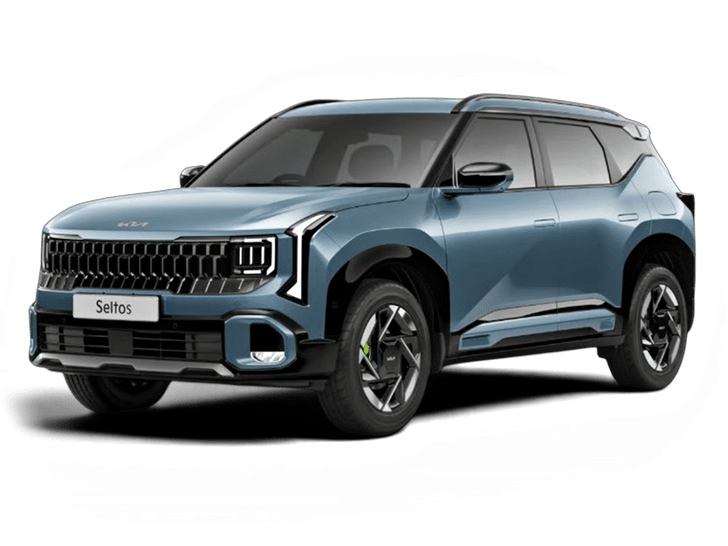
Family Car Under 25 Lakhs

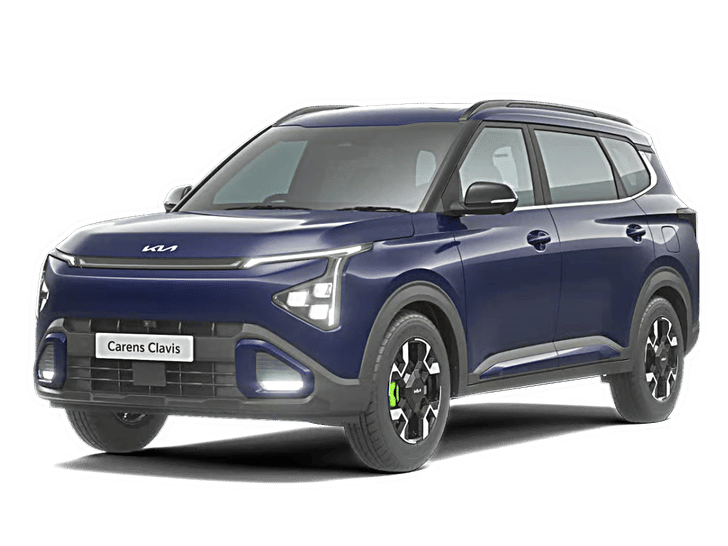
As of October 2026, there are 2 upcoming Kia cars expected to launch in India. View their estimated prices, expected launch dates and other key details below:


Hear from the
Hi, my usage is around 2400 km monthly which includes 95% running on highways with 2 long family trips annually. I have shortlisted Grand Vitara Zeta (O) AT Smart Hybrid, Seltos Diesel AT HTK+(O) and Carens DCT HTK+(O) {for 7 members who travel occasionally). I am looking for lesser running costs, better service quality and peace of mind as I tend to keep the vehicle for very long as I am close to retirement. I drive quite a lot. Also since I have been using Citroen C3 for 4 years, I expect the same wonderful suspension which is best on both highway and within city. I am not looking at EV as the upfront price is high and I don't see that I will be having huge savings considering the additional insurance cost and tire change frequency. Kindly advice.
Given that you're upgrading from a Citroen C3, and looking at an excellent highway cruiser while keeping running costs in check, we'd strongly recommend you to consider the Renault Duster Hybrid Evolution variant, which is priced similar to other cars that you've shorlisted. The hybrid powertrain will be very efficient, and Duster's excellent suspension tune makes it ideal for your kind of usage. Sure, cabin space is not as generous as the Kia Seltos, and Renault's service network isn't as widespread as Maruti's. If you want to pick from the cars you've shortlisted, the Kia Seltos diesel-automatic is the one to get - it feels thoroughly modern; it gives you the most premium feel of the lot; and its diesel engine is smooth, refined and efficient.
Hi Autocar team, I am planning to buy a new car for daily use, as we already have a Maruti Suzuki Ciaz at home. I drive at least 15,000km a year, and probably closer to 20,000km, so I initially considered diesel options such as the Mahindra XUV 3XO MX2 diesel manual. The Kia Syros EV is also on my shortlist. The on-road price of the 3XO is around Rs 11 lakh, while the Syros EV costs about Rs 15 lakh, a difference of Rs 4 lakh. I estimate annual fuel costs of around Rs 1.09 lakh for the diesel and electricity costs of Rs 30,000 for the EV, with a payback period of roughly 4.5-5 years after accounting for lower servicing costs. I can charge at home daily, rarely travel more than 300km in one trip, and can use the Ciaz for longer journeys. I am also considering installing a home solar system for around Rs 2.25 lakh. Should I buy the Syros EV, stick with the 3XO diesel or wait for the upcoming Hyundai compact EV? What should I consider regarding battery warranty, resale value, real-world range and service experience?
Go for the Kia Syros EV. With your running of 20,000 km a year, home charging and a solar plant planned, the maths works in your favour. Your payback calculation of 4.5-5 years is realistic, and with solar, your running costs drop even further. The Syros EV is a well-rounded EV with a comfortable ride, good space and a smooth powertrain. Your usage pattern is ideal for an EV: daily charging at home, predictable running and the Ciaz available for longer trips.The Mahindra XUV 3XO diesel is a strong product and makes sense for high-mileage highway users, but your usage is city-heavy, and the EV will be far cheaper to run. The Hyundai compact EV is worth waiting for only if you are not in a hurry, but the Syros EV is already a very competent product. The only thing to keep in mind is resale value, which is still evolving for electric cars in India. But with your running and ownership period, the savings will more than offset that. Go for the Syros EV and enjoy the savings.
Hi Autocar team, I am looking to buy a new petrol automatic car for my family of three. Most of my driving will be in Bengaluru city, with occasional highway trips of 100-500 km. I prefer a torque-converter automatic or a CVT. We have test-driven the Skoda Slavia 1.0 TSI, Kylaq and Kushaq, Volkswagen Virtus 1.0 TSI, 2026 Honda Elevate facelift, Kia Sonet, Tata Punch AMT, Tata Sierra DCT and the Tata Punch EV with its automatic transmission. I personally liked the Slavia for its performance, handling, ride quality and safety, but I am concerned about EPC warnings and reliability. My wife is a beginner driver who currently drives a manual turbo sedan and a hatchback. She prefers relaxed driving and liked the Honda Elevate CVT more than the Sonet. I enjoy strong performance and effortless overtaking on highways, although neither of us is an outright driving enthusiast. With so many options, which automatic would you recommend?
Since your wife preferred the Honda Elevate over the Kia Sonet and is still building confidence, the smooth, predictable response of the Honda's CVT makes it an easier daily companion in Bengaluru traffic. Its upright seating position and suspension also suit the city's broken roads, while the naturally aspirated petrol engine avoids the added complexity of a turbo.The Skoda Slavia is more engaging on the highway, with stronger mid range punch and enjoyable handling, and its eight-speed torque converter automatic is a good match for someone concerned about dual clutch reliability. EPC warnings and reliability concerns are worth discussing with the dealer, but they aren't a reason to rule out every Skoda car. The Elevate's main drawback is that its engine can sound strained when accelerating hard, and it won't deliver the same effortless overtaking response as the Slavia.Given that you both drive the car, choose the Elevate CVT if ease of use and relaxed ownership come first; choose the Slavia automatic if you both test drive it and are happy with its driving behaviour and service support.
I am planning to buy either Kia Seltos HTX ivt or Tata Sierra EV empowered 75. Since there is concern on petrol availability/pricing and ethanol blending in the future, which option would be better for our monthly usage of around 500km within the city which will also include 2 trips outside the city every year. If I take Seltos, I am concerned about its resale value in 5 to 10 years and more for an EV as it is more expensive as compared to Deltos and its infrastructure problems. What do you suggest?
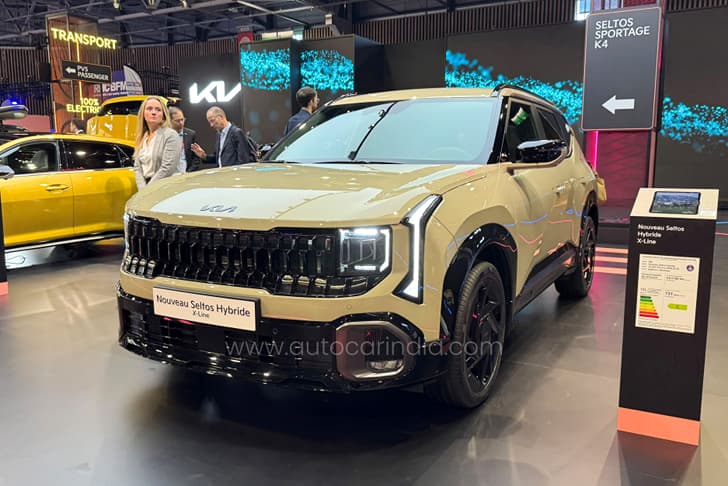
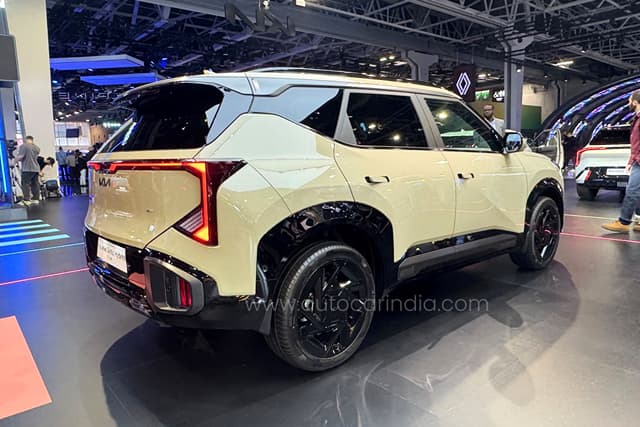
Go for the Kia Seltos HTX IVT. Your usage pattern of around 500km a month in the city with only two outstation trips a year does not justify the premium of the Tata Sierra EV Empowered 75. The Seltos IVT is a smooth, refined and reliable petrol automatic that will handle your city driving effortlessly, and Kia’s service network and ownership experience are strong. Concerns about petrol availability and ethanol blending are largely overblown - E20-compliant engines are designed to handle the fuel, and there is no official roadmap beyond E20 at this stage. The Sierra EV is a very impressive product with a premium cabin and strong range, but it is significantly more expensive and you will not recover that premium through fuel savings at your level of usage. The Seltos is the more sensible and cost-effective choice for your requirements.
Dear experts, my budget is Rs. 20 lakh (on-road price) for a car that can be extended upto Rs. 25 lakh. I need a car except a sedan with powerful engine, bigger wheels and a good music system Please suggest a car that meets all these criteria.
With an on road budget of Rs. 20 lakh, stretchable to Rs. 25 lakh, the best fit is a compact or mid-size SUV with a punchy engine, large alloy wheels and a good factory-fitted sound system. The key is to choose a car that delivers all three without compromising ride comfort on Indian roads. A powerful engine and big wheels can make a car fun to drive, but the largest wheel option isn't always the most comfortable.The Tata Sierra turbo-petrol automatic is the closest match if you want something distinctive, powerful and with a premium sound system. Its top variants get 19-inch wheels and a banging 12-speaker JBL system. The Kia Seltos is another good option, with an available Bose sound system and 18-inch wheels, while the Skoda Kushaq is worth considering if driving enjoyment matters more than sheer size or visual presence.Before choosing, prioritise a test drive over the wheel size alone: larger wheels can make sharp bumps more noticeable.
Last Updated on: 12 Oct 2026