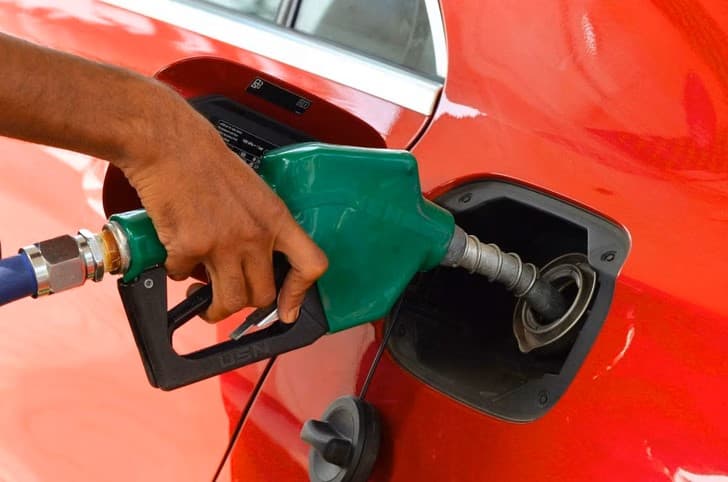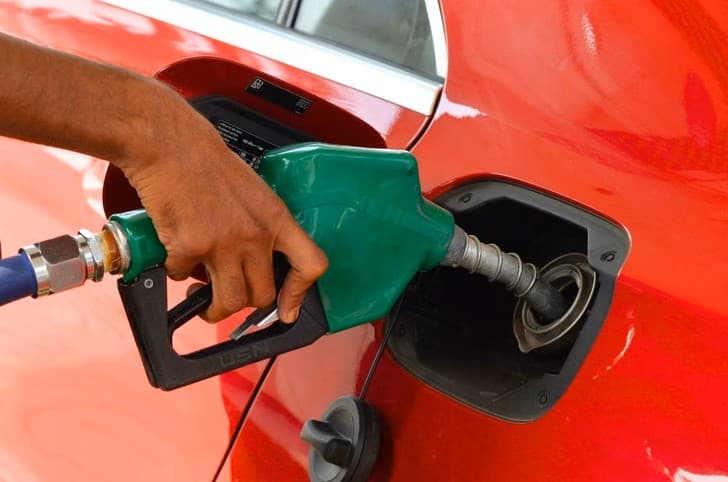
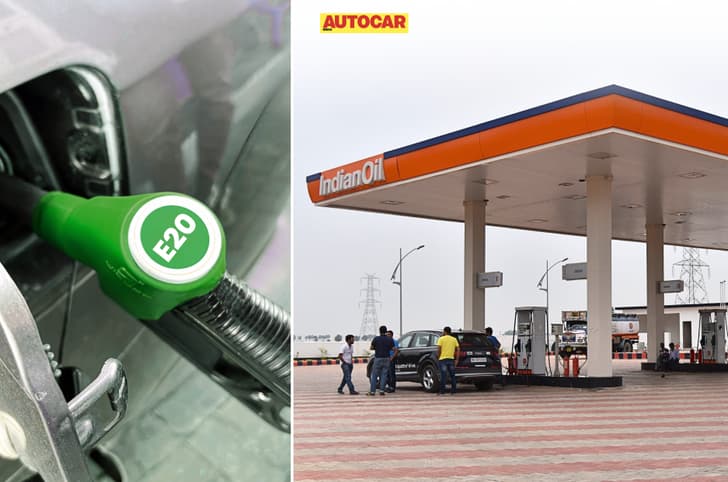
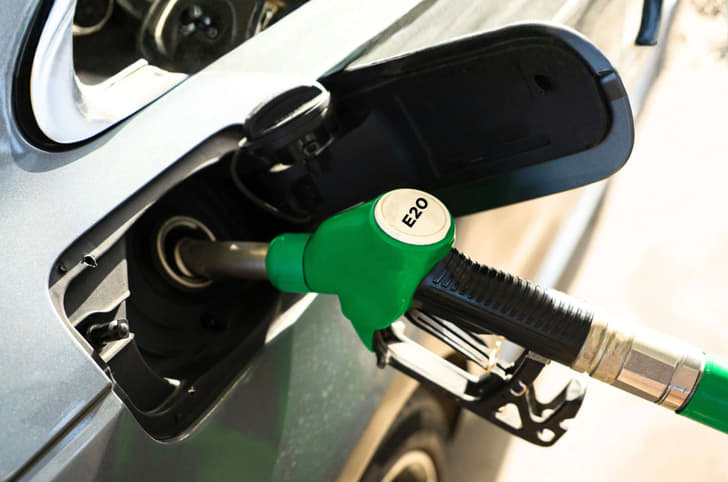
The Union Ministry of Finance has waived central excise duty on petrol blended with 22 percent, 25 percent, 27 percent and 30 percent ethanol. The move places E22, E25, E27 and E30 fuels on par with E20 petrol, which already attracts an excise exemption.
The notification comes shortly after the Bureau of Indian Standards (BIS) issued fuel-quality specifications for these higher ethanol blends, marking another step towards fuels with ethanol content beyond E20.
- Excise duty waived on E22, E25, E27 and E30 petrol blends
- BIS has already notified fuel standards for higher ethanol blends
- E25 could create demand for an additional 300 crore litres of ethanol
What exactly has changed?
Until now, India's ethanol-blending programme has largely centred around E20 petrol, which the government established as its primary blending target. With the latest notification, the excise-duty exemption has been extended to E22, E25, E27 and E30 fuels, removing a central tax hurdle for future higher-blend fuels.
Industry executives view the Finance Ministry's notification as a complement to the BIS standards already issued for these fuels. Together, the two developments provide both the regulatory and fiscal framework required for higher ethanol blends.
People involved in discussions with government officials say the next logical step will be the formal announcement of a new base ethanol-blending level, with E25 emerging as the most discussed candidate. Under this scenario, E20 would continue for a period as the operative mainstream blend, while E25 is phased in and E20 is either retained in parallel or eventually phased out, depending on vehicle compatibility, supply dynamics and infrastructure readiness.
Higher blends not coming immediately
The excise waiver does not mean E22-E30 fuels will start appearing at fuel stations in the near term. Before that can happen, automakers, fuel retailers and regulators will need to complete a series of validation and approval processes.
Industry sources estimate that testing and validation for higher ethanol blends could take between three and six months under normal circumstances. This includes engine and component testing, durability assessments and real-world evaluation to ensure vehicle performance, reliability and emissions compliance are not affected.
However, some sources also suggest that in an extreme scenario, such as a renewed flare-up in West Asian conflicts that constrains crude oil flows, the Centre could invoke its special powers to fast-track or even partially bypass standard validation timelines to secure domestic fuel availability.
Oil marketing companies will also need to assess storage, distribution and dispensing requirements if multiple ethanol-blend grades are to be offered simultaneously.
Ethanol producers see scope for higher demand
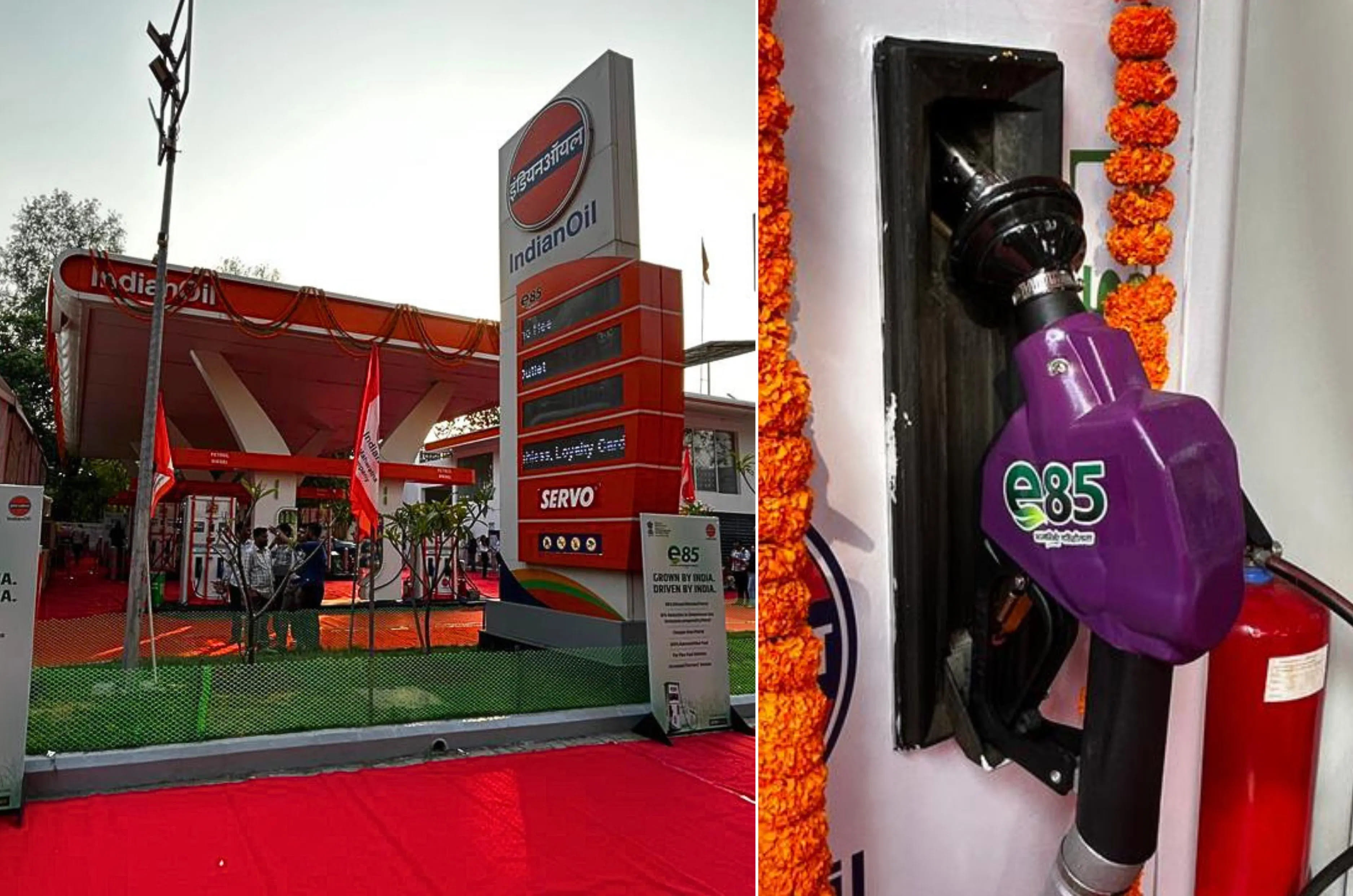
The excise waiver has been welcomed by ethanol producers, who stand to benefit from any increase in blending levels beyond E20. Industry representatives say India's current ethanol production capacity already exceeds demand under the existing programme, leaving room for additional consumption.
The All India Distillers' Association (AIDA) said the move could help utilise surplus production capacity, while Indian Sugar & Bio-Energy Manufacturers Association (ISMA) estimates that E22 could create demand for an additional 120 crore litres of ethanol and E25 around 300 crore litres. The industry body has also called for wider adoption of flex-fuel vehicles to support higher ethanol blends.
What it means for automakers
For vehicle manufacturers, the development is another indication that India's fuel roadmap is likely to continue moving towards higher ethanol content. The timing of any future transition will influence engine calibration, material compatibility and certification requirements across model line-ups.
The move is also likely to be watched closely by automakers, who have only recently completed the transition to E20-compatible vehicles after the government's decision to advance the E20 target to 2025-26. Unlike E20, there is currently no industry-wide mandate or vehicle compatibility framework in place for higher ethanol blends such as E25.
For now, the excise waiver does not change what fuel consumers can buy. However, it removes a key fiscal hurdle for higher ethanol blends and strengthens the framework required for any future move beyond E20.
 Autocar India News Desk


 Uday Singh