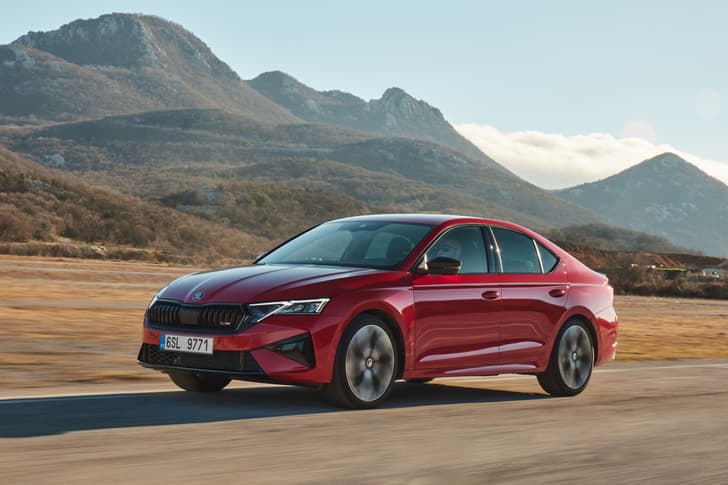
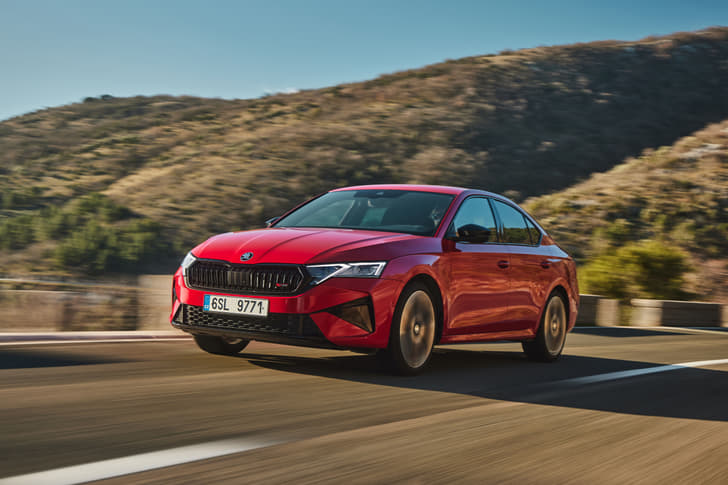
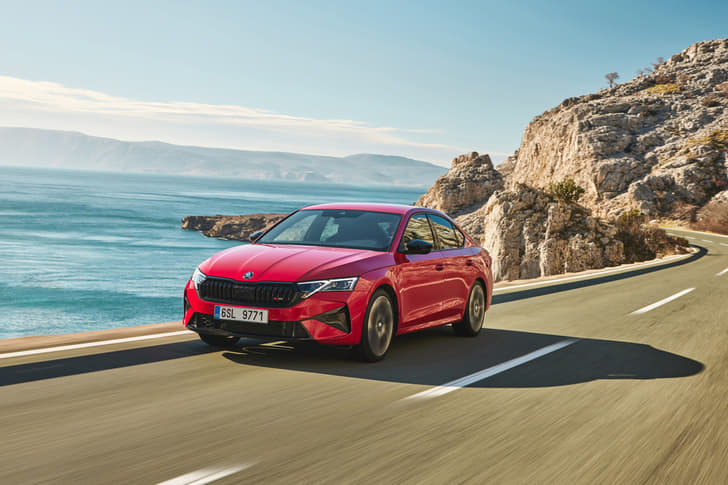
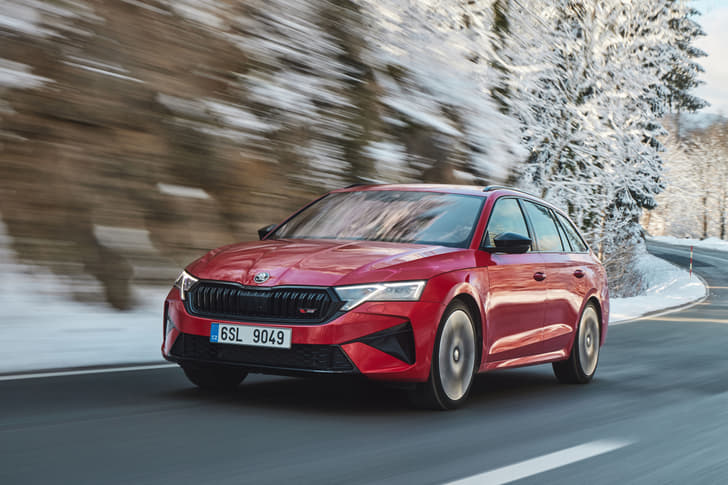
Skoda cars in India (9)
As of June 2026, Skoda Auto has 7 models in its India portfolio, with 4 currently available and 3 upcoming. The most affordable model is the Skoda Kylaq, priced from ₹7.59 lakh, while the range-topping Skoda Kodiaq goes up to ₹46.49 lakh.
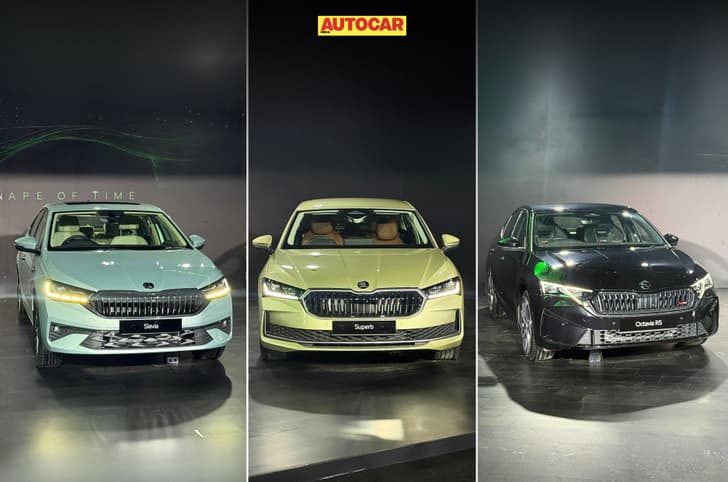
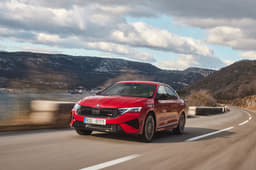
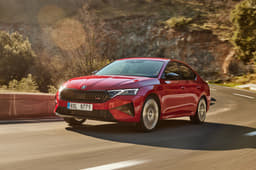
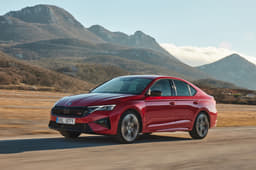
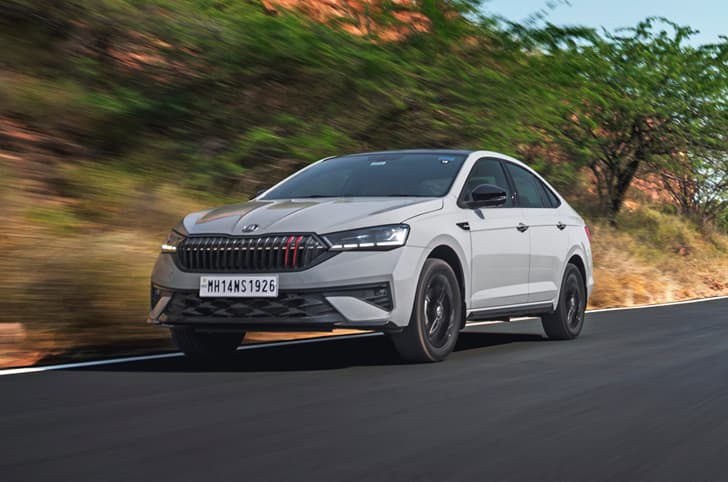
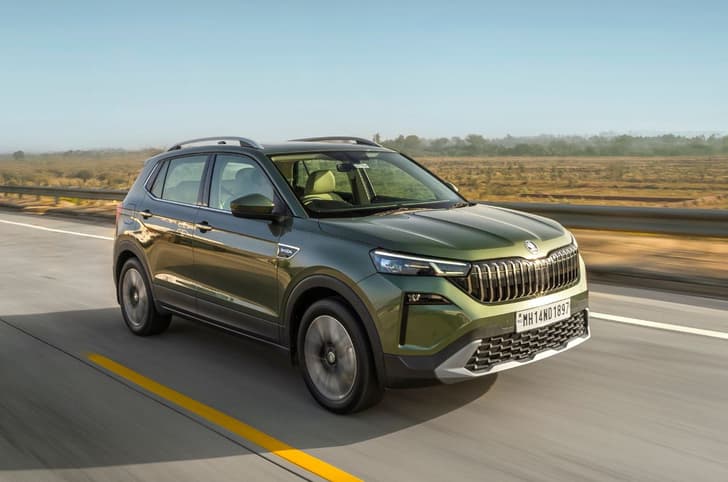
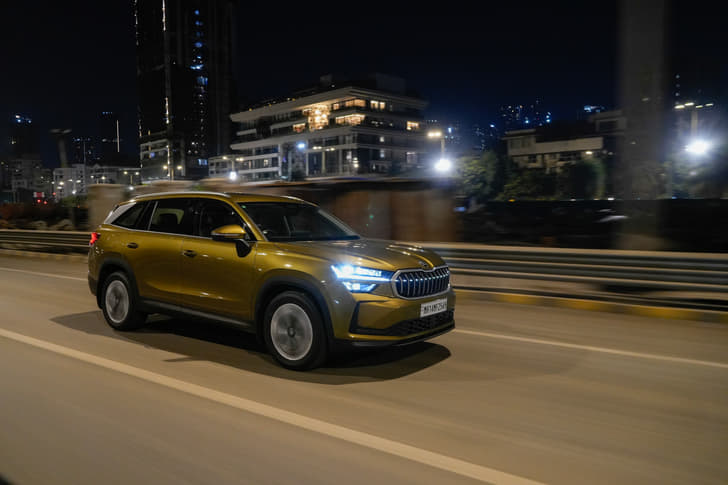
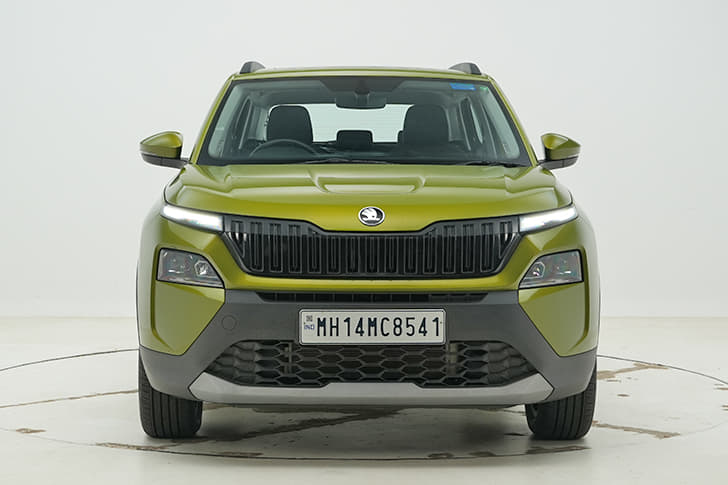
The current lineup includes the Kylaq, Kodiaq, Skoda Kushaq, and Skoda Slavia. The Slavia is the only sedan in the range, while the Kodiaq, Kushaq, and Kylaq form the brand’s SUV lineup.
Skoda Car Price List (June 2026)
View the latest Skoda car prices in India in the table below:
Skoda Car | Price (Ex-showroom) |
Skoda Kylaq | ₹7.59 lakh - ₹12.99 lakh |
Skoda Slavia | ₹10.00 lakh - ₹17.99 lakh |
Skoda Kushaq | ₹10.69 lakh - ₹18.99 lakh |
Skoda Kodiaq | ₹39.99 lakh - ₹46.49 lakh |
Skoda Upcoming Cars
There are 3 upcoming Skoda cars scheduled to launch in India:
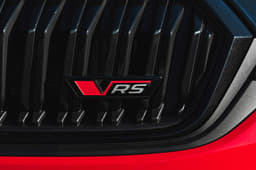
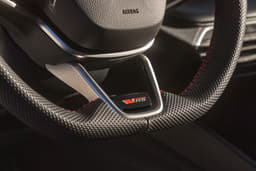
- Skoda Kodiaq RS
- Estimated price: ₹50.00 lakh
- Expected launch date: June 2026
- Fuel type: Petrol
- Body type: SUV
- Skoda Superb
- Estimated price: ₹50.00 lakh - ₹55.00 lakh
- Expected Launch Date: 2026
- Fuel Type: Petrol
- Body Type: Sedan
- Skoda Peaq
- Estimated price: ₹1.00 crore - ₹1.20 crore
- Expected Launch Date: 2027
- Fuel Type: Electric
- Body Type: SUV
Skoda Cars - Latest Updates (June 2026)
- 30 April, 2026: Skoda Auto India partners with CSC Grameen eStore to expand its reach
- 18 April 2026: The outgoing Skoda Kushaq is currently available with discounts of up to ₹3 lakh.
- 30 March 2026: Skoda Auto unveils key specifications of the upcoming Peaq electric SUV.
- 6 January 2026: Skoda hikes prices of Kylaq, Kushaq and Slavia by up to ₹34,000
Find cars by body type
Filter your search
FAQs
The Skoda car price in India starts at ₹7.59 lakh for the Kylaq and goes up to ₹46.49 lakh for the Kodiaq (ex-showroom).
The Skoda Kodiaq is the only Skoda 7 seater car on sale in India. It is priced between ₹39.99 lakh - ₹46.49 lakh (ex-showroom), depending on the variant.
Yes. The only Skoda car under 10 lakh in India is the Kylaq. The Skoda Kylaq price starts at ₹7.59 lakh, ex-showroom.
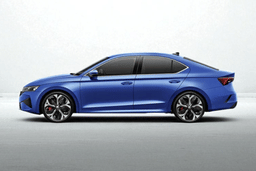
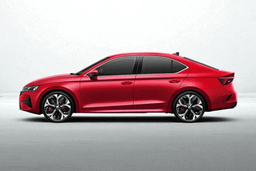
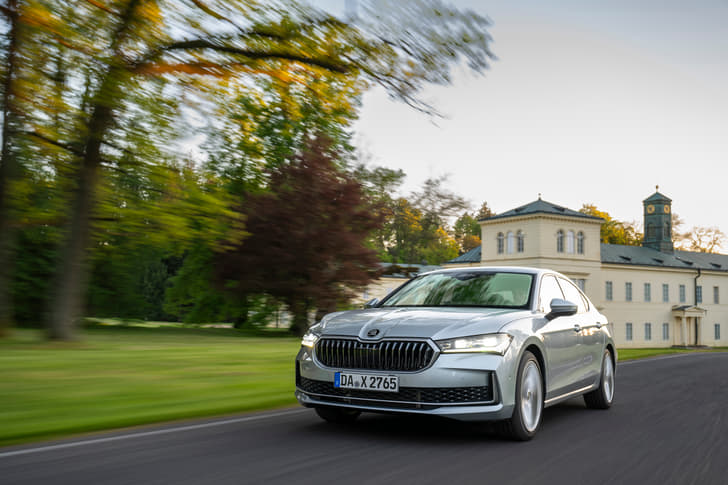
The Skoda Slavia is the only sedan on sale in India. The upcoming Skoda sedan car includes the new Superb.
No. Presently, there are no Skoda diesel cars on sale in India. The Skoda India lineup consists of petrol engine options.
The cheapest Skoda car is the Kylaq, with a price starting at ₹7.59 lakh (ex-showroom).
Yes. The Kylaq, Slavia, and Kushaq fall under the ₹20 lakh category.
The Kodiaq is the most expensive Skoda car, priced at ₹46.49 lakh (ex-showroom).
Currently, there are 3 SUV cars available for sale in India. The Skoda SUV cars list includes the Kylaq, Kushaq, and Kodiaq.
There are seven Skoda car models in India. Four are currently on sale (Kylaq, Slavia, Kushaq, Kodiaq), and 3 are upcoming (Superb, Kodiaq RS and Peaq).
The most expensive Skoda car is the Kodiaq that is priced at ₹46.49 lakh (ex-showroom).
Skoda's new car launch includes the Superb, Kodiaq RS, and Peaq. The Superb and Kodiaq RS are expected to launch in 2026. Meanwhile, the Skoda Peaq is expected to launch in 2027.
Trending Questions on Skoda Cars - Answered by Autocar Experts
Is buying a new Creta N line worth it?
The Hyundai Creta N Line is a sportier-looking derivative of the Creta. It gets revised front-end styling, red detailing, larger 18-inch wheels, a rear spoiler and dual tip exhausts on the outside. The interior gets an all-black look with red detailing, which does give the cabin a sporty flavour. Unique to the Creta N Line is the option of a manual gearbox with the turbo-petrol engine. The steering has also been redone for more weight.The larger wheels and tweaks to the steering do make the Creta N Line feel slightly sportier to drive. However, the dual tip exhausts sound no different to the standard Creta's, and that's a downer. Further, the move to larger wheels comes with a firmer ride, which can get uncomfortable. Also, the 6-speed manual gearbox isn't the slickest or most enjoyable. We'd stick to the DCT.In a nutshell, while the N Line does look distinctive and attractive, it isn't the best Creta you can buy. The standard model feels comfier, and its lower price also makes it a better deal. If you want an enjoyable driving experience above all else, the Skoda Kushaq 1.5 TSI DSG or VW Taigun 1.5 TSI DSG will satisfy you more.
We have a budget of Rs. 60 lakh and require an SUV or sedan. We prioritise rear-seat comfort and a powerful engine. We do not want an electric vehicle and are not looking for entry-level luxury cars like the BMW X1 or Mercedes-Benz GLA. We are considering the Toyota Camry or waiting for the new Hyundai Santa Fe or Tucson. Our current vehicle is a Hyundai Tucson diesel 4x4, which we enjoyed for its soft suspension, rear-seat comfort, and 186bhp engine. We are looking for a new car, not a used one. Please help us out, Autocar. We live in Patna and recently bought a Hyundai Aura for our son to learn to drive. It does not seem to have a problem with the roads here, so we are considering buying a Camry or waiting. Is there any other car you would suggest?
Buy the Toyota Camry. Its rear seat is genuinely lounge-like with a power recline function, the ride is soft, and the cabin is quiet. The petrol strong hybrid powertrain is one of the best around, feels refined and effortless in the city, and has enough power on the highway. You get the smoothness and efficiency of an EV without the stress of having to charge it. And Toyota's low running costs and excellent service quality will give you peace of mind too.It does not feel particularly thrilling to drive, and it is a sedan, so speed breakers or steep ramps need more care than an SUV. If you do want an SUV stance and a punchier engine, the Skoda Kodiaq and Volkswagen Tayron are good upgrades from your Tucson. The 2.0-litre turbo-petrol engine is eager, and it cruises beautifully, and the ride is exceptional too. It's just that, being a turbo petrol in a large SUV, these two are not very fuel efficient.Sadly, there are no plans for Hyundai to bring in a new Tucson or Santa Fe. Kia, however, is looking at bringing in the Sorento, the Santa Fe's counterpart from its portfolio, later this year or early next year, possibly with hybrid power. If you aren't in a hurry, that might be worth waiting for.
I have a budget of Rs. 12 lakh and am currently driving a Tata Tiago, which I have owned for the past 10 years. I am now looking to upgrade and would appreciate suggestions in both the sedan and SUV segments. My biggest dilemma is deciding whether I should choose a sedan or an SUV. In the sedan category, I am considering the Volkswagen Virtus and Skoda Slavia. In the SUV segment, I am looking at the Tata Nexon. Please suggest if there are any better options than these as well. My driving is evenly split between city and highway usage, and I am a light user with an average monthly running of around 1,000 km. Considering my requirements, which type of vehicle would be the better choice, and which models should I shortlist?
The first thing to note is that with a Rs. 12 lakh budget, the Volkswagen Virtus and Skoda Slavia may be difficult to fit in unless you're looking at entry-level variants or stretching your budget. The Tata Nexon, on the other hand, sits much more comfortably within your range.Between a sedan and an SUV, we'd lean towards a sedan for your usage pattern. With your driving split evenly between city and highway and a relatively modest monthly running of around 1,000km, a sedan generally offers better ride comfort, superior highway stability and a more engaging driving experience. Coming from a Tata Tiago, a Virtus or Slavia will feel like a substantial upgrade in terms of refinement, space and overall quality.If your budget is firm at Rs 12. lakh, we'd suggest looking at the Skoda Kylaq Automatic or Honda Amaze CVT as well. The Kylaq offers SUV practicality, strong safety credentials and a fun turbo-petrol engine, while the Amaze provides the smoothest automatic experience and excellent long-term ownership appeal.The Tata Nexon remains a good all-rounder with strong safety credentials and a practical cabin, but if your heart is set on a Virtus or Slavia and you can stretch the budget, they are the more rewarding cars to own and drive.
I have recently shifted to Halol, Gujarat, from Bangalore. I have a Grand Vitara Delta AT Smart Hybrid petrol. I have to give back my car to my family staying in Bangalore by October, and hence I am looking to buy a new car here. I have predominantly liked sedans, and I have a budget of Rs. 20-21 lakh on-road. I have narrowed down my choices to the Hyundai Verna 2026 Facelift HX10 Turbo DCT and the Skoda Slavia 1.5L DSG. The area where I stay generally does not have XP95, although the Oil app shows it is available. I have physically checked a number of times and was lucky only once. My driving would be around 80km a day for 6 days a week, with a yearly round trip to Bangalore. This will add up to around 20,000km annually. I like the Skoda Slavia, but I am concerned about the issues the car generally faces with standard 91 RON petrol, which seems less of an issue in the Hyundai Verna. I would like your suggestion on what to choose. I like German cars, but I also value peace of mind after I buy one. What do you suggest? Thank you for taking the time to help me out.
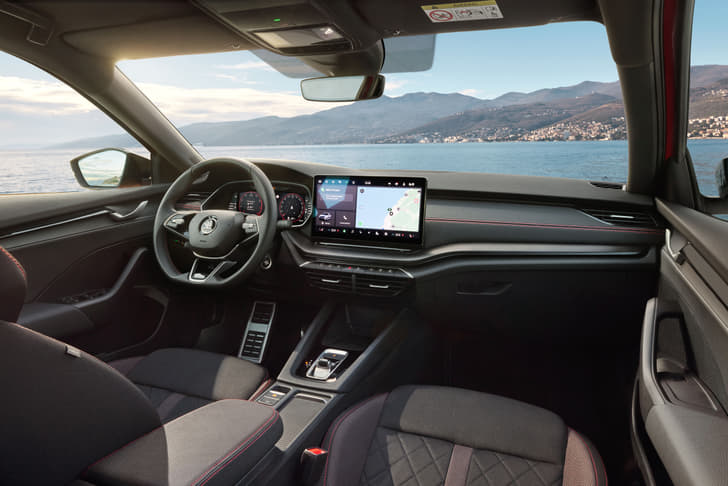
Pick the Hyundai Verna Turbo DCT. Not only is the powertrain smooth and quick, but it is likely to be a bit more efficient than the Skoda's despite the latter getting an active cylinder deactivation function. Additionally, Hyundai’s service reach brings peace of mind.Yes, the Verna lacks the Slavia's solidity and sure-footedness; however, the Hyundai makes up for it to a great extent by packing ADAS, which will make your drive more stress-free and safer. Overall, in terms of features and value-for-money, the Verna is the better option.
I want a new car for my use, considering 40 kms/day in the city. Should I go for Kylaq or Tata Curvv EV, considering new tech and the future of green energy
If you consider new tech and green energy, pick the Tata Curvv EV. With 40 km a day in the city, an EV makes the most sense - you can charge at home once or twice a week, spend far less per km, and enjoy a quiet, smooth drive in traffic. The big question is, do you have a dedicated parking spot with a plug at home or office? If yes, you’re set. You will barely visit public chargers for city use, and the range will easily cover a week of commuting.The Skoda Kylaq is still a sensible pick only if you cannot install home charging or you often do long highway runs. Petrol refuelling is instant, and planning is zero, so it is easier outside the city.One catch with the Curvv EV is its higher upfront price, patchy or busy public chargers on some routes, and a likely poor resale value. However, for your daily city use, though, Curvv EV wins.
I need an SUV model for my family. We are 4 members, we need comfort and safety, also good build quality and low maintenance. Twice a year, we go on a long trip. Now we are using the Alto 2011 model. Budget 10 to 15 lakh.
The Skoda Kylaq Automatic would be the recommendation here. Coming from a 2011 Alto, the Kylaq will feel like a significant upgrade in terms of comfort, safety, performance and overall refinement. It offers strong build quality, a spacious cabin for a family of four, excellent safety credentials and a smooth automatic gearbox that makes city driving effortless. It is also comfortable enough for the two long trips you undertake every year.If low maintenance and hassle-free ownership are your top priorities, the Maruti Suzuki Brezza Automatic is another excellent option. It may not feel quite as solid or enjoyable to drive as the Skoda, but it offers proven reliability, good fuel efficiency and one of the widest service networks in the country.
My daily running is around 50 km, and I take one long trip every month. I currently drive a Honda Amaze Diesel, but I am now planning to replace it. I am confused about whether I should choose an EV, a petrol car, or a diesel car under Rs. 15 lakh. My key requirements are a smooth transmission, excellent fuel efficiency, and strong safety. Considering my usage pattern and priorities, which type of car would be the best choice for me?
The Honda Amaze Diesel has served you well, but given your current usage pattern, a diesel would not be our first choice today.With a daily running of around 50km and just one long trip a month, both petrol and EV options make more sense. If you have access to home charging, an EV can significantly reduce your running costs. In that case, the Tata Punch EV Long Range would be a strong contender. It offers good safety credentials, smooth performance and more than enough range for your daily commute and occasional longer journeys.If you'd rather stick with an ICE vehicle, the Skoda Kylaq Automatic would be our recommendation. Its torque-converter automatic gearbox is smooth and reliable, the turbo-petrol engine offers strong performance and it has solid safety credentials. However, it won't match an EV for running costs.
I have been driving a Datsun GO A for almost 7 years now, and I feel it is time for an upgrade. My budget is up to Rs. 12 lakh, although I can stretch it by around Rs. 1 lakh if needed. I drive approximately 400 km per month and take occasional outstation trips, usually once or twice a year. I am open to recommendations across all vehicle segments, but I am not particularly fond of large vehicles because of traffic and parking challenges in Bengaluru. One thing I really enjoy about the Datsun GO is its peppy engine, and I would love a car that offers a similarly engaging driving experience. I can also postpone my purchase by about a year if there is an upcoming model that would be worth waiting for, such as the Hyundai Bayon. Considering my requirements, which cars would you recommend?
Coming from a Datsun Go, you'll probably appreciate a car that feels light, easy to manoeuvre and has a responsive engine rather than a large SUV. Given your relatively low monthly running of around 400km and the fact that most of your driving will be in Bengaluru, a petrol automatic makes the most sense.Our pick would be the Skoda Kylaq Signature AT. It is compact enough for city traffic, the 1.0-litre turbo-petrol engine feels genuinely peppy and the torque-converter automatic is smooth and easy to live with. It also offers a substantial upgrade over the Datsun in terms of safety, refinement and overall quality.If you prefer a hatchback, the Hyundai i20 IVT is worth considering. It is easy to drive in traffic, has a smooth and refined powertrain and offers a premium cabin. While it isn't as punchy as the Kylaq, it remains one of the best all-round city cars in this price range.As for the Hyundai Bayon, we wouldn't recommend delaying your purchase for it. Even if Hyundai decides to bring it to India, it is likely to be positioned above your budget and could end up closer to the Creta in terms of pricing.
Hello! I have a manual Ertiga and am planning to buy a secondary automatic car in the Rs 10-12 lakh range for long-term ownership. I intend to opt for the maximum extended warranty and service packages. Usage will be mostly city driving in Delhi NCR, with a few short vacation trips, and a monthly running of around 600-700km. I want a delightful ownership experience with good build quality, fit and finish. I am not willing to go with an AMT transmission. Please suggest the best option. Also, please suggest more options if I increase my budget by Rs 1-2 lakh.
The Honda Amaze CVT would be the recommendation here. Since this will be a secondary car primarily for city use in Delhi NCR, with monthly running of just 600-700km and a focus on long-term ownership, the Amaze makes a lot of sense. The CVT automatic is among the smoothest gearboxes in this price range, the petrol engine is refined and proven, and Honda's reputation for reliability and hassle-free ownership is hard to ignore. If you're planning to take the maximum warranty and service packages, it should be an extremely easy car to live with for many years.The Hyundai i20 IVT would be the second choice. It feels more premium inside than the Amaze, offers excellent fit and finish, and its IVT automatic is just as smooth in city traffic. It is also compact and easy to drive, making it a great urban runabout.If you're willing to stretch your budget slightly, the Skoda Kylaq Classic+ AT is worth considering. It brings the benefits of an SUV body style, a solid feel and a smooth torque-converter automatic. However, for your specific use case, the Honda and Hyundai edge it out thanks to their smoother powertrains and stronger reputation for long-term ownership peace of mind.
Hi. I have been driving an i20 diesel for the last 8 years, and it has covered 1.15 lakh km. The car has been maintained well. I recently moved to Bengaluru, and the urge to upgrade has come up. I looked at the Skoda Kylaq and even booked the Signature Plus Automatic, with my i20 valued at Rs. 4.6 lakh in exchange. However, after a test drive, my family now wants me to buy the Slavia 1.0 Automatic instead. I am also concerned about the ethanol-blending issue. Should I go ahead with the purchase or continue using the i20 for a few more years? I am getting the Slavia Prestige at Rs. 18 lakh on-road.
Go ahead with the Skoda Slavia 1.0 automatic. For Bengaluru traffic and family use, it will be nicer daily, and the current car is E20-compliant too.The Slavia’s 6‑speed automatic is smooth in stop‑go, the cabin and boot are a clear step up from your i20, and its high ground clearance for a sedan handles bad roads and speed humps without drama. Skoda’s 1.0 TSI is built to run on E20, so you won’t harm the engine or void the warranty. You may see a small dip in mileage with higher ethanol and, versus your diesel, expect higher fuel bills.Since you’d booked the Kylaq, know this: it drives almost similarly to the Slavia with the 1.0 automatic. Pick it only if you really want the higher seating and compact dimensions. If your running is mostly in the city and if your family prefers a sedan, the Slavia makes sense.Rs. 18 lakh on road for Prestige is fair in Bengaluru, and Rs. 4.6 lakh for your i20 diesel at 1.15 lakh km is about par. Unless you’re happy to keep the i20 another year just to save cash, there’s no strong reason to wait.
Last Updated on: 24 Jun 2026