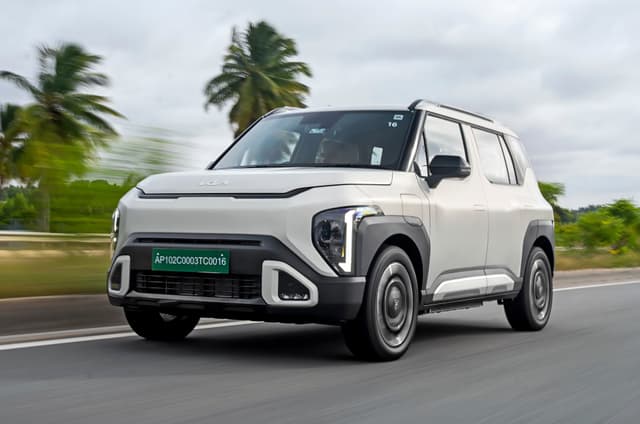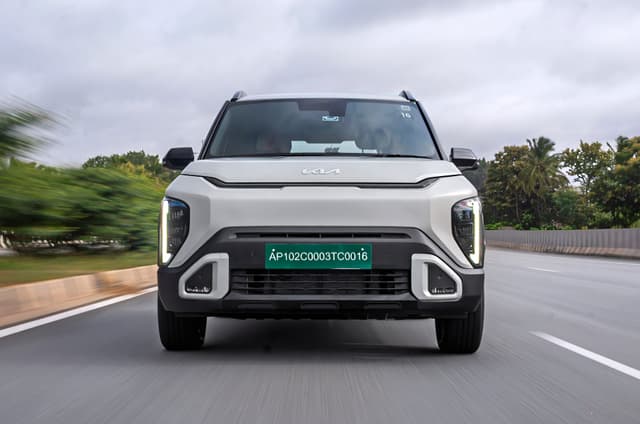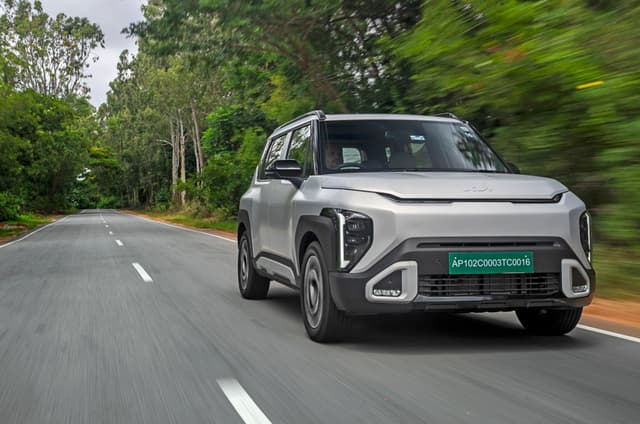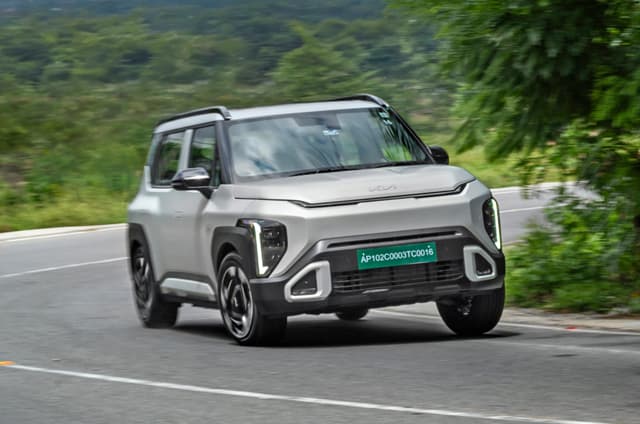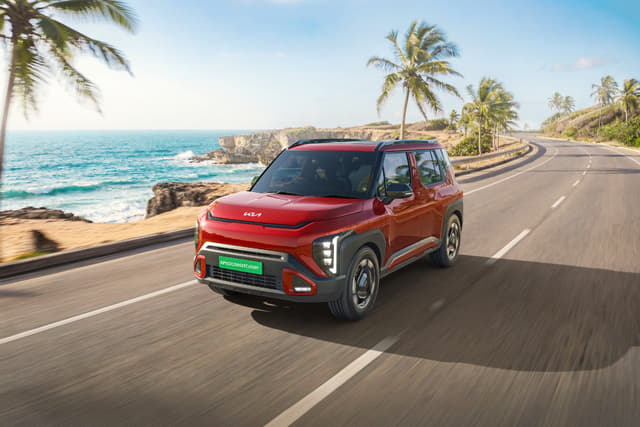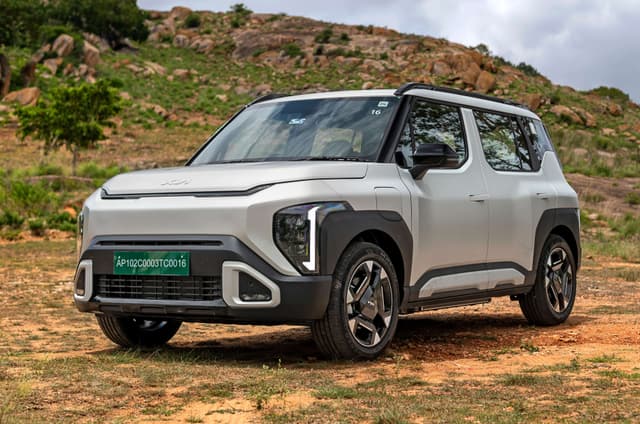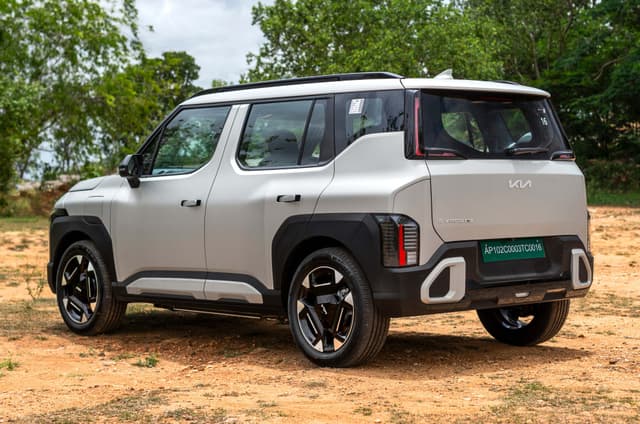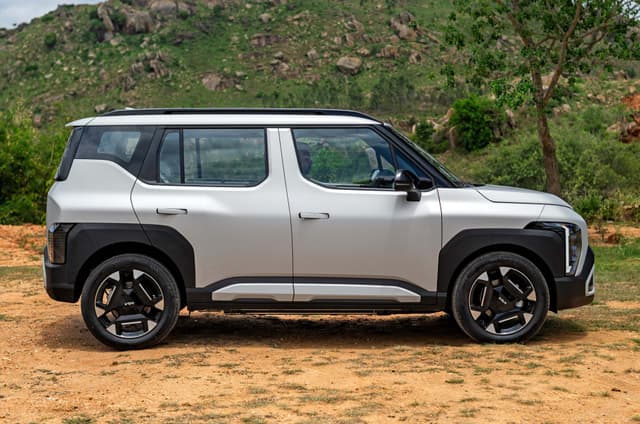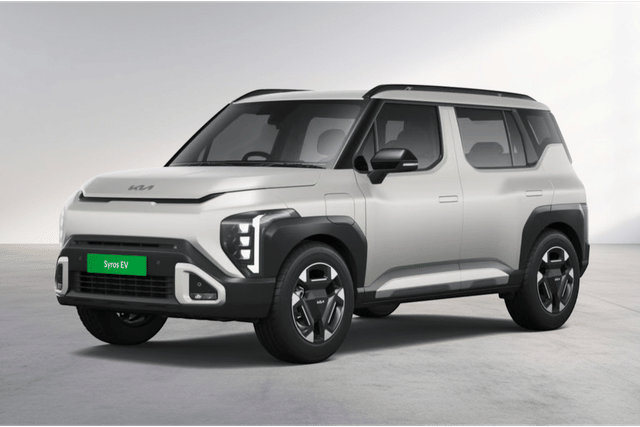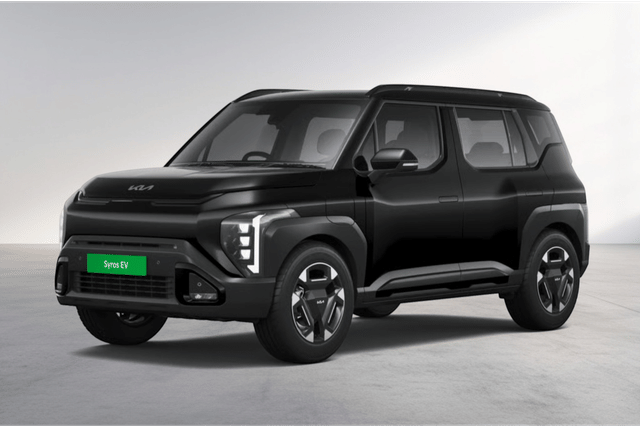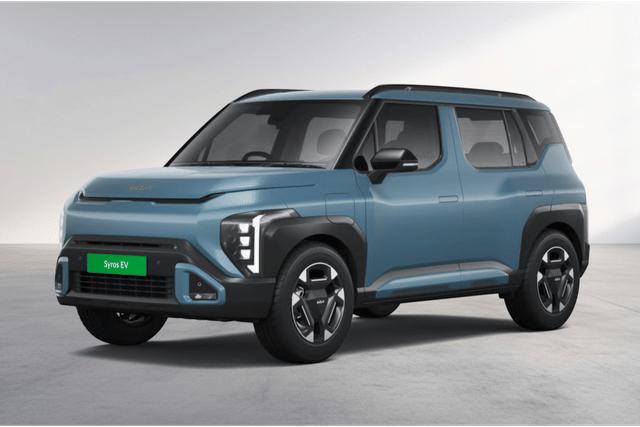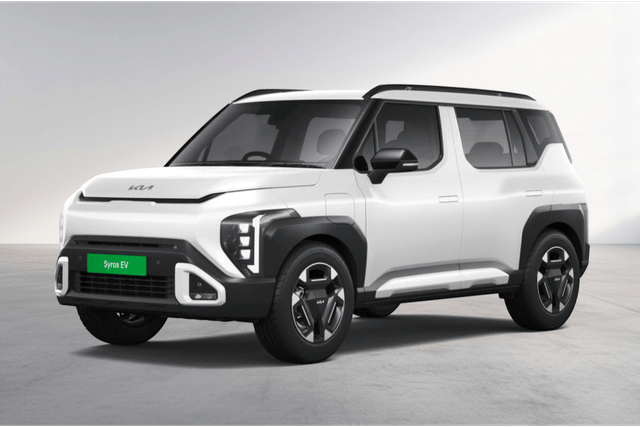
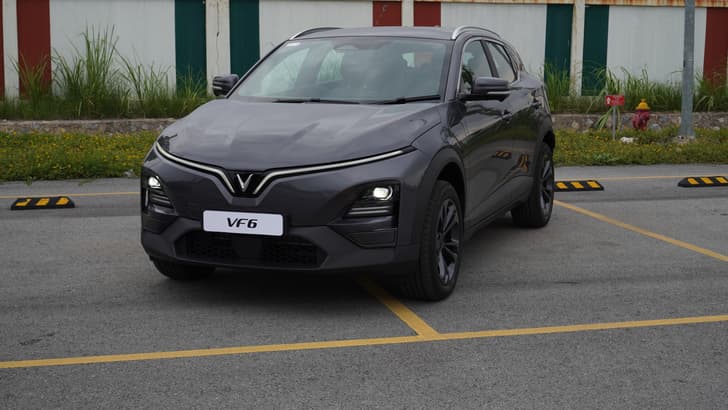
Hyundai EV Price and CNG AMT
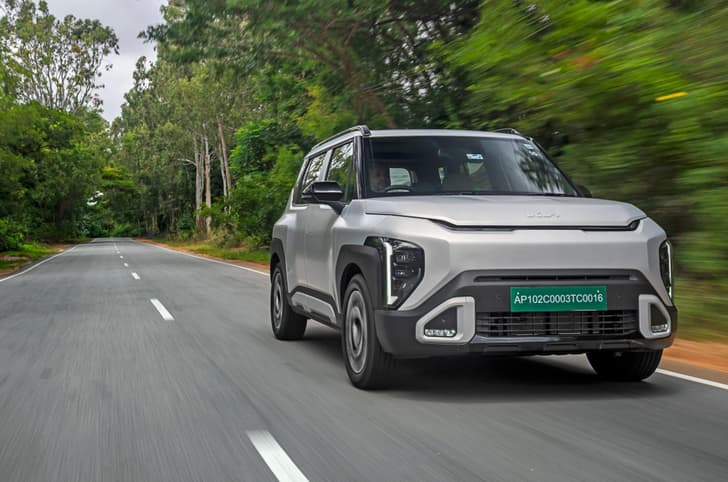


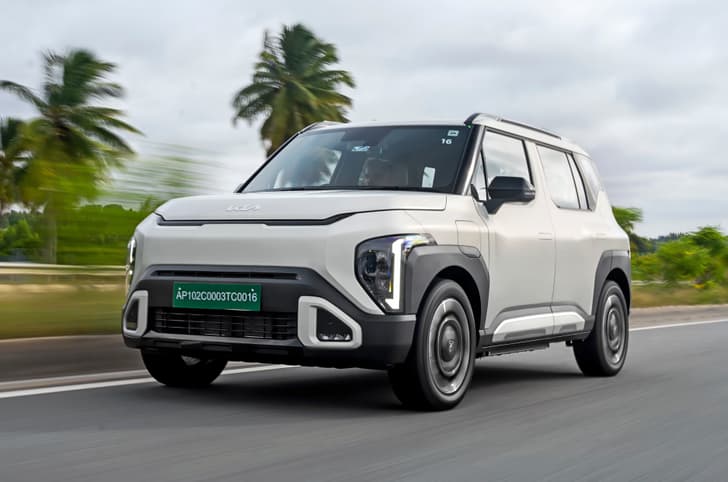
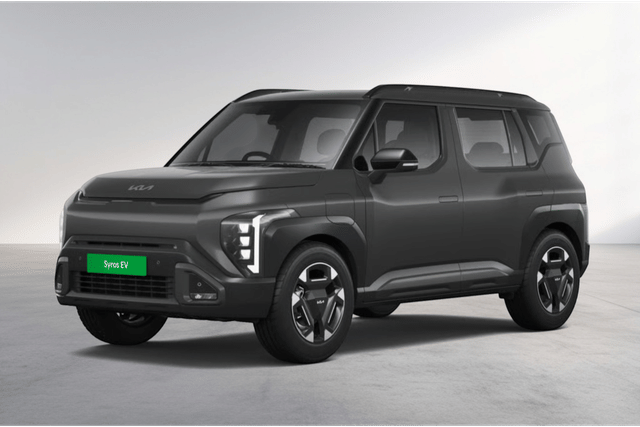
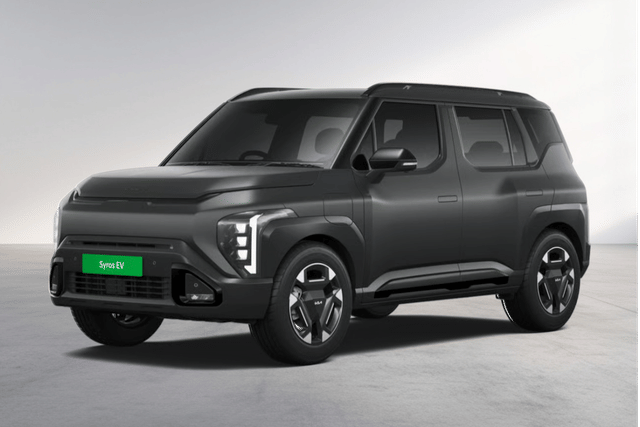
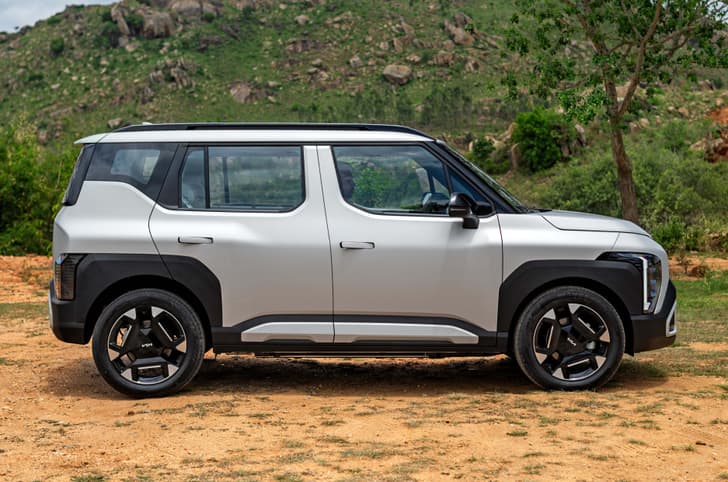
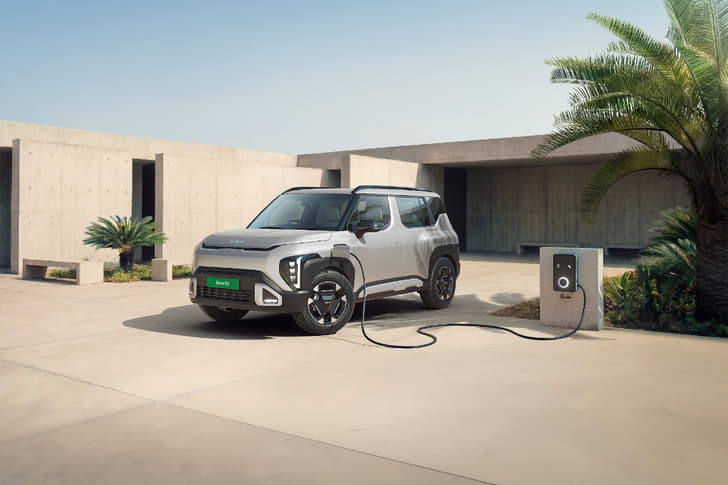
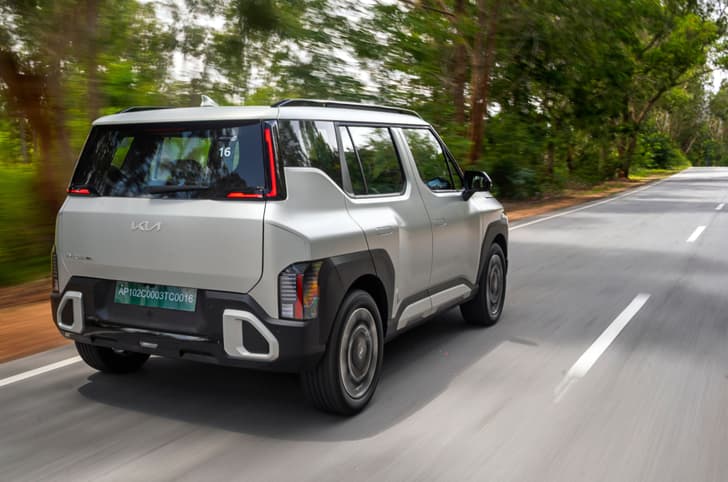
Kia Syros EV price in Kilimanoor
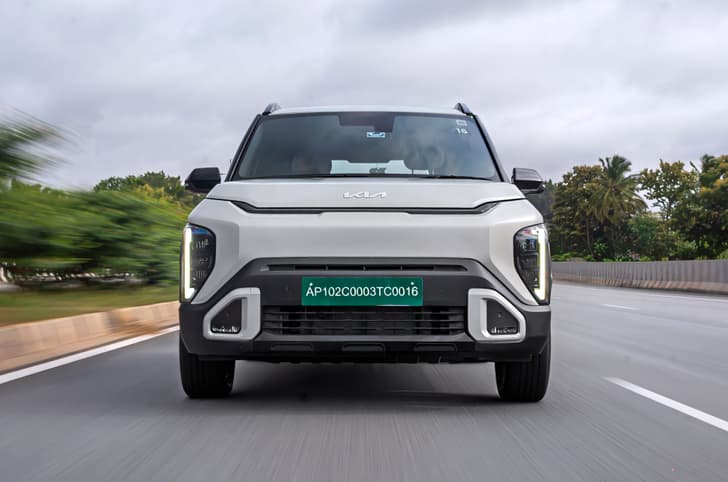
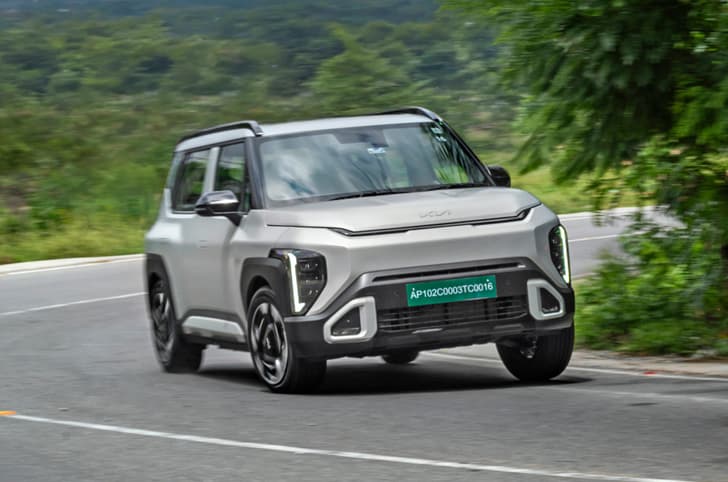
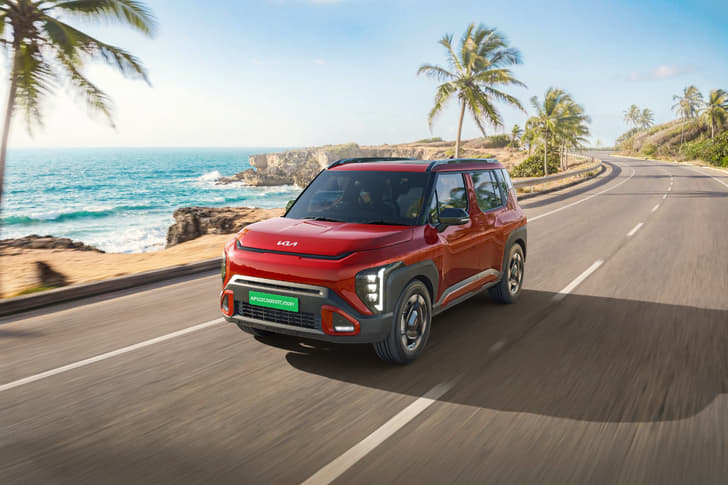
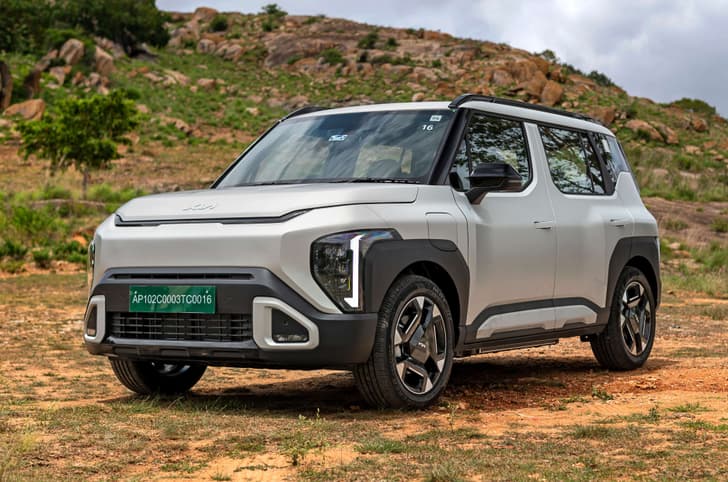
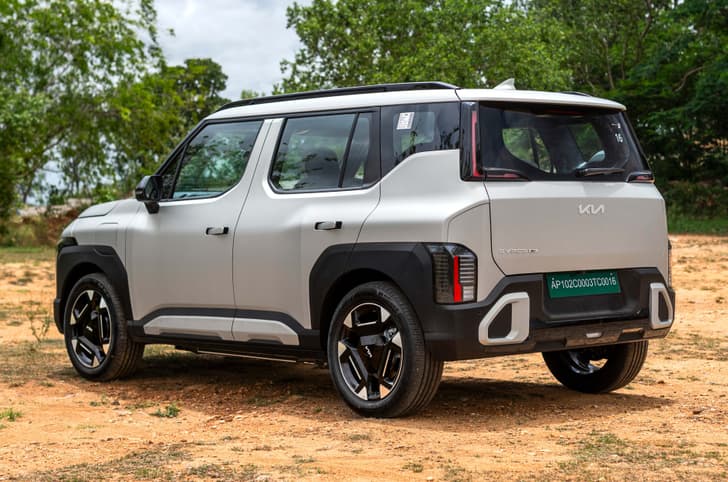
* Estimated on-road price. Final amount may vary.
* Estimated on-road price. Final amount may vary.
* Estimated on-road price. Final amount may vary.
* Estimated on-road price. Final amount may vary.
* Estimated on-road price. Final amount may vary.
* Estimated on-road price. Final amount may vary.
* Estimated on-road price. Final amount may vary.
No dealers available in Kilimanoor
We don't have authorised Kia dealers here

The Kia Syros EV HTK costs ₹15,00,539 on-road in Kilimanoor. At 9.00% interest for 7 years, your estimated EMI is ₹21,729 per month.
Tell us about your experience
Kia Syros EV Official Brochure
Download the complete brochure with specs, features, and variants.

Hear from the
Get answers from Autocar experts and owners
I'm planning to buy a new car for daily use (we already have a Ciaz diesel at home), and I've been going back and forth for a while, so I'd really appreciate some expert opinions. I started with the Brezza, then widened it to the Nexon, XUV 3XO and a few others. My running is high, about 20,000 km (In total, 2 cars) a year (well over 15,000 km at the least), so I figured a diesel makes more sense than petrol. I liked the 3XO MX2 diesel the most. If I go ICE, it will be a manual only. Now the Kia Syros EV is on my shortlist too. On-road prices as I see them: 3XO MX2 about Rs 11 lakh, Syros EV about Rs 15 lakh, so a Rs 4 lakh gap. My rough numbers: - 3XO diesel at around 18 km/l and about Rs 98/litre works out to roughly Rs 1.09 lakh a year in fuel. - Syros EV charged at home (42 kWh pack, 320 km claimed, maybe 250 km in real life) works out to roughly Rs 30,000 a year in electricity. - Including lower servicing for the EV, I'm getting a payback of about 4.5 to 5 years. I'm also considering a home solar plant (about Rs 2.25 lakh). Other points: I can charge at home every day, and I rarely do trips above 300 km (and the Ciaz is there for any long trips). I also hear the Hyundai HE1i is coming around the end of this year or early next year, so I'm wondering whether to wait for it. So, what would you do? Is the Syros EV worth the extra Rs 4 lakh at this running, or should I stick to the 3XO diesel? Anything I'm missing, like battery warranty, resale value, or real-world range and service experience? Thanks in advance!

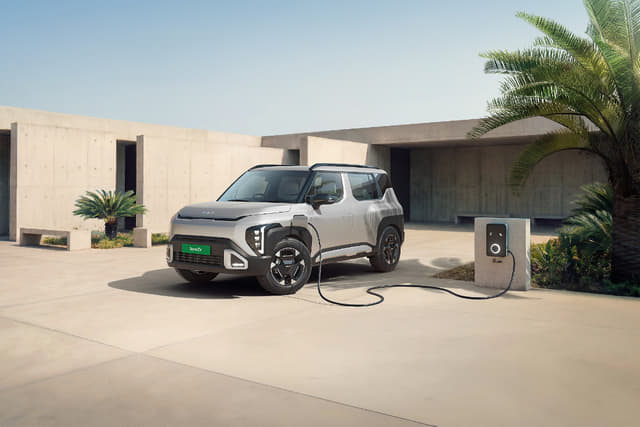
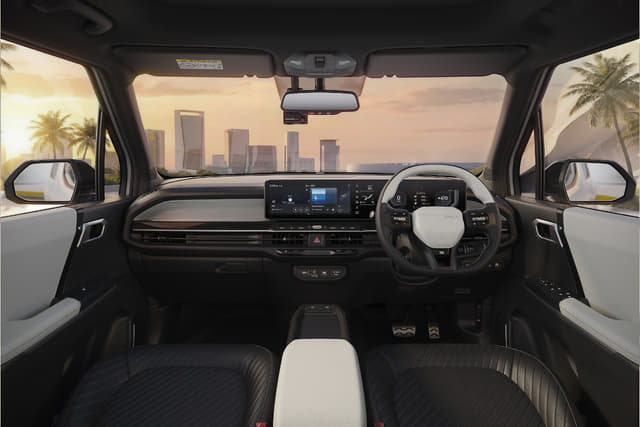
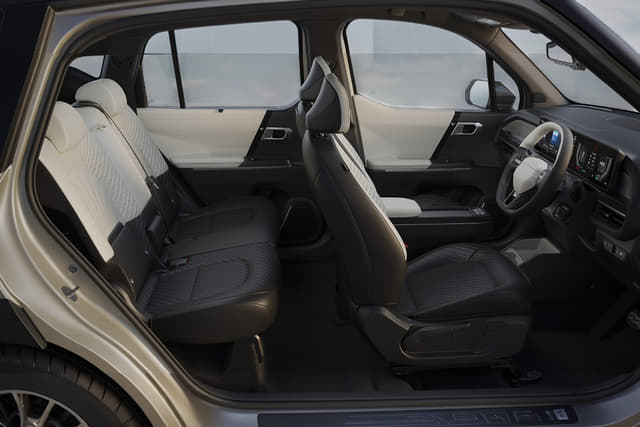
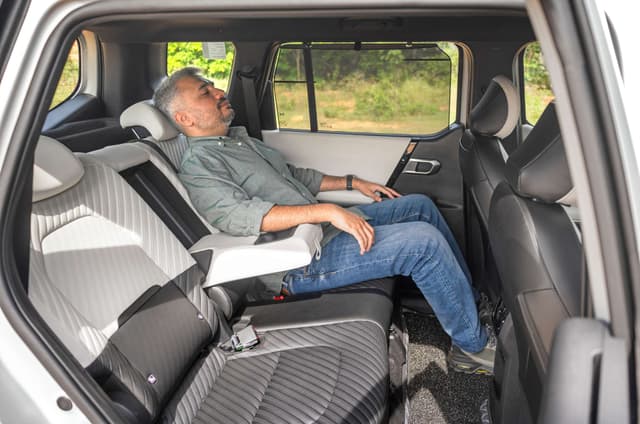
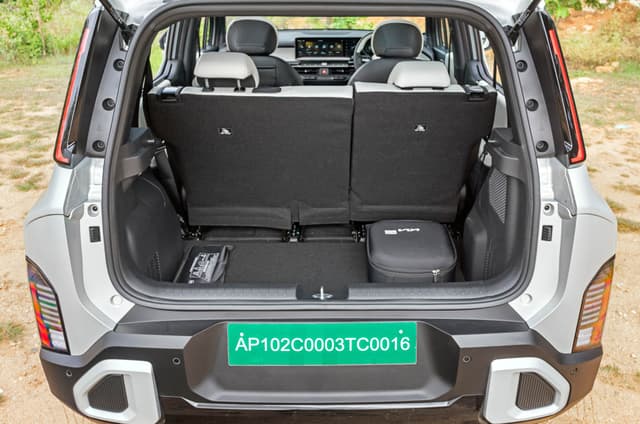
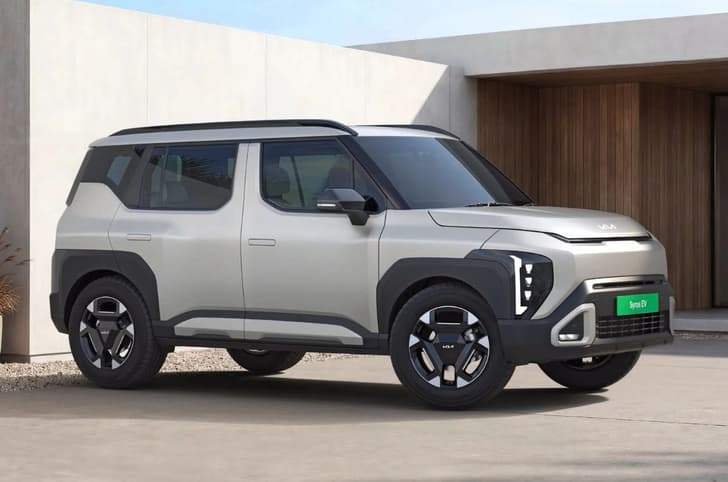
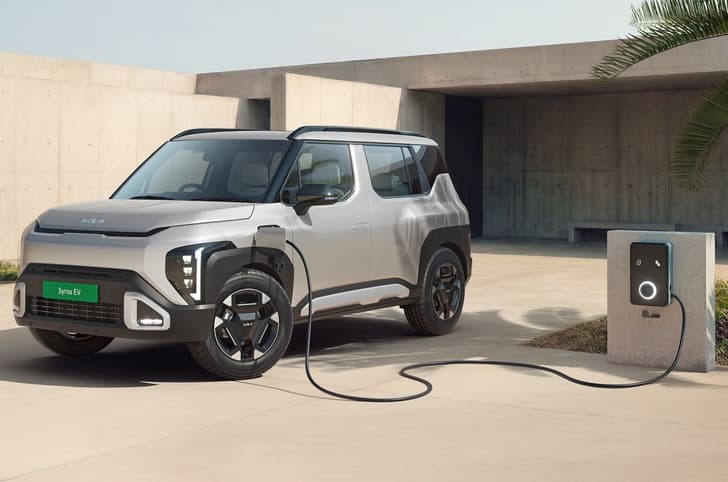
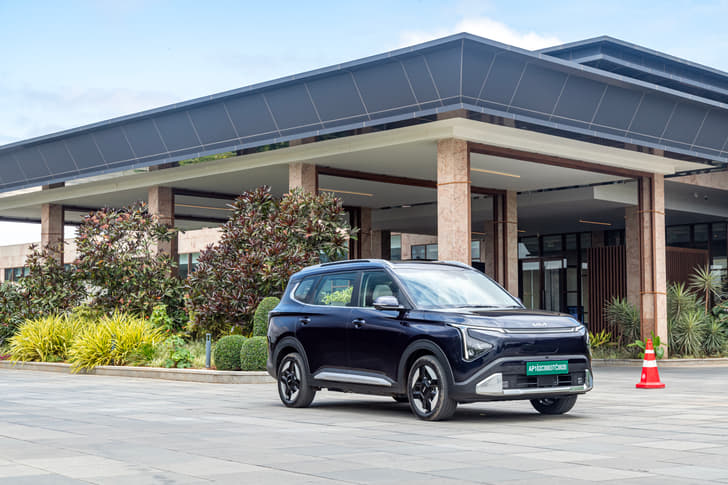
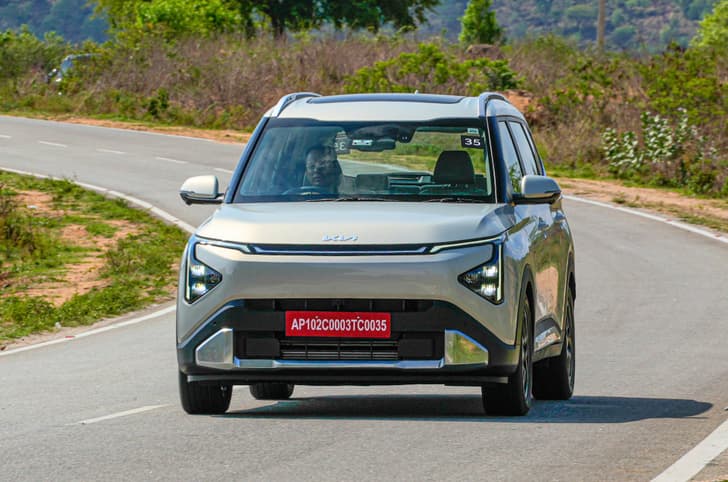
Of the cars on your shortlist, the Kia Syros EV would be the one we'd recommend. It feels superior to the Mahindra XUV 3XO in many ways. For starters, it feels significantly airier inside, offers more luggage space and just feels newer with better-executed tech. The ability to charge at home significantly moves the scale in favour of the Syros EV. Your electricity and charging costs would be negligible, particularly with a home solar plant. While the 42 kWh battery pack version will not be ideal for 300km road trips, a charging stop will give you the range you need. Where the Syros EV excels is as a city car with an ease of use and refinement that the Mahindra can't match.Kia has also gone the distance with assured buybacks and a warranty on the battery pack, so you can go ahead with your purchase with an added degree of comfort. Hyundai will bring out a new electric car next year, and it could be worth the wait if you're not in a pressing hurry for a new car. As things stand, however, the Kia Syros EV is a sensible pick for your requirements.
 Kia Syros EVMahindra XUV 3XO
Hi Autocar Team, I'm looking for some guidance on whether I've made the right decision or whether I should reconsider before delivery. My current car is Toyota Etios Liva V Petrol, which has been extremely reliable but now it delivers only around 10-12 kpl for my usage. This results in high running costs. My monthly driving is approximately 1,200-1,500 km that consists of daily commute and occasional highway trips. My initial plan was to keep costs under control and I had booked the Tata Punch EV Empowered+ 40 kWh, largely to restrict my budget to around Rs. 15 lakh on-road. However, while researching alternatives up to approximately Rs. 20 lakh ex-showroom in Kerala, I ended up booking the Kia Syros EV X-Line. The Syros EV appeals to me because of significantly better rear-seat space and cabin width as compared to my Etios Liva, more premium interior and features, better long-term family comfort, larger battery and range as well as better overall sense of upgrade from my current car. However, I'm still feeling anxious about whether I'm overspending. The jump in EMI from the Punch EV to the Syros EV is substantial and will have a noticeable impact on my monthly finances. While I can manage it, I want to be sure that the additional expenditure is genuinely justified and not merely an emotional decision. Based on my monthly running of 1,200-1,500 km, could you please advise if the Syros EV worth the additional cost over the Punch EV 40 kWh? From a value-for-money perspective, would you proceed with the Syros EV or step back to the Punch EV? Are there any other EVs under Rs. 20 lakh ex-showroom that I should seriously consider instead? I am not interested in the MG Windsor EV due to its styling, so alternatives apart from the Windsor would be appreciated. If you were in my position and were planning to keep the vehicle for 8-10 years, which option would you choose and why? Looking forward to your expert opinion.
You have made a sensible shortlist and your thinking is on the right track. The key question here is whether the Syros EV's higher cost is justified by your usage and priorities. At 1,200-1,500 km a month, an EV makes strong financial sense, but the Punch EV 40 kWh already delivers a very low running cost and a usable real-world range. The Syros EV's larger battery and longer range are nice to have, but the real justification for the extra spend is the significantly larger cabin, wider rear seat and more premium interior, which will make a meaningful difference to family comfort over an 8-10 year ownership period.If your primary concern is value for money and keeping EMIs under control, the Punch EV 40 kWh is the more rational choice. It will do the job well and keep your running costs low. However, if you are looking for a genuine upgrade from the Etios Liva and want a car that will feel comfortable and premium for the long term, the Syros EV is worth the extra spend. It is not just an emotional decision - the additional space and comfort will matter over time.Given your usage and ownership horizon, we would lean towards the Syros EV X-Line. It strikes a better balance between running cost savings and long-term comfort, and it feels like a proper step up from your current car. If you are not comfortable with the EMI jump, the Punch EV remains a very good alternative, but the Syros EV is the more complete upgrade.
Kia Syros EVTata Punch EVHi team! 🙋 Hope you are having a good day. Wanted your help in reaching an informed decision. I'm getting a used 45K Run 2024 Curvv EV Empowered+ A 55 for 16.5L . Do you think it is an okay price? I haven't negotiated yet. What will I be missing in comparison to the new SeriesX? Is the backseat of the old model comfortable for long journeys? I heard there were some complaints before n they improved it in the new one. Was there anything else bad apart from the headroom before, and how bad was it anyway, if tall passenger won't be sitting at the back? Also r there any known issues? What should I double check before buying one used? Or should I wait n buy a new Syros EV instead? Really appreciate your work in helping us out. Thanks in advance.
I am looking to upgrade from my 2014 Maruti Suzuki Wagon R (approx. 68,000 km) to a top-variant automatic petrol or electric vehicle for daily city commuting in Hyderabad. Over 95% of my driving is in bumper-to-bumper traffic and at average speeds under 50 km/h within the city, with a relatively low annual running of around 7,000 km per year. I am currently considering the top-end variants of the Tata Nexon EV, Mahindra XUV 3XO EV, and Maruti Suzuki Brezza AT (petrol), with an ideal on-road budget of around Rs. 16-18 lakhs. Prioritising smooth low-speed drivability, a 360-degree camera, ride comfort, and hassle-free long-term ownership, which of these would be the best fit? I am also open to any other strong contenders in this segment.
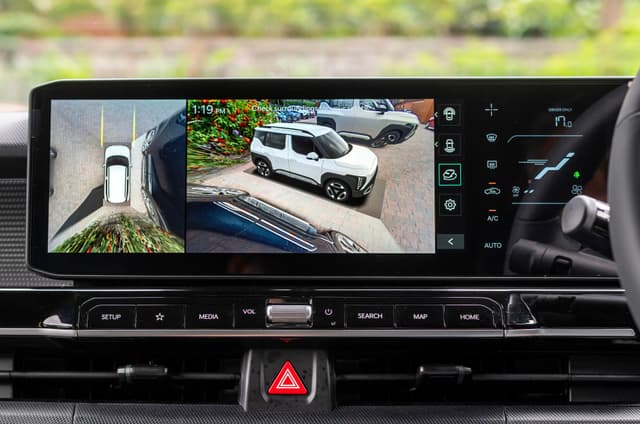
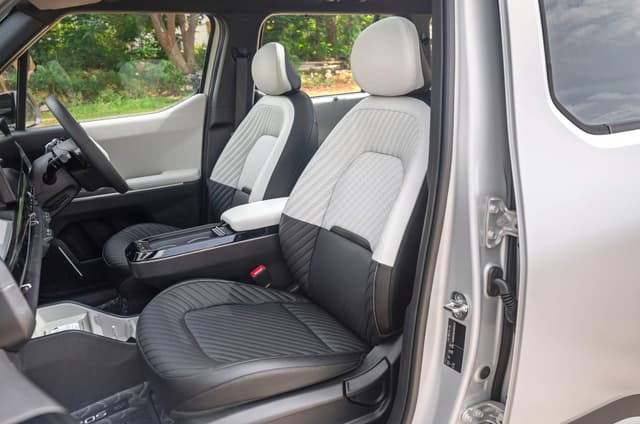
For your kind of driving, the Kia Syros EV would be the ideal fit. Like other electric cars, the Syros EV offers a very smooth driving experience, and its refinement is very good. What distinguishes the Kia Syros EV is its exceptional cabin space and high-quality interior ambience. Ride comfort is also a highlight, with good bump absorption being significantly better than what the ICE Syros versions deliver. For your kind of running the 42kWh battery pack versions are sufficient and will deliver the range you require. Kia's EVs are also known to be absolutely hassle-free without the odd electronic or electrical glitch that plagues many other EVs.The only catch is that no version of the Syros EV with the 42 kWh battery pack gets a 360-degree camera. If that is a deal breaker for you, you should look at the Tata Nexon EV 45kWh or the MG Windsor EV.
Kia Syros EVTata Nexon EVMG WindsorHi, my family and I have been using a Wagon R since 2009, and we recently bought an Innova Crysta in 2022 for highway runs. We are planning to replace the Wagon R, primarily for city runabouts. I particularly like the headroom it offers, as I am 6'2" tall, along with its excellent all-round visibility. Will the upcoming facelift offer a CNG-AMT combination similar to the recently launched Dzire and Baleno? We are looking for a cost-effective city car, as our daily running is over 100km. We also checked the Dzire, but I found it to be a little tight. Would it be worth waiting for the upcoming Hyundai EV? My father is keen on switching to an electric car, and we have dedicated home charging facilities. What price range can we expect it to be positioned in?
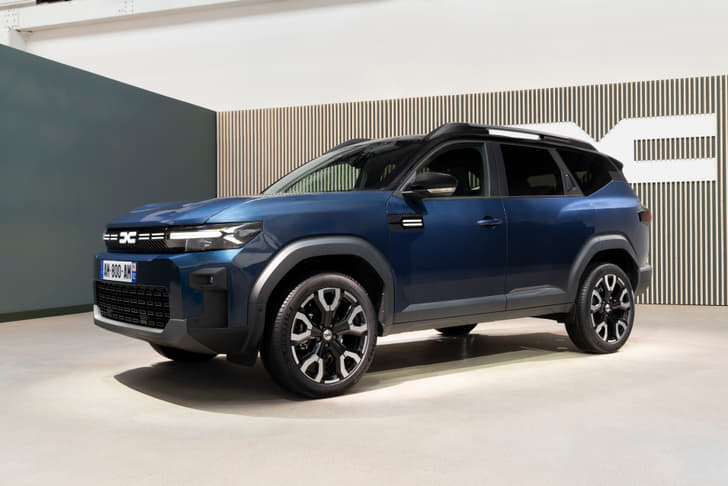
The facelift Maruti Suzuki Wagon R has been spotted testing and is expected to get a dual-cylinder CNG tank setup. The 1.0-litre engine will likely be retained, while the larger 1.2-litre K-series engine could be replaced by the Z-series unit, as seen in the Baleno. A CNG-AMT combination is also possible, although this hasn't been confirmed yet.An EV could be the perfect fit for your needs, given your long city commute and the fact that you can charge at home. Even an entry-level electric car offers a much better automatic driving experience than an AMT, which can be slow to shift and hesitant at times.The Hyundai Ioniq P is expected to launch early next year and will compete with the Tata Nexon EV and Kia Syros EV. It is likely to be priced in a similar ballpark, at around Rs. 13-18 lakh. If you can't wait, the Syros EV is also a solid fit for your needs, with one of the roomiest interiors in the segment. If both these options stretch your budget, the Tata Punch EV is an excellent alternative. It offers enough space for your tall frame, while its wide-opening doors make getting in and out very easy.Overall, an EV like the Syros EV or Punch EV would be a great fit for your needs.
Tata Punch EVMaruti Suzuki Wagon RKia Syros EVHyundai Ioniq PTata Nexon EVMaruti Suzuki Baleno| Cities | On road price |
|---|---|
Attingal | ₹15.01 - ₹22.23 Lakh |
Kottarakkara | ₹15.01 - ₹22.23 Lakh |
Thiruvananthapuram | ₹15.01 - ₹22.23 Lakh |
Kollam | ₹15.01 - ₹22.23 Lakh |
Pathanamthitta | ₹15.01 - ₹22.23 Lakh |
Kayamkulam | ₹15.01 - ₹22.23 Lakh |





Last Updated on: 17 Nov 2026
Choose your city dialog content


Where are you buying?
Prices, offers and stock availability vary by city.