Last Updated on: 16 Sep 2026
BMW X1 LWB Expert Review
BMW X1 LWB pros and cons
We like
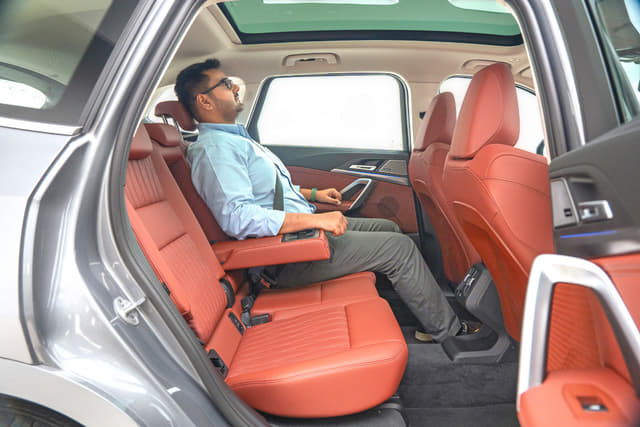
Excellent rear seat space and comfort
Promise of aggressive pricing
We don't like
1.5-litre petrol engine is unexciting
Misses some features
BMW X1 LWB Expert Review
7
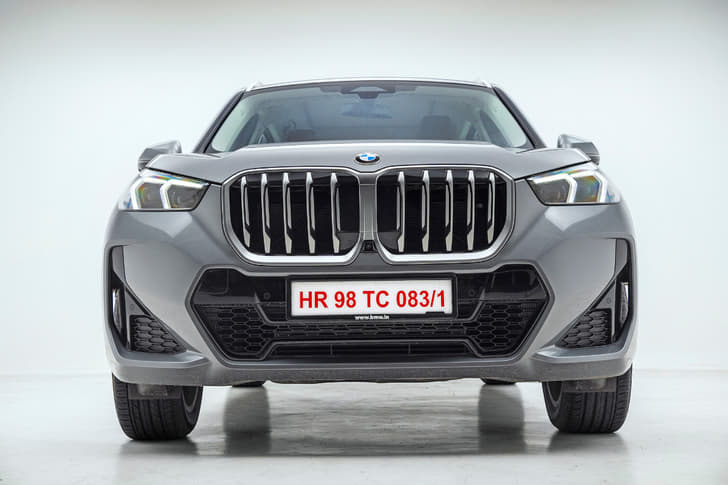
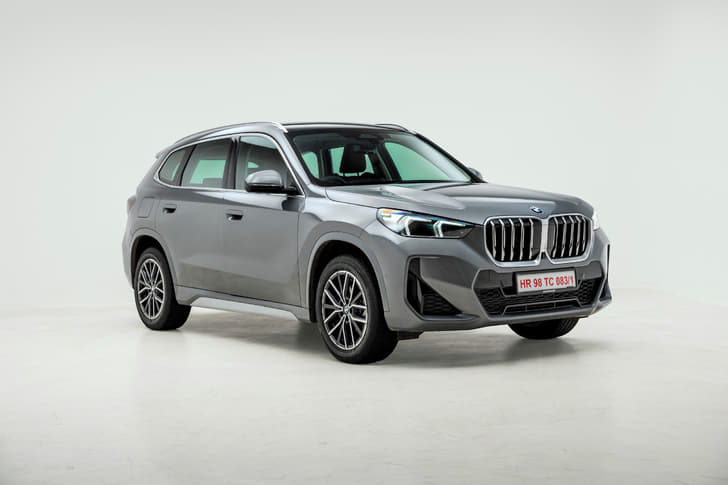
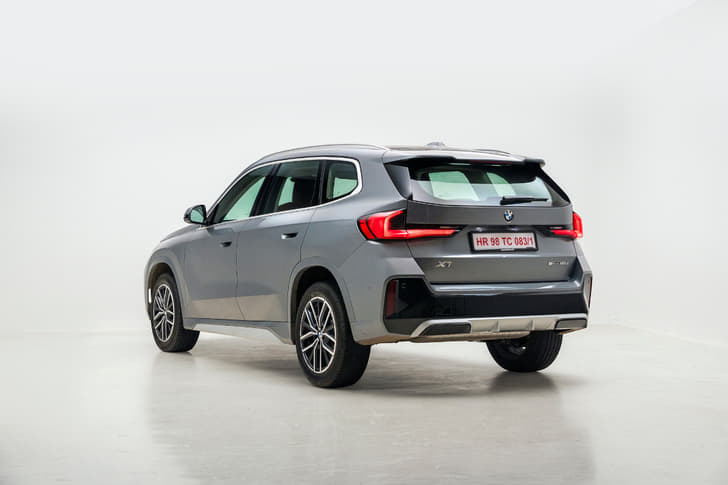
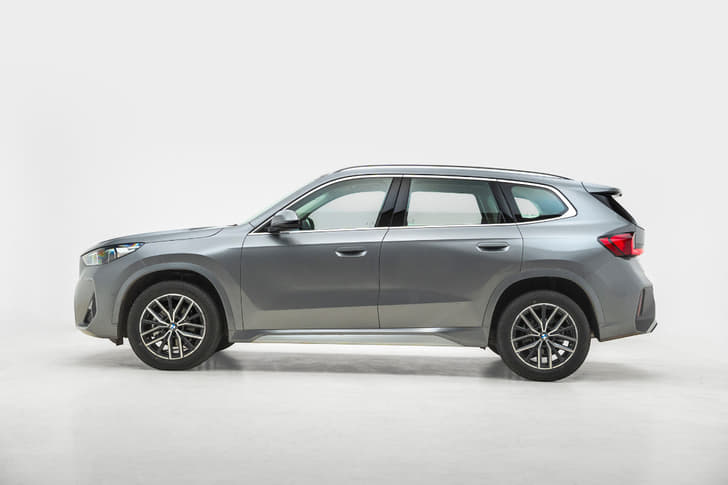
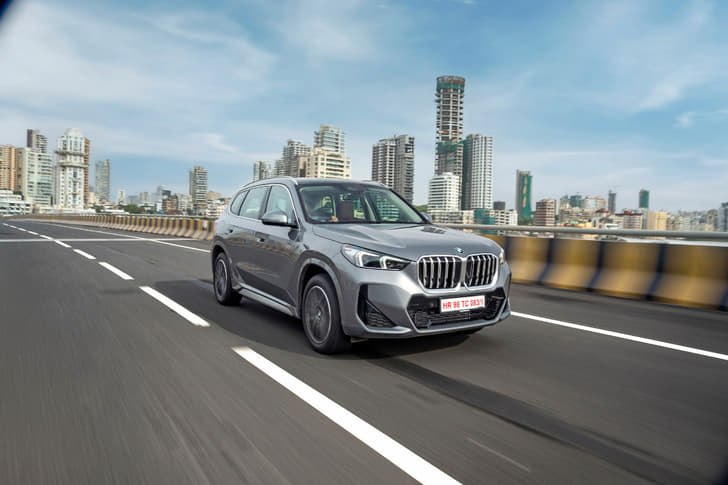
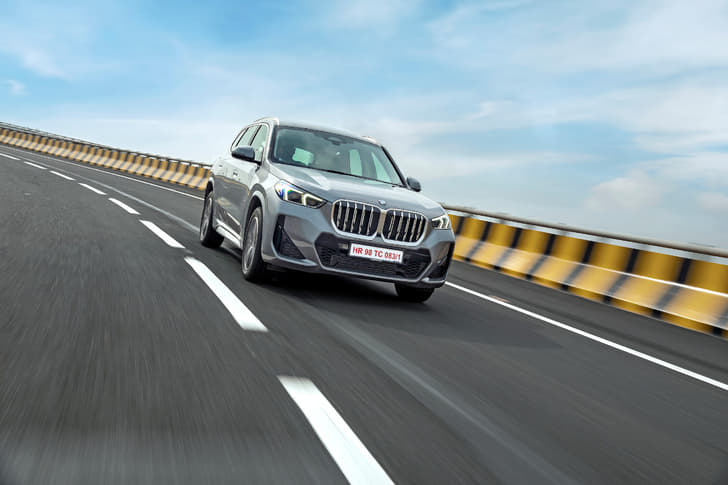
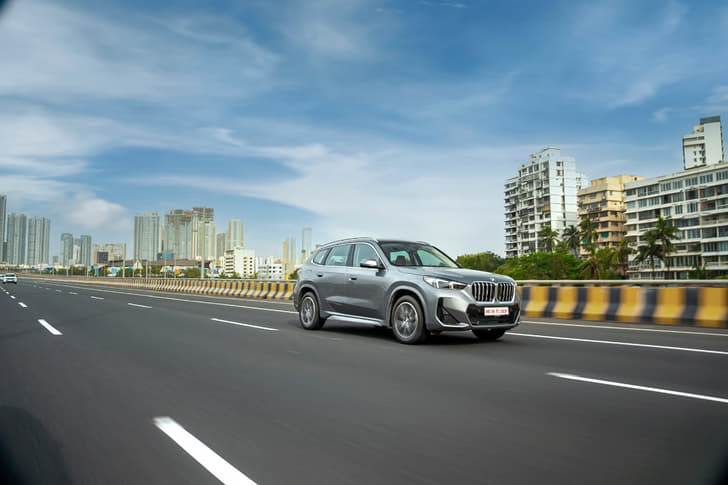
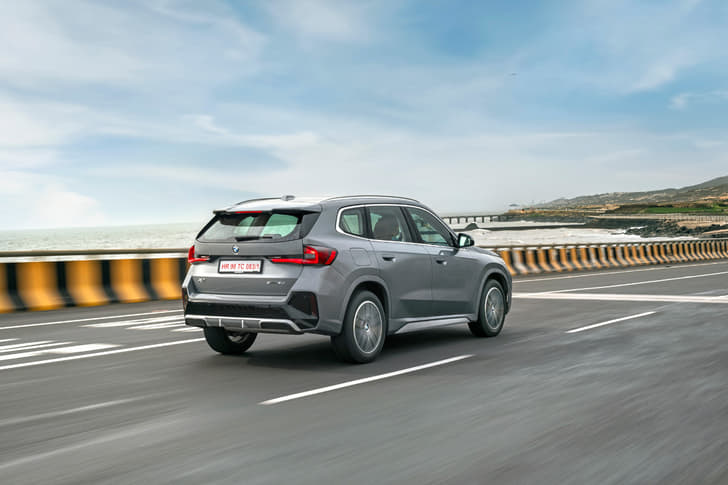
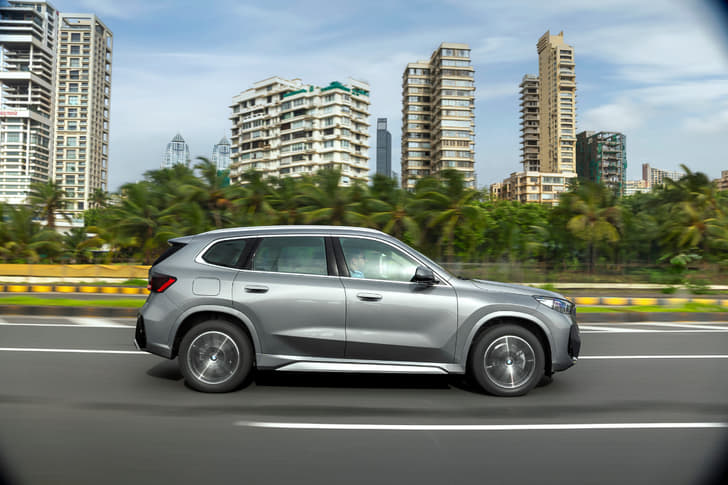
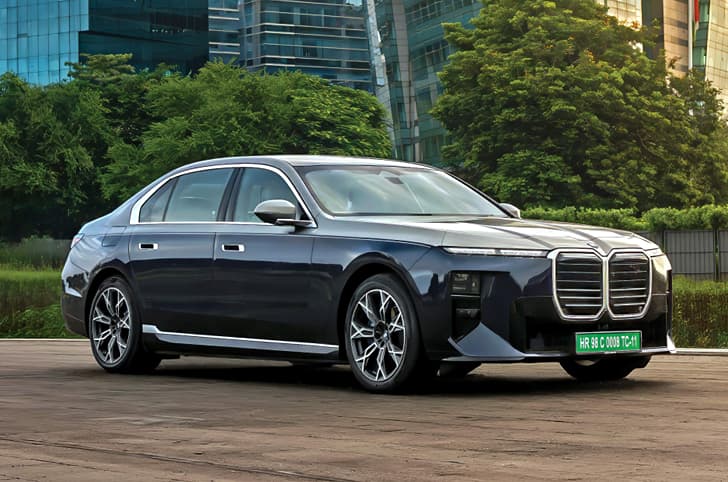
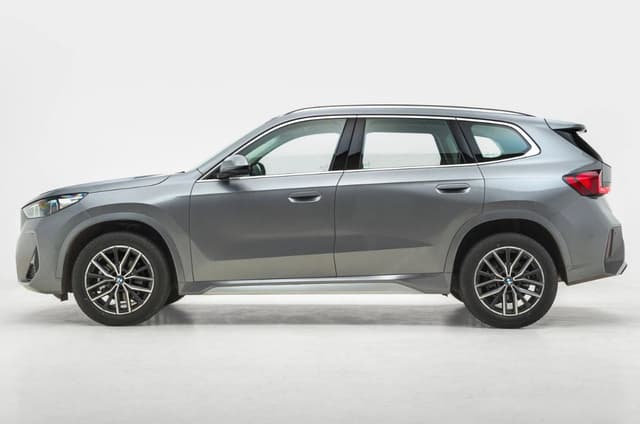
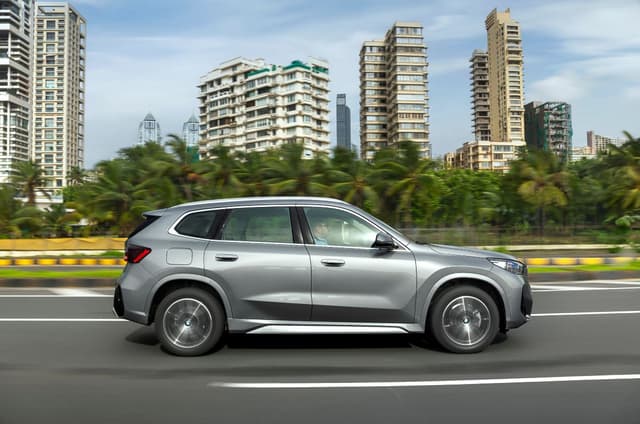
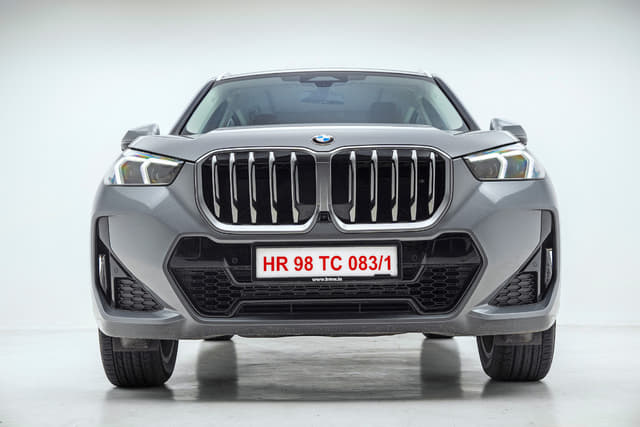
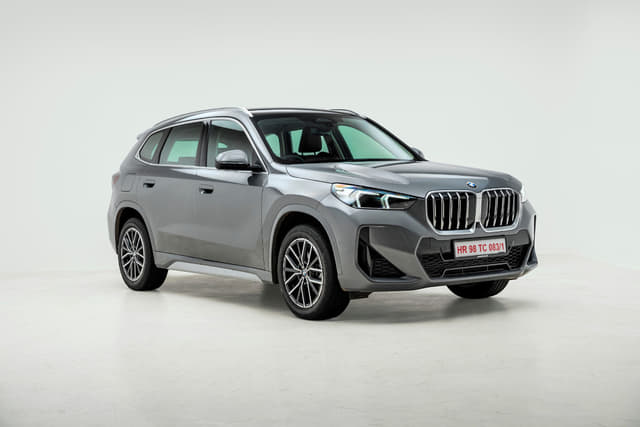
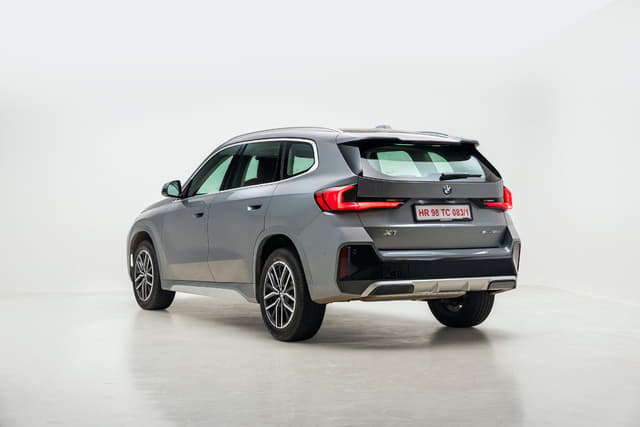
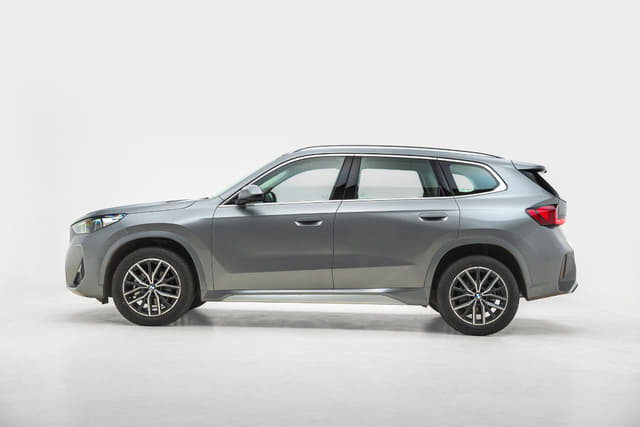
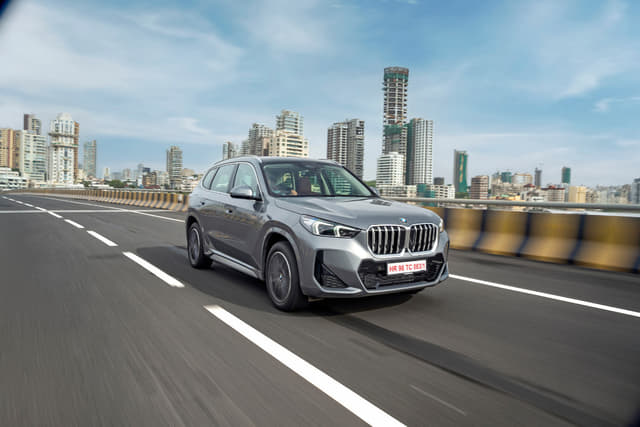
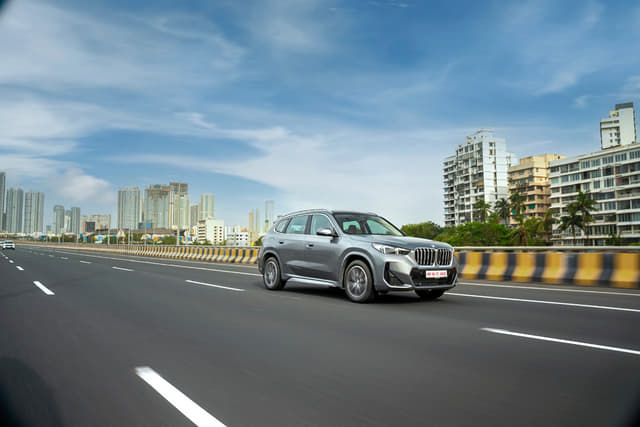
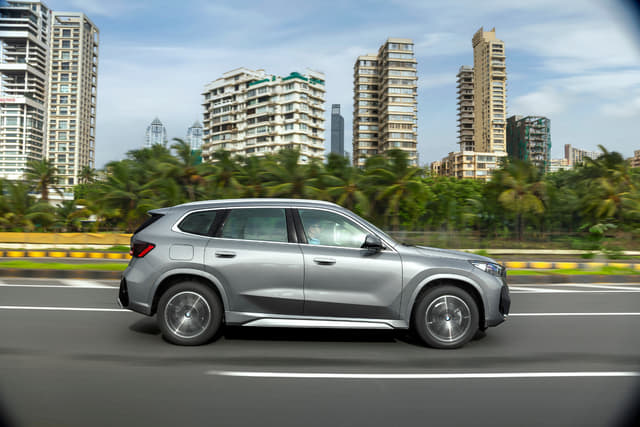
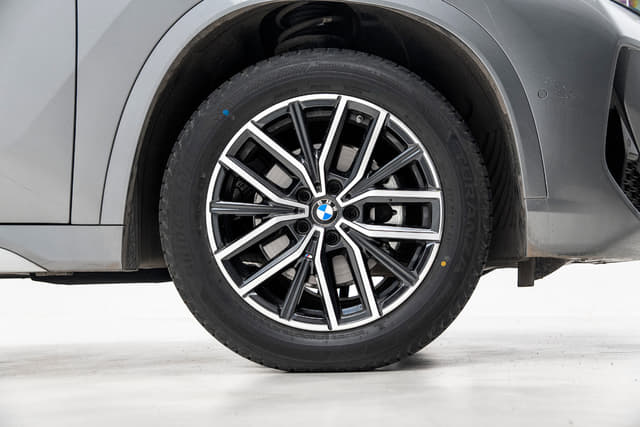
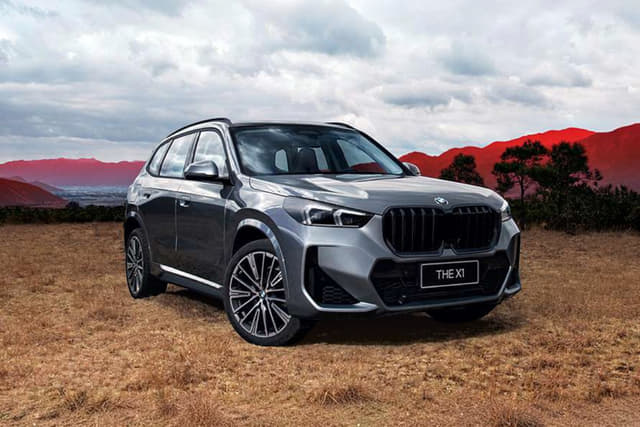
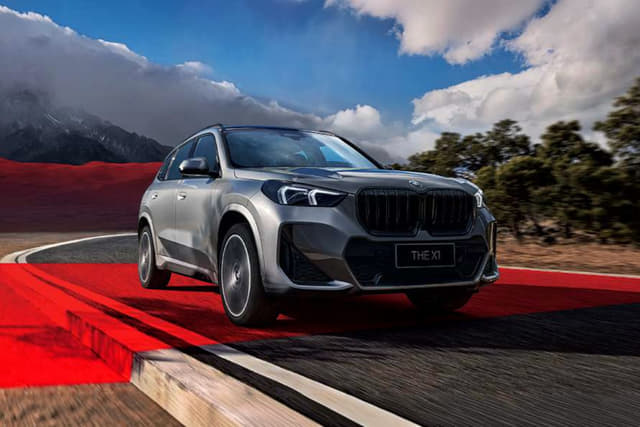
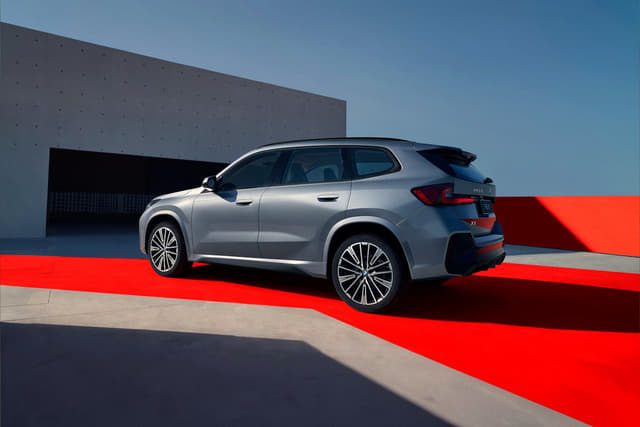
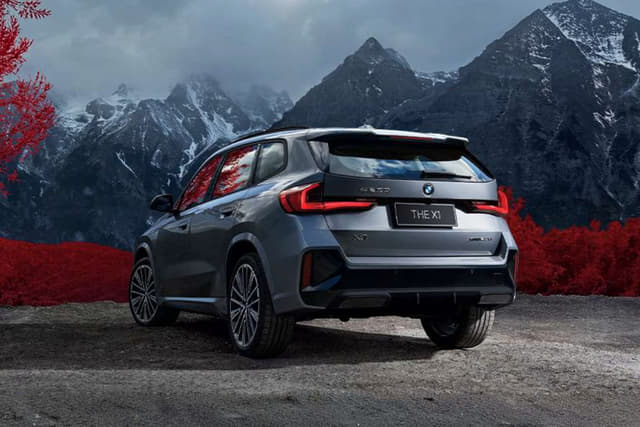
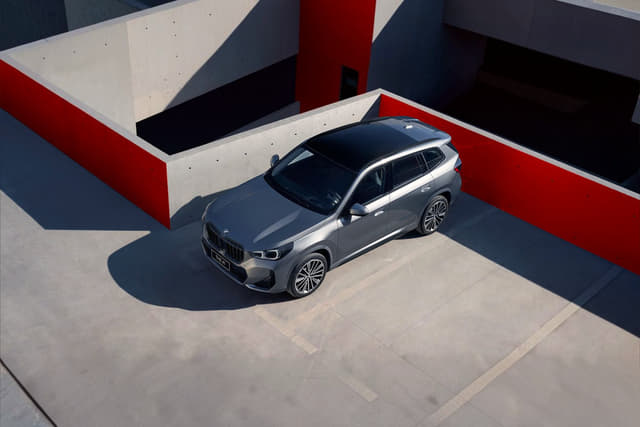
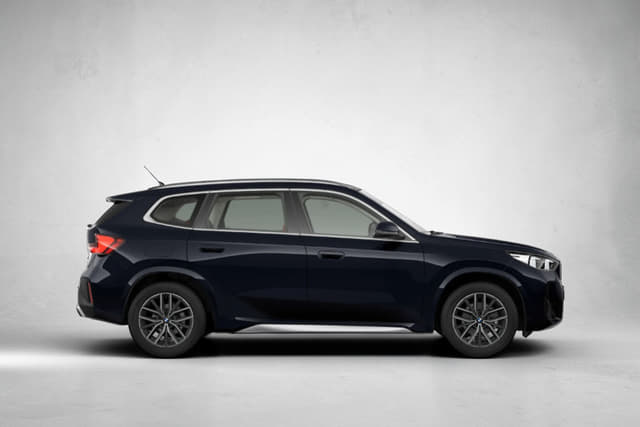
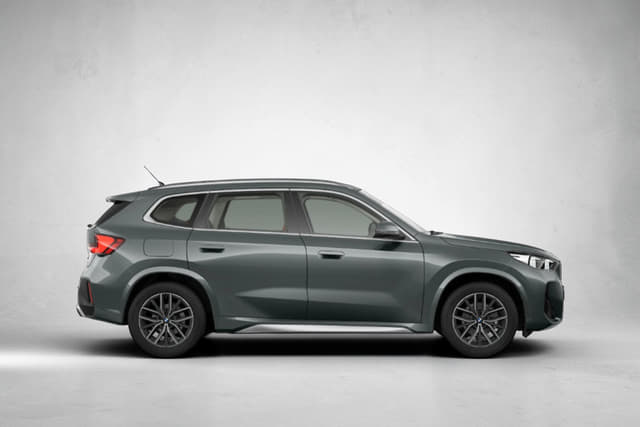
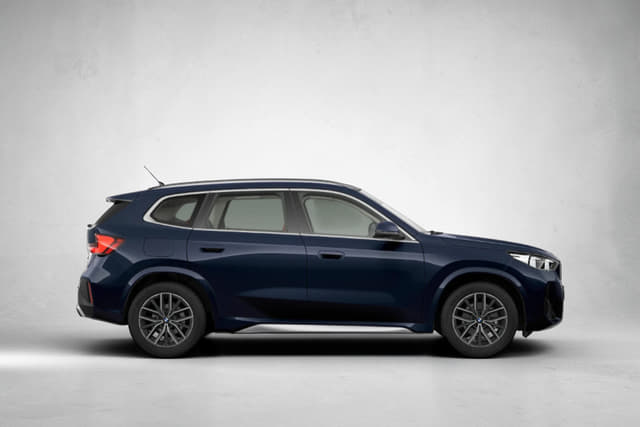
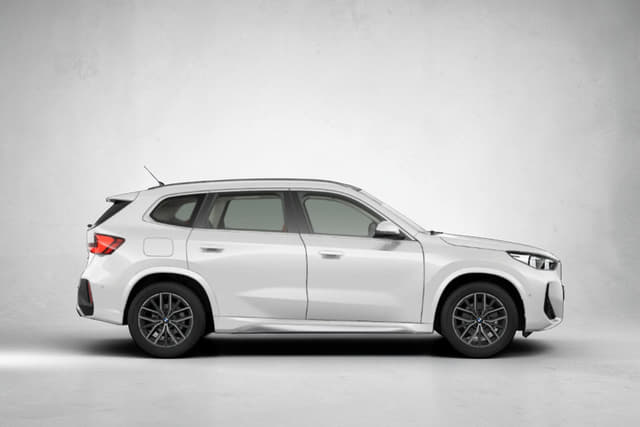
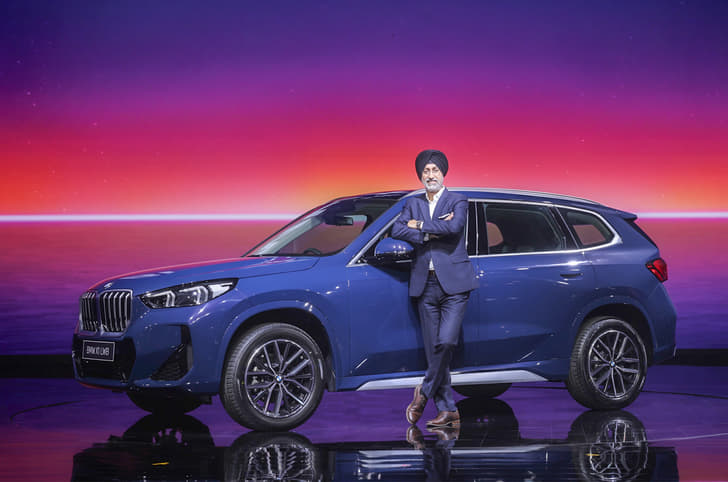
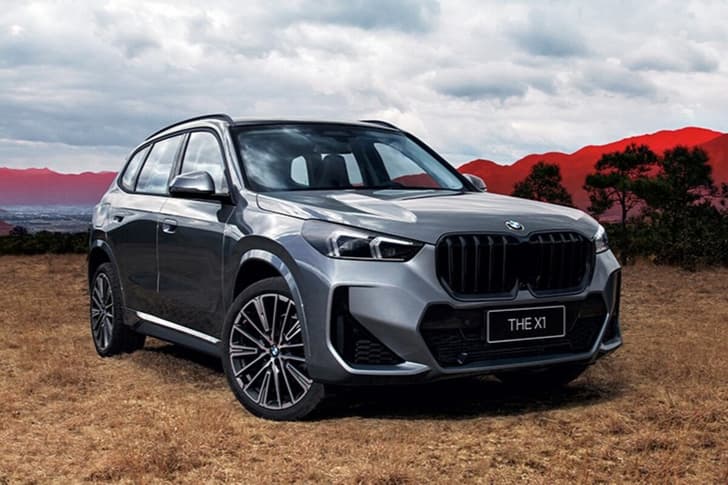
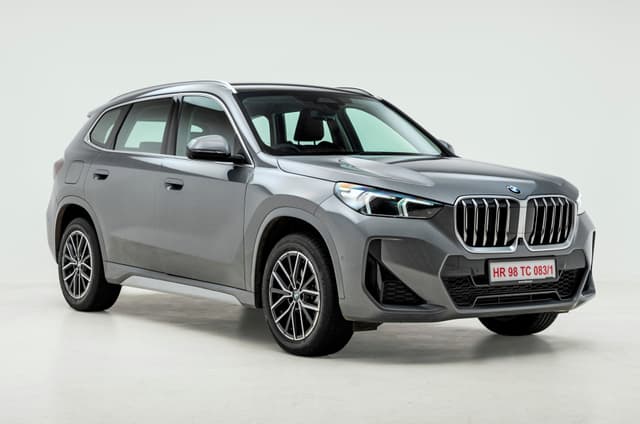
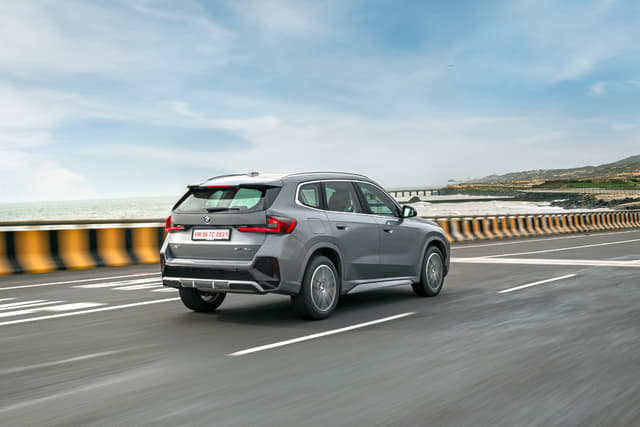
The BMW X1 LWB is overall 116mm longer than the standard X1, with 108mm of that increase added to the wheelbase. Despite the added length, the proportions remain balanced and the long-wheelbase version does not look awkwardly stretched. Visually, it remains very similar to the standard X1, retaining the same peeled-back headlamps, M Sport styling and edgy tail-lights. The 18-inch wheels are also shared with other X1 versions, though a larger or more distinctive design would have enhanced its appearance. A chrome surround for the large windows differentiates it from the standard X1, while the conventional grille sets it apart from the all-electric iX1 LWB.
8
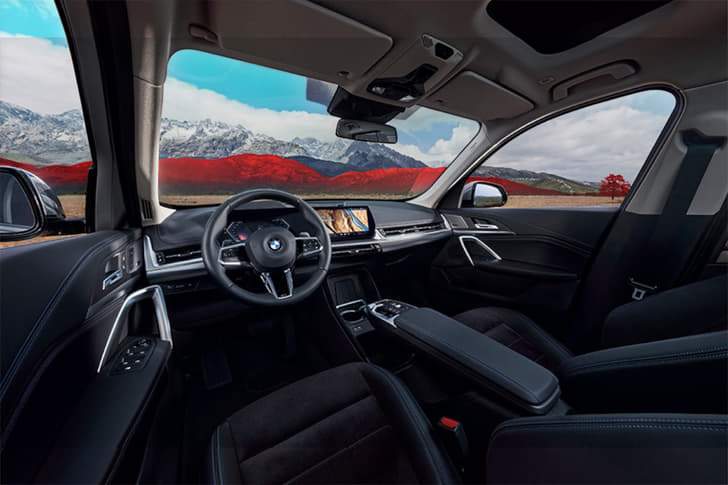
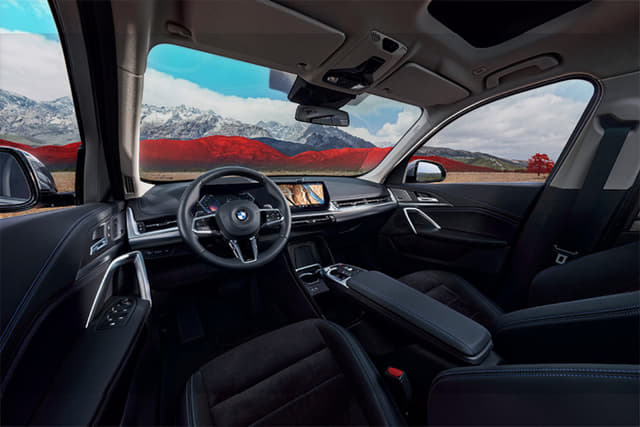
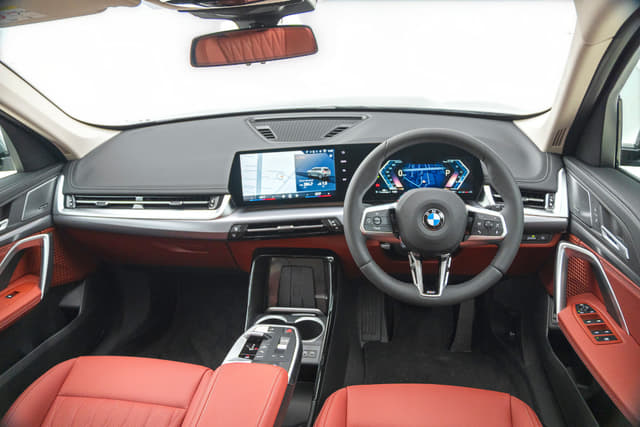
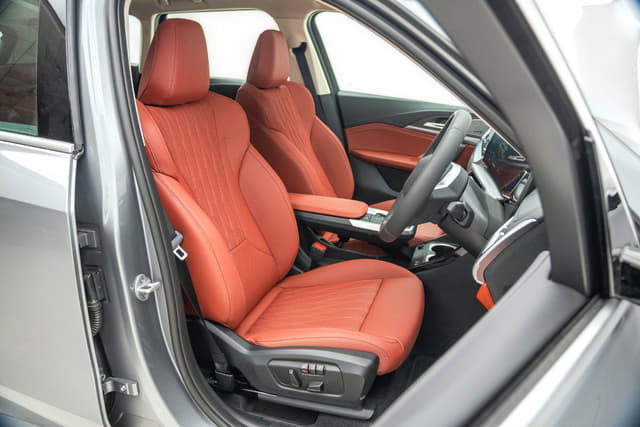
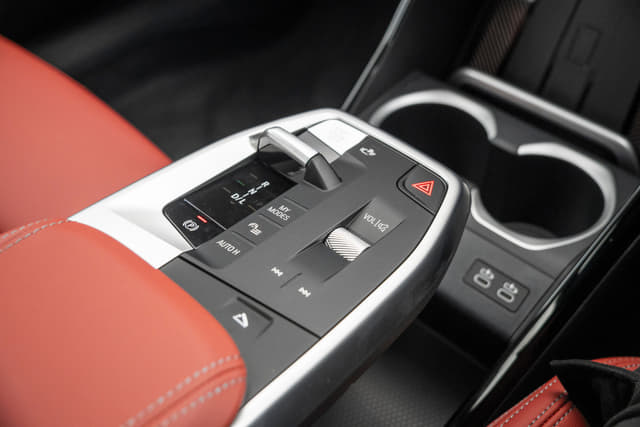
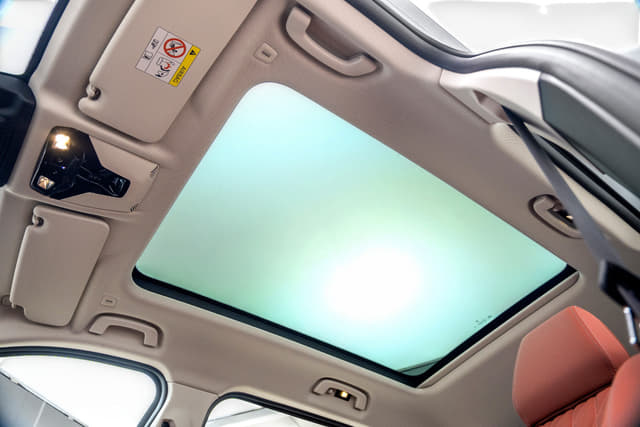
Rear-seat space is the standout feature of the X1 LWB. Wide-opening rear doors and a large aperture make ingress easy, while the extra wheelbase creates generous legroom, even for six-foot passengers. The large glasshouse and panoramic glass roof add to the sense of space. BMW has also improved the rear seat with more cushioning, a 15mm longer seat base for better thigh support, and a reclining backrest. The extra legroom makes the middle seat more usable, although the rear bench remains best suited to two passengers. Up front, the dashboard and floating centre console are carried over from the standard X1. The front seats are supportive, but the long-wheelbase version misses out on seat ventilation and the massage function. Overall cabin quality is good at key touchpoints, though some details fall short of more expensive BMWs. Boot capacity stands at 540 litres and a space-saver spare tyre is provided.
7
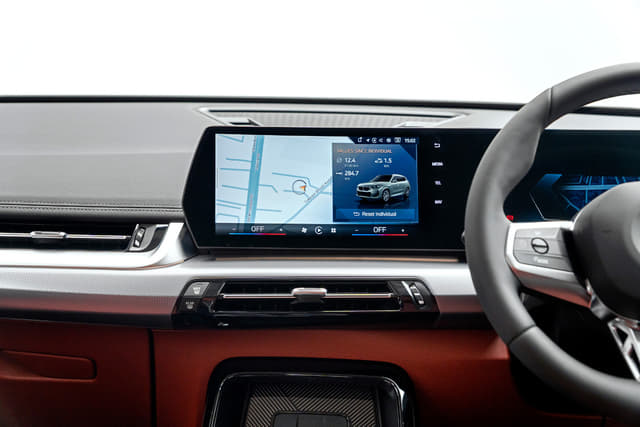
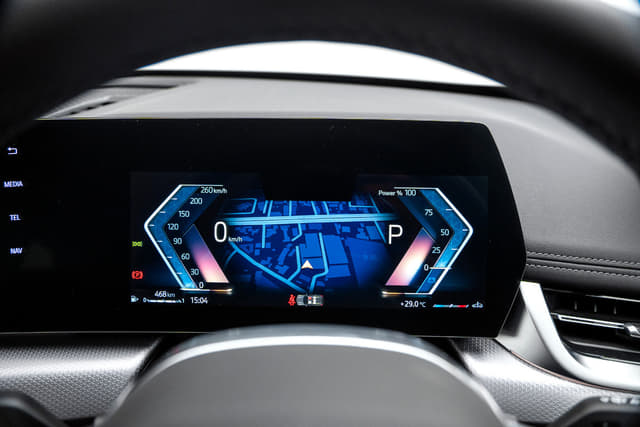
The X1 LWB gets BMW’s Curved Display, combining a 10.25-inch digital instrument cluster with a 10.7-inch touchscreen. The infotainment system is crisp and responsive, although the menu structure can feel complicated while driving because even climate controls are integrated into the screen. A sharp 360-degree camera and Reversing Assistant, which can automatically retrace the car’s path for up to 50 metres, are useful additions. Other features include a digital key, a 12-speaker Harman Kardon sound system, powered front seats and a panoramic glass roof. Rear passengers get dedicated AC vents and a USB Type-C port, although there is no separate rear climate zone. Safety equipment includes eight airbags, ABS, ESC and Isofix mounts, along with ADAS functions such as autonomous emergency braking and lane-departure warning and assist. Adaptive cruise control is not offered.
7
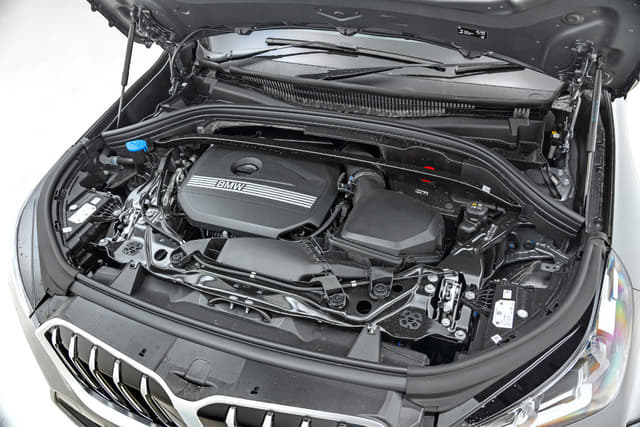
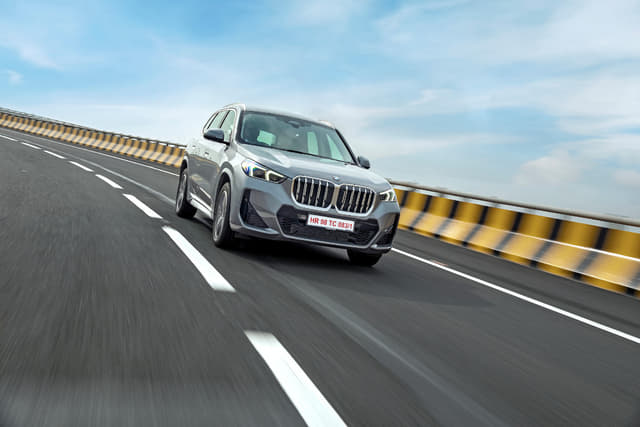
The BMW X1 LWB is offered in sDrive18Li form, powered by a 1.5-litre three-cylinder turbo-petrol engine producing 156 hp and 230 Nm. Power is sent to the front wheels through a 7-speed dual-clutch automatic gearbox. The BMW X1LWB makes it adequate for city driving, but the overall performance still falls short of the sporty character normally associated with BMW. There is enough performance for everyday use, although overtaking can reveal a slight delay in response and the three-cylinder engine becomes more vocal when pushed. A 0-100kph time of 9.58 seconds was recorded during the test. At an easygoing pace, however, engine noise remains well contained, which suits the X1 LWB’s more rear-seat-focused character.
8
The X1 LWB was not subjected to a full fuel-efficiency test, but the smaller three-cylinder turbo-petrol engine is expected to be more efficient than rivals using larger four-cylinder petrol engines. Real-world fuel economy is estimated at around 7-10kmpl in general driving, while highway efficiency is expected to improve to roughly 9-12kmpl.
8
Despite being front-wheel drive, the X1 LWB retains a pleasingly precise steering response and changes direction with a sense of crispness. Steering feel and feedback are good, but the engine does not provide the performance needed to fully complement the chassis, so this is not the X1 for enthusiastic drivers. Ride comfort, meanwhile, is impressive. BMW has tweaked the suspension for the long-wheelbase model, and it absorbs road imperfections quietly and comfortably. There is a mild underlying firmness, but it is noticeable only when specifically looking for it.
8
Priced at Rs 49.90 lakh, the BMW X1 LWB’s biggest strength is the significantly improved rear-seat experience, which gives it a clear advantage in space over rivals such as the Mercedes-Benz GLA and Audi Q3. However, much of its appeal is centred around that rear-seat comfort, while the driving experience is merely adequate rather than exciting. For buyers who prioritise space, comfort and chauffeur-driven usability over outright performance, the X1 LWB makes a compelling case.
Reviewed by: Nikhil Bhatia
BMW X1 LWB reviews

BMW X1 LWB Images
BMW X1 LWB news
Hear from the
Autocar Community
Join the Discussions
Upcoming Cars


BMW Cars


Trending Cars


Latest Cars