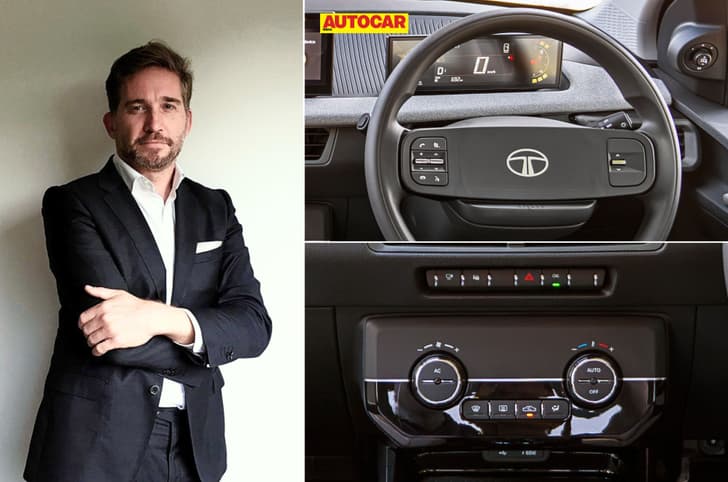
Tata Motors plans to reintroduce more physical controls in future models after receiving customer feedback on touchscreen-heavy cabins. “We did go down the no-button route with a number of our products. But the reality is people do want to have some level of interface, and we’re in the process of introducing it,” said chief design officer Martin Uhlarik.
Currently, all Tata models above the Tiago and Tigor, including the Punch, Nexon, Curvv, Harrier, Safari and Sierra, rely heavily on touch-based interfaces. These include touch-based HVAC controls and haptic steering-wheel buttons.
- Tata plans to retain touchscreens while reintroducing selected physical interfaces
- It says focus will be on fewer but higher-quality physical controls
Tata moving towards a balanced approach
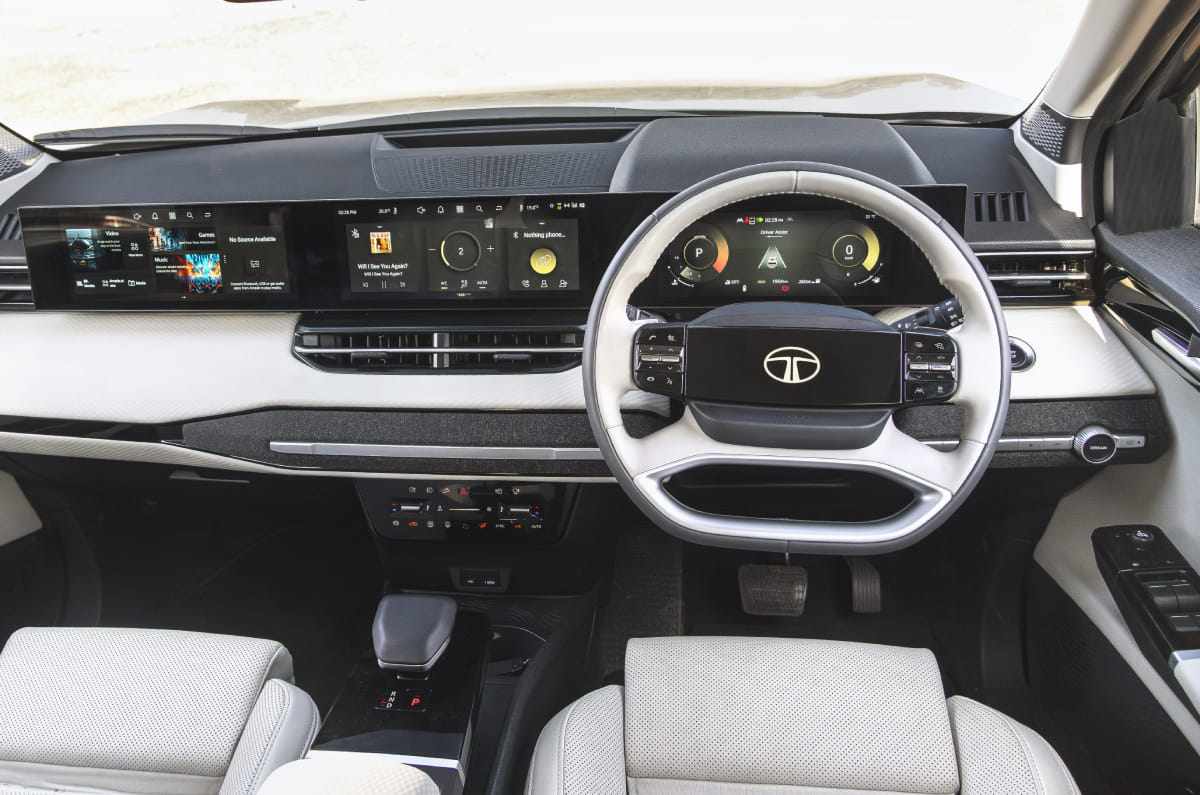
According to Uhlarik, the shift is not about replacing touchscreens with buttons. Instead, Tata plans to use a combination of physical controls and digital interfaces, depending on the function.
“It will be a hybrid,” he said. “The reality is there will be screens, and there will be user interfaces on our vehicles. At the same time, we do want to have some strategic areas where we do a physical interface.”
Focus on usability and tactile feedback
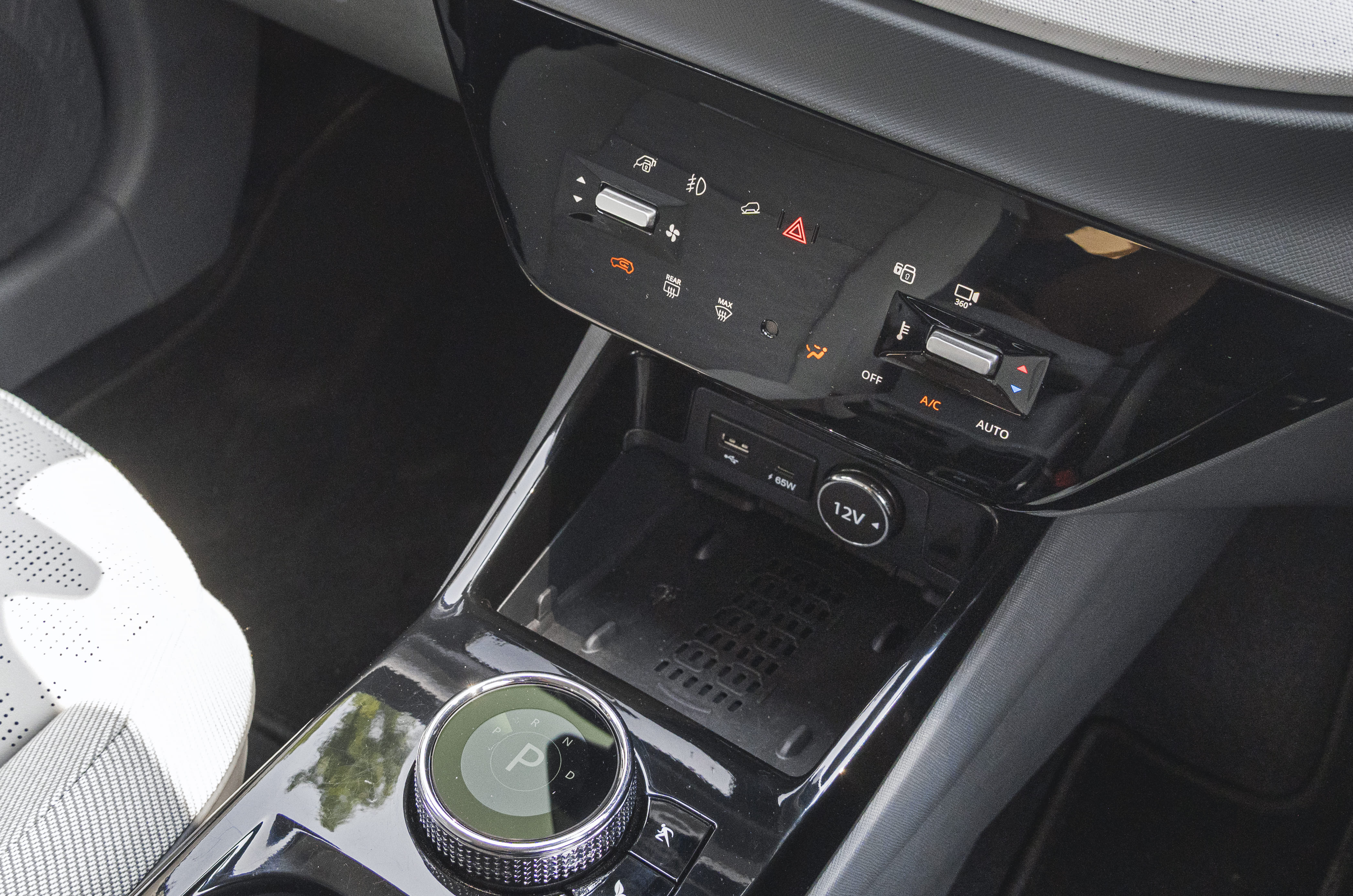
Uhlarik said customer concerns extend beyond ease of use. Physical controls also provide a stronger sense of interaction with the vehicle, particularly as cabins become increasingly digital. “One of the criticisms was that you’re taking away this experience,” he explained. “People like that interplay.”
The design boss noted that well-designed switches can become an important part of the cabin experience rather than simply serving a functional purpose. “A lot of times the switches or the buttons, if they’re done nicely, can become almost a jewellery object,” Uhlarik remarked.
Rather than bringing back physical controls for every function, Tata plans to focus on key touchpoints and improve their quality and feel. “I’d rather not do all buttons. Maybe we’ll do half the buttons, but the buttons will be exceptional.”
Tata’s approach reflects a broader industry trend. Global carmakers such as Volkswagen, Hyundai and Mercedes-Benz also have recently confirmed plans to retain or reintroduce more physical controls, citing customer feedback, ease of use and safety considerations.
 Viraaj Bhatnagar
 Dipan Sur
 Saptarshi Mondal