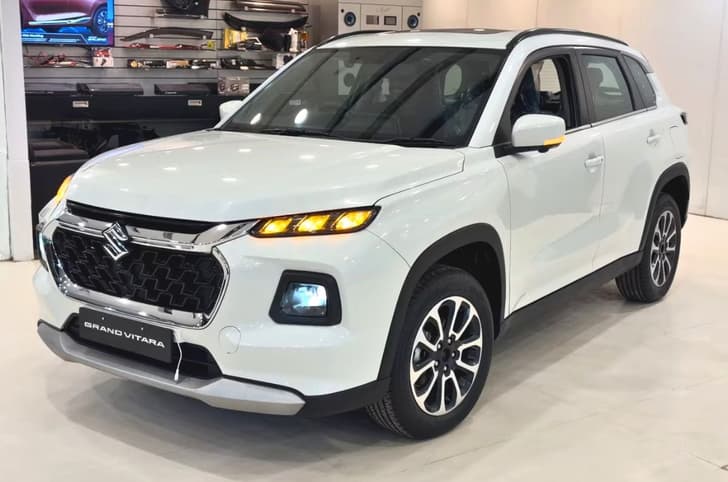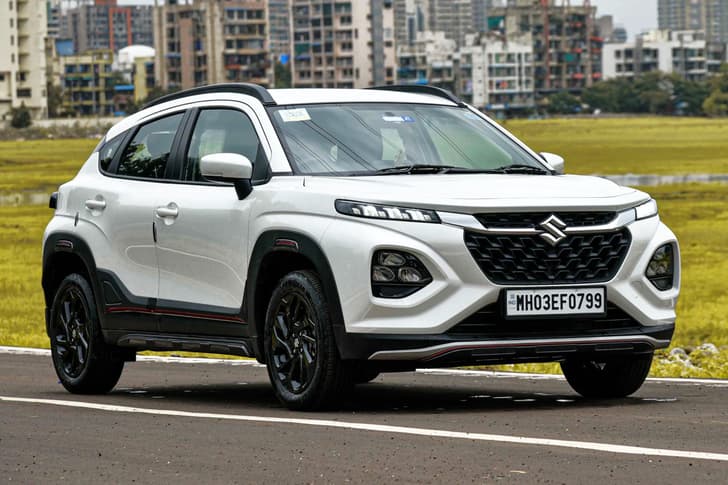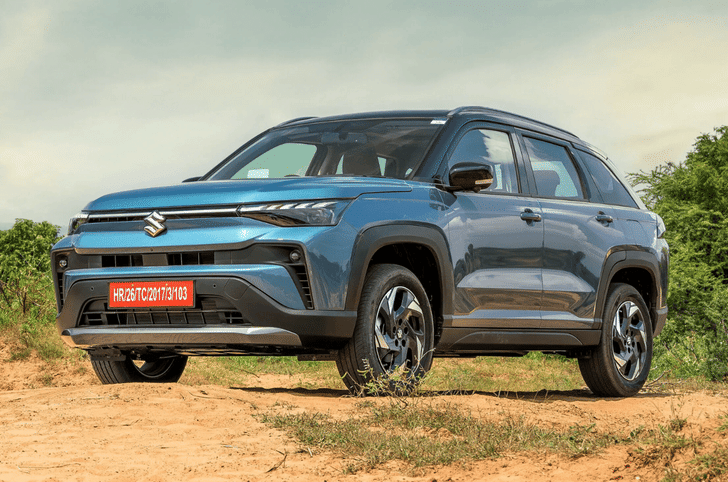
Maruti Suzuki is targeting to cut vehicle development timelines by 25 percent as it prepares for one of the most intensive product rollout programmes in its history, according to sources familiar with the matter. This comes as the carmaker plans to launch nine new models over the next three years, including seven SUVs, to strengthen its position in a market where product cycles are shortening and competition is becoming intense.
- Maruti aims to reduce development timelines from 48 to 36 months
- Company to bank on simulation-led development, AI and machine learning
- Maruti is also looking to optimise its supply chain for better efficiency
Maruti’s targeted reduction in development times
Sources said the target is to reduce development timelines from 48 months to 36 months, a move that would allow the company to bring products to market faster while managing a broader portfolio spanning SUVs, electric vehicles, hybrids, CNG and flex-fuel models.
The push comes as rivals are aggressively expanding their SUV portfolios, accelerating refresh cycles and introducing new technologies at a pace that has raised the competitive intensity across segments.
For Maruti Suzuki, the ability to execute faster is becoming increasingly important. The scale of the upcoming product programme explains the urgency. Utility vehicles now account for the bulk of Maruti Suzuki’s passenger vehicle sales and continue to be the industry’s most fiercely contested segment.
The future line-up will be heavily skewed towards utility vehicles while offering multiple powertrain options, such as petrol, CNG, hybrid, flex-fuel and electric variants. Unlike earlier product cycles that were centred largely around conventional ICE offerings, future models will require parallel development of multiple powertrains, along with their localisation, regulatory validation and supplier ecosystems.
Managing multiple programmes places greater demands on engineering teams, manufacturing and suppliers. All these will have to work on tighter timelines than in earlier product cycles.
How Maruti aims to achieve operational efficiency
A key element of Maruti Suzuki’s approach is increasing the use of digital engineering tools across the development process. The company is planning to expand the use of simulation-led development, virtual validation and digital testing to reduce dependence on lengthy physical validation cycles.
Sources said the company’s targets highlight the growing role of AI and machine learning in analysing data, identifying potential issues earlier and improving development efficiency. By identifying potential issues before prototypes are built and tested, engineers can reduce the number of development iterations and shorten programme timelines without compromising durability or reliability standards.
The shorter development cycle also requires changes across the supply chain. Maruti Suzuki is encouraging suppliers to become involved earlier in vehicle programmes, particularly in areas related to engineering, localisation and validation.
Sources said the company is seeking concurrent engineering, where vehicle development, component design, tooling and manufacturing preparation progress simultaneously rather than sequentially. The approach allows issues to be identified earlier, reduces redesigns and improves readiness before production begins.
Alongside faster development cycles, Maruti Suzuki is also targeting higher levels of localisation for future programmes. Sources said the company has outlined an objective to achieve more than 80 percent localisation at the start of production while expanding domestic sourcing of technology-intensive components.
The effort is aimed at improving supply-chain security, reducing dependence on imports and shortening response times during development and production ramp-ups.
The shorter development timeline target comes as the automaker expands its manufacturing capacity and prepares for a more diverse product mix. This will also require closer coordination between engineering, manufacturing and suppliers than in the past. The automaker’s competitive advantage lies in manufacturing scale, cost efficiency and distribution reach.
 Dipan Sur
 Viraaj Bhatnagar