Last Updated on: 20 Jul 2026
Bajaj Chetak price in Longleng
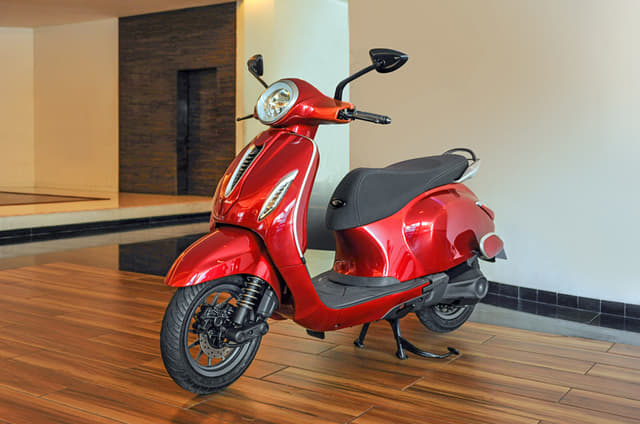
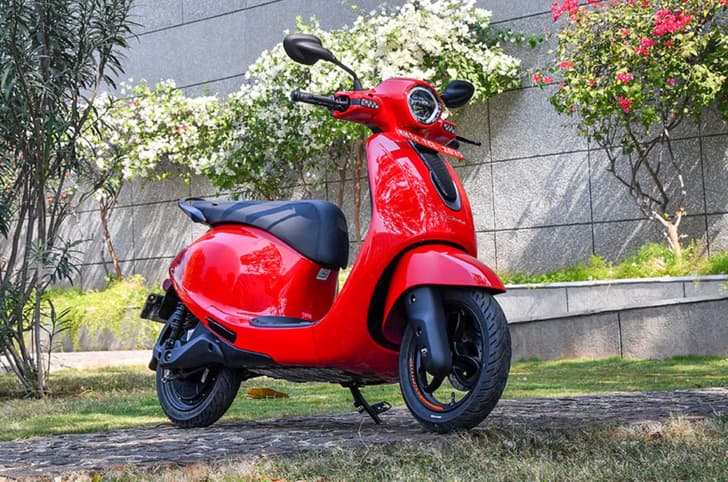
The Bajaj Chetak is available in 5 variants: C2501, 3001, 3503, 3502, and 35011, so the price varies depending on the version you choose. The Chetak price in Longleng starts at ₹96.40 thousand for the base variant and goes up to ₹1.34 lakh for the top variant.
The Bajaj Chetak on road price in Longleng starts at ₹1.04 lakh for the C2501 variant and goes up to ₹1.45 lakh for the 3501 variant. View the Bajaj Chetak on road price for all 5 variants in Longleng in the table below.
Bajaj Chetak price in Longleng
The Bajaj Chetak is available in 5 variants: C2501, 3001, 3503, 3502, and 35011, so the price varies depending on the version you choose. The Chetak price in Longleng starts at ₹96.40 thousand for the base variant and goes up to ₹1.34 lakh for the top variant.
The Bajaj Chetak on road price in Longleng starts at ₹1.04 lakh for the C2501 variant and goes up to ₹1.45 lakh for the 3501 variant. View the Bajaj Chetak on road price for all 5 variants in Longleng in the table below.
Bajaj Chetak On Road Price by Variants
* Estimated on-road price. Final amount may vary.
Calculate your Charging cost for Bajaj Chetak
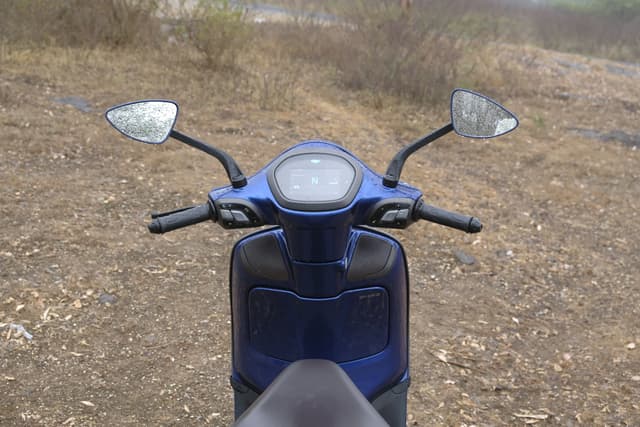
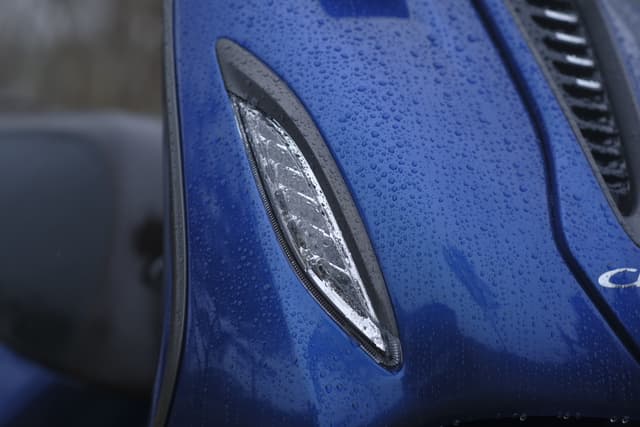
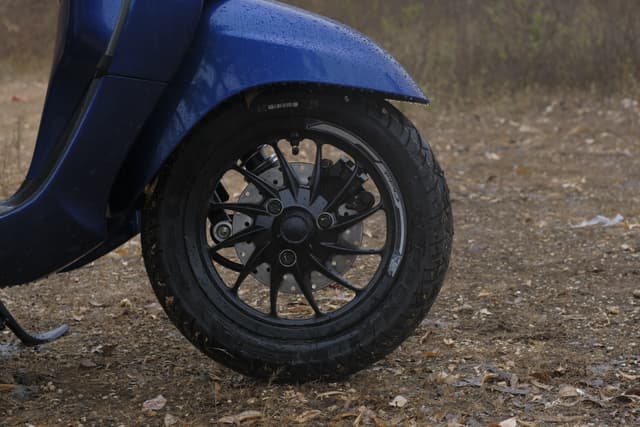
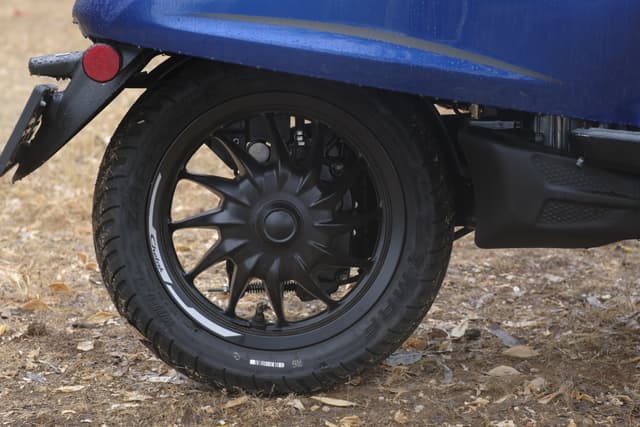
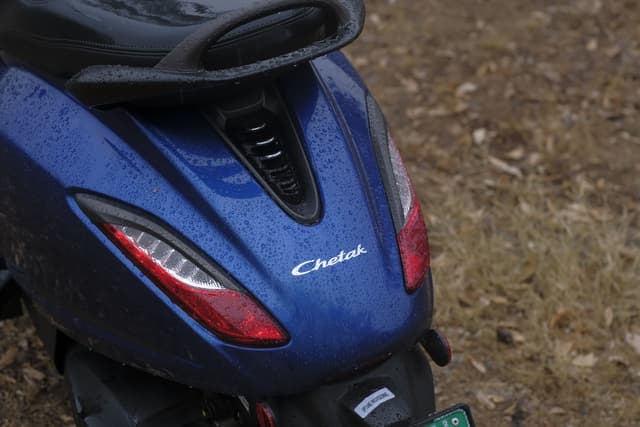
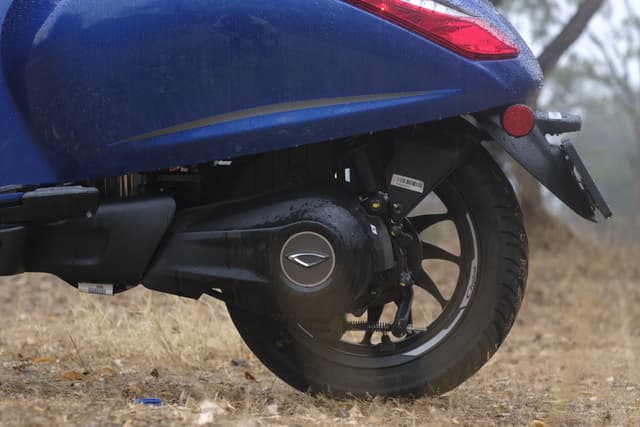
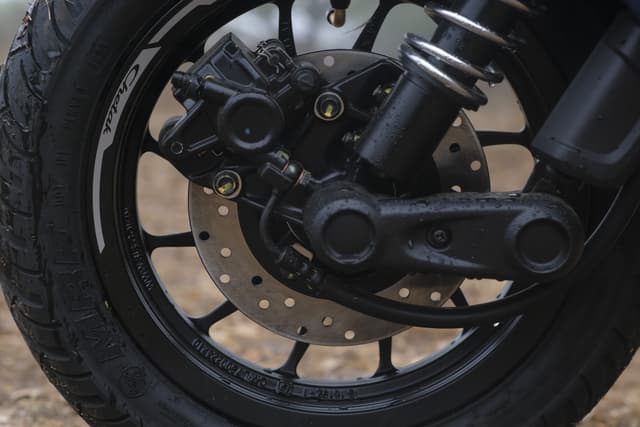
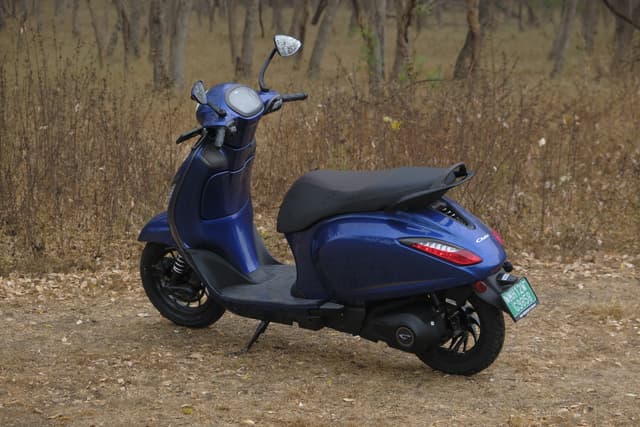
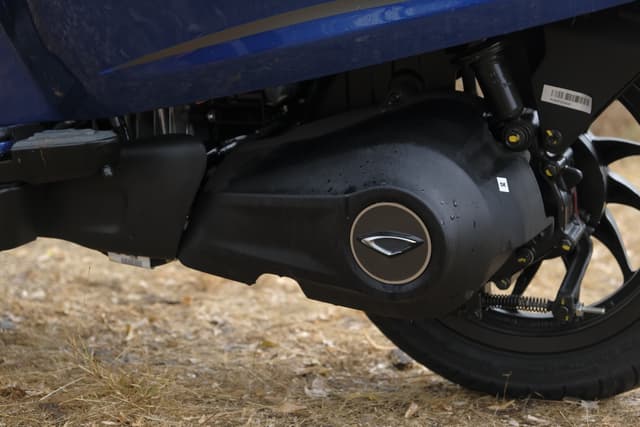
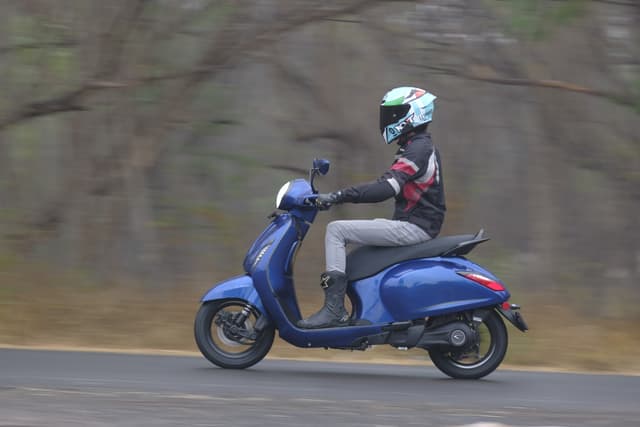
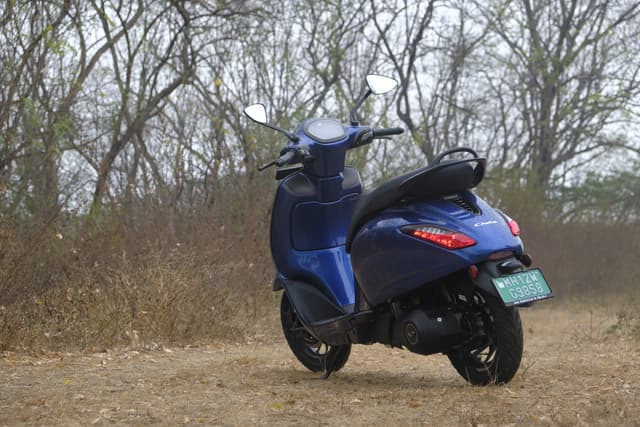
Bajaj Chetak Images
Bajaj Chetak Colours
Bajaj Chetak news
Bajaj Chetak videos


Bajaj Chetak FAQs
The Bajaj Chetak price in Longleng starts at ₹96.40 thousand for the base model and goes up to ₹1.34 lakh for the top variant (ex-showroom).
The Chetak electric scooter on road price in Longleng ranges from ₹1.04 lakh to ₹1.45 lakh, depending on the variant.
The Bajaj Chetak C2501 is priced at ₹96.40 thousand (ex-showroom) in Longleng.
The top variant, Bajaj Chetak 3501, is priced at ₹1.45 lakh in Longleng.
Questions you may find useful
Hi there. I am planning to buy an electric scooter for my daily commute of around 30 km. I have test-ridden the TVS iQube, Bajaj Chetak 3502 and Ather Rizta. I found the Chetak to be quieter and smoother, while the Rizta makes a sound similar to an e-rickshaw. I also wasn't impressed with the braking performance of the TVS iQube, so I've ruled it out. Which scooter would be the better choice in terms of after-sales service, reliability and cost per kilometre?
After-sales and servicing depend on a multitude of factors, and you should choose between the Rizta and Chetak based on which dealer and service centre feels like the safer bet to you. Cost per kilometre will also vary largely based on how much you ride every day and how fast you do so (because range will vary as per the riding mode you're in), so it's hard to accurately gauge this. Both the Rizta and Chetak are proven products and are pretty evenly matched, except in terms of price, where the Rizta is quite a bit more expensive. So, pick whichever one you like more.
I want to buy an electric scooter for nearly 30 km of daily travel. My budget is around Rs. 1.45 lakh. I am confused between Vida VX2 Plus and Chetak 3503. I also looked for Ather Rizta S Base which has low range but it is out of my budget. For TVS IQube, I looked for 3.5kwh base model that was around Rs. 1.49 lakh but I have heard of some issues with it during rainy days and it does not support fast charging. Vida VX2 Plus is the cheapest of all but I have heard about its AUX issues, build quality of switches, app glitches. For Chetak, I have heard of its battery issues and that, it does not support fast charging for 3503. Please suggest which EV would be suitable for daily city use in this budget. My priorities are good reliability, low maintenance and good range.
In the electric scooter segment, the TVS iQube and Bajaj Chetak models are hard to go wrong with, and no matter which one you choose, you're likely to end up with a safe purchase which will safely last you many years. Coming to issues with using the iQube during the monsoon, you're unlikely to have any - this is a scooter that has proven its mettle over the past 6 years that it has been on sale. The base 3.5 variant of the iQube in your shortlist, has a 650W charger as standard and it should be sufficiently quick for most daily needs. Its a similar story with the Bajaj Chetak. Any unfortunate battery issues you face will be covered under warranty and even so, these instances are few and far between, not widespread occurrences. The Chetak 3503 also has pretty quick charging times, with the Bajaj website stating a 3hr25min duration for a 0-80 percent top-up, which should be more than enough for your daily needs. Hero's Vida VX2 has come onto the scene relatively later but judging by the fact that these have started to become a fairly commonplace sighting on our roads, the market seems to have given it a good response. We'd recommend a visit to each scooter's authorized dealership and take thorough test rides to ensure you cover every aspect before you make your decision.
Hi Autocar Team, I am planning to buy an electric scooter that will be used by all members of my family. I am currently considering the Ather Rizta (2.9 kWh), Bajaj Chetak 3501, and TVS iQube S. Could you please suggest which of these options would be the best overall choice in terms of comfort, practicality, performance, and reliability?
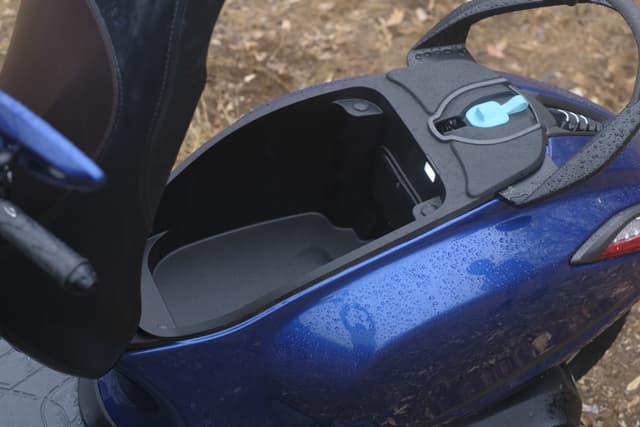
All three options you have shortlisted are actually very well-rounded EVs and are frontrunners in the electric scooter market in terms of sales, long-term reliability and brand recall. Therefore, picking between them will boil down to personal preferences toward design, comfort, real-world range and features. The TVS iQube S and Bajaj Chetak 3501 are undoubtedly more VFM here because they come with larger battery packs, thus, longer distances before you need to charge them. You can easily expect a real-world range of over 100km, even when ridden quite aggressively, which the Ather Rizta 2.9 will not be able to match because it has a smaller battery pack. When it comes to boot space, it might seem like all three are evenly matched, but the real-world picture is slightly nuanced. To recap, the iQube S has 32 litres of underseat storage, whereas the Ather Rizta has 34 and the Bajaj Chetak has 35. Now, on paper, it's a negligible difference, but the TVS' boot is much shallower than the Bajaj and Ather scooters. It means you'll have to be smart with how you pack your belongings in it. Plus, an imported ECE-certified helmet will not fit inside the TVS, in case that is a consideration for you. When it comes to after-sales experience, all three are largely good to live with, although it will vary depending on where you're located.Take an exhaustive test ride of all three before you make a decision. All three are straightforward, practical, reliable EVs, so no matter which one you choose, it's likely you'll be happy with it.
Hi Autocar Team, I am planning to replace my 2012 Hero Honda CD Deluxe. My usage is strictly within the city, specifically a 28 km daily round trip for office and market chores. Interestingly, we already have two Hero Vida V1s at home (one Pro and one Plus). Since the V1 is quite feature-heavy, I don’t want to spend extra on premium features or performance for this new purchase. That’s why I have ruled out the Ather Rizta and TVS iQube. I am looking for a reliable, no-nonsense entry-level electric scooter. My current shortlists are: Hero Vida VX2 Go (3.4 kWh) TVS Orbiter Bajaj Chetak 2501 Since all of these offer the basic, essential features I need, which one would be the most practical choice for a daily city workhorse? Does sticking with the Vida ecosystem (VX2 Go) offer any real advantage, or should I consider the Orbiter or the all-metal Chetak 2501 instead?
Since you are intimately familiar with the Vida ownership experience, buying the Vida VX2 Go 3.4 will likely be your safest bet. This scooter also offers more range and performance than the TVS Orbiter and Bajaj Chetak C2501 models you have shortlisted. So, objectively speaking, you should stick with the Vida e-scooter.The Orbiter's USP is that it is one of the most spacious electric scooters around, while on the other end of the spectrum, you have the petite Bajaj Chetak C2501. Unless you have an unusually tall or shorter physique, we'd recommend sticking with the Vida. The only reason you should look at the others is if you want to change things up and switch to a different brand.
After five years of remote work, I now commute 40 km daily. I previously owned a Yamaha FZ-S (2012), which I’ve given to my uncle, and I currently use a Honda Dio (2012) for short trips, but the Dio gives me back pain on longer rides. My priorities are reliability, comfort, lightness, and efficiency. I’m interested in electric scooters like the TVS iQube and Bajaj Chetak, but I’m worried about back pain. Please suggest electric motorcycles (if any) or ICE bikes within a ₹2 lakh budget, with a little flexibility.
Currently, in the electric two-wheeler space, scooters are proving to be a far more convincing purchase and in the sub-2L space, we would suggest you go with any of these three options for a 40km daily commute: Ather Rizta Z 3.7, Bajaj Chetak 3502 or 3503 or the TVS iQube 3.1 / 3.5. Do take a test ride of all of these to see which one is the most comfortable for your physique.Coming to ICE bikes, you have a litany of options under the 2L mark for your sort of usage. For good comfort, efficiency and lightness we would recommend a 160cc commuter machine like the Bajaj Pulsar N160, TVS Apache RTR 160 4V, Honda Unicorn / SP160 or the Suzuki Gixxer 150 models. Since you have used an FZ previously, you could also look at a modern model, although in our opinion, the options mentioned above give you more for your money.
Upcoming Bikes


Bajaj Bikes

Trending Bikes
Latest Bikes