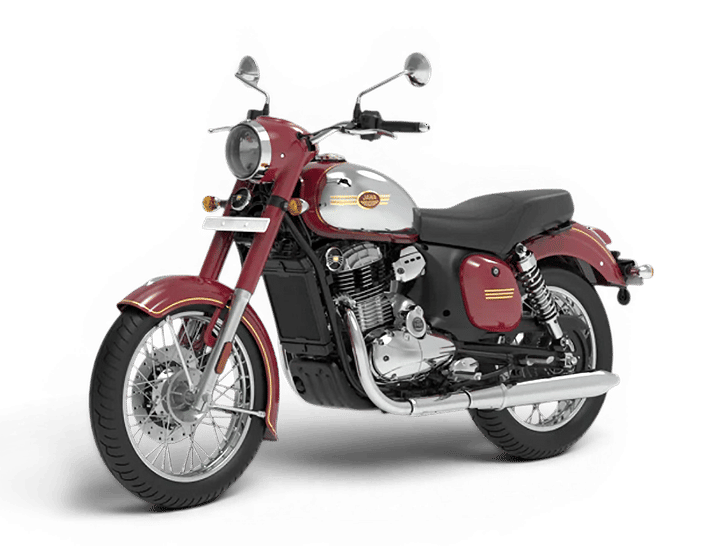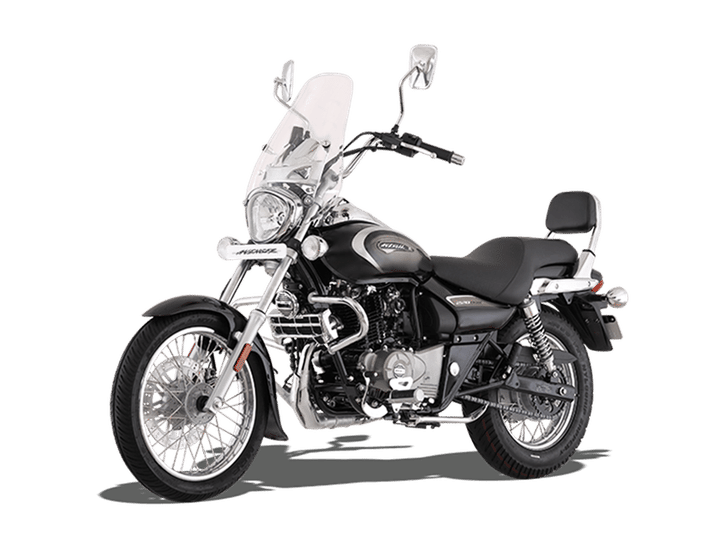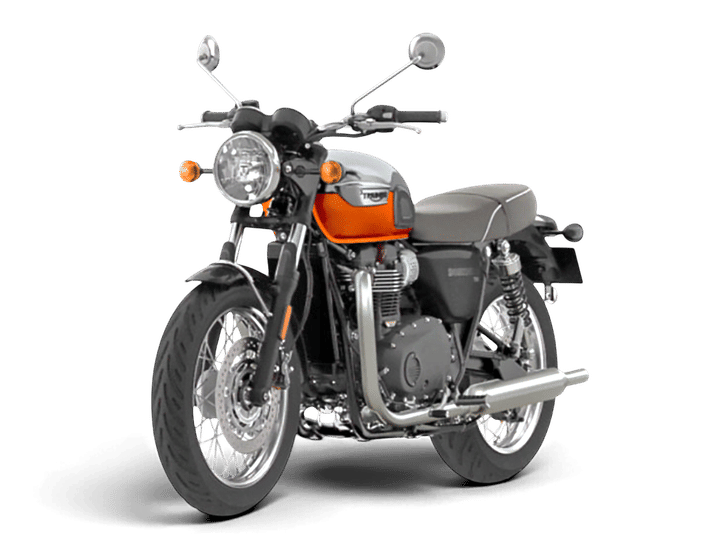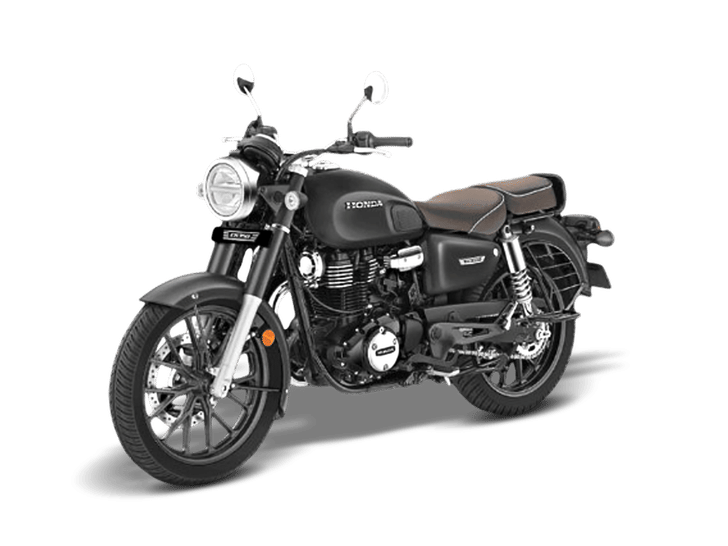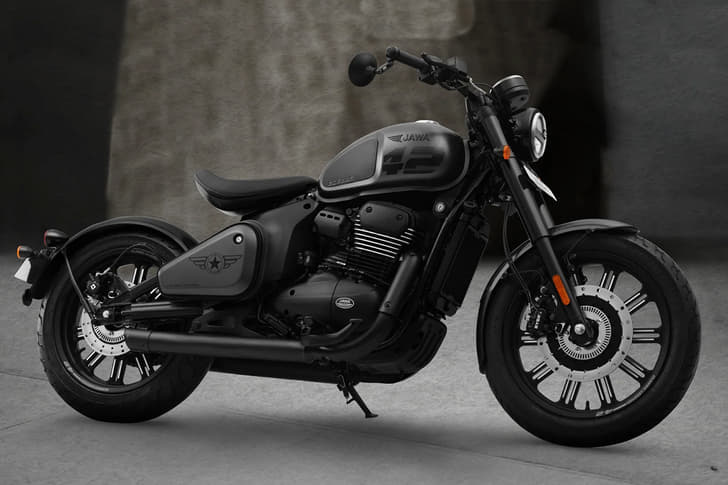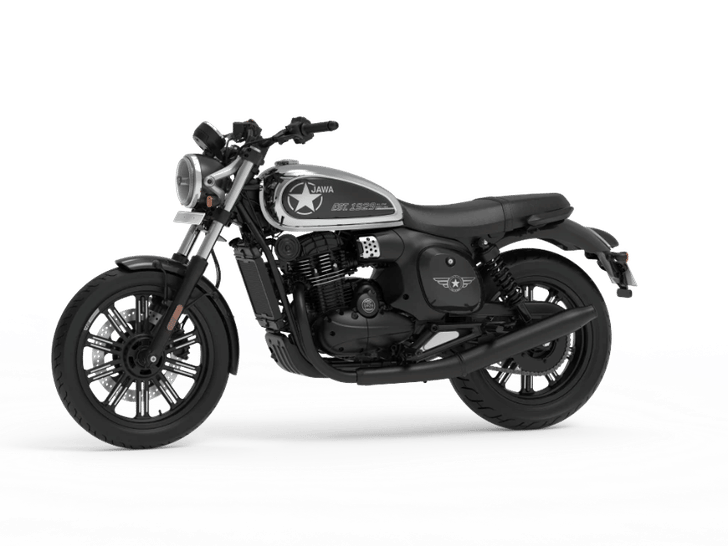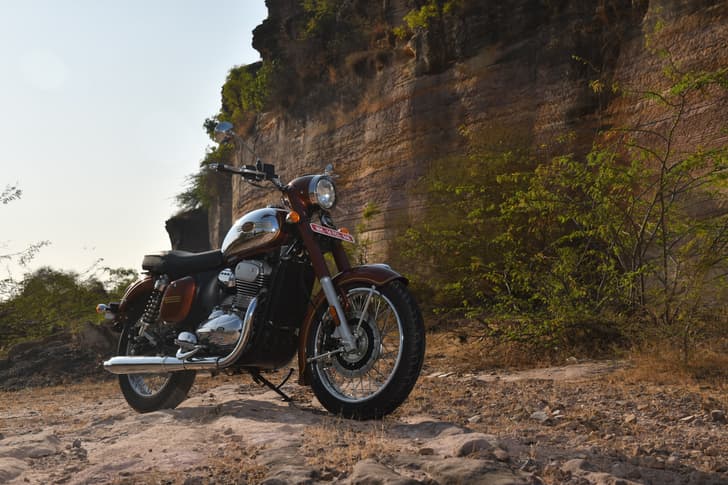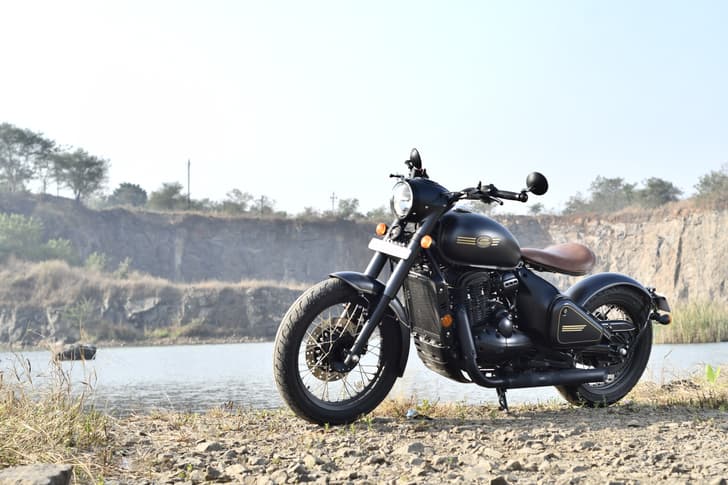


Classic Legends has moved past the turnaround phase of its business and is now focusing on consolidating recent gains and adding capacity. The Mahindra & Mahindra-backed motorcycle maker is currently selling what it can produce and could have added capacity sooner, co-founder Anupam Thareja told Autocar Professional. The comments mark a shift for Classic Legends, which spent the past few years rebuilding after issues with product quality, after-sales, uneven distribution and the pandemic affected the early revival of Jawa and Yezdi.
- Jawa, Yezdi, and BSA now have a larger product portfolio
- Roadsters are still the best-sellers; Adventure is carving its own niche
- Company says the bet on heritage brands is paying off with exports
Classic Legends sales has grown by 87 percent compared to last year
Madhya Pradesh plant nearing full capacity soon
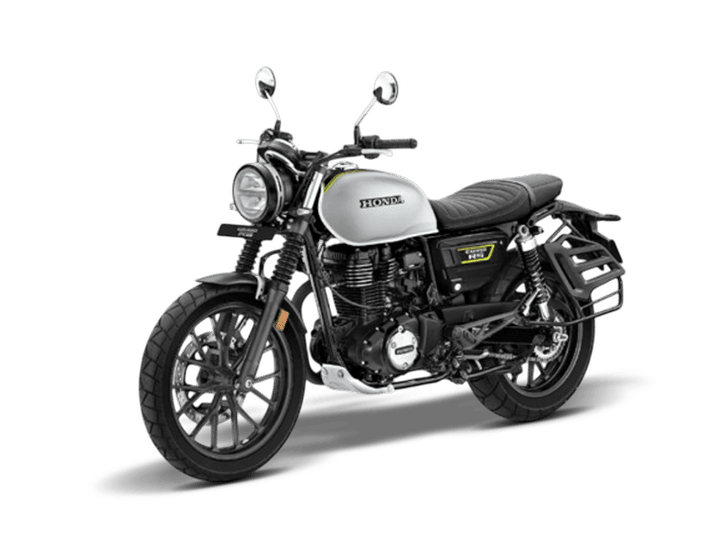
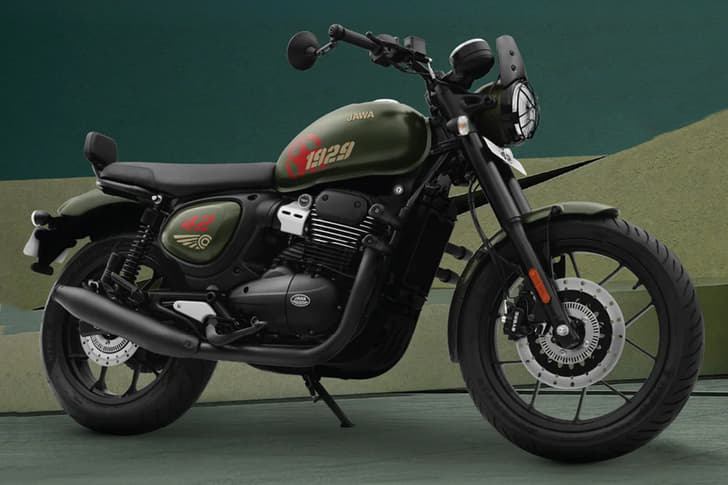
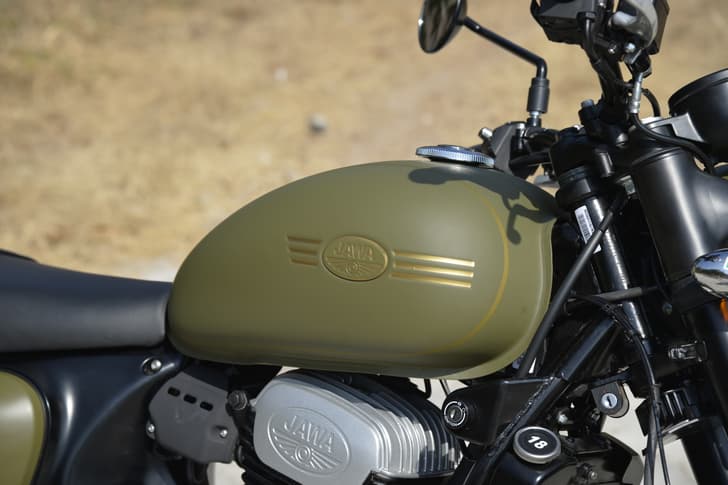
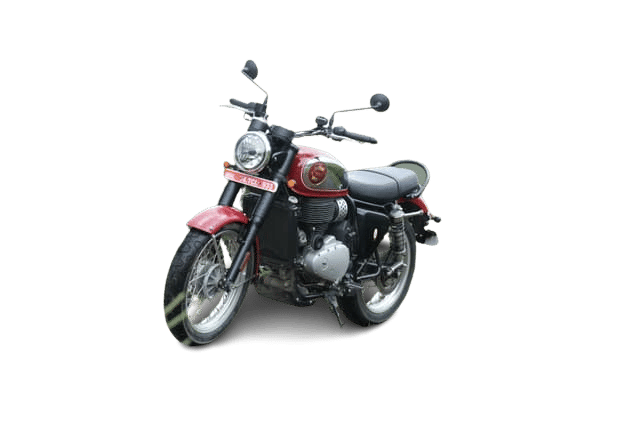
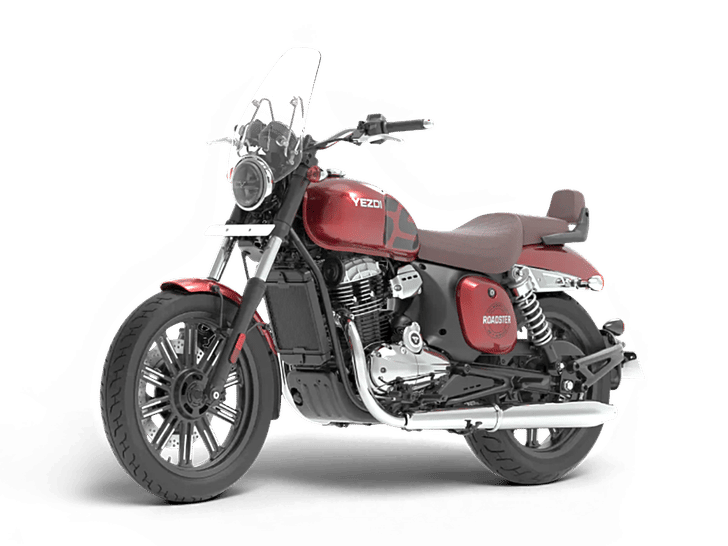
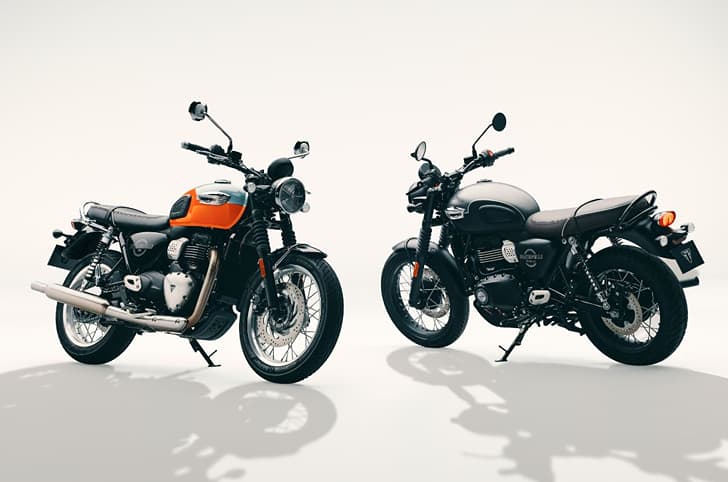
Thareja attributed the recent improvement to what he described as three main growth levers – new products, new markets and new price points. He said the company previously competed in a narrow band of about Rs 1.85-2.05 lakh, which has now widened to Rs 1.70-3.20 lakh. The offerings vary from roadsters, bobbers, classic motorcycles, scramblers and adventure motorcycles, via the Jawa, Yezdi and BSA brands. According to him, roadsters remain its largest seller, while the Adventure is building a more niche position. Per FADA data, Classic Legends retailed 22,279 motorcycles between April and August 2026. Compared to 11,887 units for the same five-months the previous year, that is an 87 percent growth.
The improvement in demand is putting production capacity at the centre of Classic Legends’ growth plans. In April, it said FY27 production was expected to cross 1 lakh units and that the Pithampur plant in Madhya Pradesh was nearing full capacity, with supplier capacity as a key issue. Classic Legends is evaluating further expansion as the brand also looks beyond domestic sales for more growth. Thareja said the company's international strategy has started to validate its decision to acquire heritage brands. He cited BSA and Jawa as examples and said that both are performing well in markets where they have historical recognition.
Alongside production, domestic distribution, too, is expanding. Thareja said Classic Legends currently has around 410 touch-points and is adding outlets in a calibrated manner rather than purely for scale. He pushed back against the idea that the number of dealerships alone determines a purchase decision. And added that Classic Legends now has coverage across about 86 percent of the markets where its customers are located, and riders can access service support across major touring destinations as well.
The next phase for Classic Legends will be less about proving that its sales can recover and more about expanding on that recovery. Higher capacity, deeper distribution and exports will have to support that transition, as the company continues to improve profitability and compete in a market dominated by much larger rivals.
With inputs from Darshan Nakhwa and Stephen Raj Antony


 Suraj Sreekumar
 Vishal Venugopal
 Stephen Raj Antony
 Dinshaw Magol