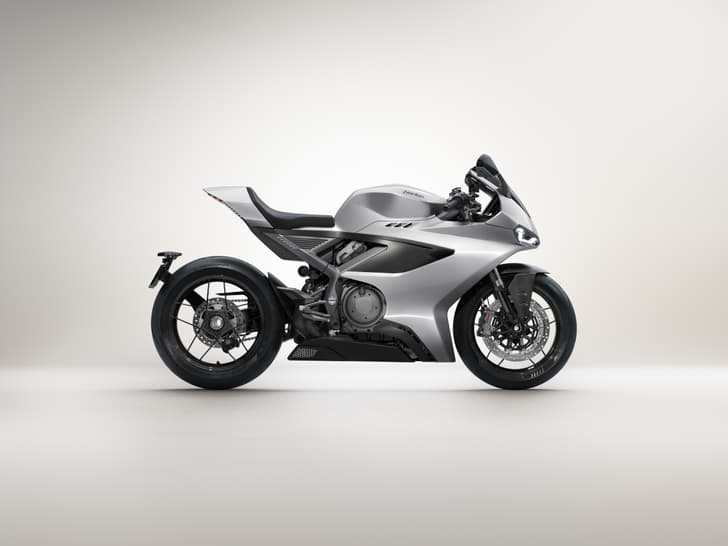


The Yamaha R2 is the newest sportbike in the brand’s R-lineup. It is available in three variants: base, base with quickshifter and the range topping M variant. We’ve been able to spend some extensive time in the saddle of the model with the quickshifter and here’s how much fuel economy it returned in our standard test.
Yamaha R2 real-world fuel efficiency
Yamaha R2 returned 36.8kpl in the city and 47.18kpl on the highway.
As part of our testing procedure, we first ran the Yamaha R2 on the highway in Sport mode close to 52km at steady speeds of 75-80kph. At the end of it, the R2 required 1.10 litres of petrol to brim the fuel tank, thus achieving a highway fuel efficiency figure of 47.18kpl.
After this, we ran the R2 for just over 54km in the city confines of South Mumbai in Street mode, flowing with the slightly heavier traffic than usual. After this, it took another 1.47 litres of petrol to fully fill the fuel tank, resulting in a city fuel economy of 36.8kpl.
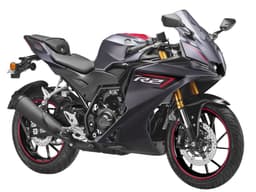
Yamaha R2 fuel economy analysis
The Yamaha R2 is a proper sportbike following the Yamaha’s R lineage
The Yamaha R2 brings in slightly more performance compared to its younger sibling, the R15. It offers slightly more power and a torque figure similar to its segment rivals, the KTM RC 200 and Hero Karizma XMR. While the R2 achieved a realistic 36.8kpl in the city, it delivered a handsome 47.18kpl on the highway. The R2 can comfortably cruise at low speeds in higher gears on the highway, but its engine really comes alive and delivers quick progress when you rev it out.
In the city, the bike felt light and nimble making it light-work to filter through traffic. After riding for about 15-minutes through slow-moving traffic, we noticed a bit of warmth near the tank panel, though no hot air blew directly onto the rider. The low clip-on handlebars and high rear-set footpegs create an aggressive riding position that can strain your neck, wrists, and lower back if your posture is incorrect.
Autocar India’s fuel-efficiency testing
Our fuel-efficiency testing routine starts by first brimming the tank and ensuring the bike is running the manufacturer’s recommended tyre pressures. The bike is then ridden on fixed city and highway routes, where we maintain average speeds that best mimic real-world scenarios as well as keeping speed limits in mind. The payload on the bikes is kept constant by balancing rider weights and ballast, ensuring consistency across different vehicles and riders. At the end of the test cycle, the fuel tank is once again filled to the brim, giving us an accurate figure of how much fuel has been consumed against the trip meter reading.
 Stephen Raj Antony

 Vishal Venugopal