

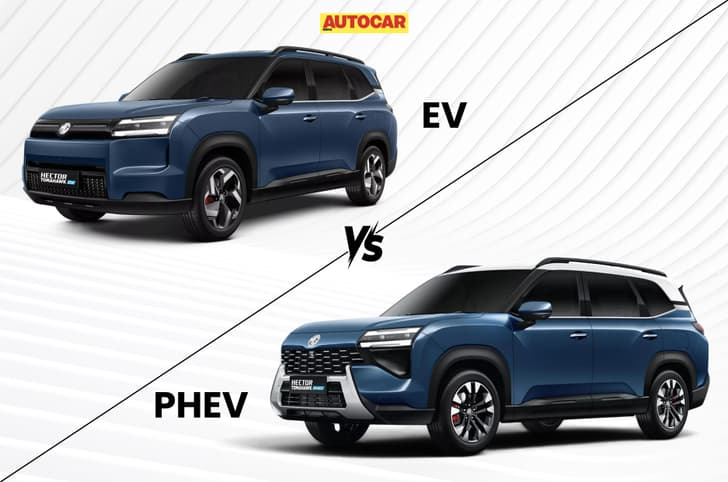
JSW MG Motor has launched the Hector Tomahawk with two electrified powertrains: a fully electric version and a plug-in hybrid. Although the two versions share the same basic dimensions and cabin design, there are several differences in their exterior detailing, equipment, seating configuration, battery and charging systems. Here’s how the two versions compare.
MG Hector Tomahawk EV vs PHEV: Price and variants
*For the EV, the battery rental is Rs 4.90 per km, while for the PHEV it is Rs 3.20 per km.
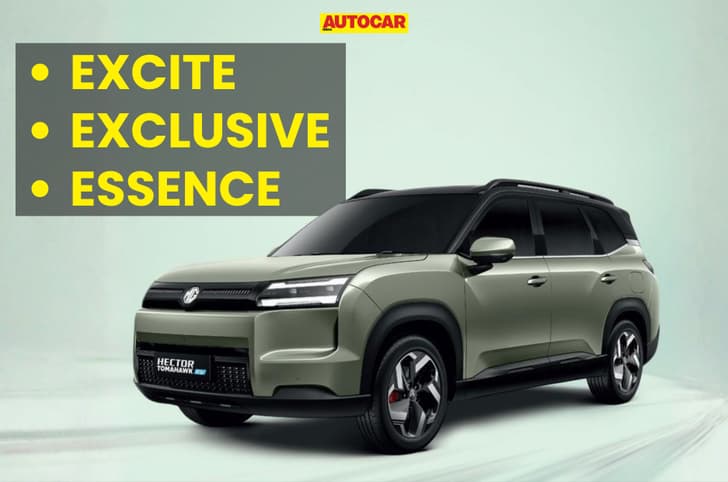
The Hector Tomahawk EV is priced from Rs 19.49 lakh to Rs 23.49 lakh (ex-showroom). It is available in Excite, Exclusive and Essence trims in the seven-seat configuration, while the five-seat version is offered only in the Essence trim, priced at Rs 22.99 lakh.
The PHEV is positioned higher in the range, with prices starting at Rs 25.70 lakh for the Exclusive seven-seater and going up to Rs 27.80 lakh for the Essence seven-seater. Unlike the EV, however, a 5-seat configuration is not available here.
MG Hector Tomahawk EV vs PHEV: Exterior
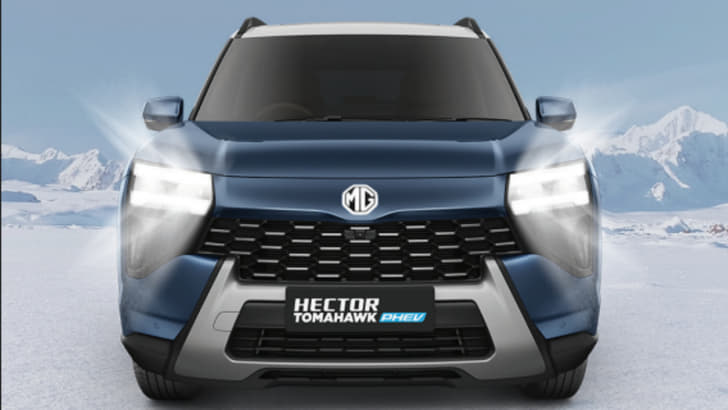
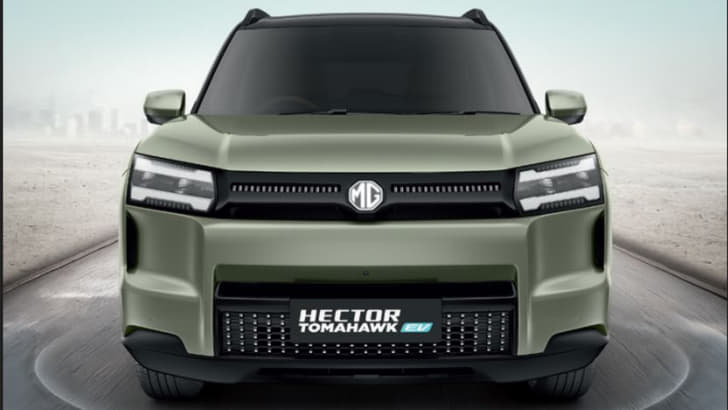
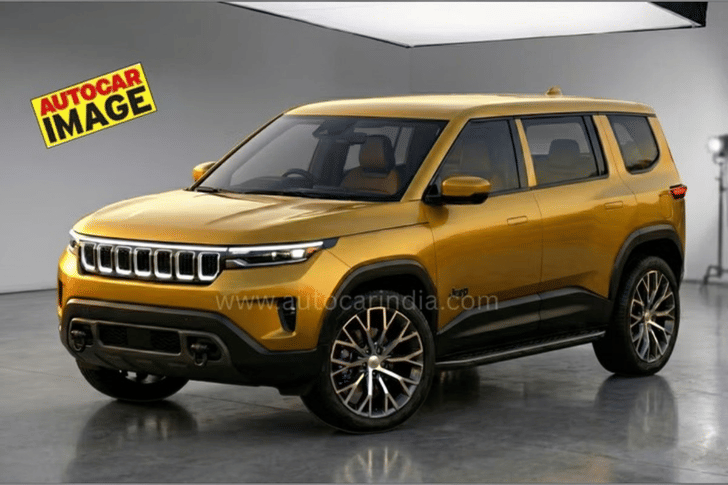
Both versions measure 4,745mm in length, 1,850mm in width and 1,770mm in height and have a 2,810mm wheelbase. They share the rectangular LED projector headlamps with LED daytime running lights (DRLs) and an illuminated MG logo, but the front-end treatment is completely different.
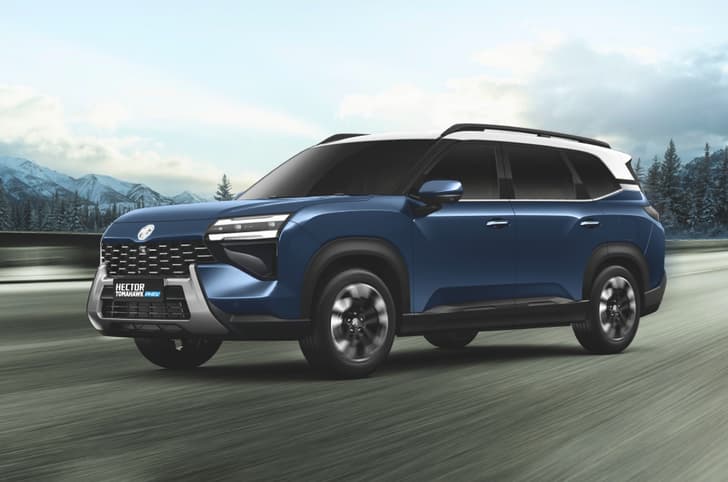
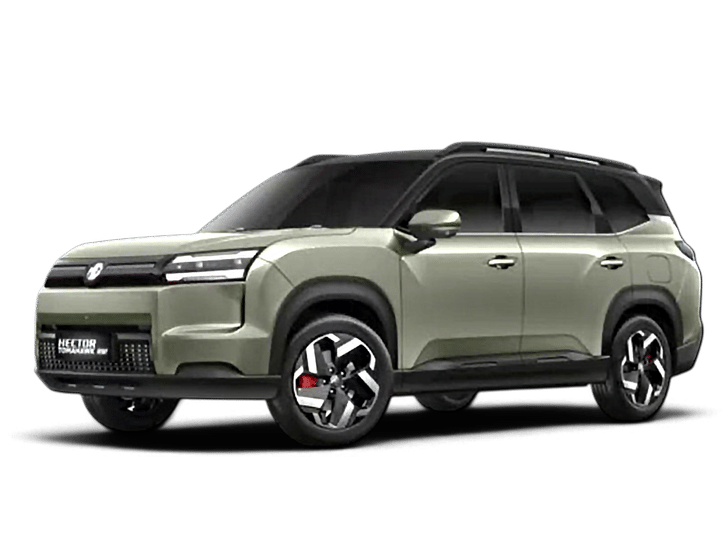
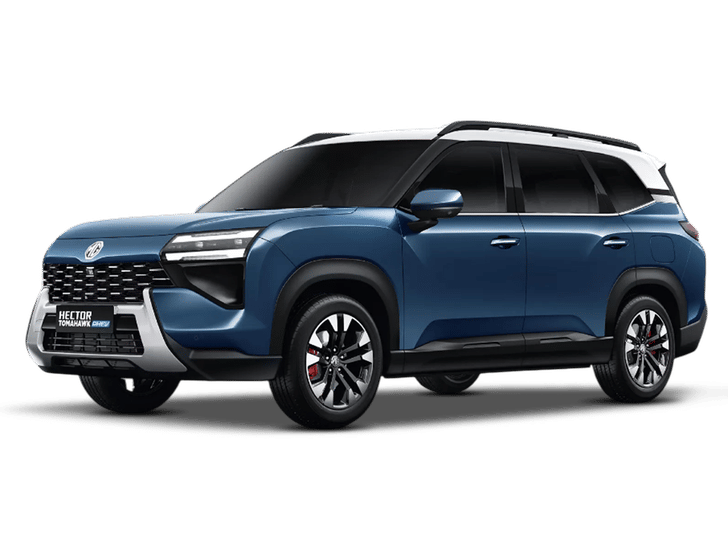
The PHEV versions feature a conventional three-dimensional grille with chrome inserts, gloss-black elements below the headlamps and a chunky, bull bar-like silver trim piece on the lower bumper. Meanwhile, the EV gets a closed-off fascia, lending it a more minimalistic look than the PHEV. The PHEV also gets red brake calipers in the higher-spec version.
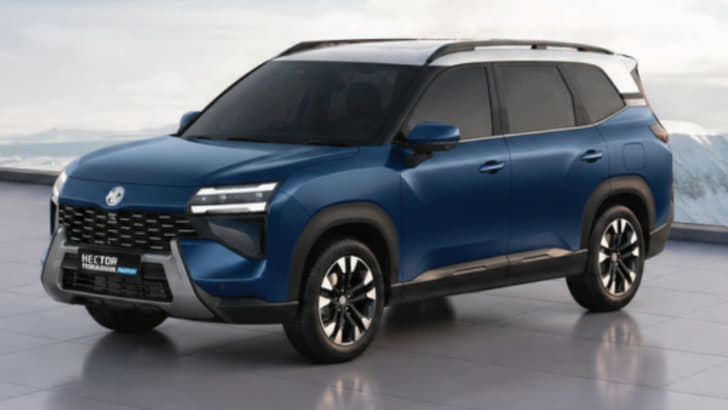
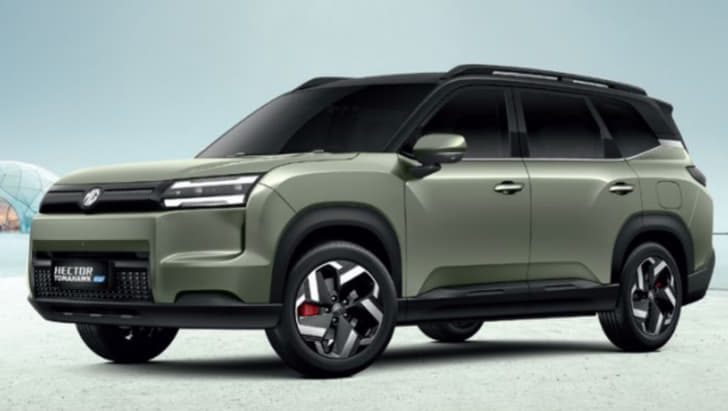
Even the 18-inch alloy wheel designs and the dual-tone treatment for the exterior paint differ. The EV gets a black roof, while the PHEV gets a white roof. Both versions, however, get roof rails, a powered tailgate and wraparound LED tail-lamps.
What community is saying on the Hector Tomahawk EV?
MG Hector Tomahawk EV vs PHEV: Interior
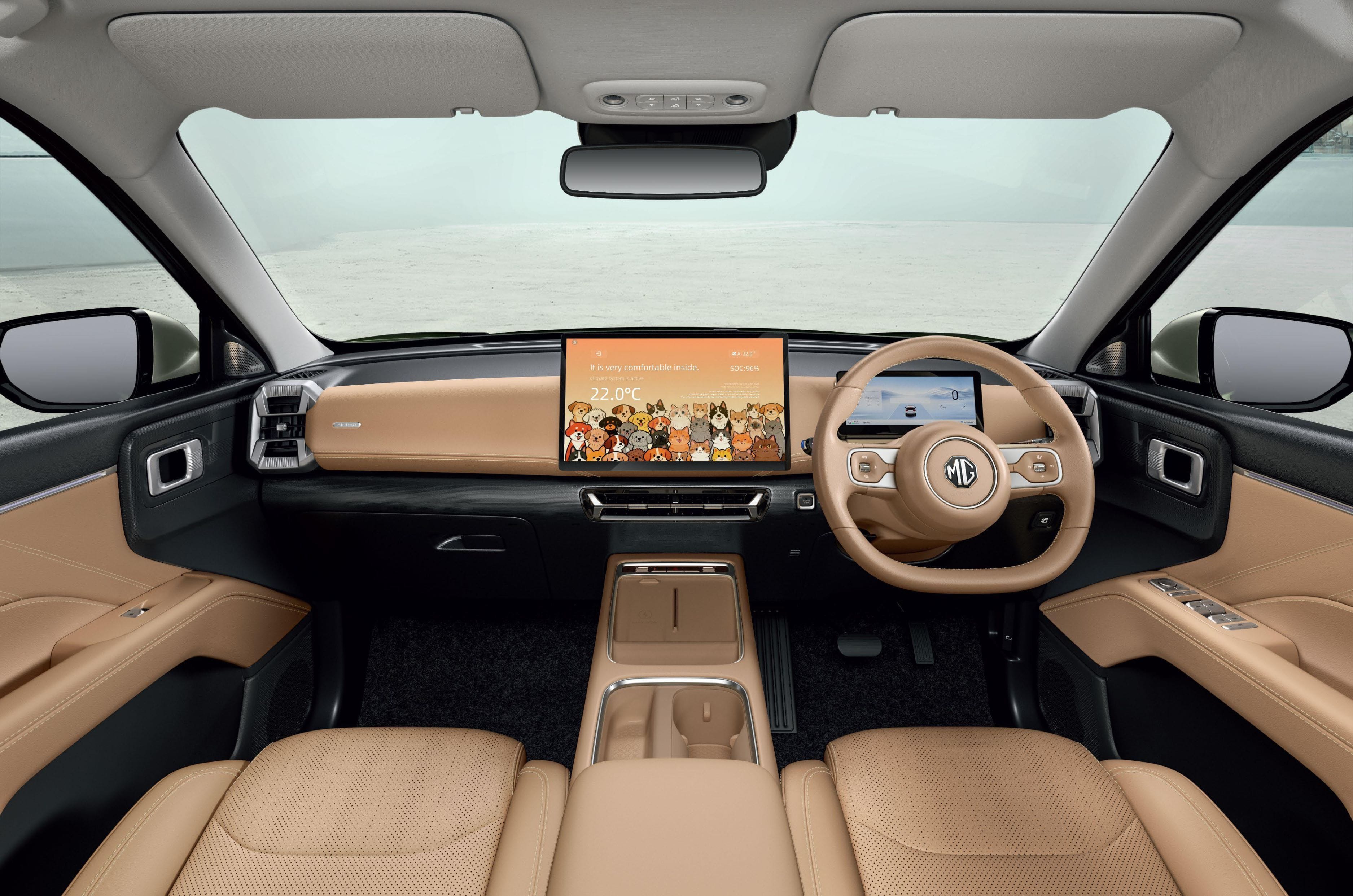
The two versions have the same basic cabin layout but differ in colour. The EV gets a beige interior, while the PHEV gets a brown one. Both get a panoramic sunroof, ventilated front seats, 256-colour ambient lighting, wireless charging and an 8.8-inch digital driver’s display. The top versions of both get the 15.6-inch infotainment screen. Both versions also use a stalk-type drive selector, positioned behind the steering wheel.
The more significant difference is the seating configuration. The EV is available as a five- or a seven-seater, while the PHEV is offered only as a seven-seater. The five-seat EV has 610 litres of boot space, expandable to 1,053 litres with the second row folded. The seven-seat EV offers 192 litres with all three rows in use and 528 litres with the third row folded. The PHEV, being seven-seat only, has 604 litres of boot space in the Exclusive and 579 litres in the Essence with the third row folded.
The EV also has a slightly different seating position because of its battery packaging, with occupants seated more knees-up than in the PHEV.
MG Hector Tomahawk EV vs PHEV: Powertrain
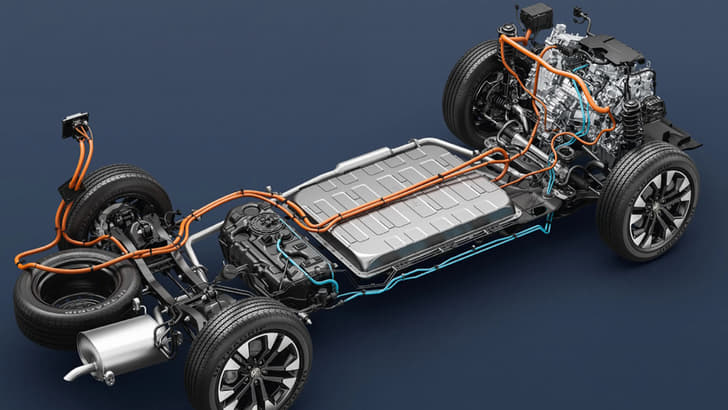
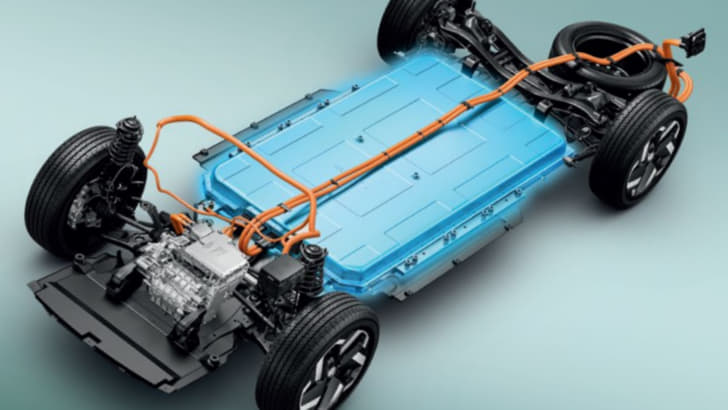
The Hector Tomahawk EV uses a 204hp electric motor that produces 310Nm. It is powered by a 69.2kWh battery and has a claimed MIDC range of 517km. The EV supports up to 90kW DC fast charging, with MG claiming a 30-80 percent charge time of around 35 minutes.
The PHEV combines a 1.5-litre naturally aspirated petrol engine, an electric motor and a 20.5kWh battery with a dedicated hybrid transmission with an e-clutch. The powertrain produces a combined 198hp and 230Nm. MG claims an electric-only range of over 115km and around 40kpl combined fuel efficiency. A full tank of fuel and a fully charged battery can take it more than 1,100km.
The PHEV supports up to 25kW DC charging and is claimed to take around 35 minutes to charge from 30 to 80 percent. It can also be charged using a 3.3kW AC charger, which takes around 7.5 hours for a 10-100 percent charge.
The key difference is that the EV is powered solely by its battery and electric motor, while the PHEV combines a smaller battery and electric motor with a petrol engine, allowing it to operate on electric power or use the engine when required.

 Uday Singh
 Glenn Noronha
 Dipan Sur