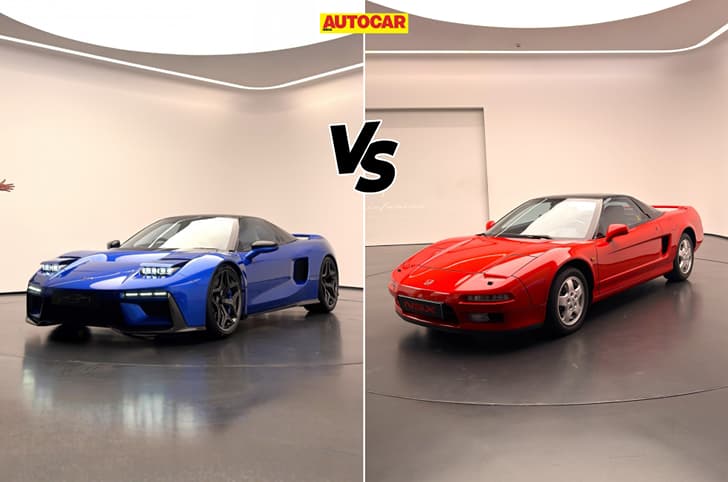
Four decades ago, Honda embarked on a quest to prove that a mid-engined, rear-wheel-drive sports car can be just as, or more performant than a V8-powered Ferrari (specifically, the 348), while being comfortable, reliable, relatively easy to drive, and more affordable. From this ambitious mission, the first-generation Honda NSX (shorthand for New Sportscar eXperimental) was born, making its global debut at the Chicago Auto Show in 1989. Production of the NSX commenced in 1990 and lasted till 2005.
The NSX made history as the first production car to use an all-aluminium spaceframe chassis. It also received inputs from F1 champions Ayrton Senna and Satoru Nakajima during its development, enabling a driving experience that was almost universally acclaimed. Such was the glory of the first-gen NSX, that it was officially inducted into the Toyota Automotive Museum in 2021 – even one of Honda’s biggest rivals couldn’t ignore how great the masterpiece that the NSX was.
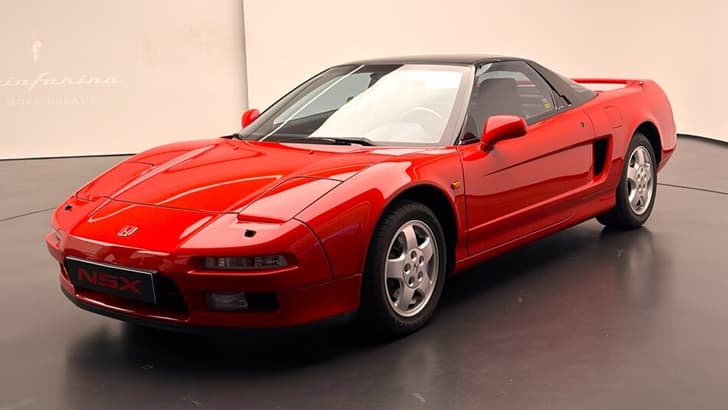
Throughout its 15-year production run, several revisions and editions (Type S, NSX-R, NSX-T, and more) of the first-gen NSX were launched. It sold over 18,000 units in total and cemented itself as one of the most iconic performance cars to come out of the Land of the Rising Sun. A second-gen NSX was launched in the mid-2010s as a bleeding-edge supercar with a mid-engined, hybrid all-wheel-drive powertrain. However, the new NSX was not received as well as its predecessor was, selling under 3,000 units globally until its discontinuation in 2022.
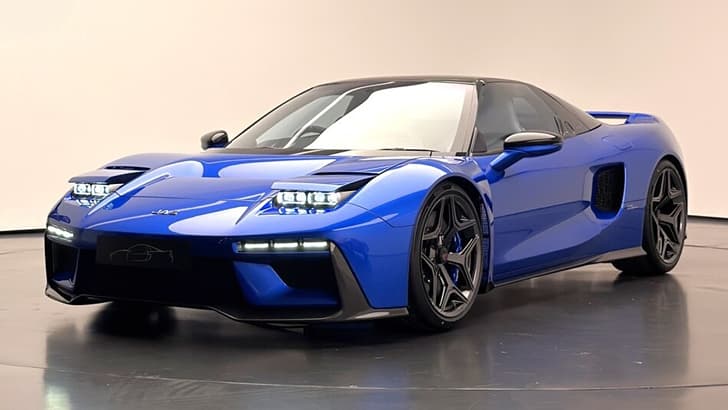
Roughly four decades after the first-gen NSX’s birth, JAS Motorsport (Honda’s racing partner since 1998) has paid tribute to the original sports car with the Tensei. The name roughly translates to “rebirth” in Japanese, which is apt given that the Tensei uses the first-gen NSX as its base and re-imagines it with modern materials, design philosophies, and technologies – along with a new carbonfibre body styled by Pininfarina. With that in mind, let’s take a look at how the JAS Tensei compares to the Honda NSX.
JAS Tensei vs Honda NSX engine and gearbox
The Tensei forgoes the turbocharging and electrical assistance seen on modern performance cars in favour of a refreshingly old-school 3.5-litre naturally aspirated V6, which is a fair bit larger than the 3.0-litre naturally aspirated V6 (codename: C30A) that powered the first-gen NSX – a 3.2-litre V6 (codename: C32A) was used in later model revisions. JAS Motorsport teamed up with British motorsport engineering specialist Judd Power to thoroughly re-engineer the Tensei’s V6, with upgrades like a billet crankshaft, forged lightweight pistons and connecting rods, individual throttle bodies, better cooling, revised ignition and engine management systems, new headers, and a more visceral-sounding exhaust system.
Thanks to those mechanical changes, the Tensei develops 420hp and 350Nm, which is up 146hp and 65Nm over the first-gen NSX’s 274hp and 285Nm output. Even when compared to the later-lifecycle C32A-powered NSXs powered by the 3.2-litre V6, the Tensei is more powerful by 126hp and 45Nm. The Tensei’s engine also has a higher 8,500rpm redline, while the NSX’s V6s could spin to a maximum of 8,000rpm. A 6-speed manual is the only gearbox available for the Tensei, while the C30A-powered NSX models came with a 5-speed unit only. However, a 6-speed manual was introduced alongside the NSX’s C32A engine from 1997 onward.
JAS Tensei vs Honda NSX exterior design
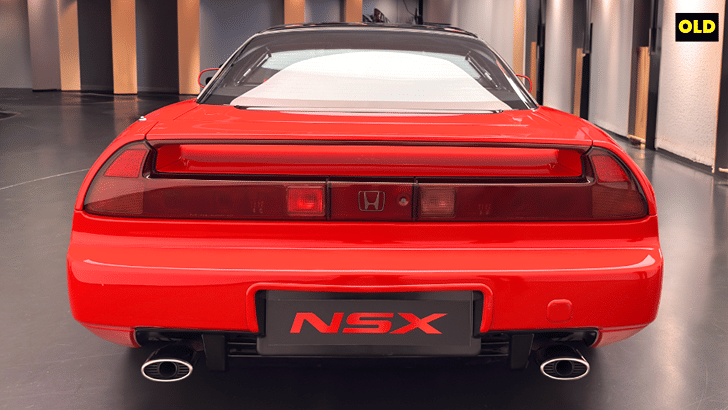
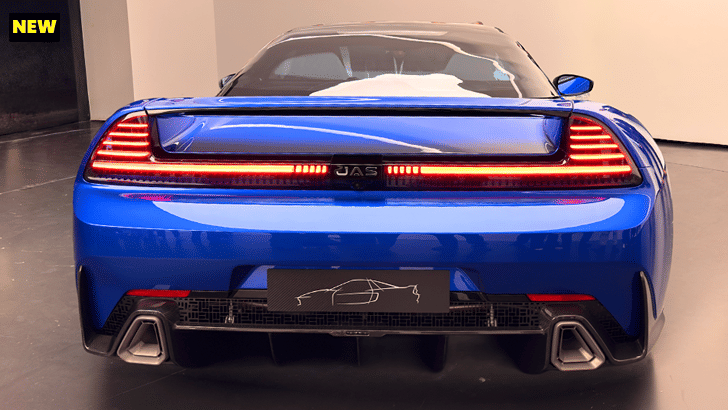
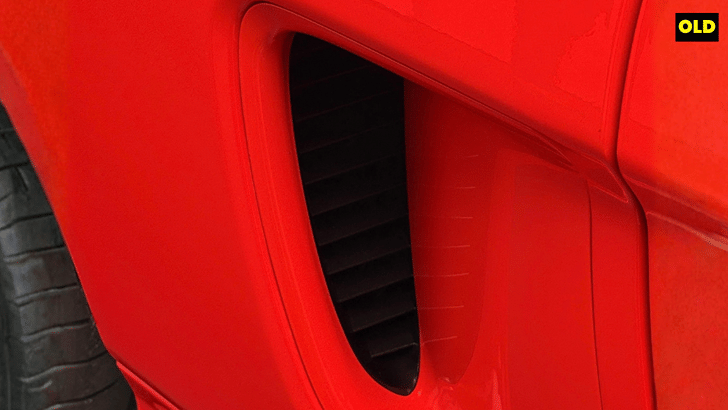
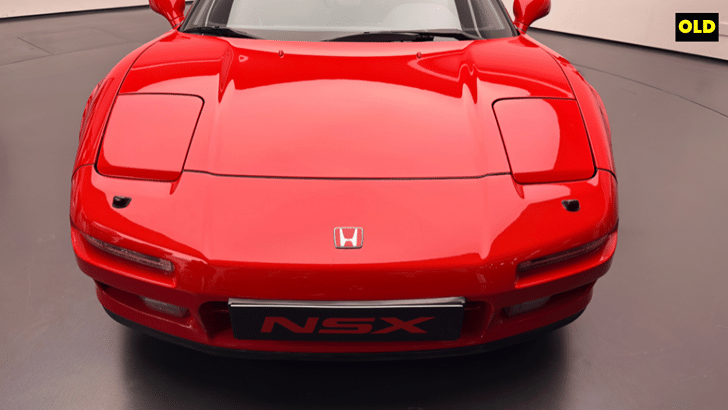
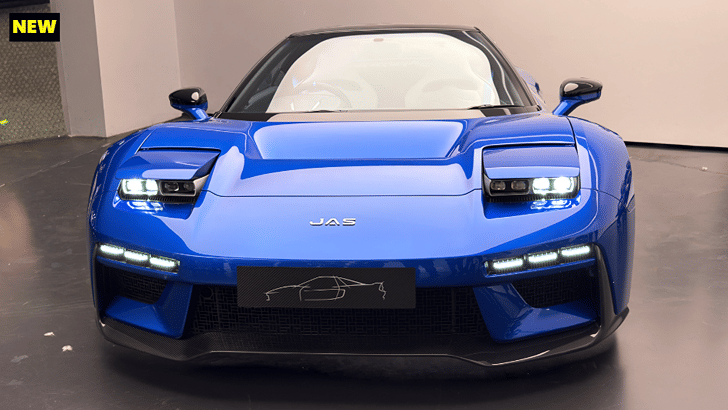
As mentioned earlier, the Tensei has a completely new Pininfarina-designed carbonfibre body with a slightly longer wheelbase and wider tracks. The Tensei retains many of the NSX’s core styling elements, such as the long and low stance, pop-up headlamps (which look very cool), side intakes, B-pillar door handles, integrated rear spoiler, wide L-shaped tail-lamps, and dual-exhaust tips.
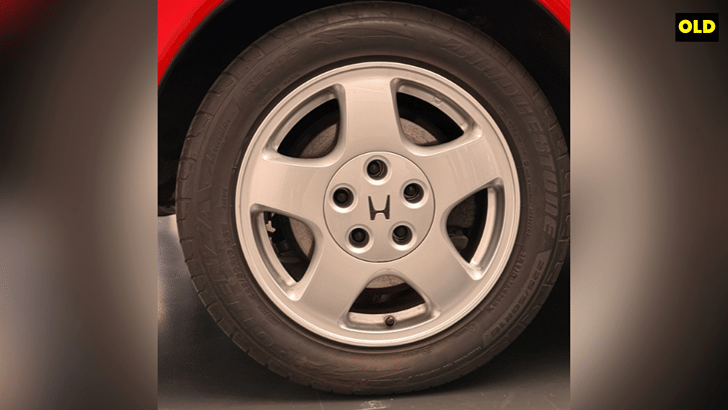
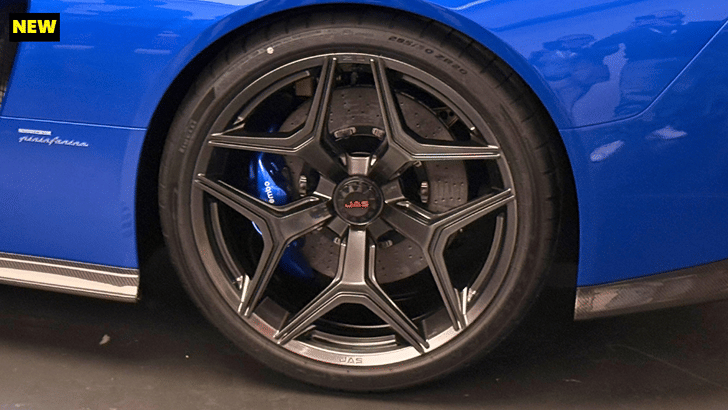
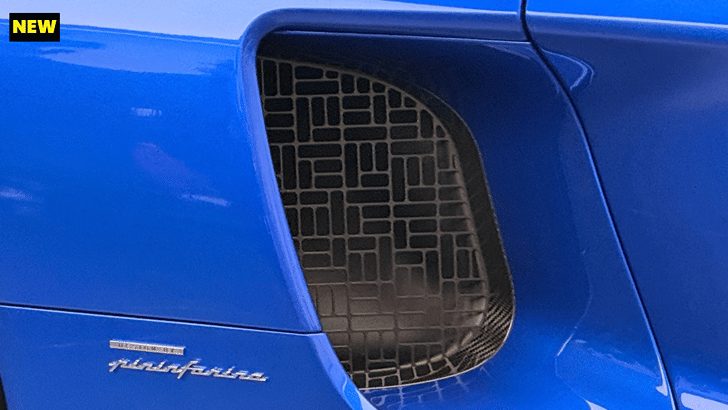
However, the Tensei sets itself apart with modern touches like LED lighting up front, with segmented DRLs on either side, larger front air intakes accentuated by a full-width carbonfibre splitter, larger wheels (19 inches front, 20 inches rear), bigger side intakes, a slatted 3D LED treatment for the tail-lamps, longer and more svelte ORVMs, hexagonal exhaust tips, a rear diffuser, and a sportier design for the rear bumper.
JAS Tensei vs Honda NSX interior
Inside, the Tensei features the same F16-inspired layout as that of the NSX, but a lot else has changed here. For one, the steering wheel looks much more modern, with a redesigned three-spoke design, a flat bottom, a 12 o’clock marker, and a circular hub. The instrument cluster is fully digital instead of analogue like in the NSX, but JAS Motorsport has retained the large stalk that incorporates cruise control and lighting functions.
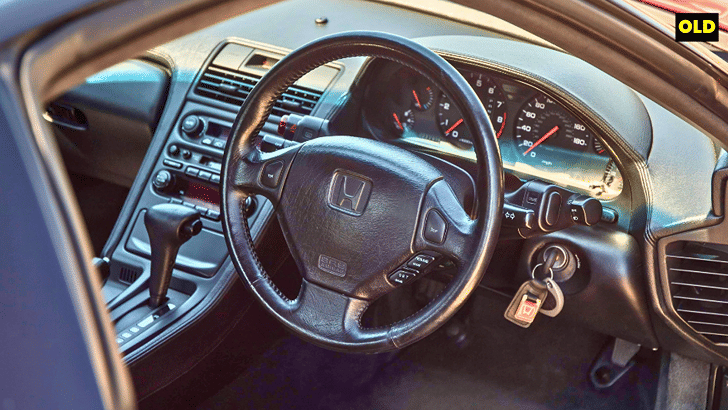
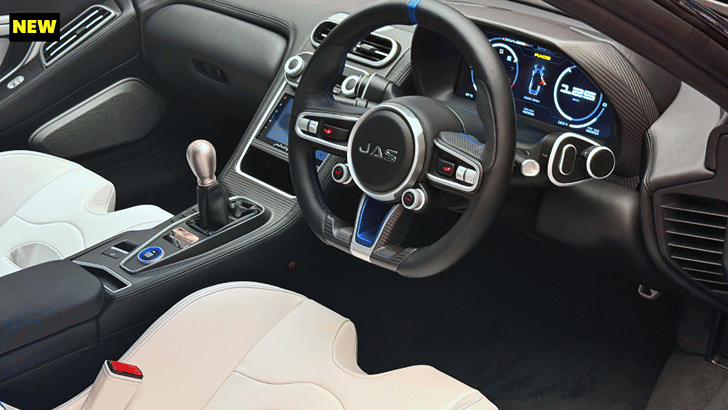
The Tensei’s centre console has been thoroughly revised too, with an oval housing for the central air vents, a raised hub for the AC controls, a modestly-sized touchscreen and an open storage space. Lower down, the central tunnel sports a chunky gear lever with a titanium knob, a row of buttons on the passenger side, the engine start/stop button, and an electronic parking brake button – no pull-type handbrake here, like you get in the NSX.
Only 35 examples of the JAS Tensei will be built, priced at €880,000 (Rs 9.55 crore) a pop, before options.

 Uday Singh
 Dipan Sur

 Glenn Noronha