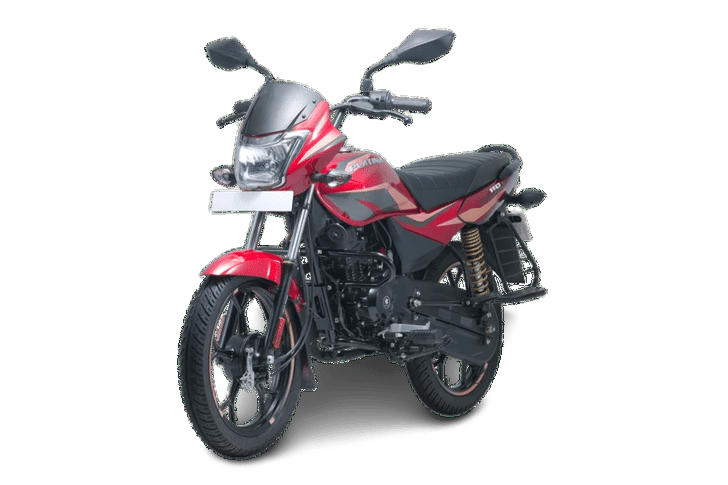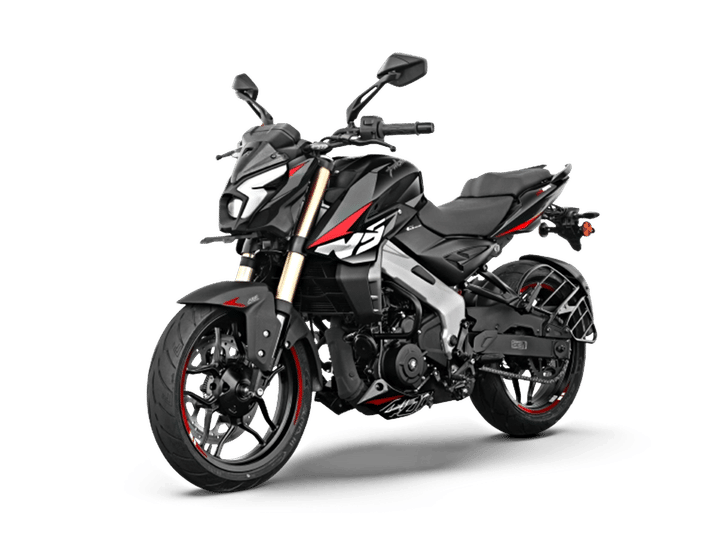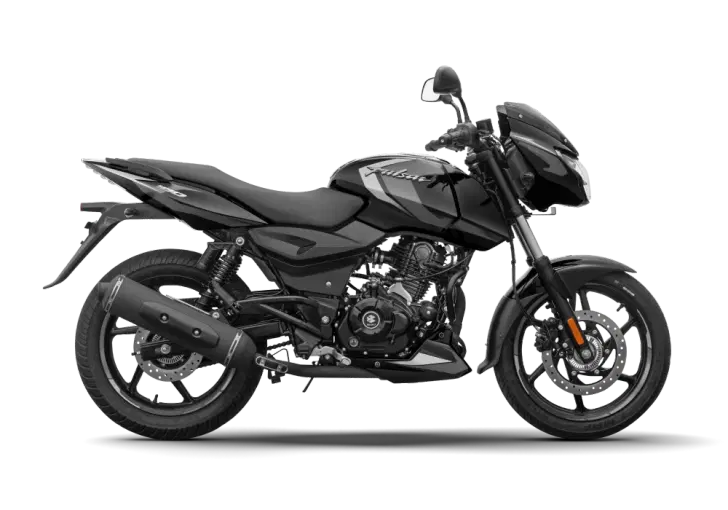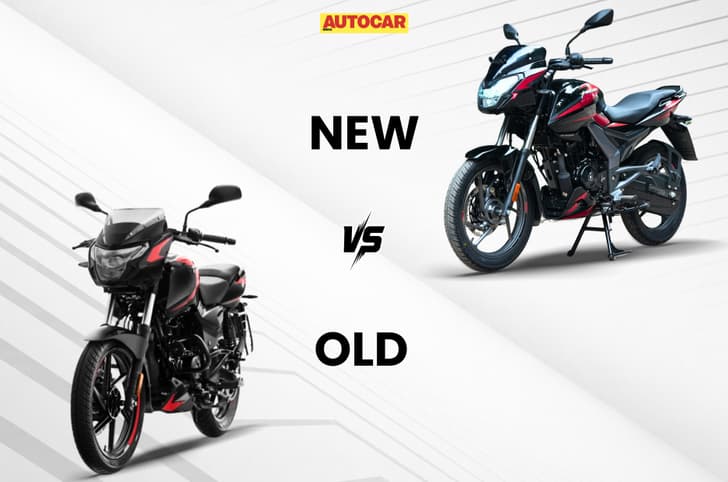
After what seems like a long, drawn-out process, Bajaj has finally launched the all-new classic Pulsar 150 and Pulsar 125. The new Pulsar 150 brings a lot to the line, with a new engine and frame, along with a whole lot of new features. However, it has also lost some of the features from the previous Pulsar 150 it replaces. Let’s see what those are, in detail. At the end, you can decide if the proverbial “old is gold” applies to the Pulsar 150 too.
Note: At the time of writing, Bajaj hasn’t shared the exact dimensions and kerb weight for the new Pulsar 150, so this comparison skips that part. We’ll update this once we get the details from Bajaj.
Bajaj Pulsar 150 new vs old: Engine changes
Same power but more torque than before
Both models have a 149.5cc engine, but they are anything but the same. The old one, for example, was an air-cooled unit, but the new engine upgrades to oil cooling. And while the power figure remains the same, it’s delivered 500rpm earlier. Torque, on the other hand, has increased.
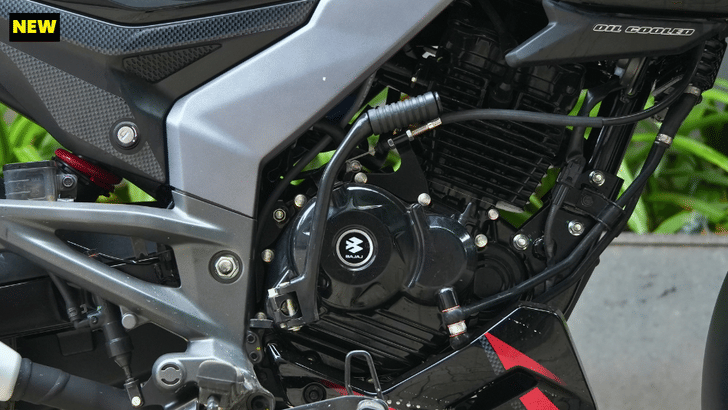
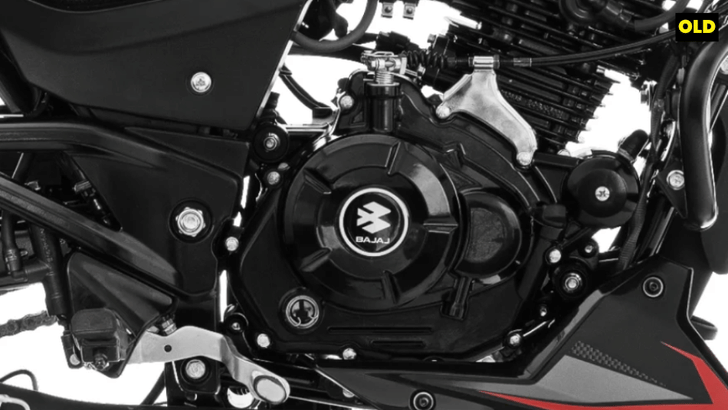
Considering that the cubic capacity itself remains unchanged, this is a commendable improvement from Bajaj. The company also claims an improved 0-60kph timing owing to an improved power-to-weight ratio. However, we don’t know by how much that has improved.
Bajaj Pulsar 150 new vs old: Chassis, headlight and suspension
The older Pulsar had a bigger fork
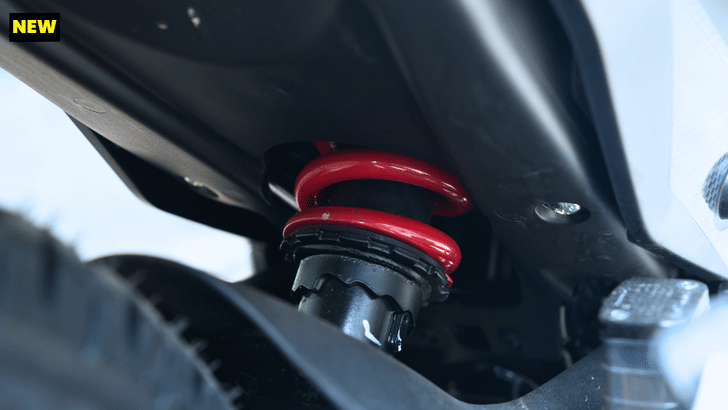
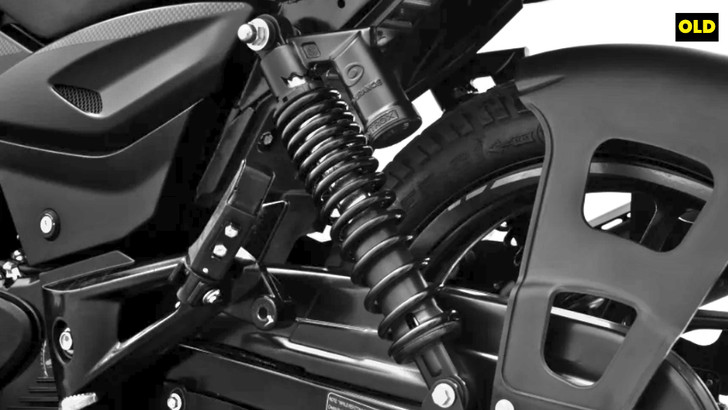
Keeping in line with the all-new theme, Bajaj has also changed the chassis and the suspension setup on the new Pulsar 150. The dual-cradle frame has been swapped for a simpler single-cradle or diamond frame, with the engine now acting as a stressed member. Bajaj says the change gives the Pulsar 150 greater stiffness, enabling better handling and stability.
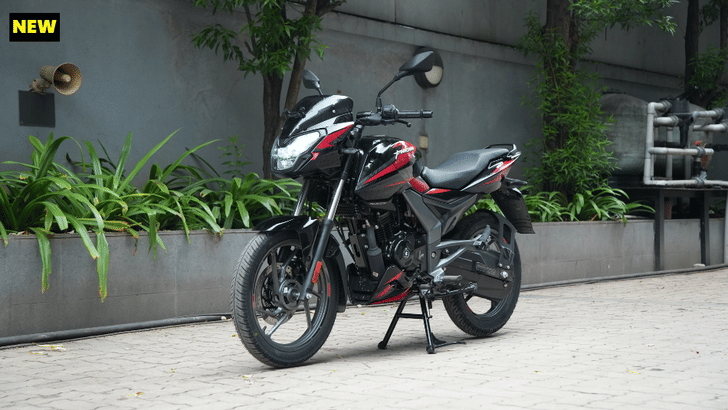
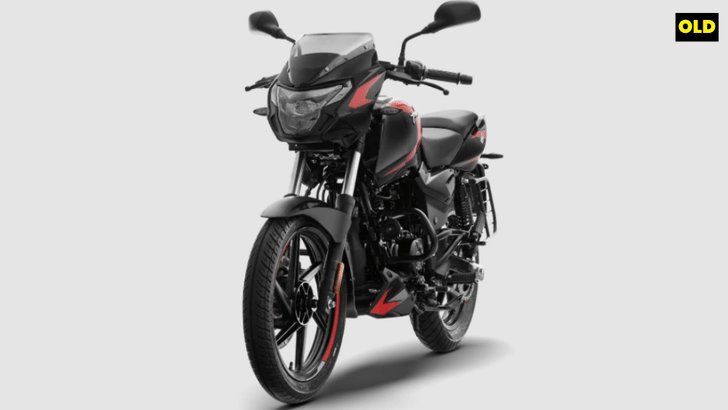
The fork on the new Pulsar 150 remains a right-side-up (RSU) telescopic unit. However, the previous top variant of the Pulsar 150, Split Seat, had a larger 37mm fork with 130mm of travel. The base variant had a 31mm fork with an even longer 135mm of travel. The new Pulsar 150 swaps both for an in-between 33mm-diameter fork and a shorter 125mm travel. While the reduced travel is unlikely to compromise the bike’s functionality by a noticeable amount, it’s worth mentioning nevertheless. The rear suspension, on the other hand, has seen improvements across the board. The familiar twin-shock setup has been chucked for a brand-new monoshock unit, and the travel has been increased by 8mm to 110mm. Bajaj claims the change gives the Pulsar 150 greater straight-line and cornering stability.
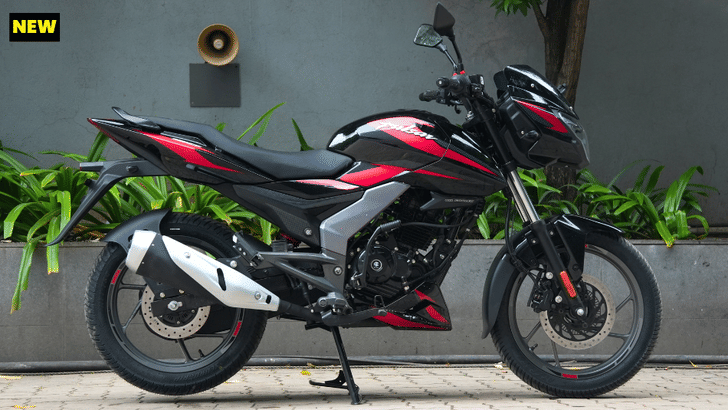
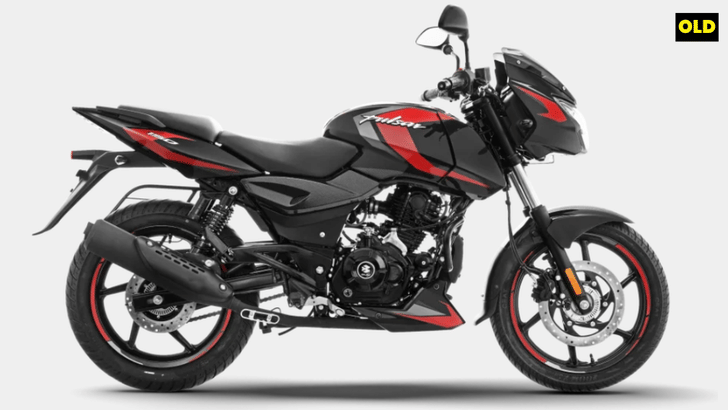
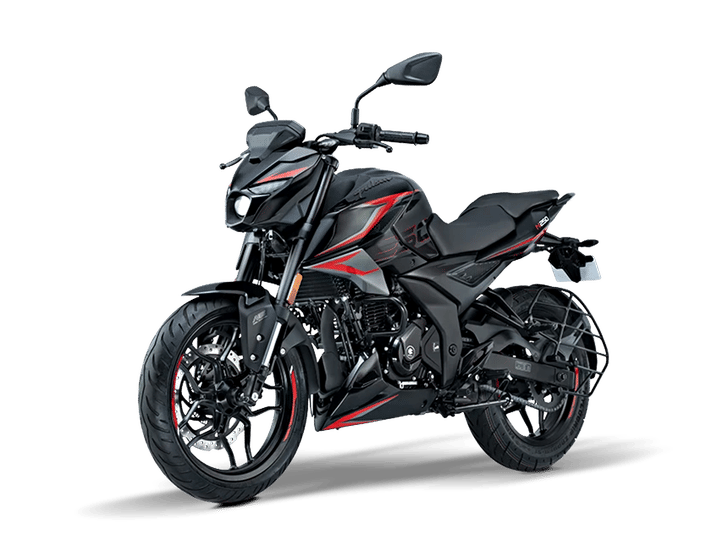
The lighting setup on the Pulsar has also changed. While the headlight and tail-light continue to be LED across the board, Bajaj has slightly redesigned the fairing on the new Pulsar 150. The LED indicators that were previously standard, though, are now only available on the top two variants. The new Pulsar 150 also has hazard lights but only on the top two variants. These two variants get the belly pan as standard, too.
Bajaj Pulsar 150 new vs old: Wheels, tyres and brakes
New Pulsar 150 has smaller tyres and brakes
Moving on to the tyres, the top variant of the outgoing Pulsar 150 had larger tyres at both the front and rear. The new one, however, standardises the base variant’s tyre sizes for all three variants. The same goes for the front brakes. Both old and new Pulsar 150s stick to having single-channel ABS as standard. If you need dual-channel ABS, you would have to upgrade to the Pulsar N160’s top variant.
Bajaj Pulsar 150 New vs Old: Features
Host of new features on the new Pulsar 150
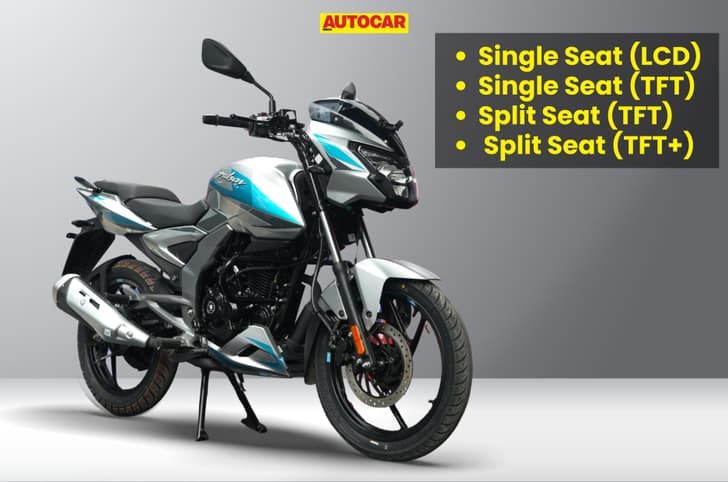
This is the one area where the new Pulsar 150 unabashedly moves things forward. The previous Pulsar 150’s base variant had a semi-digital instrument cluster, and the top variant had the negative LCD instrument cluster. Both are gone now, with a new 5-inch LCD cluster taking their place on the base variant and the mid and top variants getting a 5-inch TFT cluster. All three variants come with Bluetooth as standard, while the top variant even adds WiFi support. All three get connected features such as music control and call and SMS alerts.
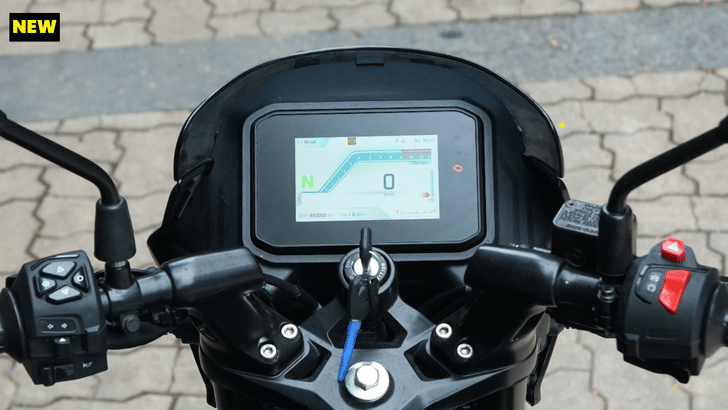
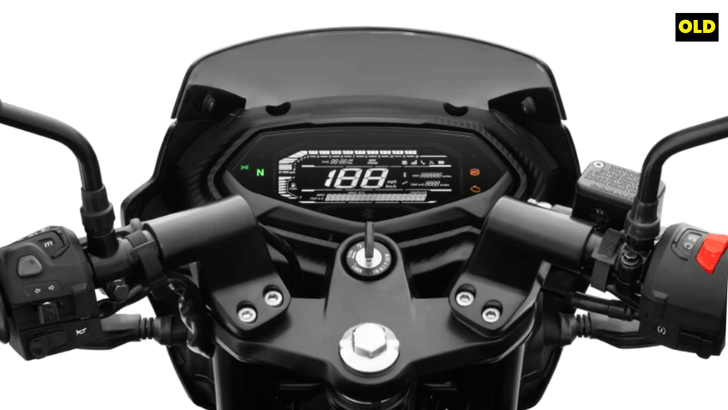
However, only the TFT cluster can store important documents like the licence and RC for quick access. Additionally, the top variant exclusively gets Google Maps mirroring for navigation, whereas the other two stick to turn-by-turn navigation. If you are worried that the navigation will drain your phone’s battery, the new Pulsar 150 also gives you a USB Type-C port, an upgrade from the previous version’s USB Type-A port, but only on the top two variants.
The Pulsar 150 has three ride modes – Road, Rain and Sport – with crawl tech and an integrated starter generator (ISG) adding to the convenience. ISG is once again exclusive to the top two variants. Crawl tech makes navigating stop-and-go traffic easier, whereas ISG gives you a silent start and a stop-start system to help conserve fuel.
Bajaj Pulsar 150 New vs Old: Price
Costlier by at least Rs 4,000
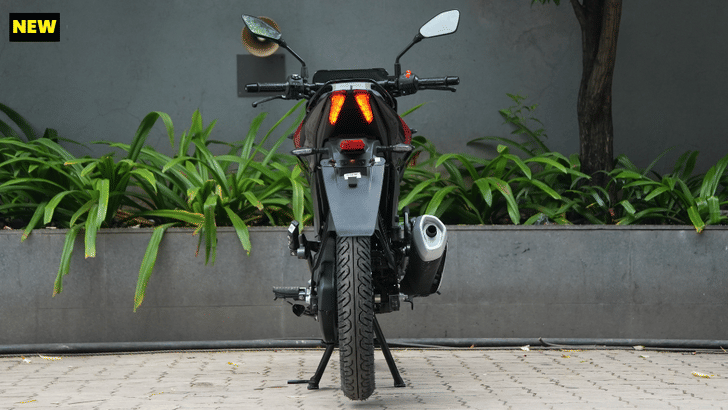
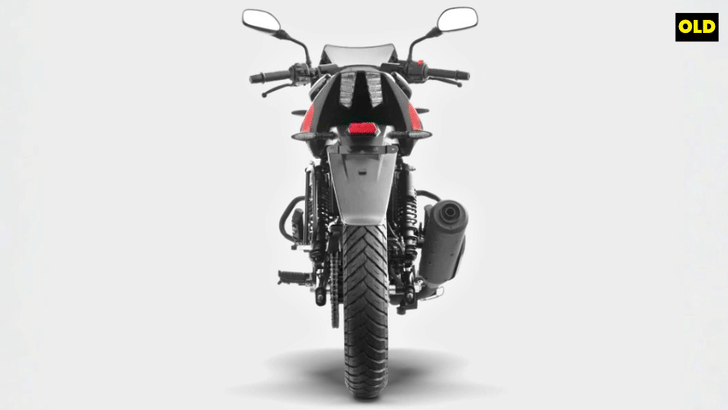
With all the new changes and features, the new Pulsar 150 starts at Rs 1.15 lakh for the base variant and goes up to Rs 1.23 lakh for the top variant. For context, the old Pulsar 150’s price ranged between Rs 1.11 lakh and Rs 1.18 lakh. While the new Pulsar 150 gives you more features, it also lacks some things compared to the older model. Deciding whether it’s really an upgrade therefore requires a test ride, as the real-world experience is hard to conclude based on the spec sheet alone.
Prices are ex-showroom, Delhi.
 Vishal Venugopal
 Ved Janve