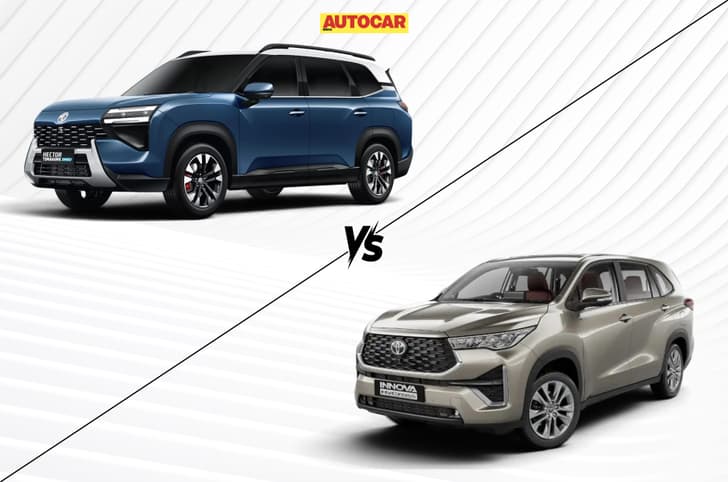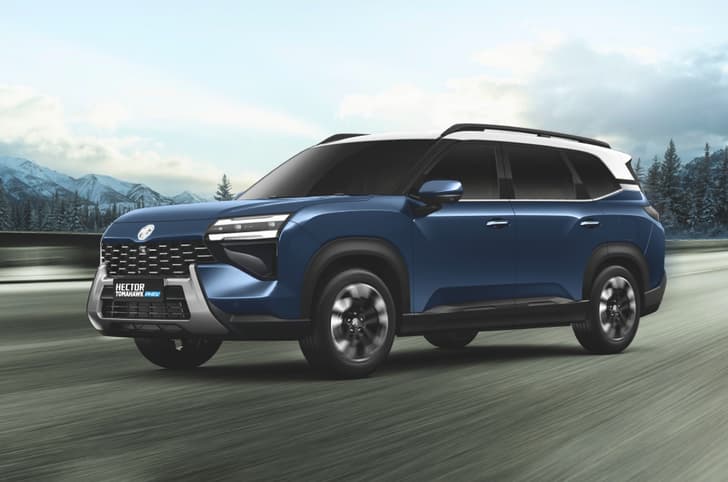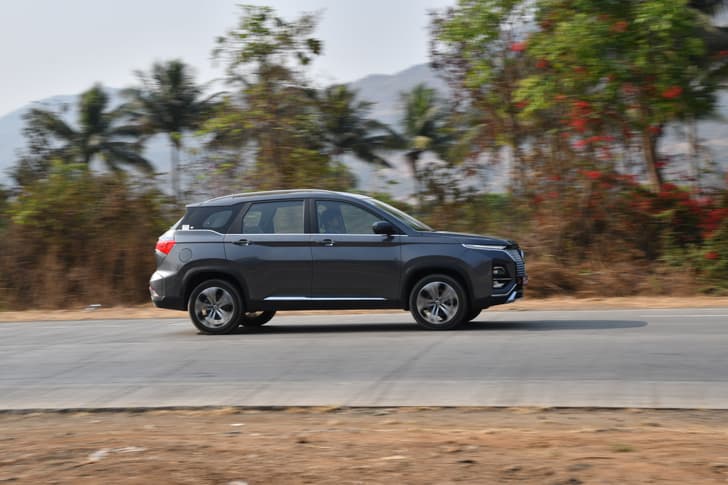


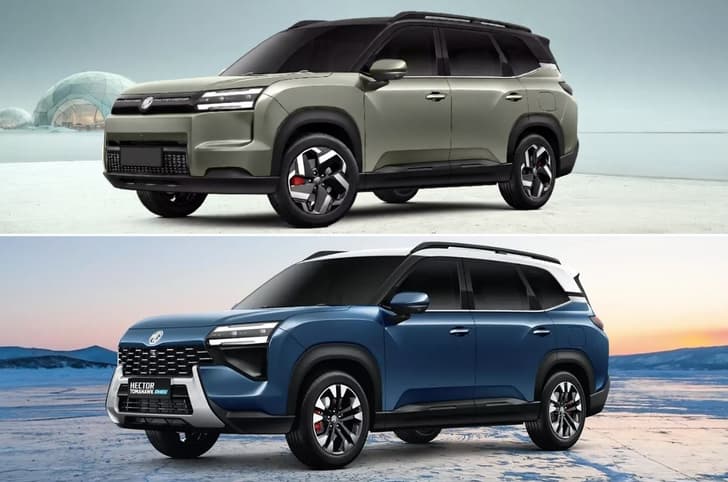
MG launched the Hector Tomahawk in India in both all-electric (EV) and plug-in hybrid (PHEV) versions, with prices starting from Rs 19.50 lakh and Rs 25.70 lakh, respectively. Both models pack a lot of new-age technologies and have piqued enthusiasts’ interest. Here’s everything you need to know about the MG Hector Tomahawk EV and Hector Tomahawk PHEV.
1. What are the exterior differences between the EV and PHEV?
Different grilles, front bumpers and alloy wheels
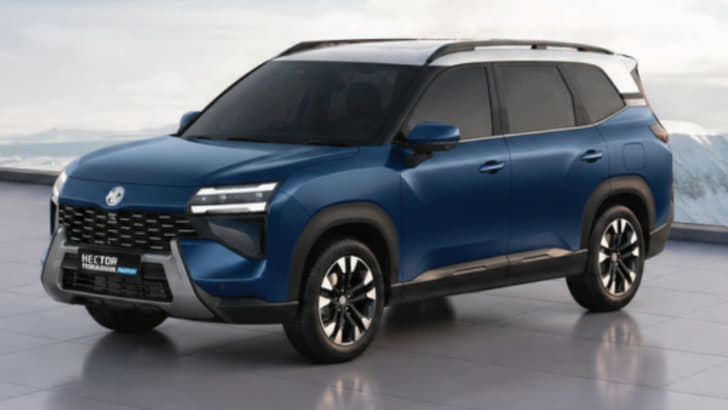
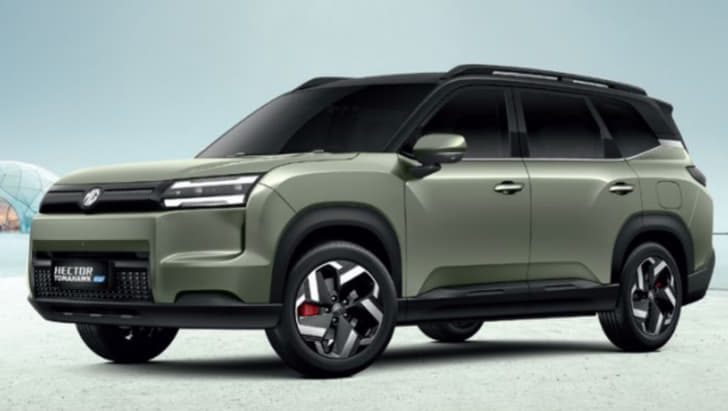
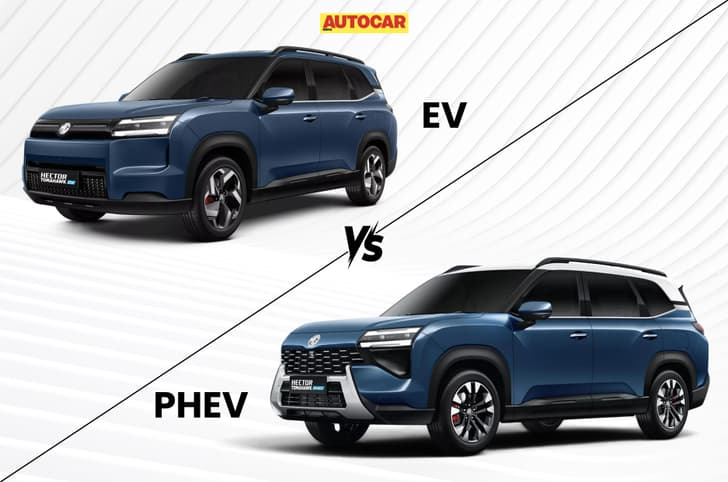
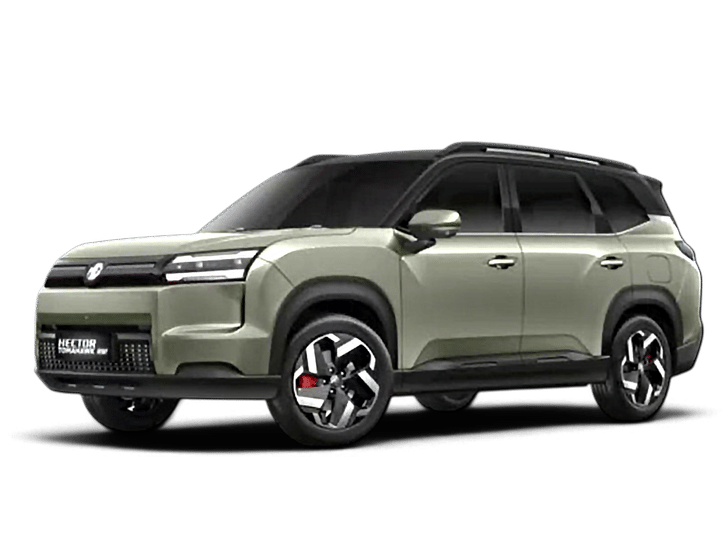
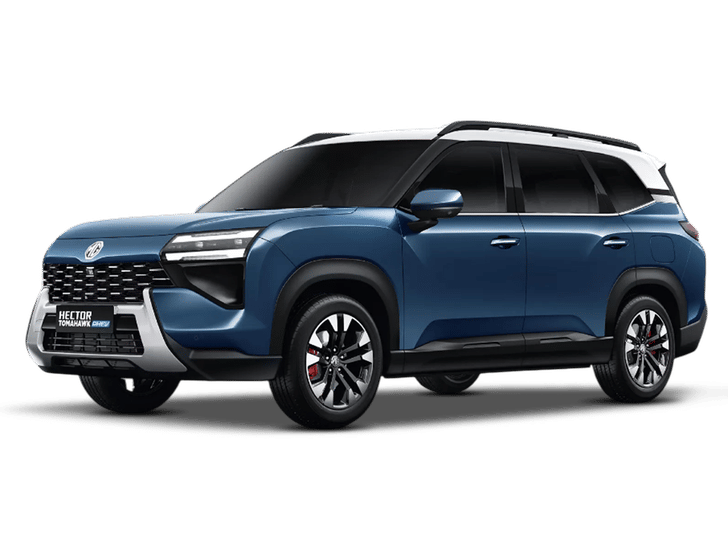
The Hector Tomahawk’s EV and PHEV versions have some design differences. The EV gets a blanked-off gloss-black grille, whereas the PHEV features a functional grille with chrome inserts and black trims underneath the headlights. The front bumper’s design is also different, with the PHEV getting a silver bull bar-like element in the centre that the EV misses. The headlights and illuminated MG logo are, however, shared.
Their side profiles are quite similar, except for the 18-inch alloy wheel designs and red calipers on the top-spec Hector Tomahawk PHEV. If you opt for a dual-tone shade, the EV will sport a black roof, while the PHEV will get a white roof. The rear design is identical for both versions.
2. What are the interior differences between the EV and PHEV?
Save for a luggage cover and different cabin themes, everything else is the same
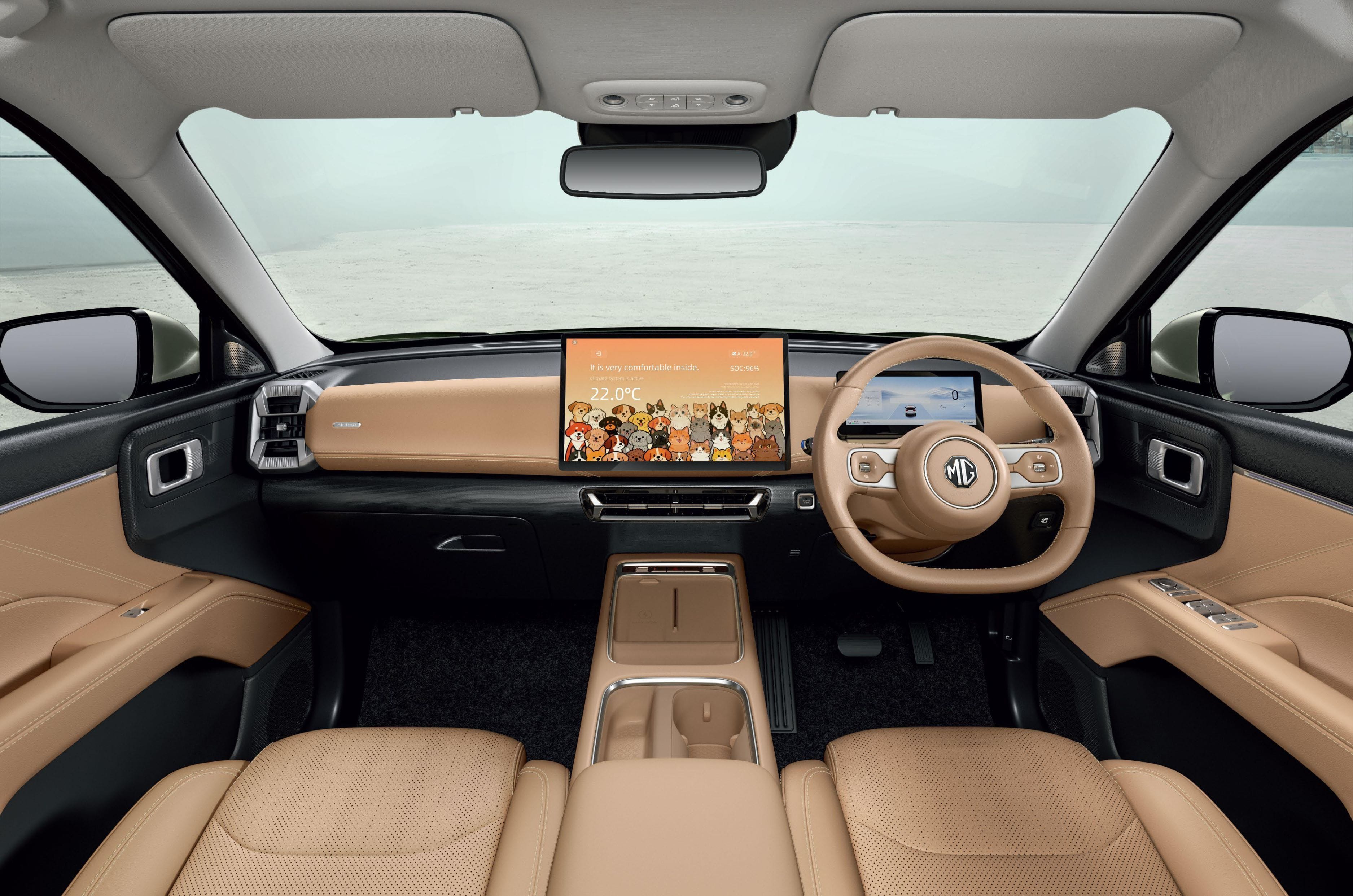
Save for a rolling luggage shade on the 5-seat variants of the EV and a different cabin theme – beige and black on the EV and brown and black on the PHEV – there is no visible difference. Everything else is the same, including the feature suite: a 15.6-inch touchscreen infotainment system, an 8.8-inch digital driver’s display, a 10-speaker Infinity sound system, a panoramic sunroof, powered and ventilated front seats with memory function for the driver’s seat and a 50W fast wireless charger.
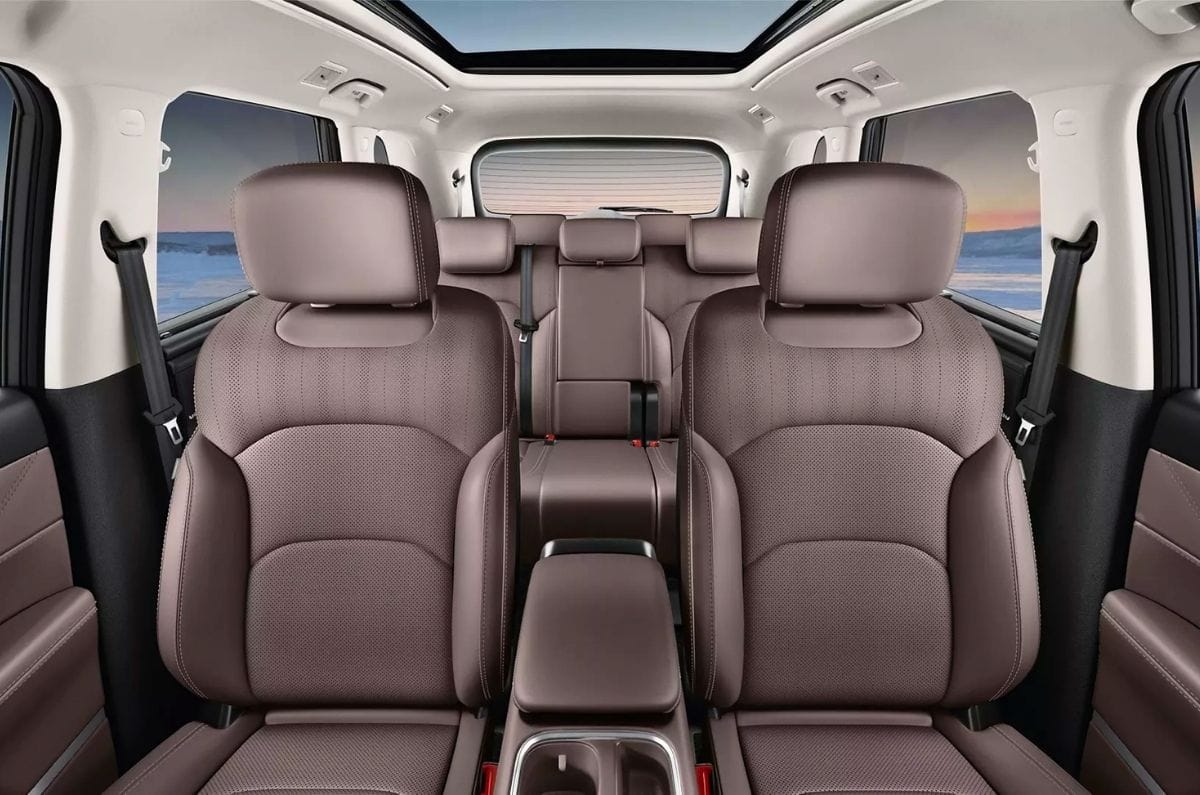
The safety features are also identical, including 6 airbags, a 360-degree camera setup with an under-bonnet view, Level 2 advanced driver assistance systems (ADAS) and a tyre-pressure monitoring system (TPMS).
3. What is the boot space on the MG Hector Tomahawk EV and PHEV?
EV and PHEV versions offer up to 610 litres and 192 litres of boot space, respectively

The MG Hector Tomahawk EV comes in 5-seater and 7-seater versions. The 5-seater offers 610 litres of boot space with all rows up, expandable to 1,053 litres by folding down the rear row. In the 7-seater, the boot space is 192 litres with all rows up and 528 litres with the third row folded.
The PHEV is available only as a 7-seater, and like the EV’s 7-seat version, offers a boot space of 192 litres, expandable to 528 litres by folding the third row. None of the versions gets a frunk (storage space under the bonnet).
What community is saying on the Hector Tomahawk EV?
4. What are the powertrain specifications of the MG Hector Tomahawk PHEV and EV?
PHEV has a 1.5L engine and a 20.5kWh battery; EV gets a 69.2kWh battery pack
The MG Hector Tomahawk PHEV gets a 1.5-litre naturally aspirated petrol engine and a 20.5kWh battery pack, offering a combined output of 198hp and 230Nm. MG claims an all-electric range of over 115km for this front-wheel-drive (FWD) SUV and a combined range of more than 1,100km.
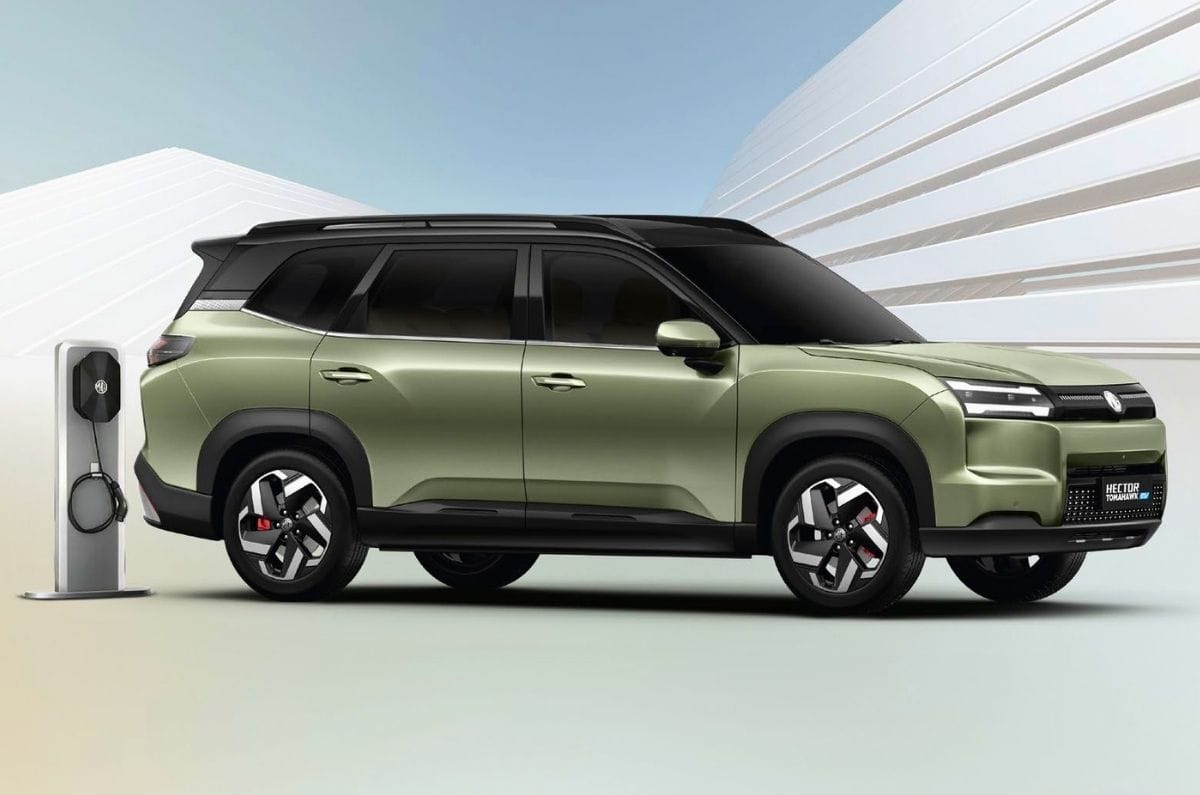
The MG Hector Tomahawk EV, on the other hand, gets a 69.2kWh battery pack, mated to a front-axle-mounted electric motor producing 204hp and 310Nm. It has a claimed range of 517km.
5. Can the Hector Tomahawk PHEV be charged at a public EV charging station?
It supports 25kW DC fast charging
Yes, being a plug-in hybrid (PHEV), the MG Hector Tomahawk PHEV supports 25kW DC fast charging. This can replenish the battery from 30 to 80 percent in 35 minutes. MG is also offering it with a 3.3kW home charger, which can top up the battery pack from 10 to 100 percent in 7.5 hours.
6. Are the MG Tomahawk EV and PHEV more affordable with BaaS?
With BaaS, upfront price falls by up to Rs 6.01 lakh for EV and by Rs 3.91 lakh for PHEV
*Battery subscription fee is Rs 4.9 per km, payable every month
^Battery subscription fee is Rs 3.2 per km, payable every month
The Battery-as-a-Service (BaaS) scheme reduces the upfront price of the MG Hector Tomahawk EV by Rs 6.01 lakh and that of the PHEV by Rs 3.91 lakh. However, each month, buyers have to pay a battery rental fee for every kilometre driven: Rs 4.90 per km for the EV and Rs 3.20 per km for the PHEV. At these rates, the upfront savings from BaaS are effectively used up after 1,22,653km for the EV and 1,22,187km for the PHEV.
In simple terms, if you expect to drive less than 1.22 lakh km over the entire ownership period, BaaS could be the more affordable option because of its lower initial cost. Otherwise, buying the Hector Tomahawk with the battery included is likely to save you more money in the long run.
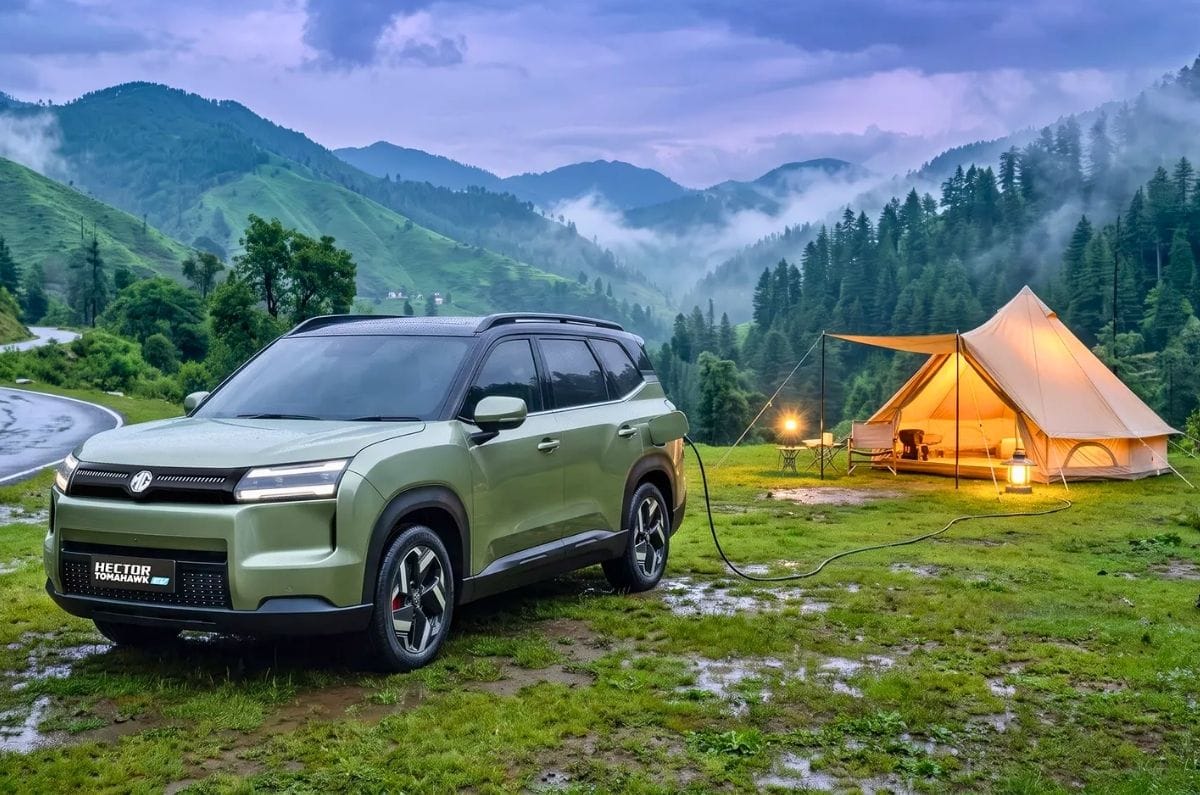
There is also another factor to consider. Under the BaaS plan, you do not own the battery, so your long-term costs depend on the rental agreement. If MG increases the per-kilometre fee or changes the contract in the future, your running costs could also increase. Therefore, while BaaS would be more affordable for most buyers, purchasing the vehicle with the battery cost included may offer greater certainty in running cost calculations.
Prices are ex-showroom, India.

 Uday Singh


 Glenn Noronha