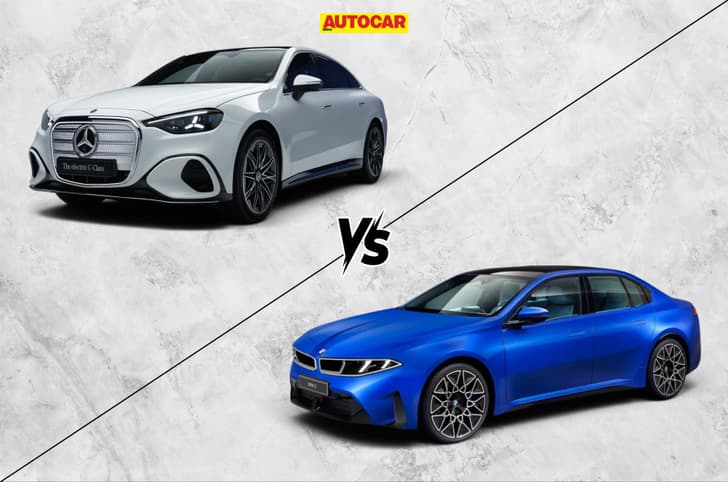


BMW recently debuted a major facelift for its flagship luxury sedan, the 7 Series. This comes just a couple of months after Mercedes-Benz unveiled a similarly comprehensive facelift of the S-Class, which serves as the 7 Series’ direct rival. We pit both of these updated flagship sedans against each other on paper to see how they stack up.
2026 BMW 7 Series vs Mercedes-Benz S-Class: Exterior design
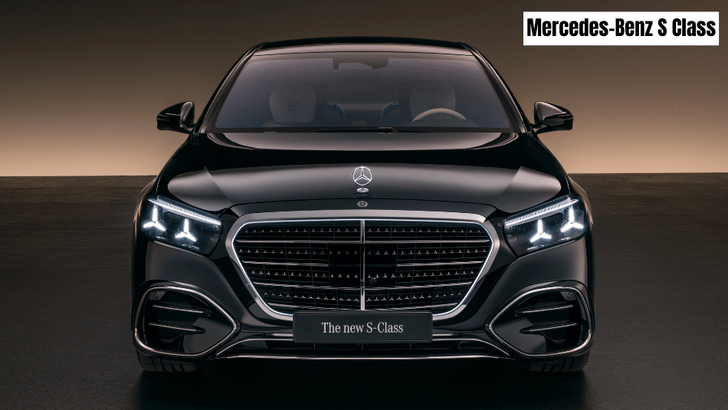
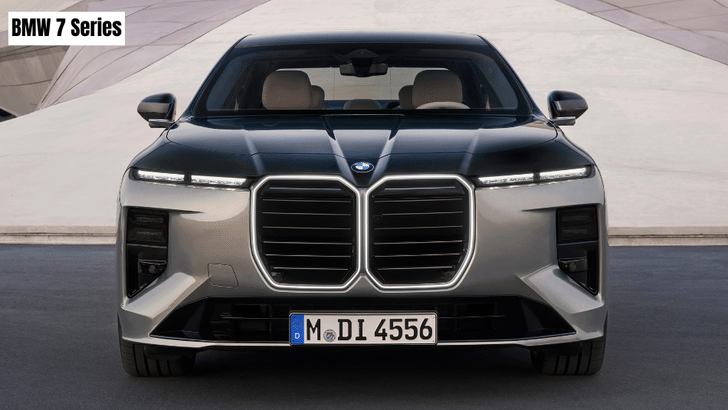
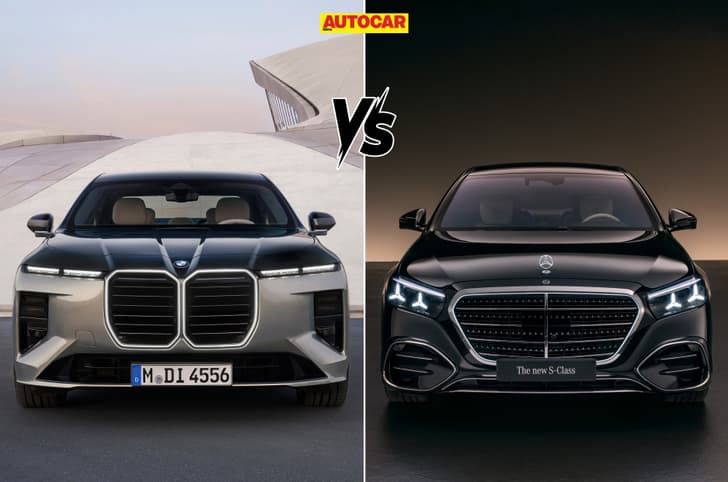
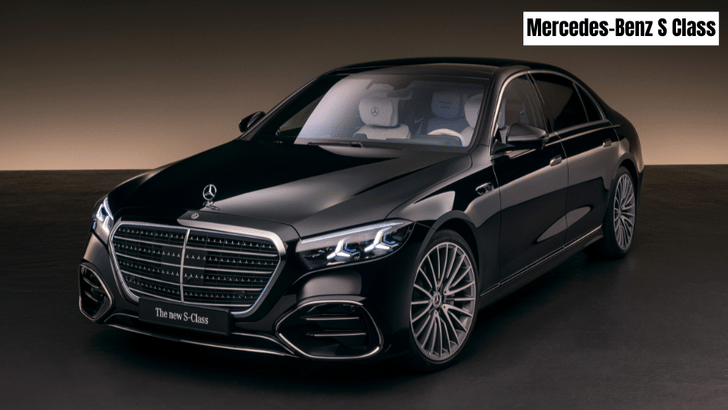
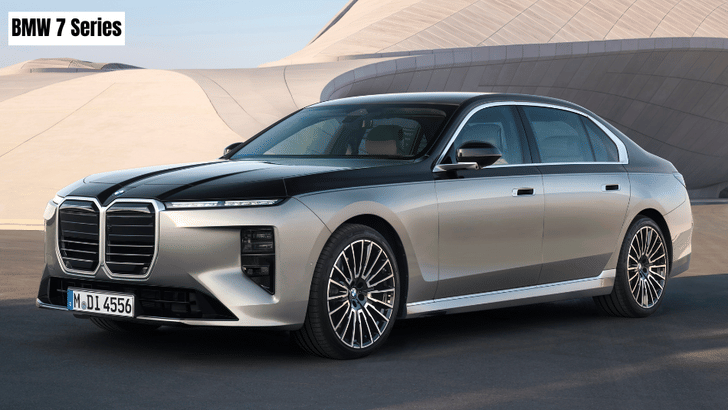
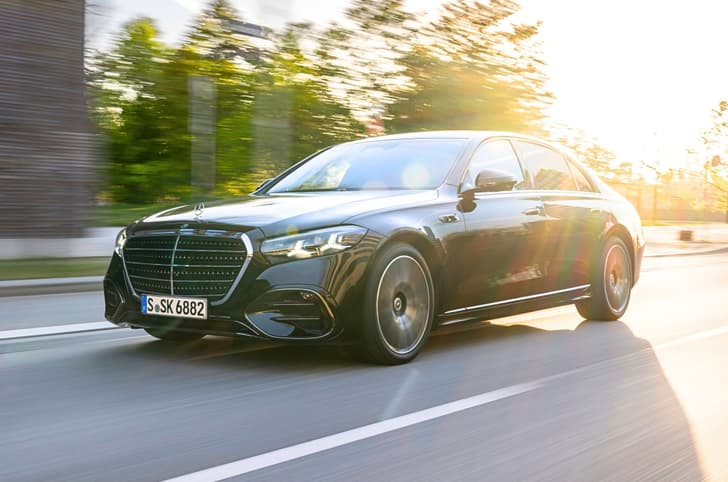
Up front, the 7 Series features a split-headlight arrangement flanking large illuminated kidney grilles, whereas the S-Class facelift places a major emphasis on the Mercedes-Benz three-pointed star motif – it can be seen in the DRL signatures, bonnet-mounted emblems, and even between the slats of the illuminated grille.
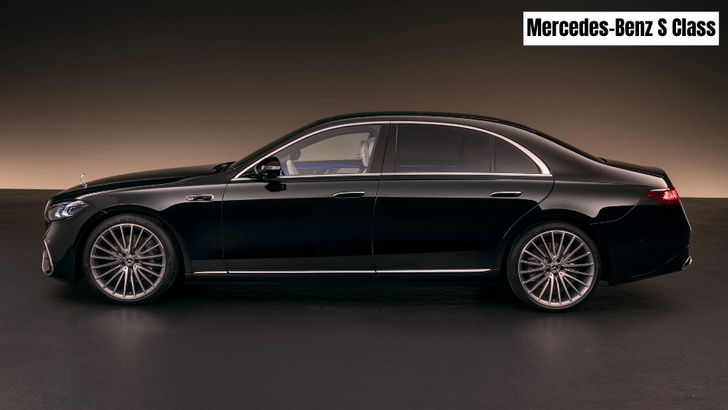
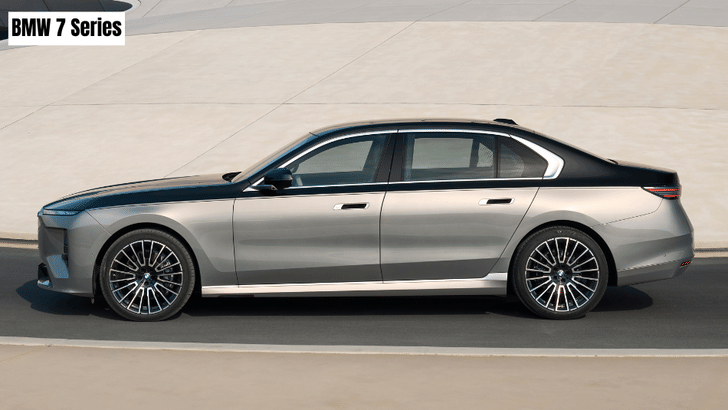
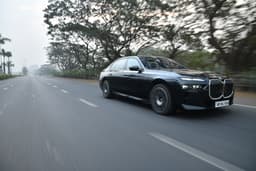
Over to the side, the 7 Series facelift largely retains the squarish and slab-sided design of the outgoing model, while the S-Class sports sleeker, more fluid proportions. The S-Class gets either 18- or 19-inch wheels as standard, but the 7 Series is equipped with 20-inchers as standard, which can be optioned up to 22 inches.
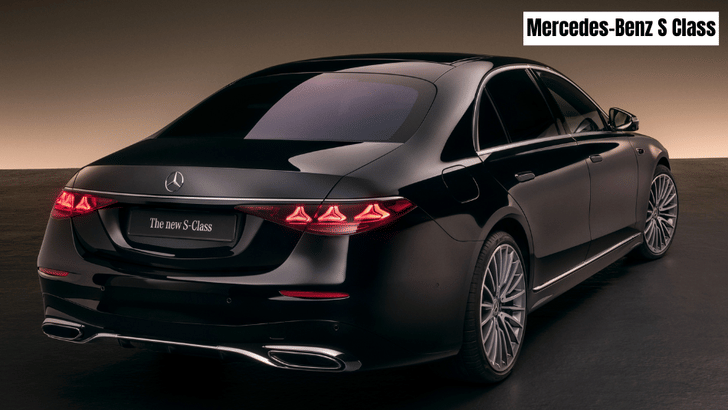
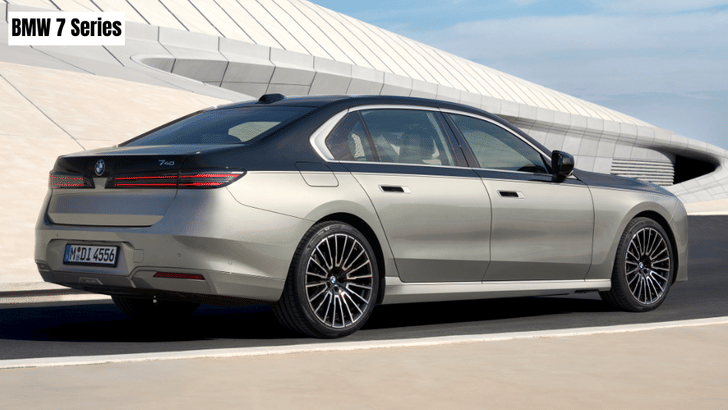
The rear end of the 2026 7 Series facelift takes cues from Neue Klasse BMWs like the iX3 and i3, particularly the wide wraparound LED tail-lamps. It also gets a redesigned bumper with a subtle body-coloured diffuser. The S-Class’ posterior, on the other hand, features sleek LED tail-lamps housing three-pointed star signatures and a chrome-lined bumper.
Dimensionally, the 7 Series is 91mm longer, 29mm wider and 47mm taller than the S-Class, though the Merc beats out the BMW by an ever-so-slight 1mm in the wheelbase department.
2026 BMW 7 Series vs Mercedes-Benz S-Class: Interior and features
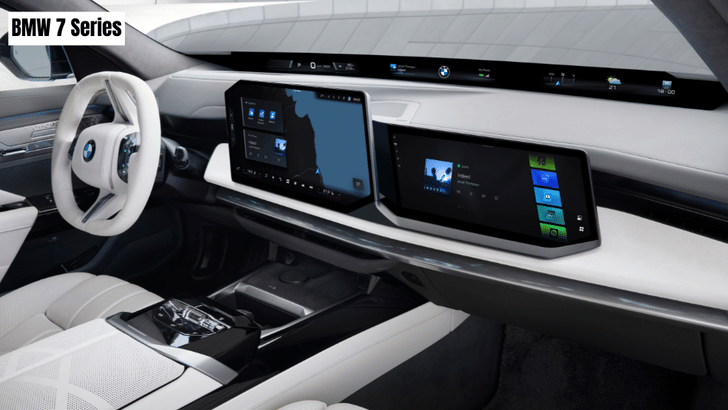
Inside, both luxury sedans are loaded with the best of tech from their respective brands. The 7 Series borrows Neue Klasse equipment like the pillar-to-pillar Panoramic Vision display, rhomboidal 17.9-inch infotainment touchscreen, new vertical-spoke steering wheel, and – for the first time in a BMW – a 14.6-inch passenger display that’s fitted as standard.
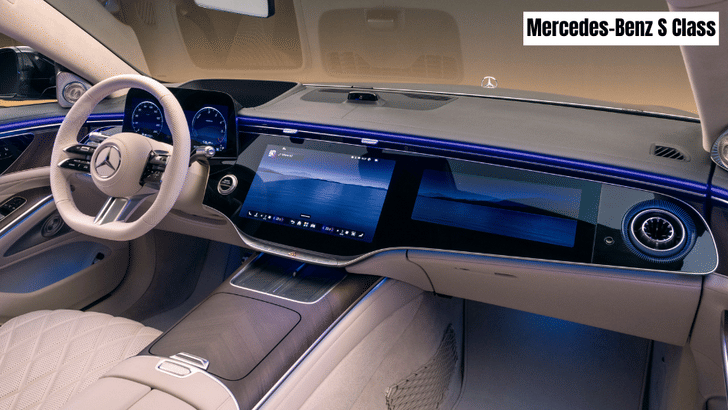
The S-Class’ dashboard is also dominated by a triple-screen setup – 14.4-inch infotainment, 12.3-inch passenger and 12.3-inch driver’s display – along with a more conventional three-spoke flat-bottomed steering wheel and generous ambient lighting all around.
At the back, the 7 Series facelift continues to offer creature comforts like a 31.3-inch 8K theatre display, powered sunblinds, a panoramic glass roof with optional ambient lighting effects, four-zone climate control, heated, massaging and ventilated seats, and more.
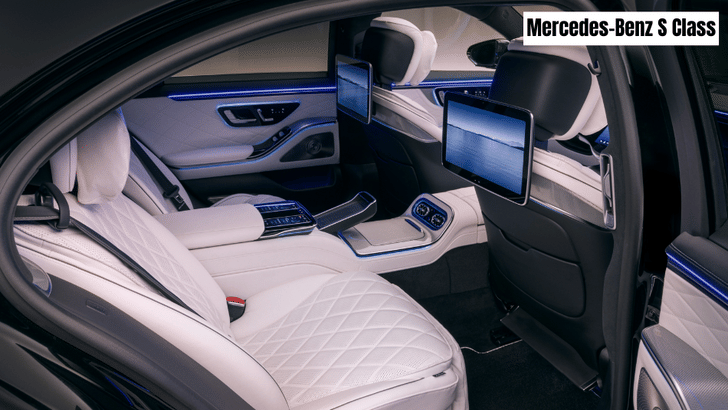
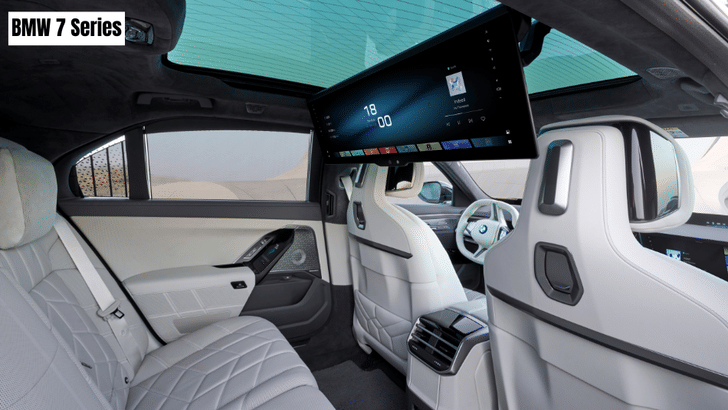
Meanwhile, the 2026 S-Class features dual 13.6-inch entertainment screens for rear passengers, 43.5-degree reclining seats with heating, ventilation and massage functions, two phone-like controllers, and four-zone climate control for rear passengers.
2026 BMW 7 Series vs Mercedes-Benz S-Class: Powertrains and performance
The facelifted 7 Series and S-Class carry forward the same mild-hybrid powertrains as their respective predecessors, but with increased power and torque outputs – the 7 Series is more powerful like-for-like. Both luxury flagships come with 6-cylinder petrol and diesel engines, but the S-Class additionally offers a 4.0-litre twin-turbo petrol V8.
It should be noted that in global markets, they’re offered with plug-in hybrid powertrains too, but we’ve considered only the ones already sold in or headed to India. The S-Class also gets a 9-speed automatic transmission – one more gear over the 7 Series’ gearbox. As for performance, the 7 Series is slower than the S-Class across the board, while they’re matched on the top speed front.



 Uday Singh
 Glenn Noronha
 Dipan Sur