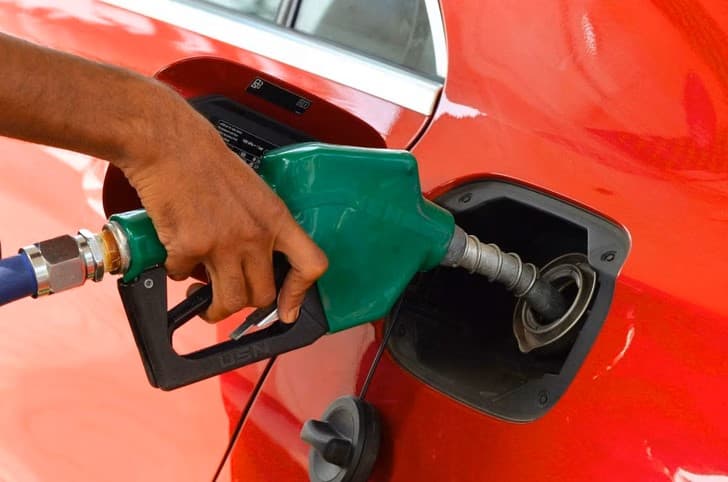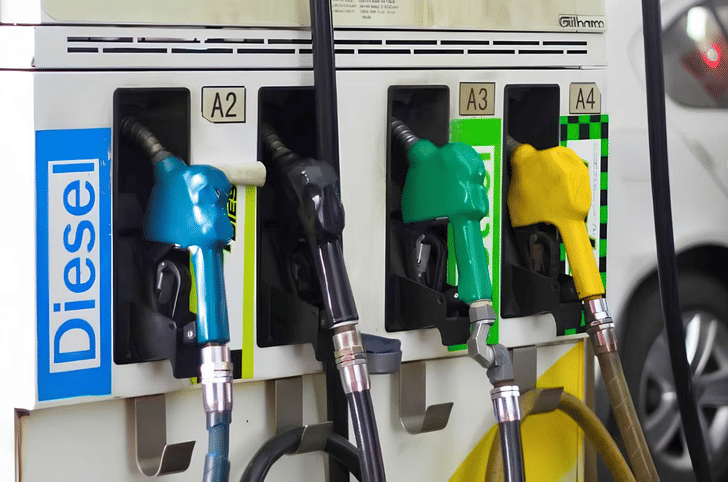
The government has ruled out blending ethanol with diesel as it sharply lowers the fuel's flash point (the temperature at which its vapours can ignite) and fails to meet the required safety standards. Public-sector oil marketing companies (OMCs) tested ethanol-diesel blends at their research and development centres in association with accredited laboratories and automobile manufacturers, minister of state for petroleum and natural gas, Suresh Gopi said.
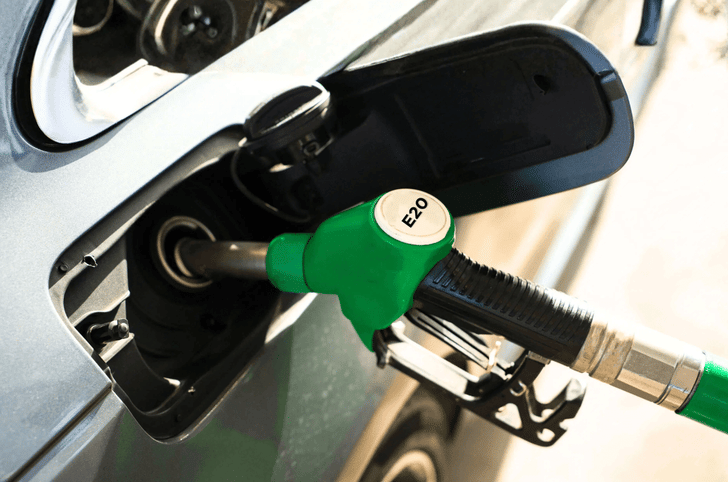
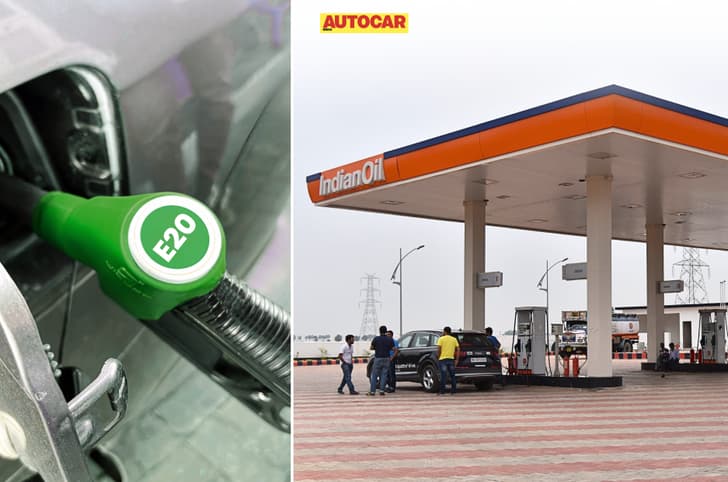
This comes after the government seeks to blend ethanol with other fuels beyond petrol. Currently, E20 and E85 fuels, which contain 20 percent and 85 percent ethanol blends, respectively, are available in the country.
Issues in ethanol-diesel blending
For years, blending ethanol with diesel has been a challenge as the chemistry refuses to cooperate. Ethanol is a two-carbon alcohol with a polar structure, meaning it doesn't like to mix with the oily consistency of diesel. As a result, ethanol and diesel can separate when stored together unless chemical binders are used. These binders, however, can be expensive.
Ethanol has a flash point of just 12 to 13deg C, compared with the minimum 35deg C requirement for diesel. This puts the two fuels in different petroleum safety classes, making both their storage and transportation difficult. Even with proprietary binders, OEMs have generally been reluctant to go beyond a 5 percent ethanol blend before combustion issues emerged.
Isobutanol-diesel blending trial could begin in Q2 FY2027
A pilot trial for diesel blended with 2 percent isobutanol is expected to start in the second quarter of FY2027, Tata Motors Commercial Vehicles MD and CEO Girish Wagh stated last month. The initiative is being led by a government task force with participation from original equipment manufacturers, OMCs and testing agencies, among others. Tata Motors is working with state-run Hindustan Petroleum to secure the specialised blended fuel for the upcoming tests.
Isobutanol is a four-carbon alcohol with a flash point of 27 to 30deg C. This allows it to remain in the same Class B petroleum category as diesel. Initial tests found that a 10 percent isobutanol blend remained stable for more than 40 days without separating. Early dynamometer tests using standard Indian driving cycles also showed that a 5 percent blend reduced emissions, with a negligible 1 to 2 percent impact on mileage.
Wagh added that isobutanol could help reduce dependence on imported fuels. While it has a lower calorific value or energy content than regular diesel, a minimal 2 percent blend is expected to have a negligible effect on vehicle performance.
 Autocar India News Desk

 Dhruv Dhaka