Nissan almost went quiet in India a few years ago. But 2026 has been its comeback year. It launched two brand-new models and refreshed its bestseller, and now there are three Nissan cars you can actually walk into a showroom and buy: the Magnite, the Gravite and the Tekton.
Here's something worth knowing before we start comparing prices. Nissan builds all three of these cars alongside Renault at the same factory in Chennai, and each one has a Renault twin underneath. The Magnite shares its underpinnings with the Renault Kiger. The Gravite is built on the same base as the Renault Triber. And the Tekton shares its platform with the Renault Duster. So when you are cross-shopping, you are often really choosing between a Nissan and its own Renault sibling.
Mainstream brands like Maruti Suzuki, Hyundai, and Tata offer a wider range across hatchbacks, sedans, and SUVs. But, as of now, Nissan only focuses on three body types: a sub-4-meter SUV, a compact MPV, and a midsize SUV. So, if you are planning to buy a Nissan car in India, the key question is not which model is the cheapest, but which body style, engine and gearbox would suit your needs.
Which Nissan cars in India can you buy right now?
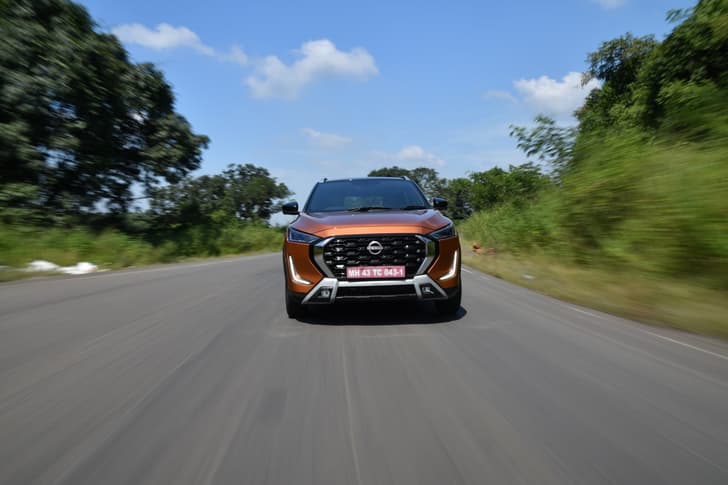
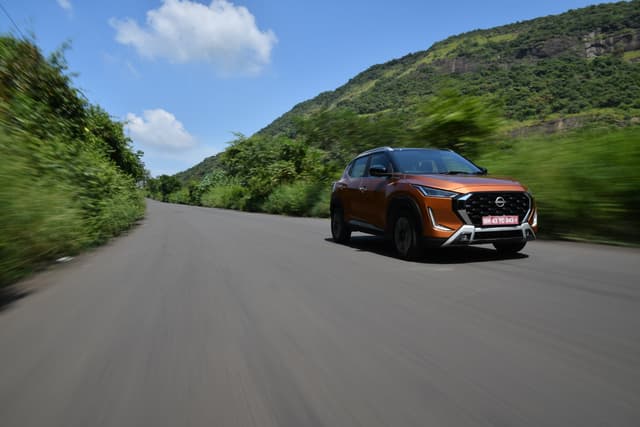
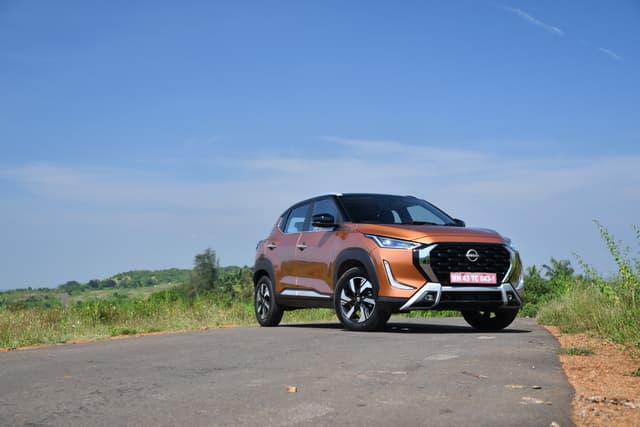
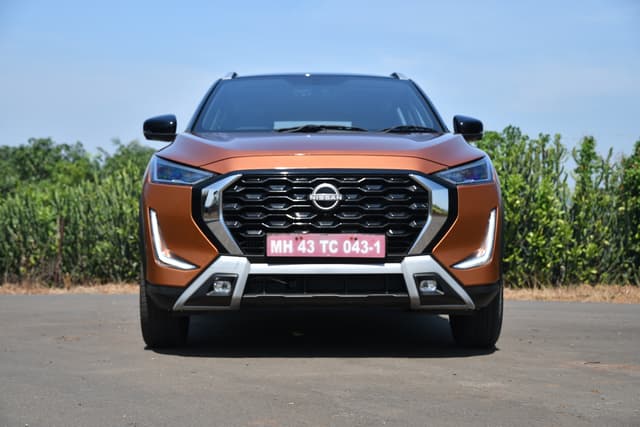
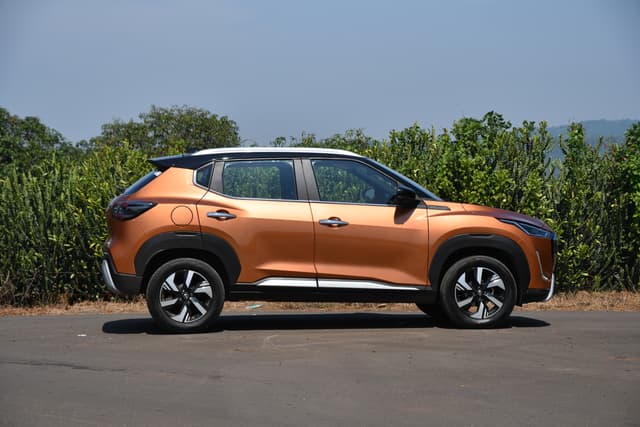
Nissan Magnite (Rs 5.65 - Rs 10.96 lakh): A sub 4-meter SUV, and Nissan's biggest seller in India. It's also the car Nissan exports to 65+ countries like UAE, Peru, Kuwait, etc., from its Chennai plant.
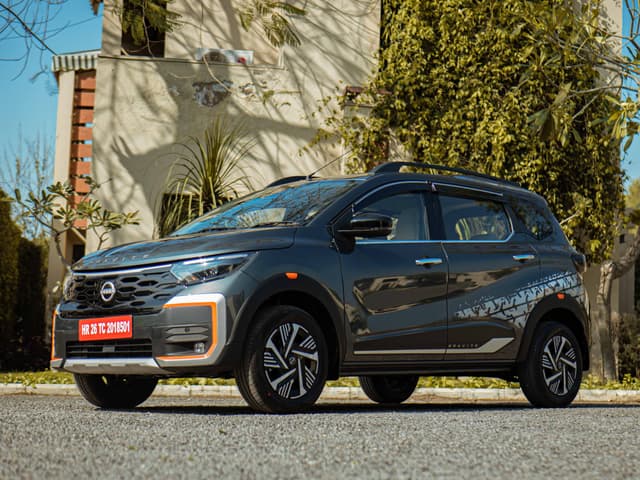
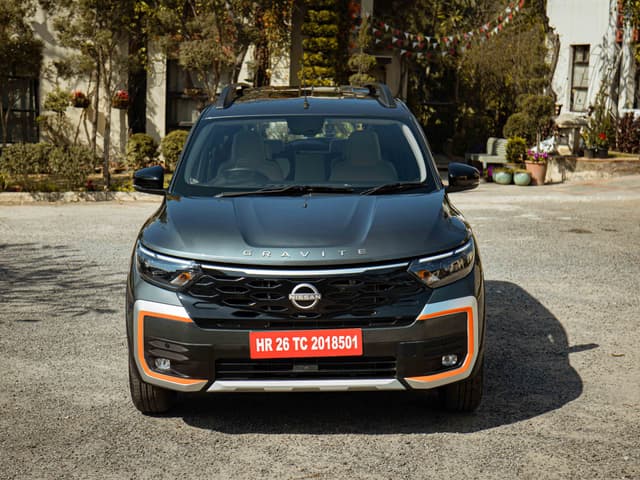
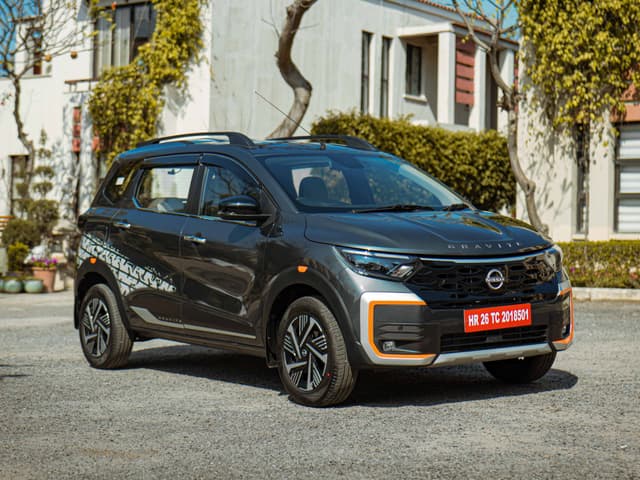
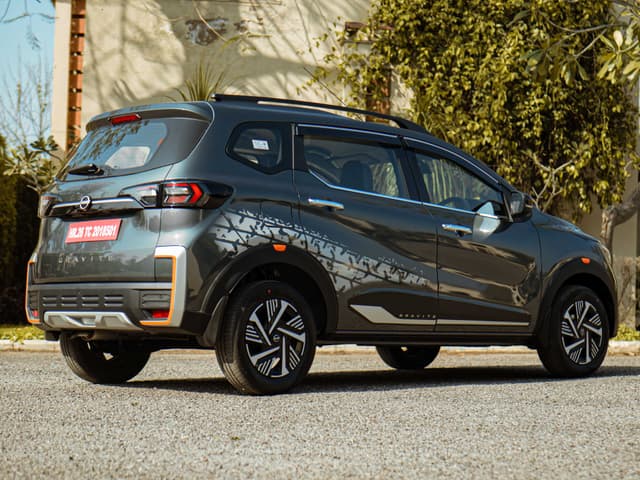
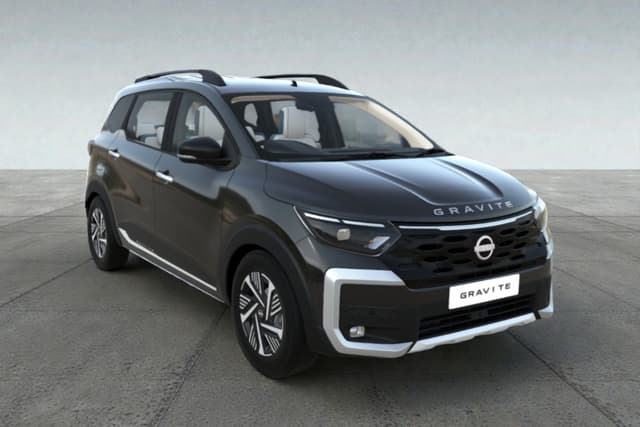
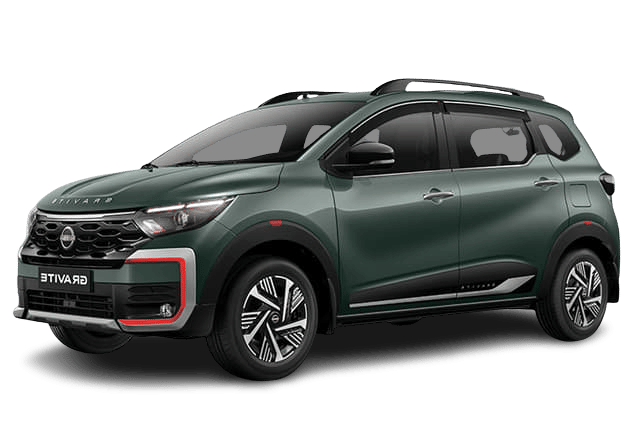
Nissan Gravite (Rs 5.65 - Rs 8.94 lakh): It is a 7-seater MPV that’s built mainly for families who need seven seats. This Nissan car rivals the Renault Triber.
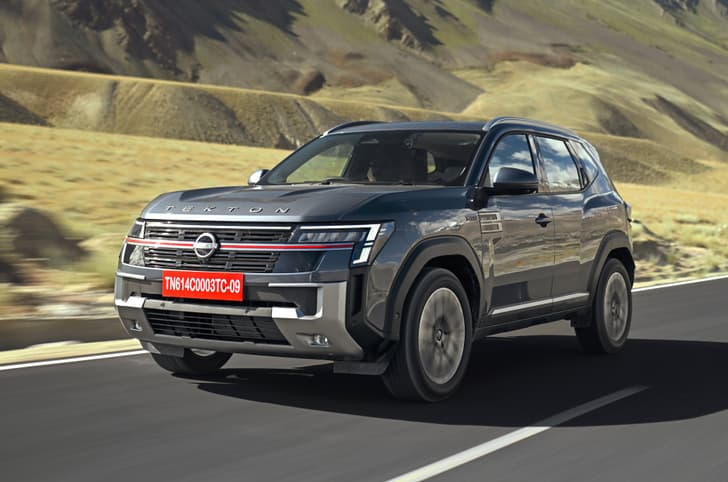
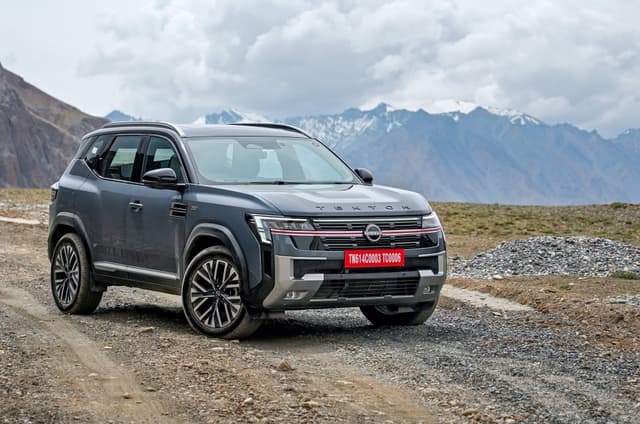
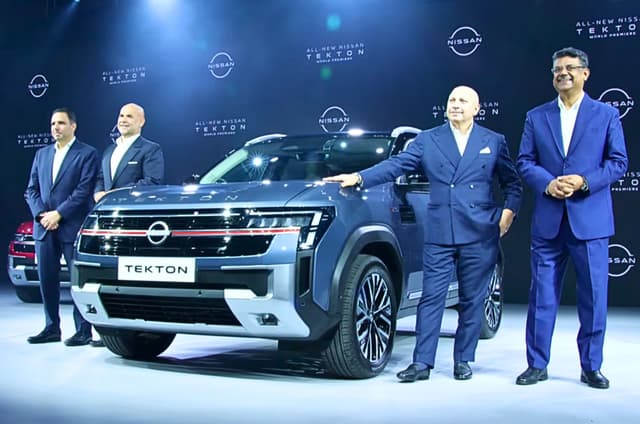
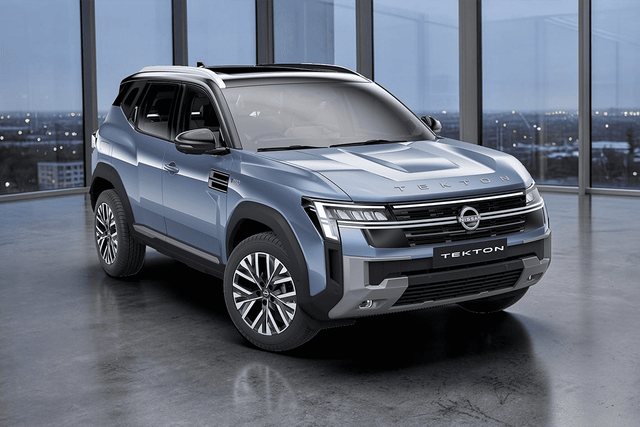
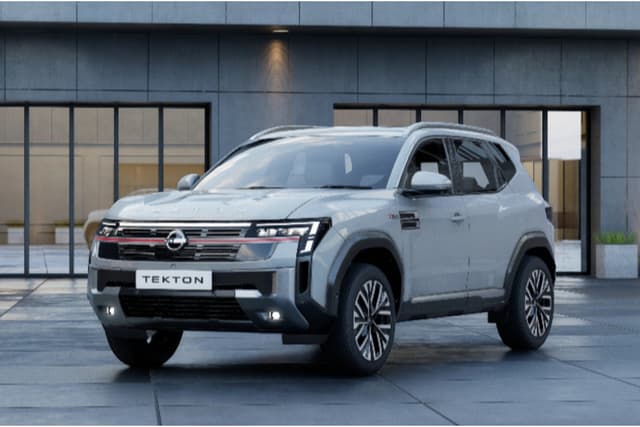
Nissan Tekton (Rs 10.49 - Rs 18.59 lakh): A bigger, mid-size SUV that goes up against cars like the Hyundai Creta and the Maruti Suzuki Victoris.
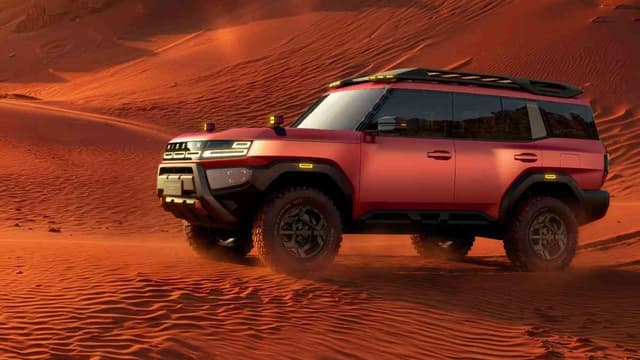
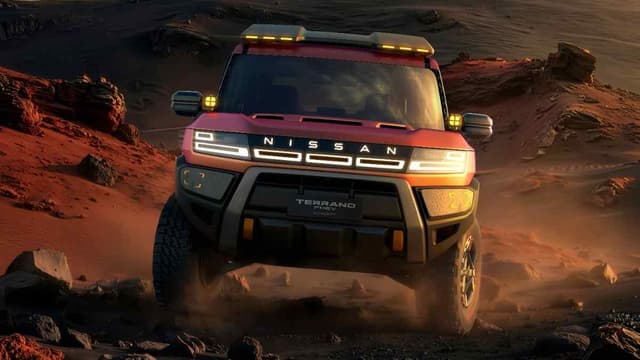
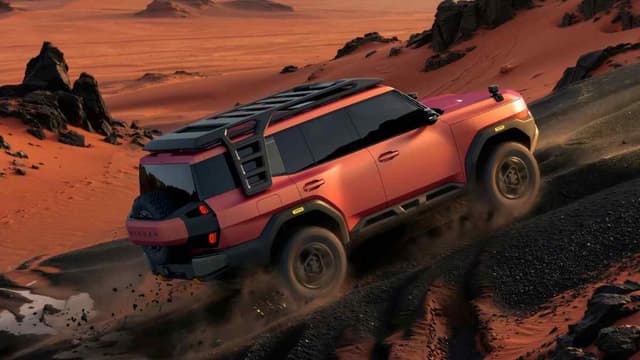
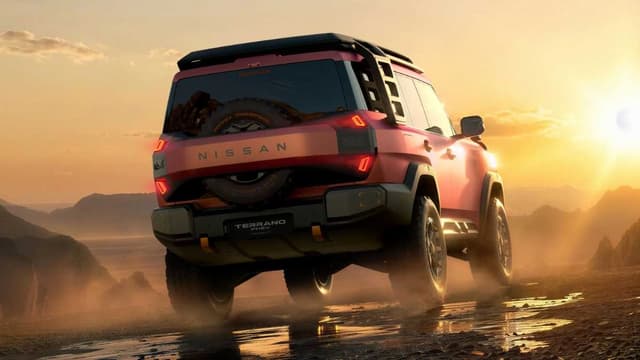
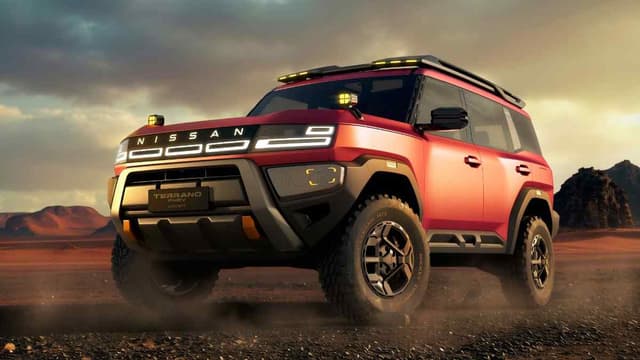
There’s a fourth Nissan car on the way, the Terrano, but it’s only been shown as a concept so far. It is expected to launch in 2028 and is estimated to be priced between Rs 40.00 lakh and Rs 45.00 lakh. All prices mentioned above are ex-showroom.
Should you buy a Nissan SUV or a Nissan MPV?
We at Autocar India would recommend that you choose based on how you plan to use the car.
Pick the Magnite if you mostly drive alone or with a small family and want an easy-to-manage SUV. Choose the Gravite if you regularly need to carry six or seven people, or want the flexibility of a third row. If you are already considering midsize SUVs such as the Creta or Seltos, the larger Tekton is the Nissan car to consider.
What engine and gearbox options do Nissan cars in India offer?
This is where a lot of buyers get confused, as each Nissan car gets a different combination of engines and gearboxes. But there is no need to fret, as we at Autocar India will help you break down the options and make it easier for you to make a decision.
Magnite: It gives you a choice between a regular 1.0-liter petrol engine and a turbo petrol version. The regular engine comes with a manual gearbox or an AMT. The turbo engine adds a CVT automatic option, which feels quite strong in comparison to 1.0-liter engine during overtaking on highways. The Magnite is also available with a government-approved retro-fitment CNG kit that comes with a 3-year/1 lakh km warranty.
Gravite: It only comes with a 1.0-liter petrol engine that’s paired with a manual gearbox or Nissan’s own automatic, which it calls EZ-Shift (AMT). There is no turbo option available. And just like Magnite, Gravite also comes with a dealer-fit CNG kit option, but it is available exclusively with the 5-speed manual variants.
Tekton: It is the only one of the three that gives you a real choice of engine size. You can pick a 1.0-liter turbo-petrol with a manual gearbox, or step up to a 1.3-liter turbo-petrol that comes with either a manual or a quick-shifting automatic gearbox called a DCT.
Note: As of now, no Nissan cars in India offer a diesel or a hybrid option, so if you specifically want either of those, you will need to look elsewhere.
How safe are Nissan cars?
Before getting into specifics, it helps to know how car safety is actually measured in India. Two agencies crash-test cars here: Bharat NCAP, run by the Indian government, and Global NCAP, an international safety body. Both give cars a star rating out of 5 based on how well they protect people in a crash.
All three current Nissan cars in India available for sale come with 6 airbags as standard, but their actual crash-test scores tell three very different stories. So, based on the assessment done by our experts, here’s what you need to know about the safety of each car:
The Tekton carries a full 5-star rating from Bharat NCAP. But Nissan didn't crash-test the Tekton itself. Bharat NCAP simply applied the same score the Renault Duster earned, since the two cars share an identical structure and safety equipment.
The Magnite has a 5-star Global NCAP rating for protecting adults in a crash, but only 3 stars for protecting children. So the headline number looks great, but it's not the whole picture.
The Gravite is the one to be most careful about because, as of now, it doesn't have any official crash-test rating from either of the two testing agencies. And for a car that's built and marketed specifically as a family MPV with a third row for kids, it’s something to be aware of before finalizing your purchase.
How much does it cost to maintain a Nissan car in India?
Maintenance is much more affordable than you would think. Nissan offers 3 free labour inspections before paid servicing starts. And when you calculate the running cost per kilometre, it comes to roughly 39 paise per km, which is low for the segment.
Engine
5-year scheduled service total (Approximate)
Average cost per year (Approximate)
Naturally aspirated petrol
Rs 15,690
Rs 3,138
Turbo petrol
Rs 16,645
Rs 3,329
Do Nissan cars hold their resale value?
Resale holds up quite well, at least for the Magnite, the only Nissan car that’s old enough to have a track record. A new Magnite currently costs between Rs 5.65 lakh and Rs 11.13 lakh, ex-showroom. In the used market, it typically retains about 50-65% of its value after 3 years, which is a healthy number for the segment. Current Spinny listings in Delhi NCR also back this up and show Magnite priced between Rs 3.72 lakh for the 2021 model and Rs 7.58 lakh for the 2024 model.
The Gravite and Tekton are new, so they don’t have a resale track record yet. It's worth treating the Magnite's numbers as the best available signal for what Nissan resale value will look like over time.
Nissan cars are generally known to pack a lot of value. Offerings like the Nissan Gravite and Magnite are competitively priced and offer a lot of useful features.
Limited number of service stations in the country is something that you should consider before buying a Nissan vehicle.
No, Nissan is not going to exit the country. The carmaker is actively revamping its India portfolio and is serious about the domestic market. Several new models, including CBUs, are expected to arrive in the future.
The Renault-Nissan-Mitsubishi Alliance is an automotive partnership founded in 1999. Notably, Mitsubishi does not sell any cars in India.
The Renault Group has taken over complete control of the Indian manufacturing operations in a joint venture with Nissan. Renault will take over 100 percent ownership (previously 49 percent), even though Nissan will continue to use the manufacturing infrastructure under the current JV, Renault Nissan Automotive India Private Ltd (RNAIPL). The move is part of a broader set of announcements that redefine the Renault-Nissan Alliance.
Yes, Nissan has been exporting made-in-India vehicles to international markets from its Chennai plant. In 2022, Nissan exported its one millionth made-in-India vehicle, which happened to be the Magnite SUV.
Need an expert opinion on your car related queries?
Trending Questions on Nissan Cars - Answered by Autocar Experts
•2d
I am looking for a sub-4-metre SUV for long-term ownership that is also fun to drive. My daily office commute is around 60km, with occasional highway trips, and good mileage is important. I have shortlisted the Volkswagen Taigun 1.5, Honda Elevate and Nissan Tekton. Which would be the ideal fit?
•1d
Go for the Volkswagen Taigun 1.5 TSI. It is the most fun-to-drive car on this shortlist, with strong performance, a responsive turbo petrol engine and a genuinely engaging driving experience. For a 60km daily commute and occasional highway trips, it strikes a good balance between driving enjoyment and efficiency, especially if you drive it sensibly.The Honda Elevate is the more sensible long-term ownership choice, with Honda’s reputation for reliability and low maintenance, but it is not as engaging to drive, and the naturally aspirated petrol engine lacks the punch of the Taigun’s turbo petrol.The Nissan Tekton is a solid all-rounder, but its 1.3 turbo petrol won't be as fuel efficient as the Taigun. If you want a car that will keep you engaged on your daily commute and still be reliable over the long term, the Taigun 1.5 TSI is the best fit.If you want maximum peace of mind and are willing to compromise on driving excitement, the Honda car mentioned above is the safer choice.
Volkswagen Taigun
Honda Elevate
Nissan Tekton
•1w
Between the Kiger and the Magnite, which one has actually aged better design-wise 3 years after launch? Curious what the general consensus is now versus at launch.
•2w
I am confused between the Hyundai Exter HX3, Hyundai i20, Nissan Magnite and Tata Punch. My main requirement is a superior cabin, and my budget is around Rs 9.5 lakh. Which one would be the better choice?
•1w
Go for the Hyundai Exter. Your priority is a superior cabin, and the Exter delivers the most premium and well-finished interior of your shortlist. It also offers a higher seating position, better visibility and a more modern feature set than the Hyundai i20, while still being easy to drive in the city. The i20 is a good car, but at Rs 9.5 lakh you will be limited to lower variants, and the Exter feels like a more complete package at this price point. The Nissan Magnite and Tata Punch are both strong value propositions, but the Exter's cabin quality and overall refinement are a step above. The Punch's naturally aspirated petrol engine is also not as refined or as punchy as the Exter's unit. Overall, the Exter strikes the best balance between cabin quality, comfort and value within your budget.
Hyundai Exter
Hyundai i20
Nissan Magnite
Tata Punch
•2w
I’m 6’2” and my top priority is a comfortable driving posture, especially good thigh support and seating position. My current Grand i10 has become quite uncomfortable during longer drives. I absolutely loved the seating position and overall comfort of XUV 700 and I can say it is probably the best car that I have driven. However, I’m unsure about managing something that big in size in Bangalore traffic. I have taken the test drive of the new Tekton, but still found the seating position a bit awkward. Should I simply go for the XUV 7XO, or are there other petrol options that offer similar seating comfort while being easier to manage in the city? I want the car mostly for weekend city drives, with an outstation trip once every 2 months. My total running is around 3,000-4,000 km/year, so I am not considering a diesel car.
•2w
Go for the Mahindra XUV 7XO petrol automatic. Your priority is clear: a comfortable driving position with good thigh support and a commanding seating position. The XUV 7XO delivers exactly that, and at 6’2” you will appreciate the generous seat travel, supportive cushioning and the overall sense of space.Your concern about Bangalore traffic is understandable, but the XUV 7XO is not as intimidating as it looks. The steering is light at low speeds, the visibility is good and the automatic gearbox makes stop-go traffic far less tiring. Once you get used to the dimensions, it is perfectly manageable in the city.The Tekton is a good car, but the seating position is not as commanding and the overall comfort is not at the same level as the XUV 7XO.
Mahindra XUV 7XO
Nissan Tekton
•2w
I drive around 300 km within the city and 800 km on the highway. Which engine would be better for me: a 1.0-litre naturally aspirated engine or a 1.0-litre turbo-petrol engine?
•2w
We are assuming you are referring to the Renault Kiger or Nissan Magnite, as these are the only two cars that come with the choice of 1.0 NA and 1.0 Turbo petrol engines. In either case, go for the 1.0-litre turbo petrol. With your usage of 300km city and 800km highway, the turbo petrol is the better fit. It offers stronger mid-range performance, which makes overtaking on highways much easier and more effortless. At the same time, it remains efficient and manageable in city driving. The naturally aspirated 1.0-litre will feel adequate in the city, but on highways it will feel underpowered, especially when you need to accelerate quickly. The turbo petrol gives you the flexibility to handle both city and highway driving comfortably, and the difference in fuel efficiency is not significant enough to justify the performance compromise.




 Volkswagen Taigun