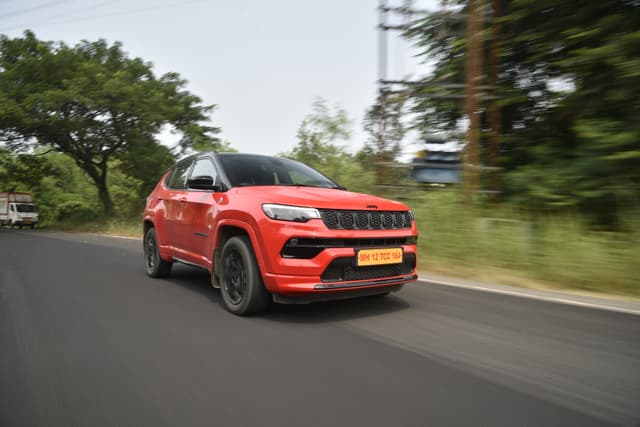
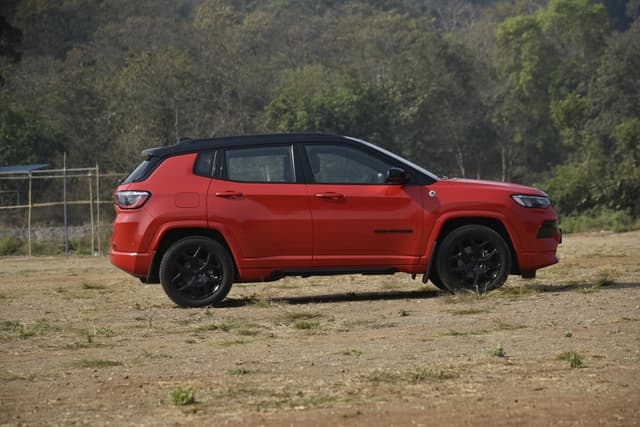
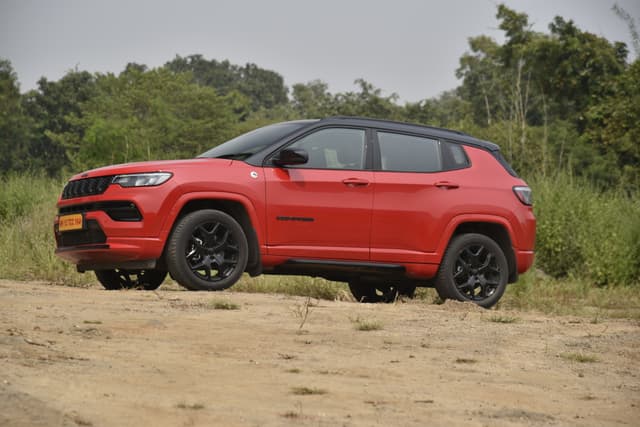
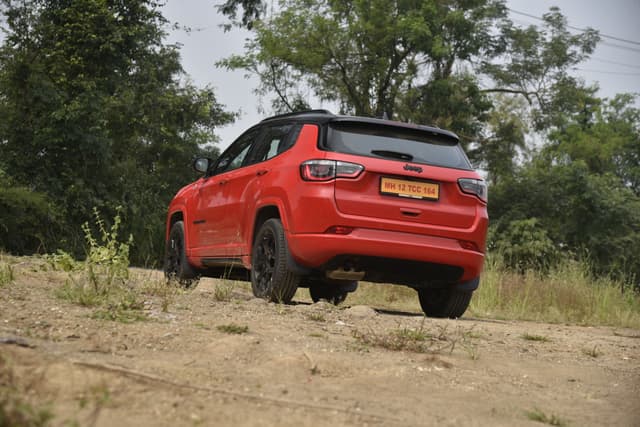
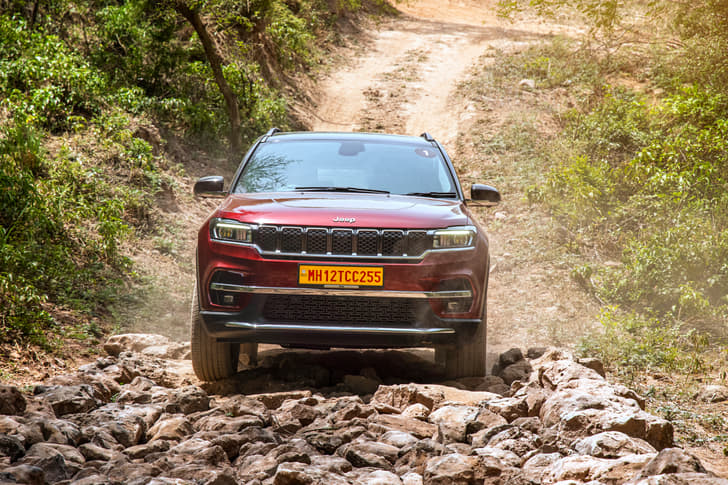
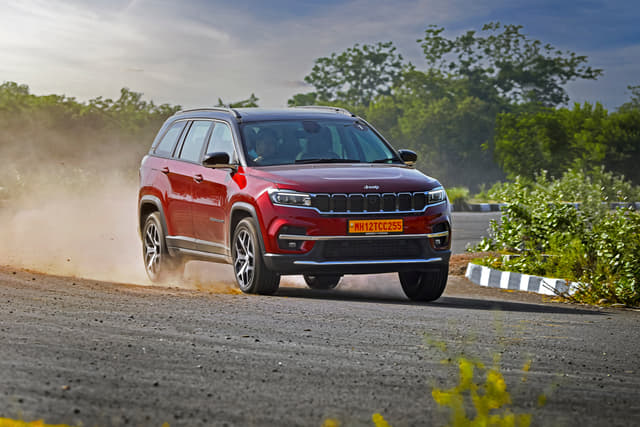
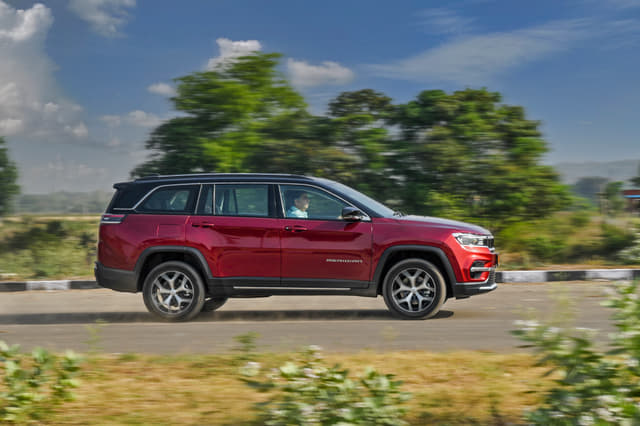
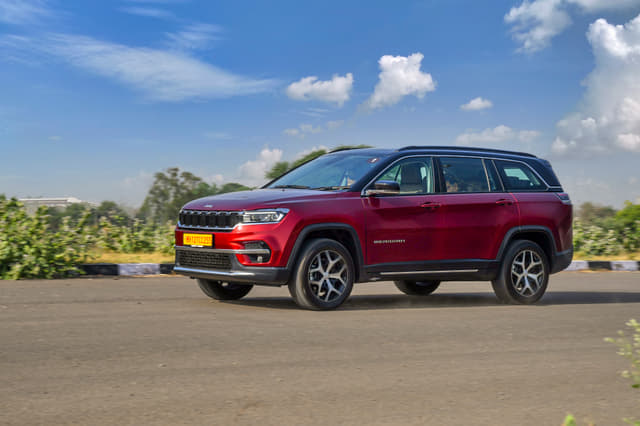
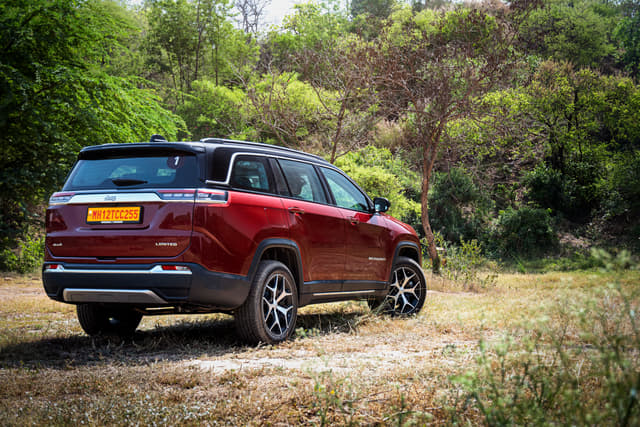
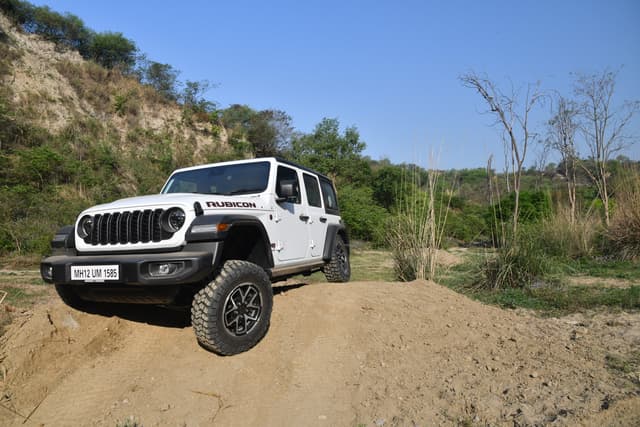
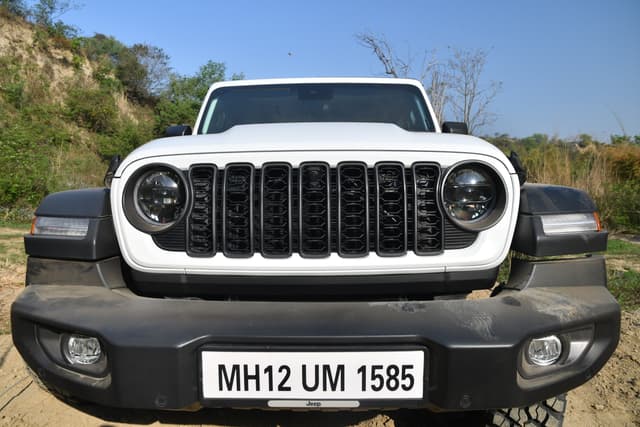
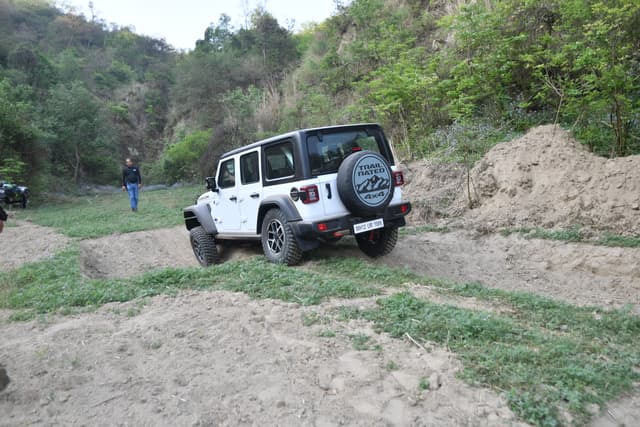
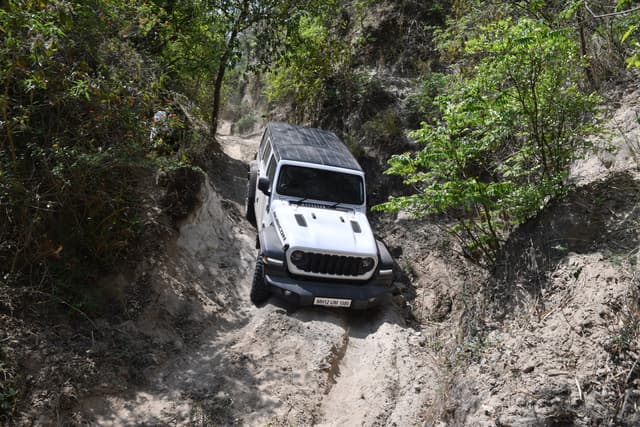
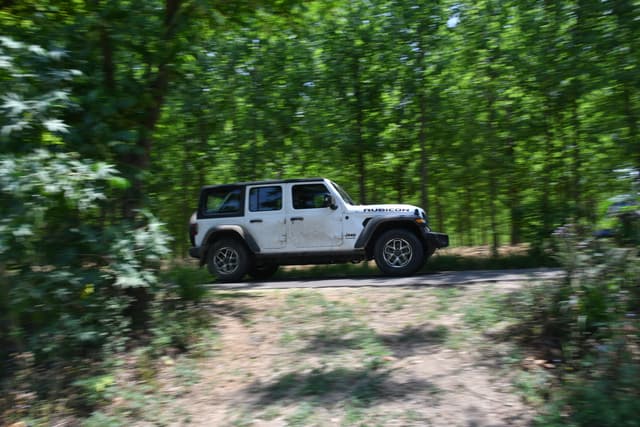
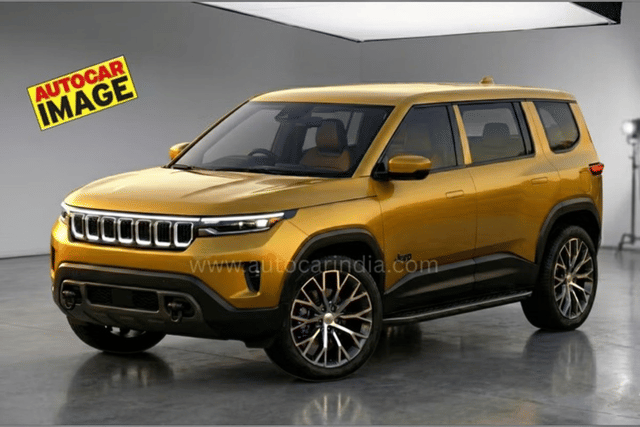
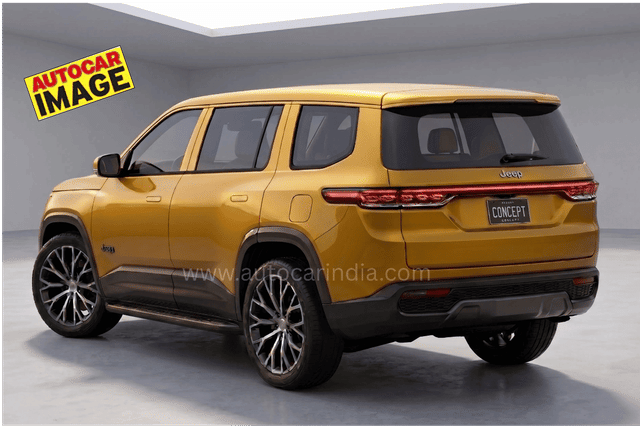
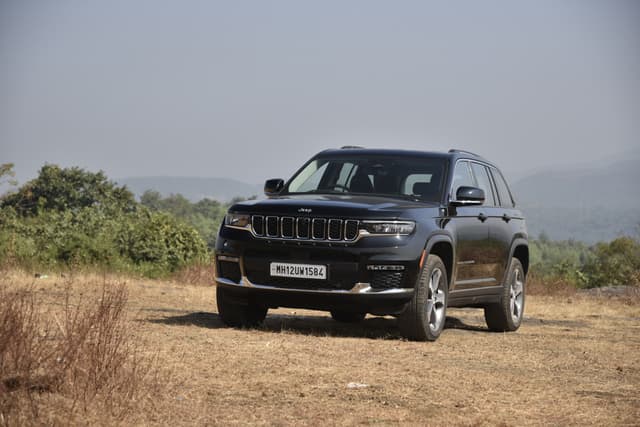
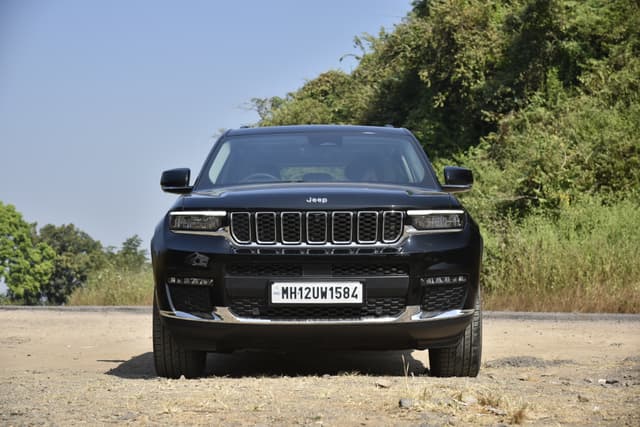
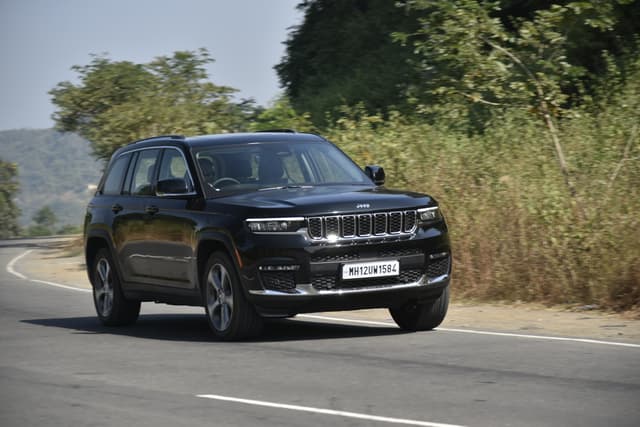
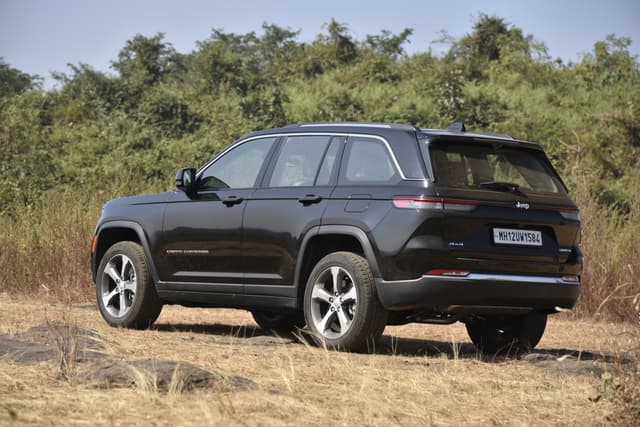
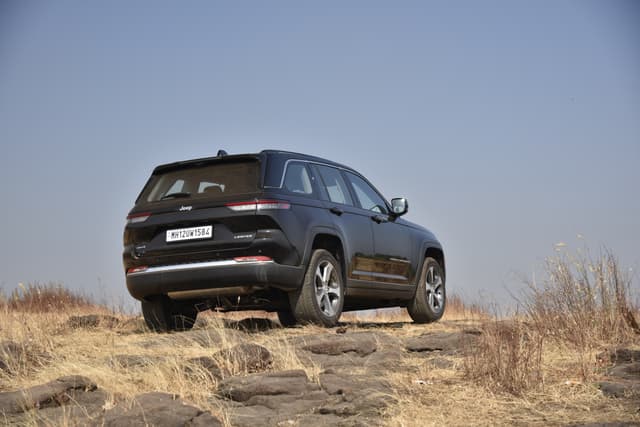
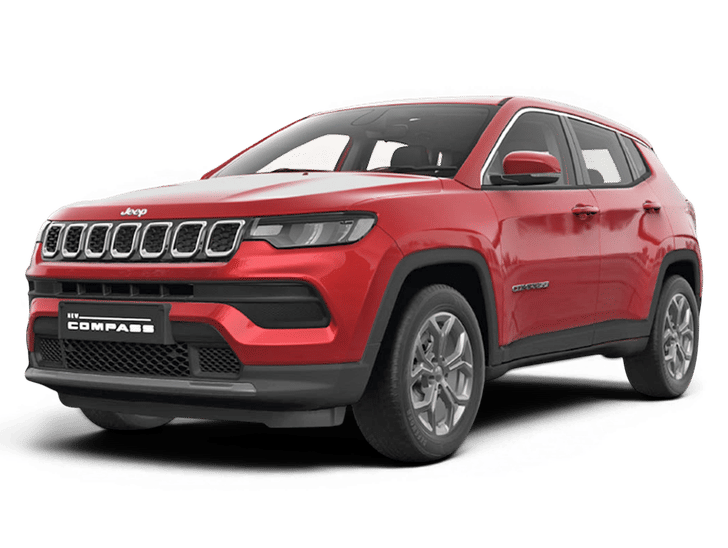
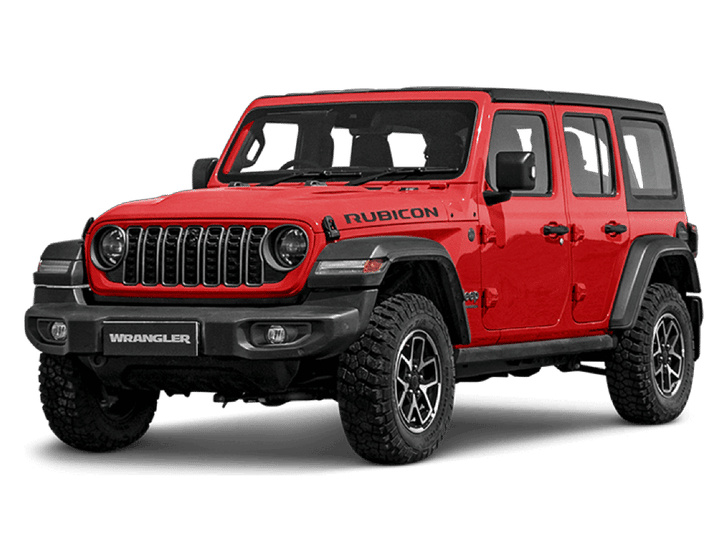
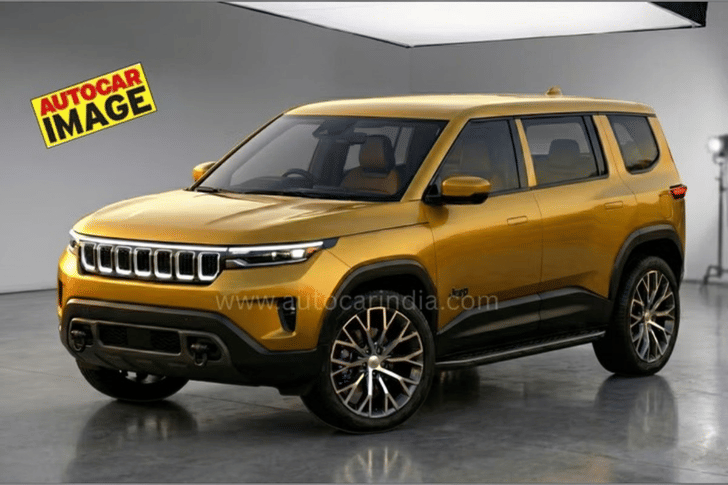
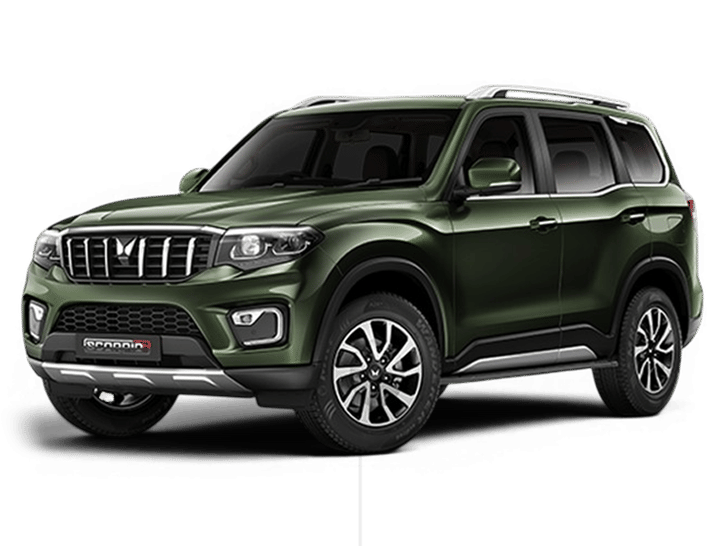
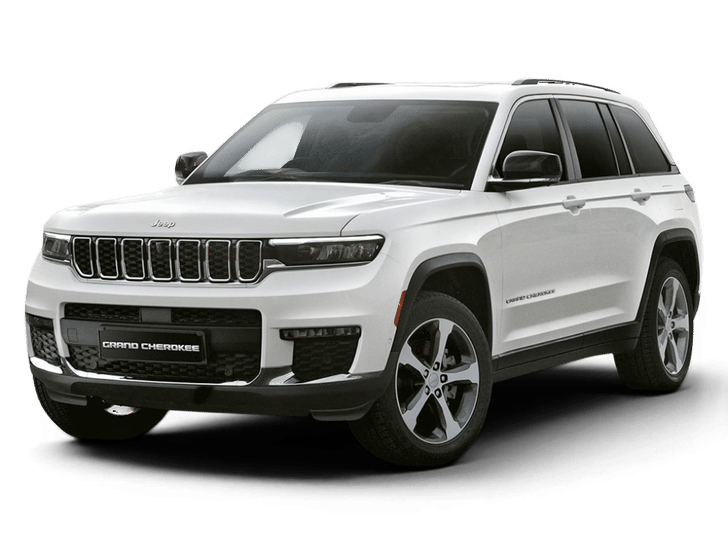
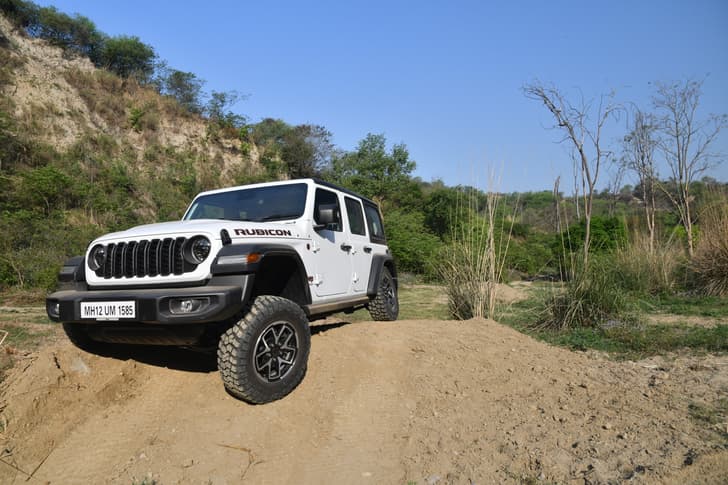
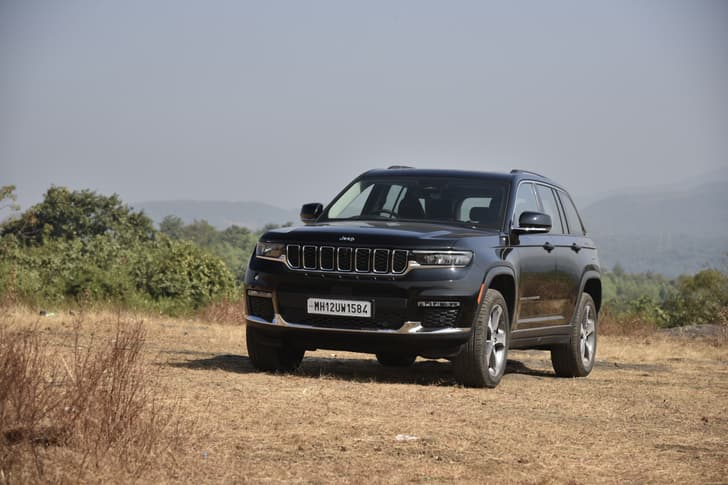
Jeep offers only SUVs in India, with 4 models currently on sale: the Compass, Meridian, Wrangler, and Grand Cherokee, with 1 upcoming Jeep SUV expected to join the lineup. This range provides everyday practicality and three-row space to premium comfort and serious off-road capability.
The brand entered India in 2016 with the launch of the Wrangler and Grand Cherokee. Later in 2017, the brand expanded its presence with the Compass, which became its first locally assembled model, which was built at its Ranjangaon plant near Pune. After that, in 2022, Meridian was released as a larger, three-row version of the Compass and became Jeep’s first 7-seat SUV in India.
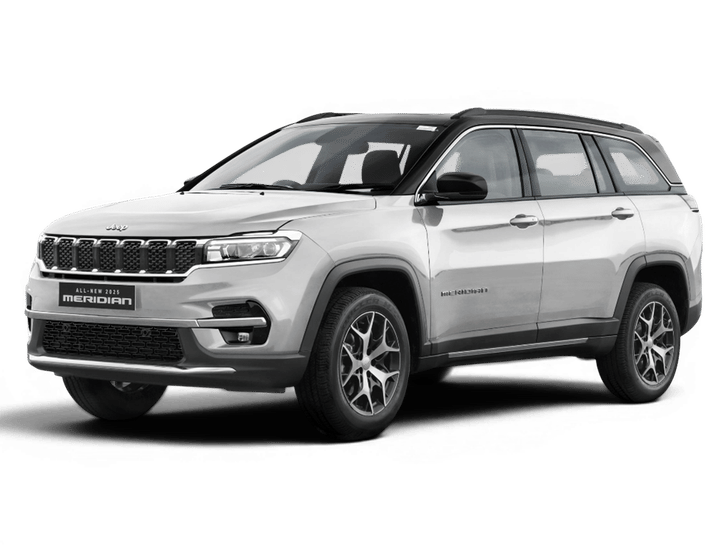
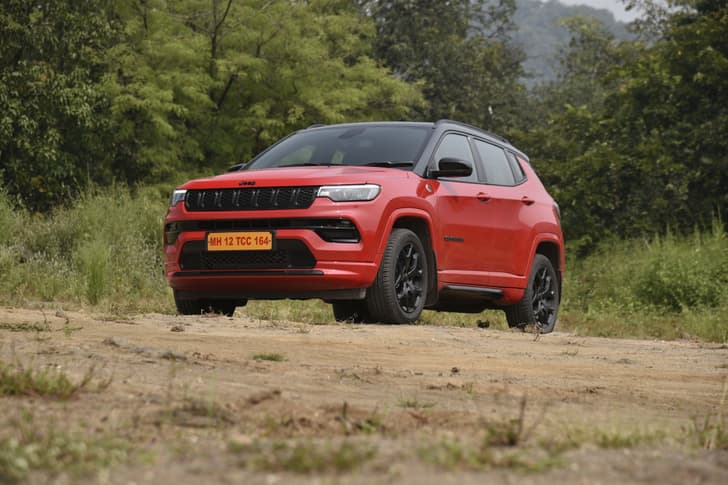
The current lineup of Jeep caters to different needs. The Compass is the entry point, the Meridian offers more space and practicality, the Wrangler focuses on off-road capability, while the Grand Cherokee provides a more premium experience. As for the powertrains, the Compass and Meridian both are powered by 2.0-litre diesel engines. While the Wrangler and Grand Cherokee get 2.0-litre turbo-petrol engines, all paired with automatic gearboxes. Four-wheel drive is also available, adding greater off-road capability to the range.
Jeep 4x4 price in India
The Jeep offers 4x4 across the Compass, Meridian, Wrangler and Grand Cherokee. The Compass gets 4x4 only in the Model S (O) 4x4 AT, while the Meridian offers it on the Limited (O) 4x4 AT and Overland 4x4 AT variants. The Wrangler gets 4WD as standard on both Unlimited and Rubicon variants, while the Grand Cherokee is offered in a single Limited (O) variant.
Jeep 4x4 model
Price range (ex-showroom)
Engine
Transmission
4x4 variant(s)
Jeep Compass
Rs 17.99-30.70 lakh
2.0-litre diesel
6-speed MT / 9-speed AT
Model S (O) 4x4 AT
Jeep Meridian
Rs 23.33-37.92 lakh
2.0-litre diesel
6-speed MT / 9-speed AT
Limited (O) 4x4 AT, Overland 4x4 AT
Jeep Wrangler
Rs 66.20-70.80 lakh
2.0-litre turbo-petrol
8-speed AT
Unlimited, Rubicon
Jeep Grand Cherokee
Rs 63 lakh
2.0-litre turbo-petrol
Automatic
Limited (O)
What are Jeep cars known for?
Jeep cars are known for their rugged design, strong road presence, and four-wheel-drive capability. They are built with high ground clearance and robust engineering to handle rough roads, dirt tracks, and challenging terrain.
Rugged design and off-road capability
Jeep's biggest strength is its focus on off-road ability. Its SUVs feature distinctive styling with the brand's signature seven-slot grille, squared-off wheel arches and upright proportions. Depending on the model and variant, buyers can get 4x4 systems, terrain modes and other off-road hardware. The Compass, for example, gets a 4x4 system with multi-terrain modes on higher variants, while the Grand Cherokee gets AWD and multi-terrain drive modes.
A choice of five- and seven-seat SUVs
Jeep's line-up also caters to different family sizes. The Compass, Wrangler and Grand Cherokee are five-seaters, while the Meridian is offered in both five- and seven-seat configurations. The Meridian's three-row layout makes it the most practical choice in the range for buyers who regularly need additional passenger space.
Diesel and petrol powertrains
Jeep currently offers a mix of diesel and petrol engines. The Compass uses a 2.0-litre diesel with manual and automatic gearbox options, while the Meridian also gets a 2.0-litre diesel producing 170hp and 350Nm. The Wrangler and Grand Cherokee use 2.0-litre turbo-petrol engines, with the Grand Cherokee producing 272hp and 400Nm.
Premium features and technology
Higher-end Jeep models combine their rugged character with a more premium cabin. The Grand Cherokee, for example, gets features such as a panoramic sunroof, multiple screens, ventilated seats, Level 2 ADAS, and a 360-degree camera. The Meridian also offers features such as a panoramic sunroof, ADAS, and premium interiors, making it better suited to buyers who want a comfortable family SUV without giving up Jeep's off-road character.
Trending Questions on Jeep Cars - Answered by Autocar Experts
•3w
I am an enthusiastic driver and do a lot of road trips. My family is of 4 adults and a 4-month old kid (we use car seat). I am looking for an SUV that offers great driving experience along with good comfort and reliability. Boot space is also crucial with space for a stroller and at least couple more suitcases. I don’t mind spending the money required for the right SUV that can be my companion for a really long time.
•4w
I am currently driving a 2022 Jeep Compass manual petrol and have been using it for four years. I am experiencing side hip and lower-back pain due to the manual clutch, especially with city and highway driving. In the future, I will be driving around 120km per day for work. Please suggest a premium SUV with good back support and high fuel efficiency.
•4w
Infotainment on my Compass freezes for a few seconds almost every time I switch from Android Auto back to the native interface.
•6w
I have a budget of Rs. 30 lakh and want to buy a diesel automatic car with good performance on highways that has decent mileage along with good safety, space and comfort. My usage is mostly on highways and I drive less within the city. I am considering Harrier, Jeep Compass and MG Hector. Among these, which would be a better highway car and fulfil all my requirements?
•6w
Considering buying a premium 7-seater. I was quite impressed with the Jeep Meridian Overland; however, I don’t see many people recommending it. Most seem to suggest the Innova Hycross, XUV 7XO, or even the Fortuner instead. I primarily use the car in the city and hit the highways twice a month, with an overall monthly running of around 1,500 km. I have no plans for off-road use, and the third row would primarily be used for my pet dog and occasional guests.
Driving the Jeep Wrangler Rubicon is an adventure! You can feel the rugged spirit as soon as you get behind the wheel. It's made for those who love off-road exploration while still being practical for daily life.
I really like this car. Comfort is best, ground clearance is best, and driving experience is very good. Everything feels perfect, and the looks are impressive. You don't see cars like this everywhere; people keep staring at it. The power is insane, and I love the 4x4, feels like a Wrangler.
As of July 2026, Jeep sells 4 models in India: Compass, Meridian, Wrangler, and Grand Cherokee.
Each and every Jeep model sold in India gets a four-wheel drive (4WD) variant, a technical feature that the American brand is based on. While there are a few other automakers that offer models with 4WD, it's primarily Jeep that makes nothing but SUVs or 4x4s.
Compared to brands that sell models in the Rs 20-70 lakh price range, Jeep's sales numbers are much lower in India. While most established premium brands manage to sell more units annually, parent company Stellantis hasn't given up on Jeep in India.
Officially known as the Stellantis India Asia Pacific Strategic Plan Jeep 2.0, this will see the American brand strengthening its activities in India. Jeep will not only use the Ranjangaon facility to produce models for the domestic market, but it will also export models for overseas markets. The strategy also targets 90 percent localisation.
Need an expert opinion on your car related queries?