EV SUV or MPV under 30 lakh
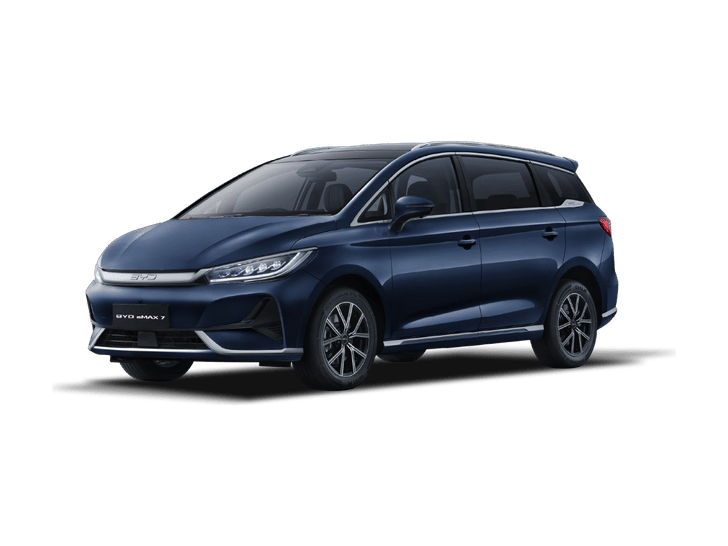


Last Updated on: 12 Oct 2026
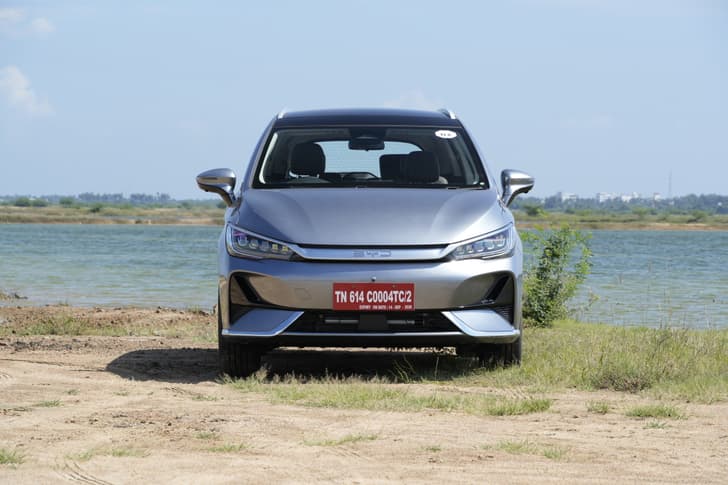
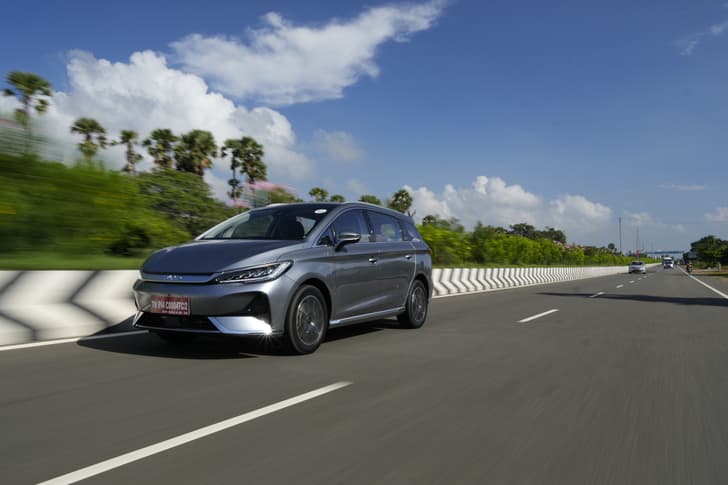
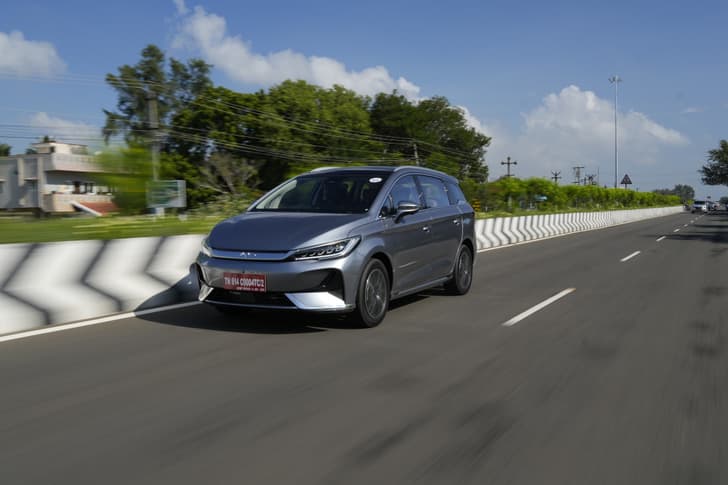
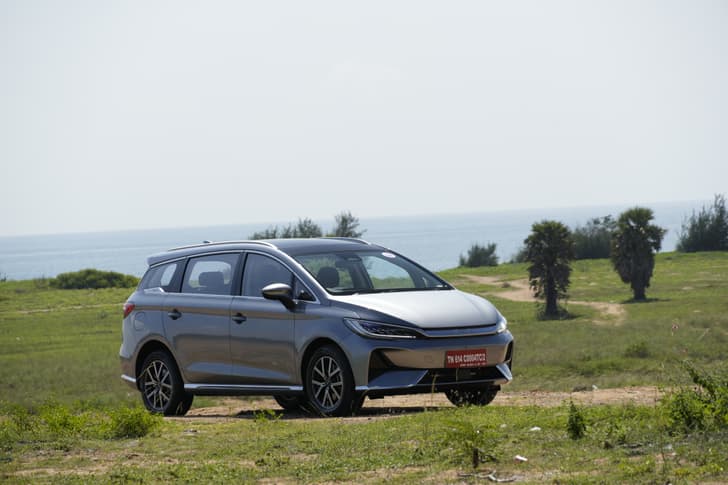
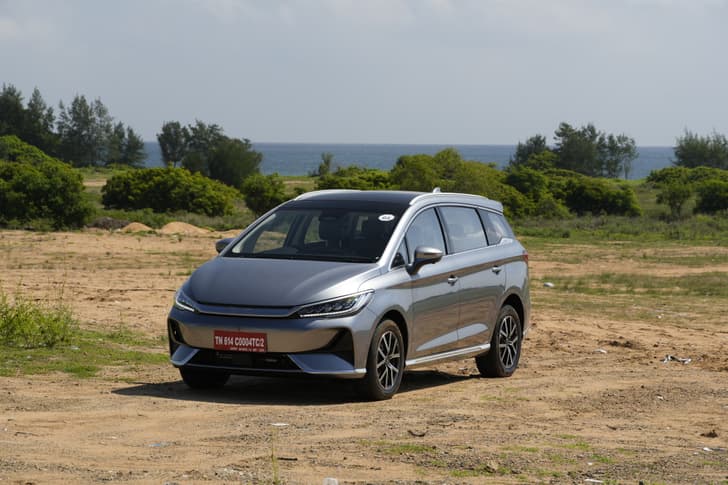
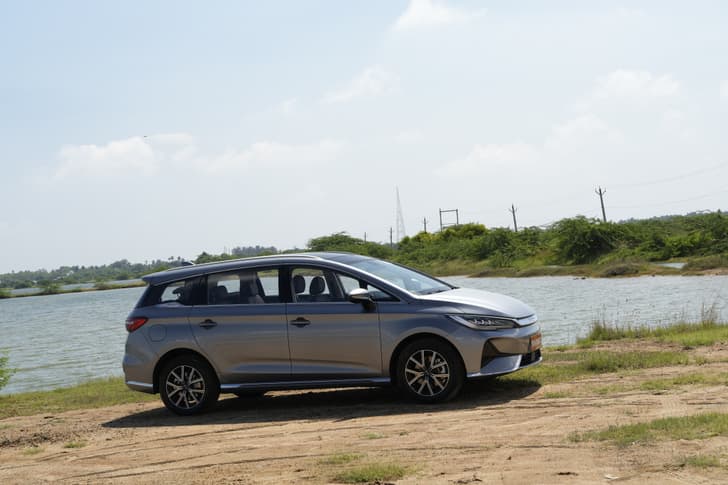
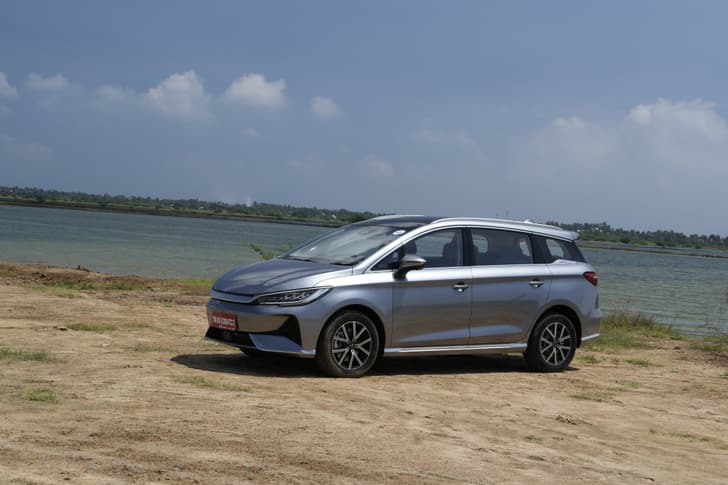
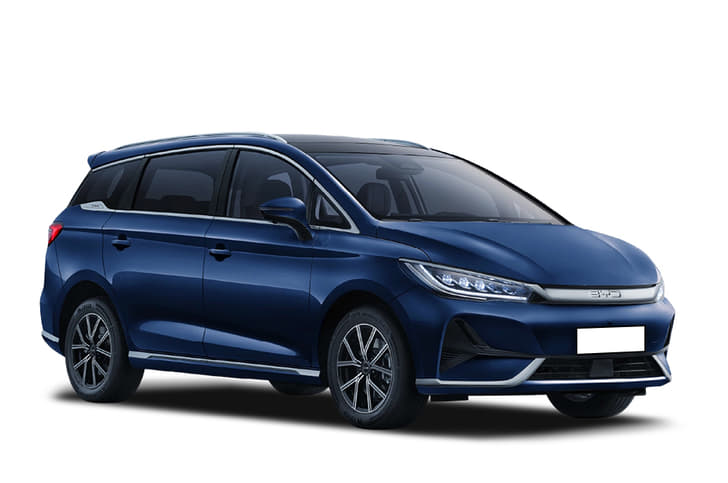
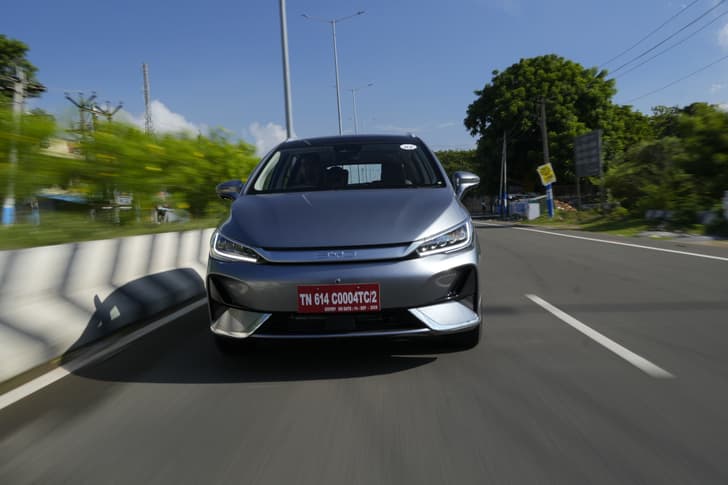
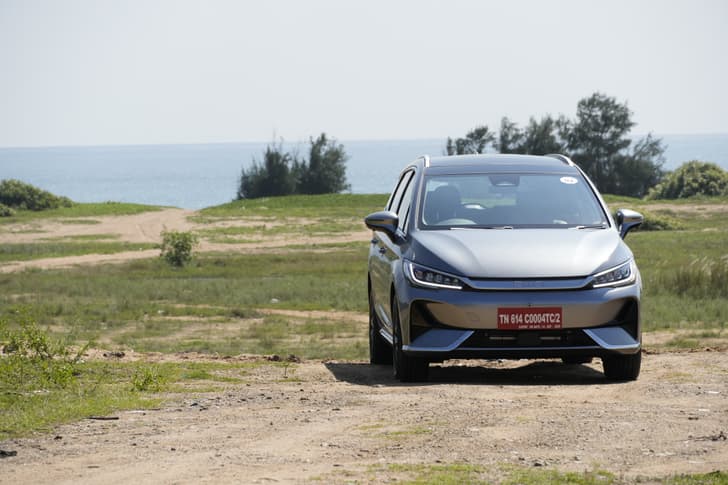
Fuel Type/ Propulsion | Electric |
Motor Type | AC Permanent Magnet Synchronous Motor |
Number of Motors | 1 |
Pure Electric Driving Mode | Yes |
Gearbox Type | Auto |
Number of Gears | 1 |
Manual Shifts via Gear Lever on Automatic Gearbox | No |
Paddle Shifters for Automatic Gearbox | No |
Sport Mode for Automatic Gearbox | No |
Drive Layout | Front Wheel Drive |
Lockable Differential/s | No |
Max Motor Power | 163 hp |
Max Motor Torque | 310 Nm |
Auto Start/Stop | No |
Battery Capacity | 71.8 kWh |
Charging Time | 37 min (10% to 80% 89kW DC) hrs |
Claimed Range | 485 km |
0-100kph | 10.1 s |
Front Suspension Type | Independent, MacPherson Strut |
Front Springs | Coil Springs |
Rear Suspension Type | Independent, Multi-link |
Rear Springs | Coil Springs |
Damper Control | No |
Ride Height Adjust | No |
Type of Power Assist | Electric |
Steering Adjust type | Manual |
Steering Adjust | Tilt and Telescopic |
Front Brakes | Disc |
Rear Brakes | Disc |
Wheel Size | 17 inches |
Front Tyre Size | 225/55 R17 |
Rear Tyre Size | 225/55 R17 |
Wheels | Alloys |
Spare Wheel | No |
Length | 4710 mm |
Width | 1540 mm |
Height | 1690 mm |
Wheelbase | 2800 mm |
Ground Clearance | 170 mm |
Kerb Weight | 1780 kg |
Chassis Type | Monocoque |
Boot Capacity | 180 litres |
Doors | 5 |
| Exterior Mirrors Electric Adjust | |
| Remote Locking | |
| Push Button Start | |
| Rear AC Vents | |
| Third Row AC Vents | |
| Rear Windscreen Sun Shade |
| Anti-Lock Brakes (ABS) | |
| Brake Assist (BA) | |
| Electronic Brakeforce Distribution (EBD) | |
| Traction Control | |
| Electronic Stability Control | |
| Hill Start Assist |
| Body Coloured Bumpers | |
| Headlight Type | LED |
| Projector Headlamps | |
| Daytime Running Lights | LED |
| Front Fog Lamps | |
| Antenna | Shark Fin |
| Speedometer | Analogue |
| Trip Meter | |
| Average Fuel Consumption | |
| Average Speed | |
| Distance to Empty | |
| Gear Indicator |
| Audio System | |
| CD Player | |
| USB Input | |
| AUX Input | |
| Bluetooth Audio Streaming | |
| Bluetooth Telephone Function |
| Emergency Call Button | |
| Find My Car | |
| Check Vehicle Status via App | |
| Remote Car Lock/Unlock via App | |
| Remote AC On / Off via App | |
| Car Light Flashing & Honking via App |
 Electronic Stability ControlAuto ParkingOn-board Satellite NavigationIndividual Chairs at RearLED headlampsAdaptive Cruise ControlPanoramic SunroofWireless Phone ChargingFront Only Ventilated SeatsRoof Rails
Join the Discussions
I bought a Honda City V MT about two years ago and absolutely love the car. At the time, it was the perfect choice for my usage. However, my circumstances have changed significantly since then-I now have two large dogs (a Labrador and a German Shepherd), and the City is no longer practical for transporting both dogs comfortably, especially on longer highway trips. I am trying to decide between keeping the City and buying a second EV primarily for dog transport and city use, or replacing the City altogether with a single-car solution. The vehicles I am considering include the Kia Carens Clavis EV, Mahindra XEV 9S, Mahindra XEV 9e, BYD eMAX 7, and Toyota Innova Hycross Hybrid. My priorities are: Comfortable transport for two large dogs Highway touring ability Ease of parking and city usability Long-term ownership (8–10 years) Good ride comfort Reasonable running costs Would you recommend: 1. Keeping the Honda City and adding a practical EV (such as the Clavis EV), or 2. Moving to a single-car garage and choosing something like the XEV 9S, eMAX 7, or Hycross? Also, is there a midsize SUV (EV, hybrid, petrol or diesel) that offers: A low boot loading lip, Rear seats that fold nearly flat, Enough cargo length and width for two large dogs to comfortably lie down on highway trips, While still being manageable in city traffic and parking? Which vehicle would you choose for this specific use case and why?

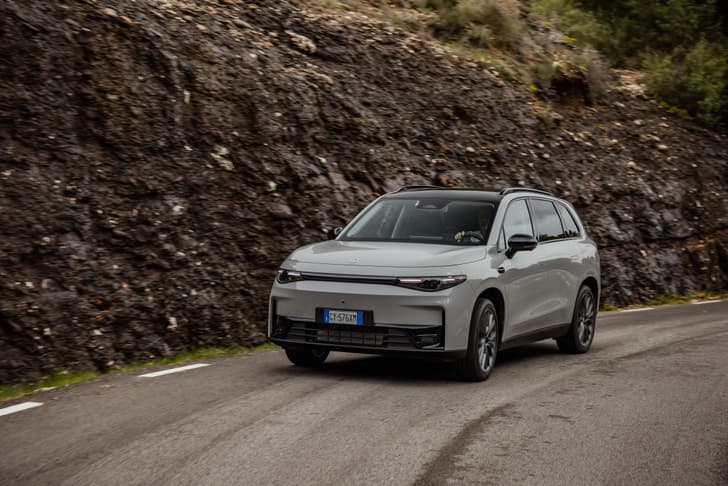
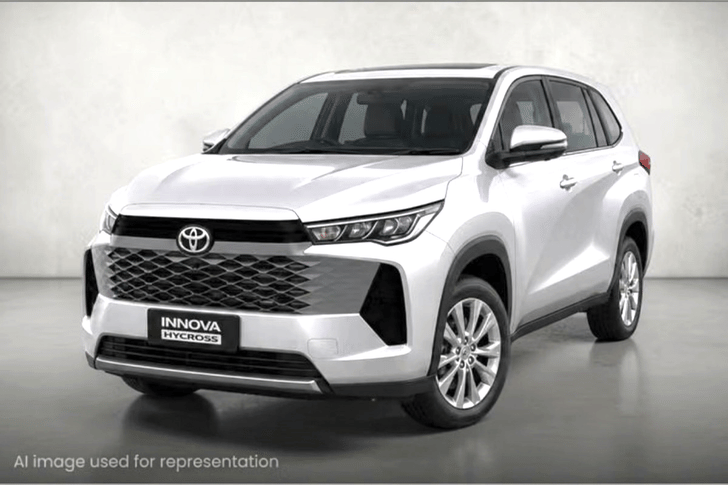
 Toyota Innova HyCrossKia Carens Clavis EVBYD eMax 7Mahindra XEV 9SKia Carens Clavis
I am based in Navi Mumbai and am planning to buy an electric SUV or MPV. My daily commute is around 25km, while I typically drive 200km on weekends. I currently own a 2017 Hyundai Creta 1.6 diesel manual and have test-driven the Hyundai Creta Electric, BYD eMax 7 and Kia Carens Clavis EV. With a budget of Rs 30 lakh, which 6-seater electric SUV or MPV would be suitable for long-term ownership? I am also concerned about BYD's after-sales service and would like to understand how it compares with the other options in terms of service support and long-term reliability.
Kia Carens Clavis EVHyundai Creta ElectricBYD eMax 7I already have a Maruti Brezza 2017 model. Now I am planning to get an EV 7-seater. Which one do you suggest?
Kia Carens Clavis EVBYD eMax 7I need a 6- or 7-seater because I have two child seats and two nannies. I have booked the Toyota Innova Hycross ZX(O) top variant for around ₹40 lakh on-road, but it doesn’t feel premium enough for the price. I am also considering alternatives like the Kia Carens Clavis EV and the BYD eMAX 7 (2025 model), which is available at a discounted on-road price of around ₹26 lakh. However, I am unsure about long-term resale value. Between the Kia and BYD, which would you recommend? Or should I stick with the Hycross considering better resale and ownership peace of mind?
Toyota Innova HyCrossBYD eMax 7Kia Carens Clavis EV