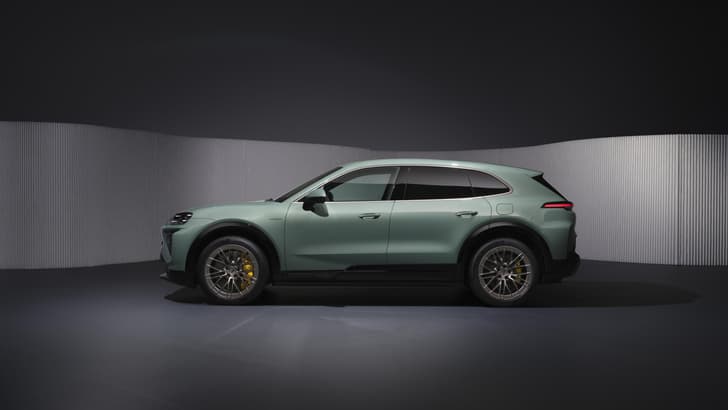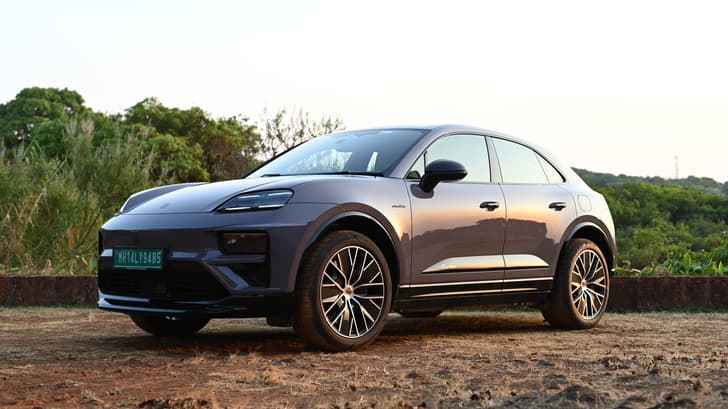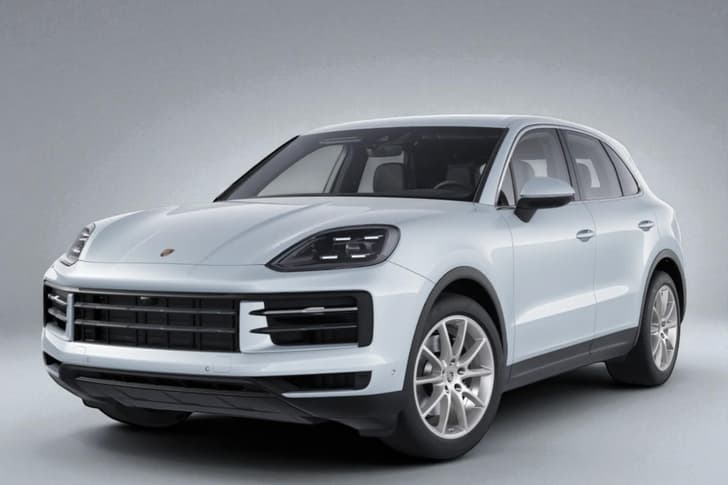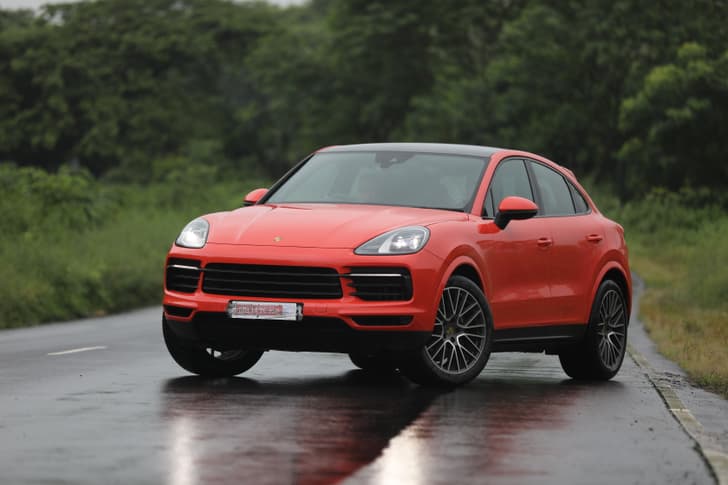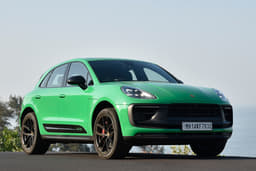

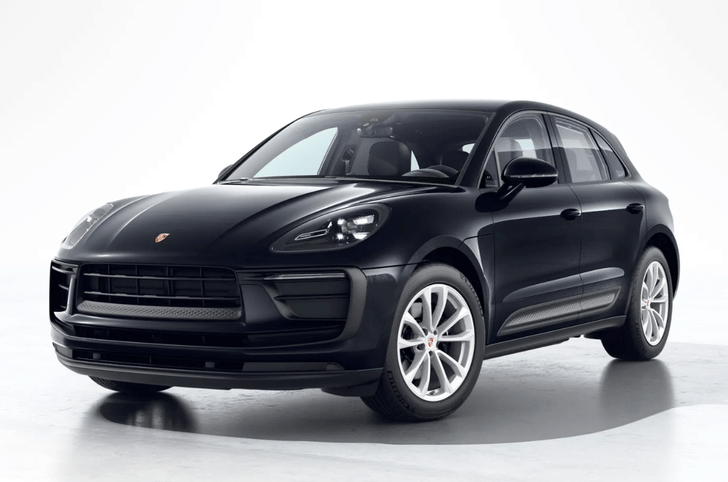
Porsche will manufacture the combustion-powered Macan until mid-2026 before ceasing its production, finance chief Jochen Breckner confirmed at the carmaker’s recent earnings call. “[Stock should last] over the months to come... We will even see some sales in some regions in 2027,” Breckner added, though how many units of those will be allotted to India is unknown. A spiritual successor of the ICE Macan (codenamed M1) will debut in 2028, while the Macan Electric will remain on sale.
- Upcoming Porsche SUV to use PPC architecture, just like Audi Q5
- It’ll get a front-biased 4WD system
- To be sold alongside Macan Electric
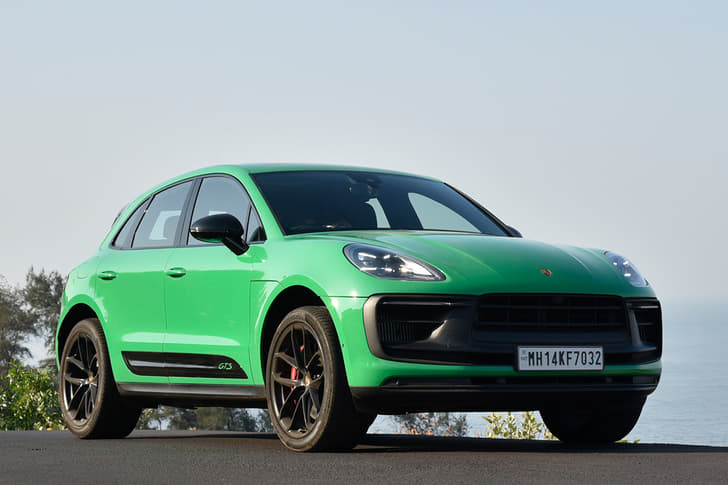
The Macan, currently in its first generation, is one of Porsche’s most popular models, with 10,130 units sold during Q1 2026, 760 more than the 9,370 units sold in the same period a year ago. The Macan was launched in India in 2014, followed by facelifts in 2019 and 2021.
2028 Porsche Macan successor details
Rear wheels to engage only during traction loss
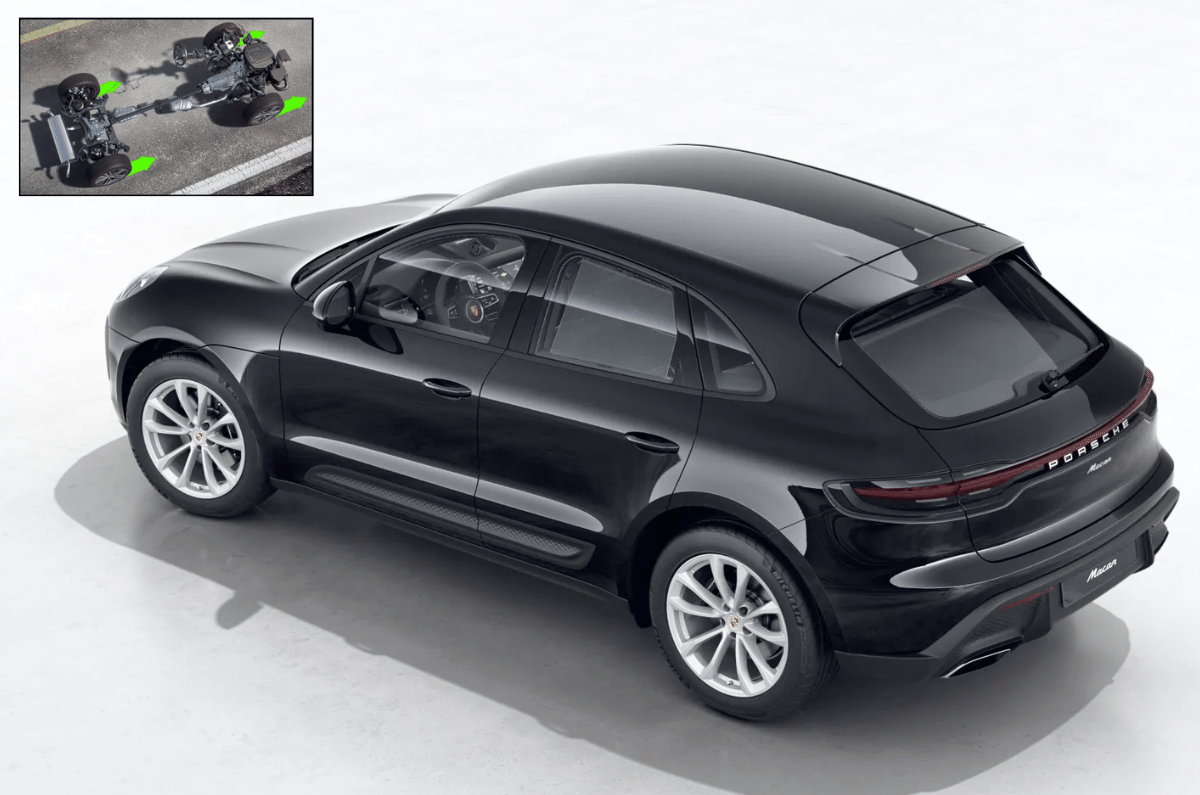
As we reported, the upcoming ‘M1’ SUV will have a lot in common with the new third-generation Audi Q5. Underpinned by Premium Platform Combustion (PPC) architecture, the SUV will also adopt the Q5’s Quattro Ultra drive system. But instead of heavily modifying the platform for a rear-biased 4WD setup, as Porsche did with the first-generation Macan’s Modular Longitudinal Matrix (MLB) architecture, it’ll be largely unchanged for cost reasons. As a result, the drive in the new Porsche SUV will primarily be sent to the front axle, with the rear wheels engaging only when sensors detect any traction loss.
Speaking on platform-sharing, Breckner said, “When we take a platform from Audi, we never use it one-to-one without any changes. We leave as much unchanged as possible to have synergies, but if there are items that we need to change to make a Porsche a Porsche, we do that and invest in the platforms.”
94-year tradition set to end
This would mark the end of a 94-year tradition, as Porsche cars, since the brand’s inception in 1931, have so far been engineered to send power to the rear axle, either wholly or primarily. As the platform is shared, it will allow Porsche to develop the latest SUV at a relatively lower cost. “[The M1] will be differentiated from the [electric] Macan,” former CEO Oliver Blume had stated. While a new Porsche typically takes five years from concept to production, Blume said the M1’s three-year development was speeding up its market launch.
The new Porsche may even borrow the Q5’s 2-litre four-cylinder turbo-petrol engine that produces peak outputs of 204hp and 340Nm in the Audi SUV. It claims a 0-100kph time of 7.2 seconds with the Q5. Reportedly, higher-powered engines and adaptive chassis tuning are also under consideration, with S, GTS and Turbo performance variants likely.
 Viraaj Bhatnagar
 Dipan Sur
 Dhruv Dhaka
 Saptarshi Mondal