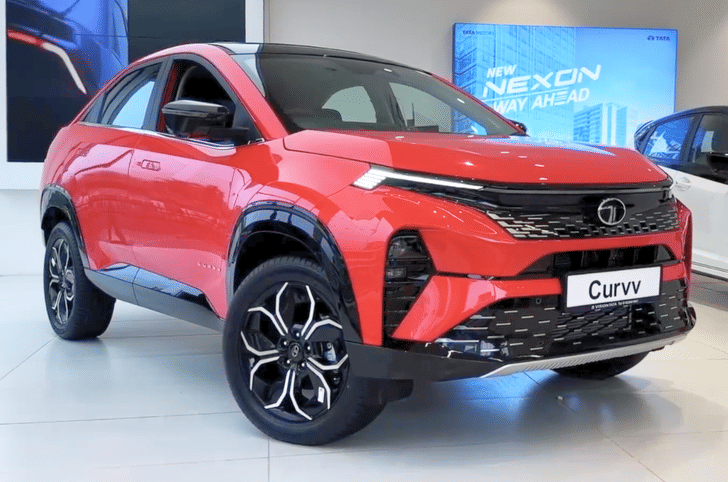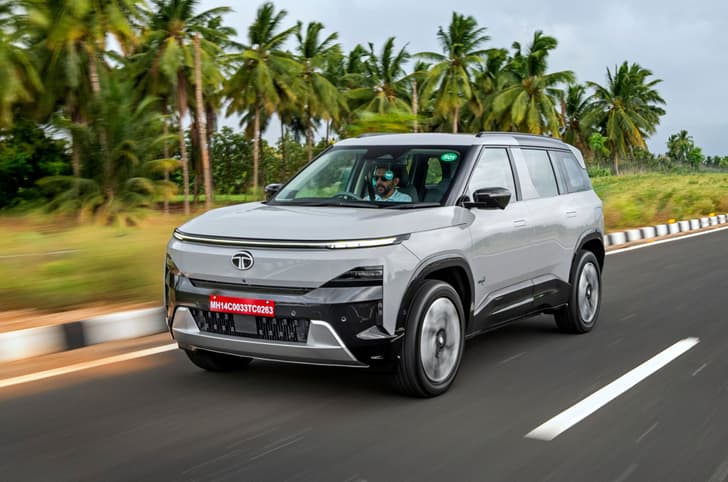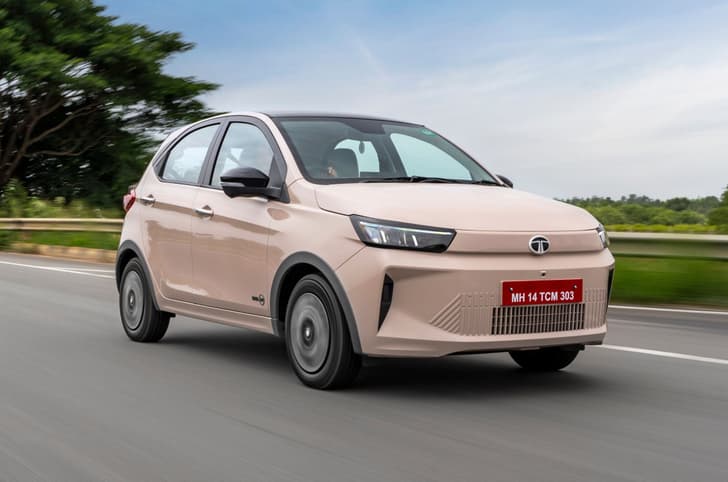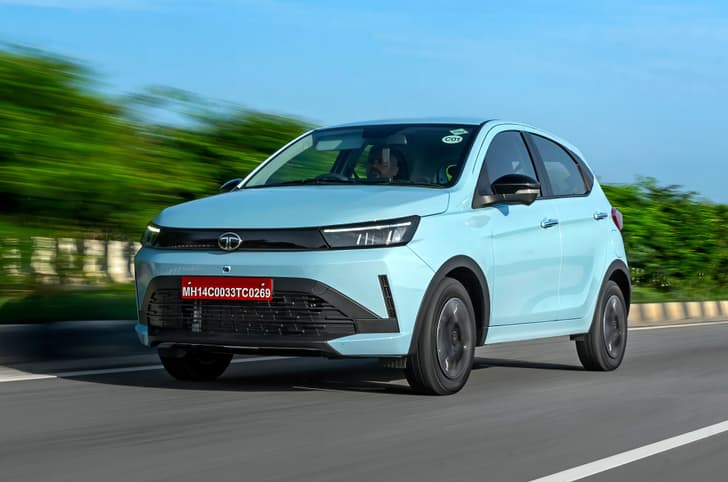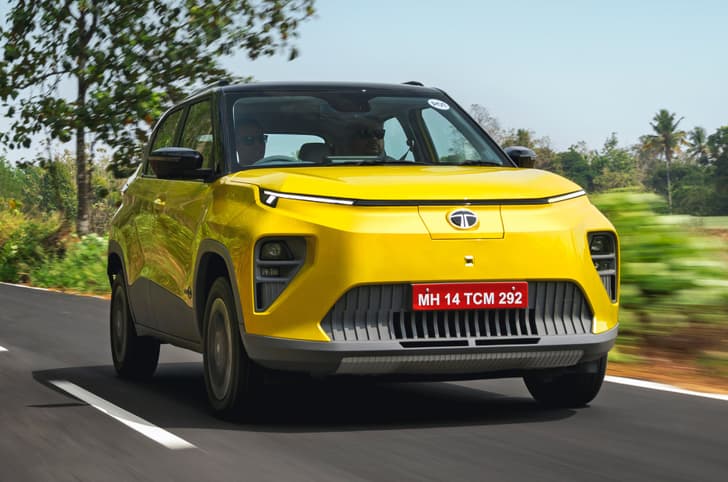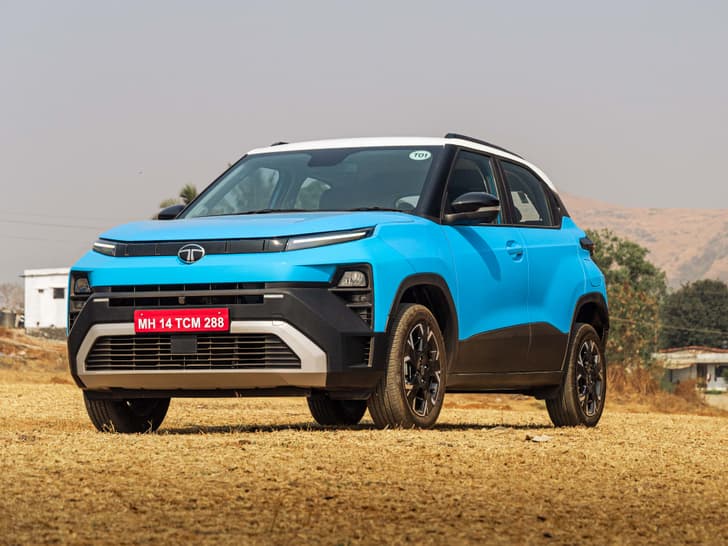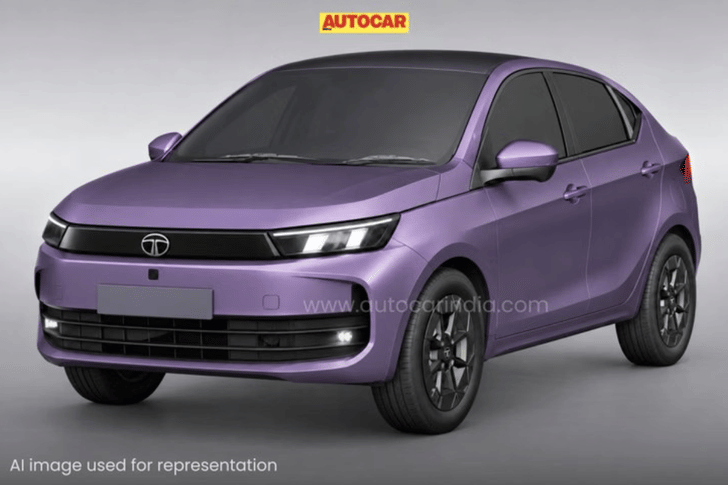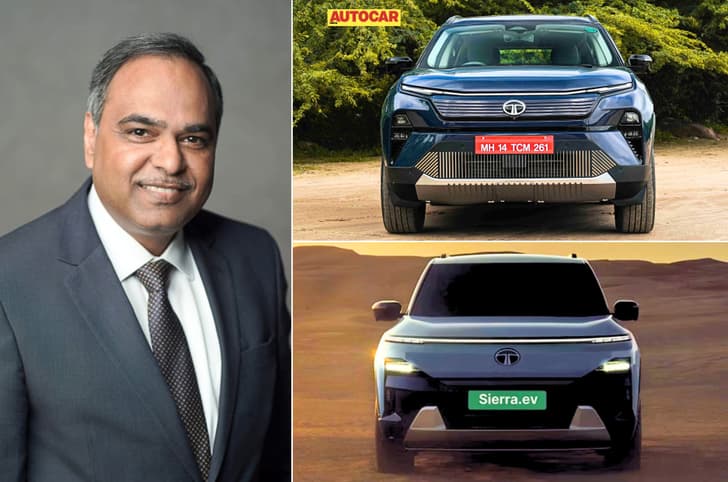
Until the launch of the Sierra EV, Tata Motors had maintained fairly distinct positioning for each model in its electric portfolio. The Sierra EV overlaps significantly with the Curvv EV and Harrier EV at the lower and upper ends of its price range, respectively. That begs the question: Is Tata Motors risking cannibalisation of its own products? Shailesh Chandra, the managing director and chief executive officer of Tata Motors Passenger Vehicles, doesn’t believe it to be the case. The company is banking on differences in size, design, cabin experience and vehicle character to differentiate the individual models.
Tata Motors plays down cannibalisation concerns
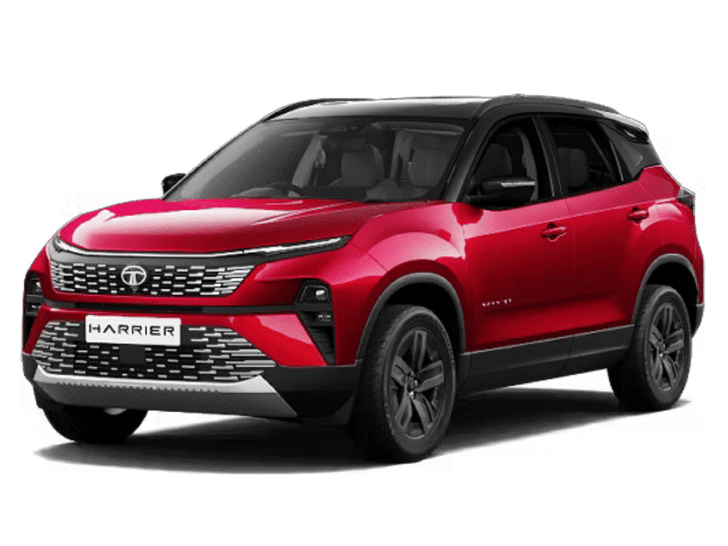
The Sierra EV is, in fact, very closely related to the Harrier EV. It features similar battery capacities and shares the front and rear drive units and thermal management system. Performance is also broadly comparable. However, the Sierra is priced from Rs 18.79 lakh to Rs 25.99 lakh, while the Harrier costs Rs 21.49 lakh to Rs 28.99 lakh.
According to Chandra, some movement between models within a broad portfolio is inevitable and not the company’s primary concern. However, he said buyers do not evaluate models only through price and specifications. Their preferences are also shaped by styling, dimensions and their own idea of what a model should represent.
“That’s why you see that the buyers of Harriers are very different from Sierra buyers, even in the ICE world,” Chandra told our sister publication Autocar Professional. “Somebody does not like boxy style. Somebody does not like a dynamic style. So, first differentiation comes from there.”
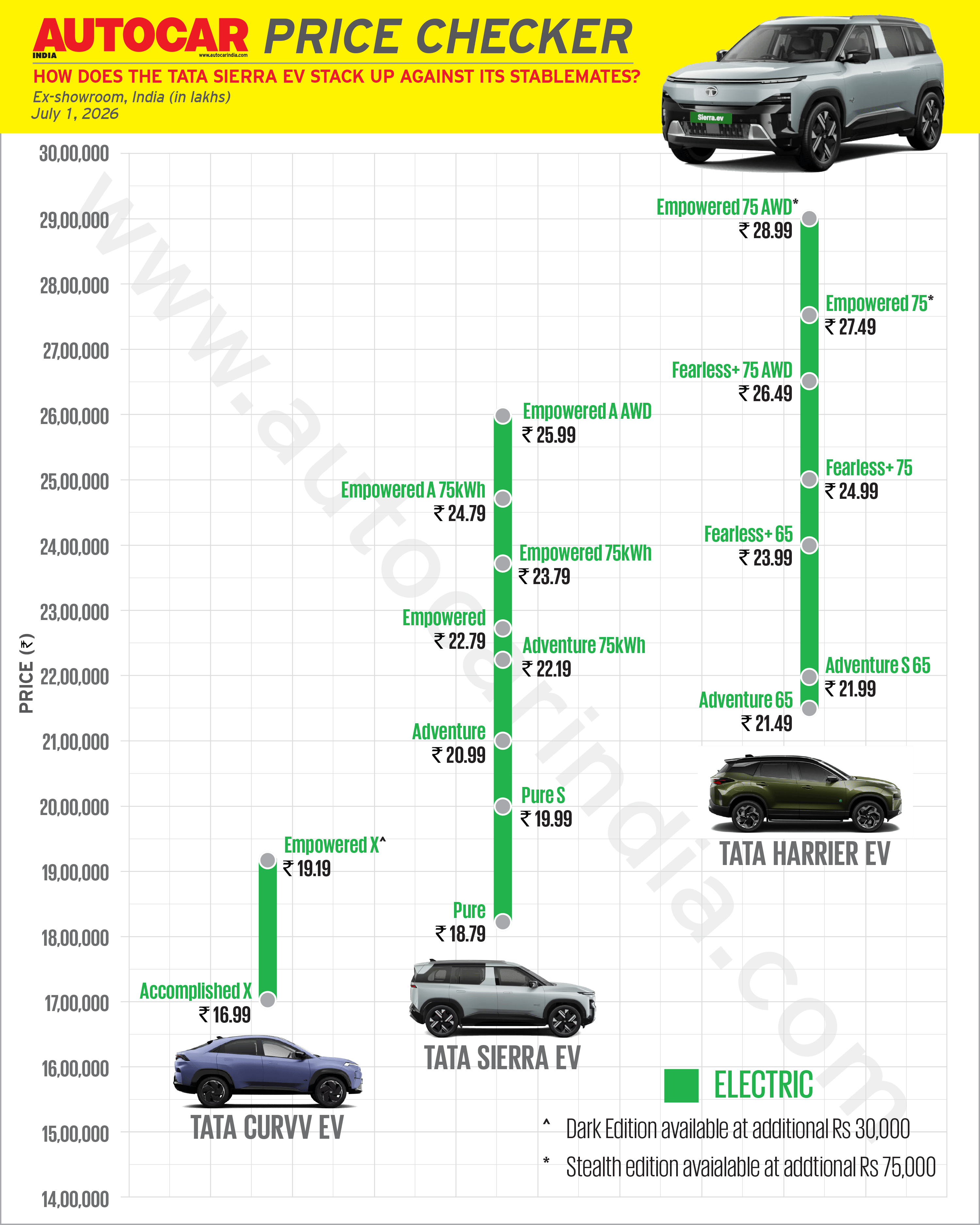
Chandra also said size plays a particularly important role in India, where buyers often expect the value of a higher-priced vehicle to be visibly reflected in its dimensions and road presence. Different price and accessibility points will further separate the vehicles, he added.
“It’s a combination of all this,” Chandra said. “There is a clear separation of what you see in the ICE world also. The same will apply here.”
Any immediate cannibalisation may also be limited by the carmaker’s supply constraints. “Harrier EV demand is twice what we are supplying. It is a supply-driven issue,” said Chandra.
Shared constraints in battery pack production, power electronics and other aggregates require Tata Motors to allocate components across its electric portfolio, he elaborated. The company is working on capacity expansion and supplier debottlenecking to close the gap between demand and production.
Anand Kulkarni, chief product officer at Tata Passenger Electric Mobility, further reiterated the differences between the two electric SUVs. “These products don’t necessarily compete with each other,” he said. “They are enabled by a common underlying technology stack, but they are tuned completely differently and operate differently.”
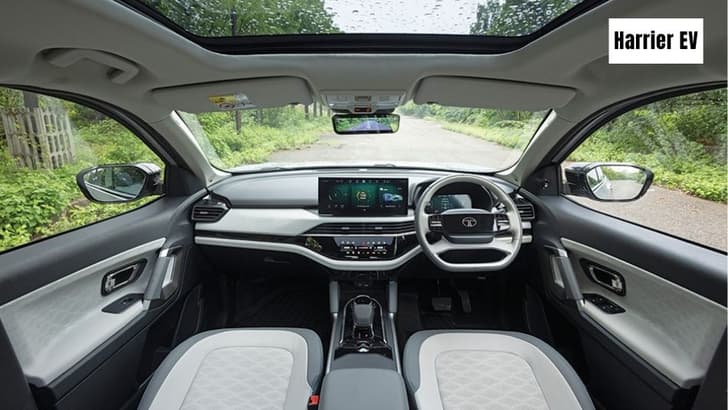
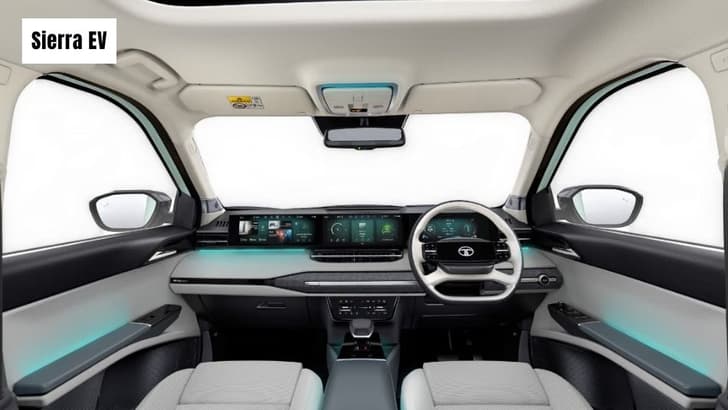
Kulkarni highlighted that the Sierra EV’s cabin ambience is different from the Harrier EV’s. He compared this approach with that of the ICE versions of these SUVs, which share the engine but deliver different driving and ownership experiences. “Just because two cars have a common engine” does not mean “a choice of one over the other”, he summarised.
Commonality means scale and shared costs
Commonality allows Tata Motors to distribute engineering, supplier-development and localisation investments across more products. “A lot of technologies that we developed in Harrier EV allowed us to also give those to the Sierra EV,” added Chandra, alluding to the advanced driver assistance systems (ADAS), the automatic parking and vehicle summoning features, as well as the all-wheel-drive technology.
The Sierra EV and Harrier EV will test both sides of the company’s EV strategy. Shared engineering must deliver scale, localisation and development-cost benefits, while Tata hopes styling, size and positioning create enough distinction to expand the company’s addressable market. Some cannibalisation may be unavoidable. The larger test is whether the two SUVs collectively attract more customers to Tata Motors than either model could have done on its own.
With inputs from Saptarshi Mondal
 Viraaj Bhatnagar
 Dipan Sur
 Dhruv Dhaka