
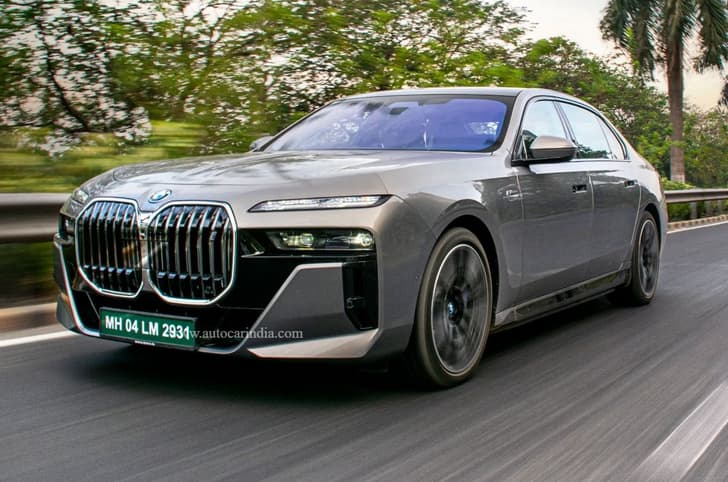
BMW is all set to unveil the facelifted i7 luxury sedan on April 22 at the 2026 Beijing International Automotive Exhibition (Auto China 2026). Following the iX3 and i3, the upcoming i7 facelift will not only be the Bavarian brand’s next electric model based on the Neue Klasse architecture, but it will also be the first BMW model to benefit from the joint venture the carmaker established in 2023 with Rimac Technology. The current i7 made its global debut along with the 7 Series in April 2022, becoming the marque’s flagship electric sedan.
- Gets a new battery system jointly developed with Rimac Technology
- Scalable design of this battery-pack architecture makes it compatible with future models
- Updated i7 is expected with some styling tweaks and additional features
What's your first reaction to i7?
BMW i7 facelift battery system
BMW provides its new cylindrical cells and Rimac manages the rest
The product of a joint venture between the BMW Group and Rimac Technology, the high-voltage battery system of the i7 facelift merges BMW’s Gen6 4695 lithium-ion cylindrical cells with Rimac’s expertise in battery management hardware and software. In this context, that comes in the form of the Croatian brand’s own Gen5 module-based battery housing. Also, the ‘4695’ stands for the 46mm diameter and 95mm height of the individual cells provided by BMW that make up the battery pack.
While the Bavarian brand’s cylindrical cells are already used in other Neue Klasse models, including the iX3 electric SUV and i3 electric sedan, the i7 facelift will be the first to feature Rimac’s scalable battery-pack architecture, which has been specifically designed to accommodate future cell chemistries and performance advantages as and when they become available.

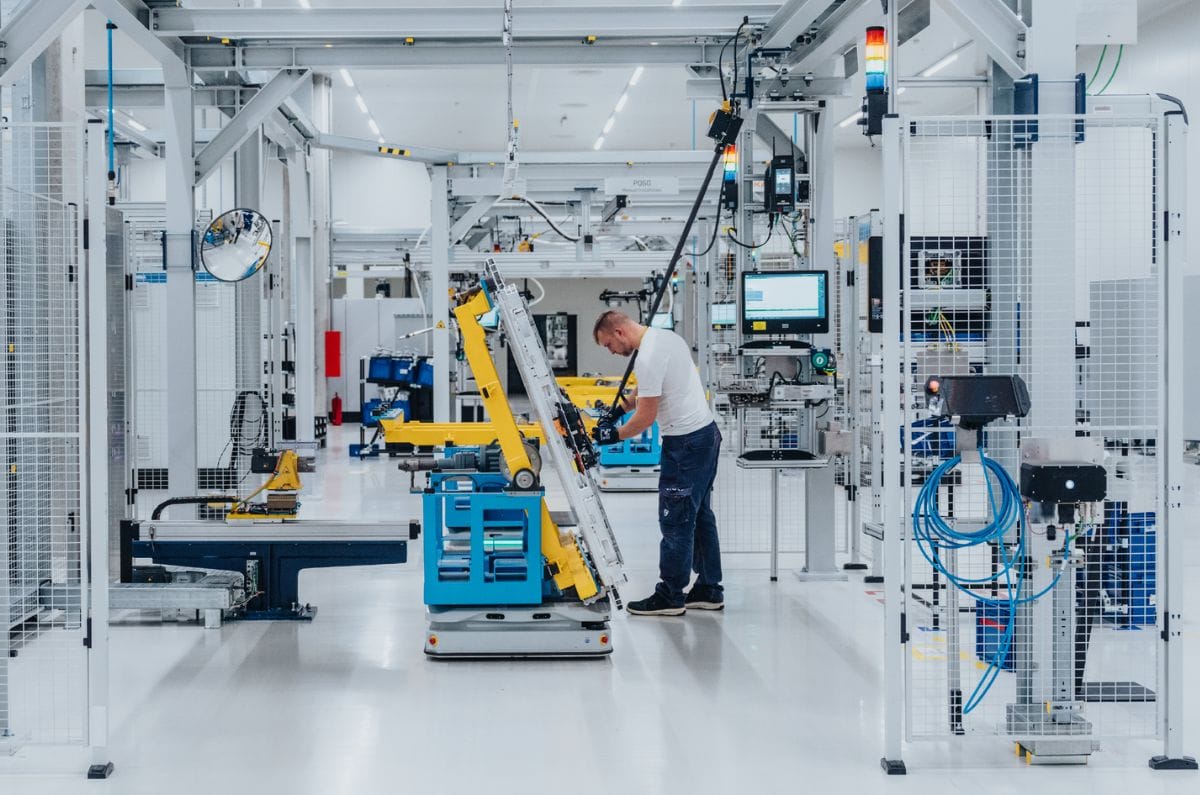
The updated i7’s new battery system packs a 20 percent higher volumetric energy density than the previous-gen system, which used prismatic cells. Combined, BMW’s Gen6 battery cells and Rimac’s Gen5 module will deliver “significant improvements in energy, range and charging performance”, Mate Rimac, founder and president of Rimac Group, confirmed. For reference, the pre-facelift i7 has a maximum WLTP-claimed range of 603km. The new battery system will also allow users to charge the i7 facelift faster. As for this BMW-Rimac battery system, it will be manufactured at a purpose-built Rimac facility near Zagreb in Croatia.
What else to expect from the BMW i7 facelift?
Changes to the BMW i7 facelift’s exterior are expected to be limited mostly to the soft parts. As per Autocar UK, the electric sedan will come with a squared-off front grille, larger daytime running lights (DRLs) and a slightly watered-down front fascia compared to the current iteration. These, along with a few other exterior styling tweaks, will also come to the upcoming 7 Series.
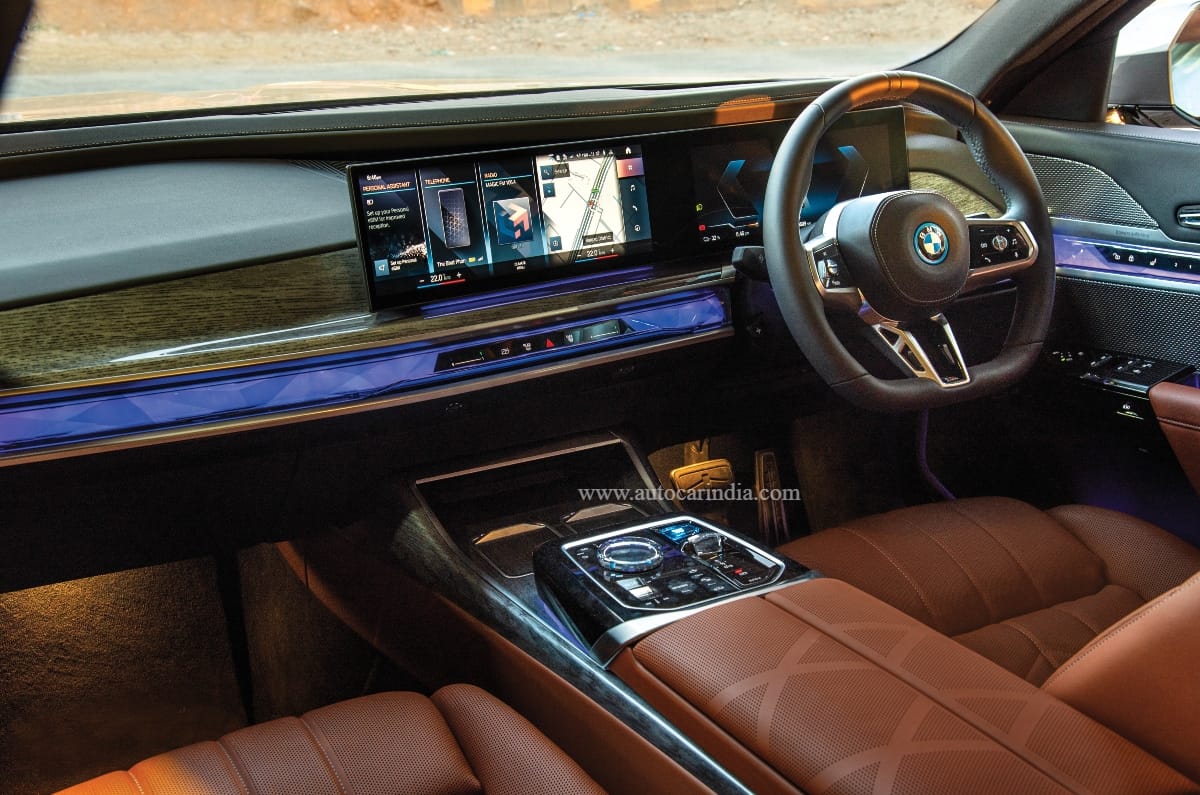
The tech-laden, high-quality interior of the i7, with its array of digital screens, high-end Bowers & Wilkins audio system, plus temperature-controlled and massaging seats, will remain as is. However, BMW could introduce additional equipment as part of the Neue Klasse update. Aside from the upcoming i7 facelift and 7 Series facelift, BMW is set to unveil the next-gen X5 sometime in 2026. In India, the German marque will be launching the iX facelift and i5 LWB in the second quarter of 2026.
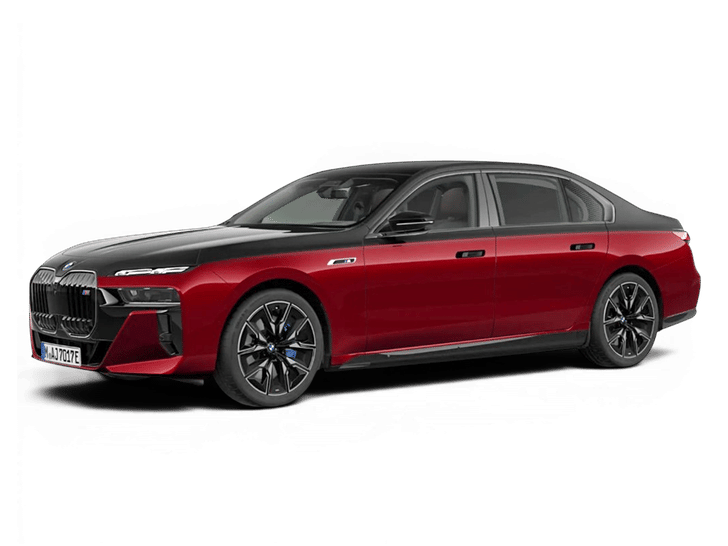
 Dipan Sur
 Dhruv Dhaka

 Viraaj Bhatnagar