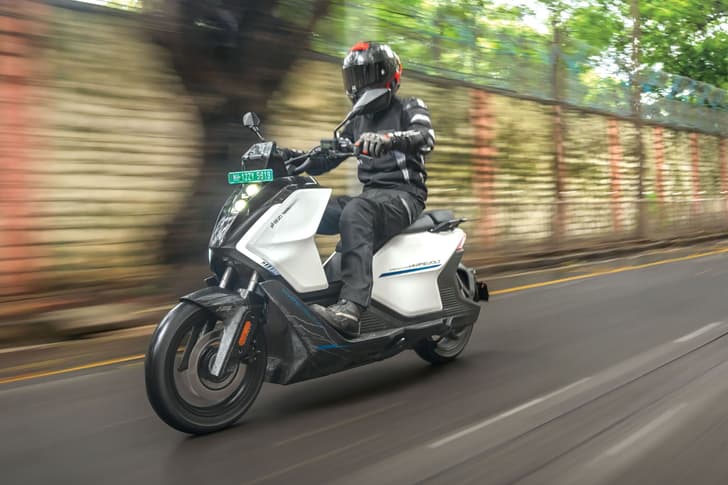

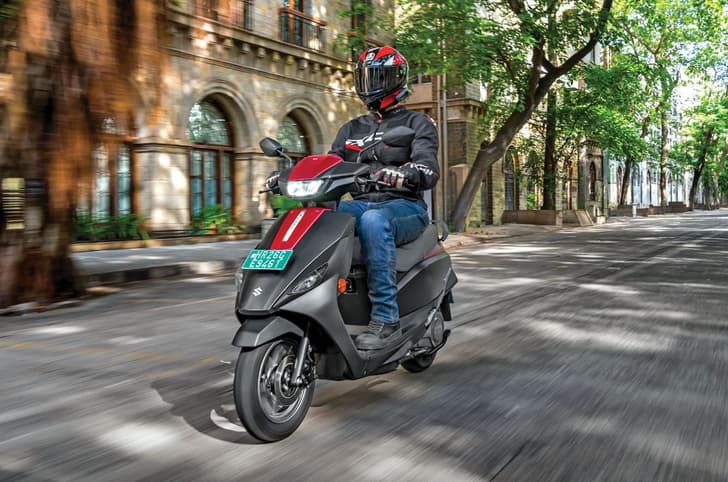
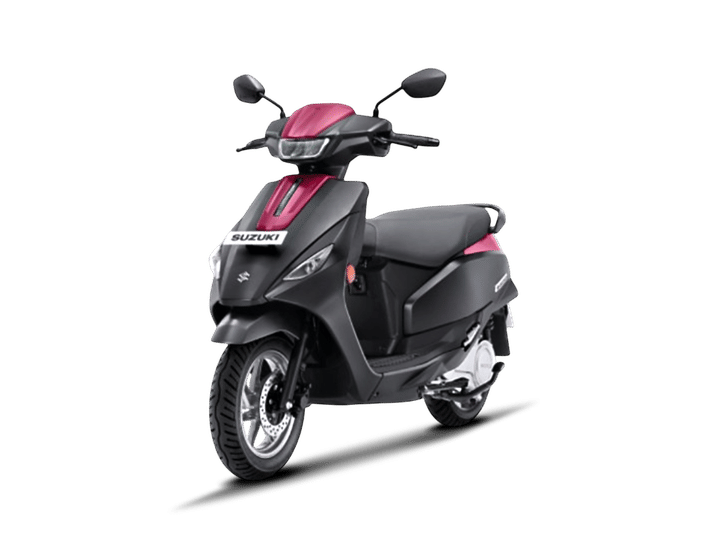
Suzuki first showed the e-Access back in January 2025, but it was actually launched only a year later, in January 2026. While the e-Access has definitely lost the first mover advantage in the burgeoning EV market, has it at least come prepared?
e-Access Design and Features
e-Access Performance and Range
Range and performance are just about adequate.
Every EV has shortcomings, but the important question is, can they be overlooked in the interest of the savings it brings via lower running costs? Unlike most mainstream manufacturers, which use NMC (Nickel Manganese Cobalt) batteries, Suzuki has chosen LFP (Lithium Ferrous Phosphate) chemistry for the e-Access. LFP cells typically have a longer life and lower risk of thermal runaway incidents, but the trade-off is lower energy density, and ergo, lower range.
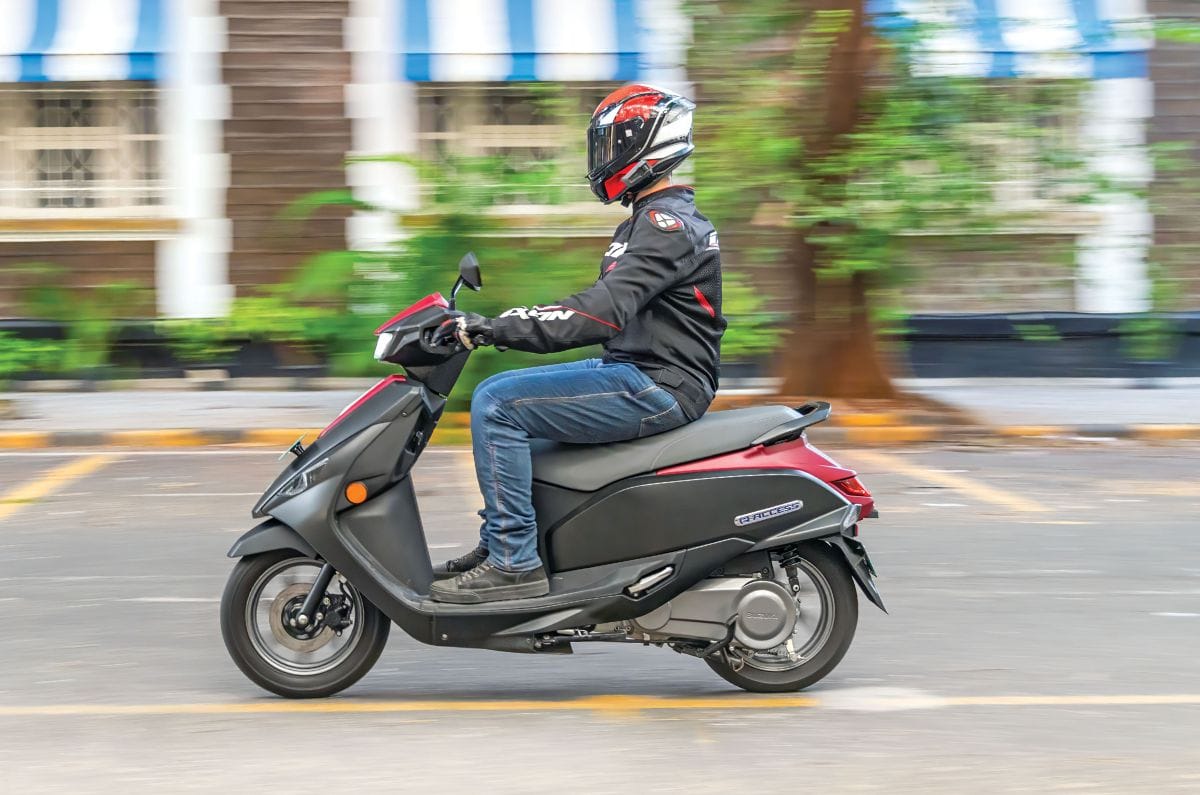
With a 3.072kWh LFP battery pack and a claimed 95km IDC range, range was never going to be the e-Access’ USP. In our tests, using Ride A mode (maximum power, maximum regenerative braking), we managed to cover a little over 88km on a single charge. This is a decent number in isolation, but quite a bit lower compared to rivals with similarly sized batteries, which can cover upwards of 100km.
One positive is that, once the range indicator had calibrated to our riding style, its predictions proved to be accurate, and the number shown on screen could be relied upon as the actual distance you’d go. Using Eco mode will obviously increase range on a single charge, but performance will be much gentler. What is nice is that even in Eco, the e-Access can maintain pace with big-city traffic as well as climb flyovers.
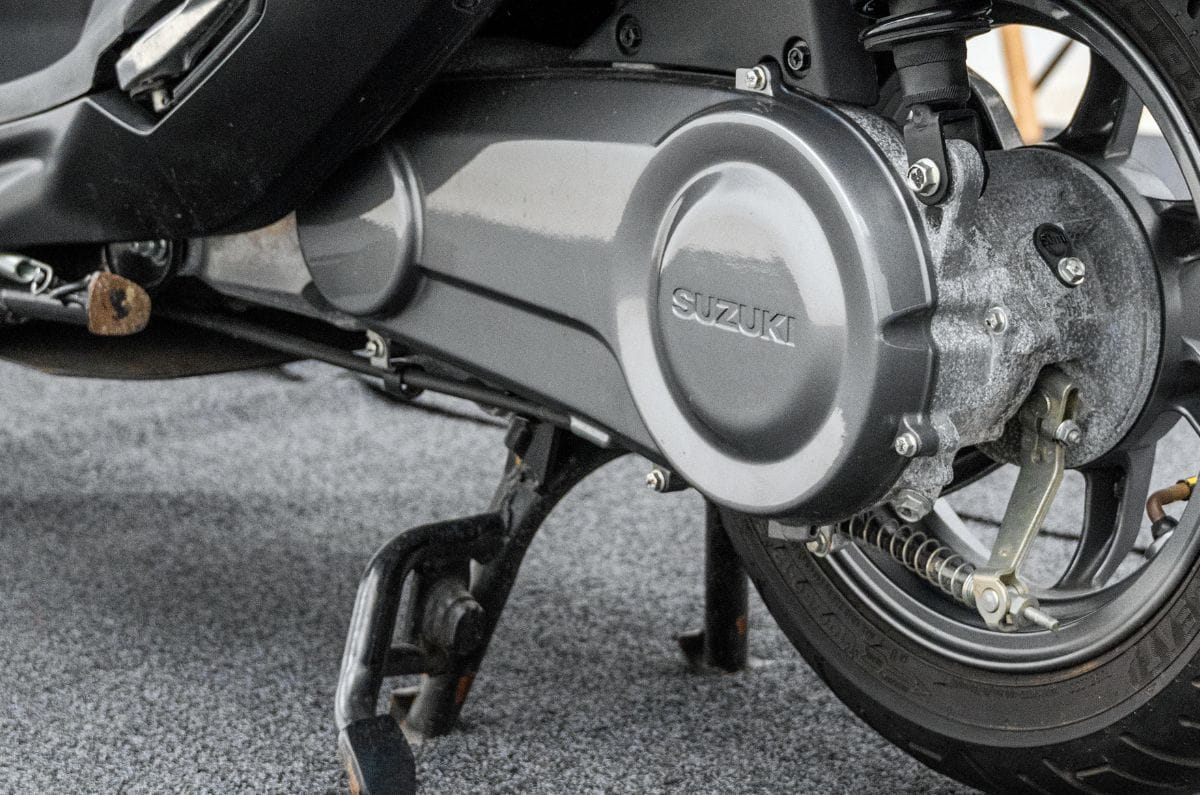
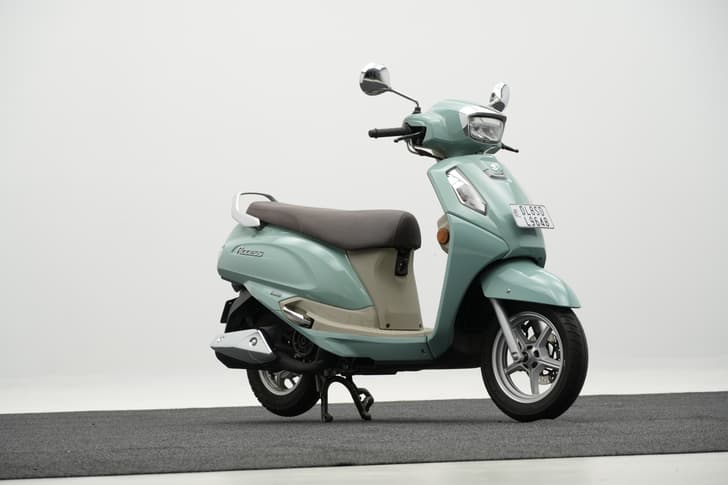
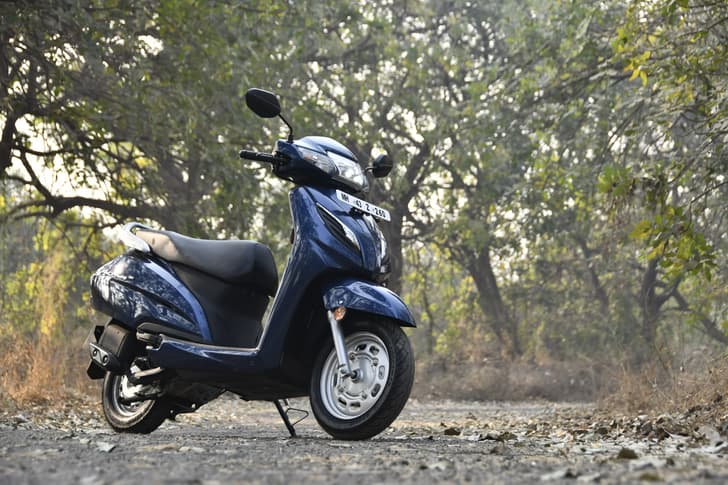
While the performance never feels inadequate, it is definitely a letdown on a machine bearing the ‘Access’ badge. In our tests, the e-Access took nearly 12 seconds to complete the 0-60kph sprint, which not only makes it slower than most other well-known e-scooters, but also much slower than the Access 125 that takes 7.68s for the same test. In fact, its performance, even in the most powerful Ride A mode, is so mellow that even the gentle Honda Activa 110 would leave it in the dust in a traffic-light grand prix. Another bug bear we have with the e-Access’ powertrain is that the powertrain is on the noisier side among all the reputed EVs on sale today.
e-Access Ride and Handling
It’s light, easy and intuitive to ride, but over-eager handling is a mismatch.
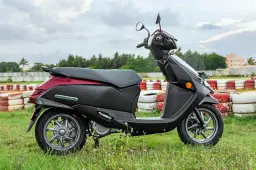
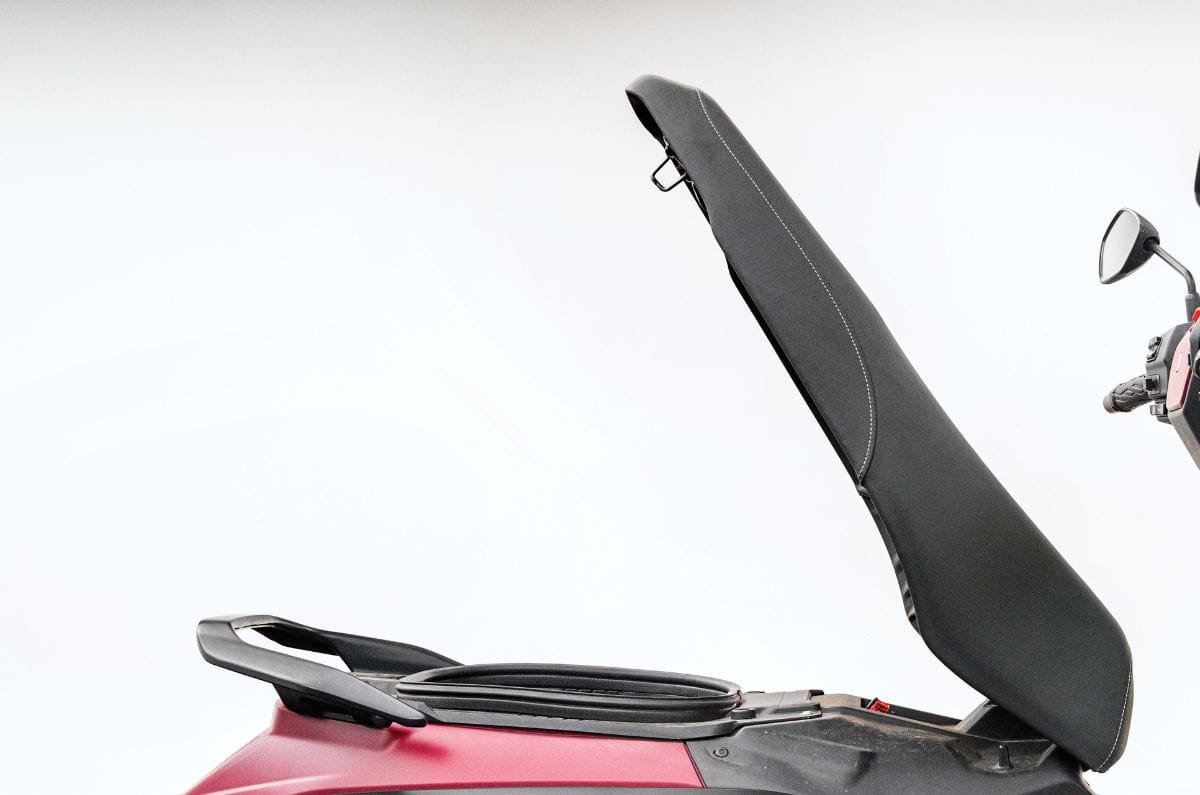
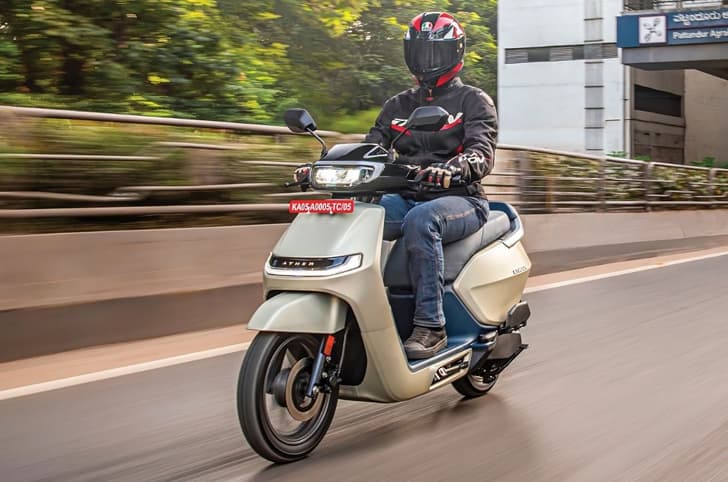
To sit on, the e-Access feels pleasantly ‘normal’, and while this is certainly a compact machine, taller riders will be reasonably accommodated. However, while its low 765mm perch will be welcoming for shorter folks, riders over 6 feet will find it a bit too low. With a flat seat, spacious floorboard and well-tuned suspension, the e-Access is quite a comfortable machine and will isolate you to a great degree from all but the worst of bumps on our roads.
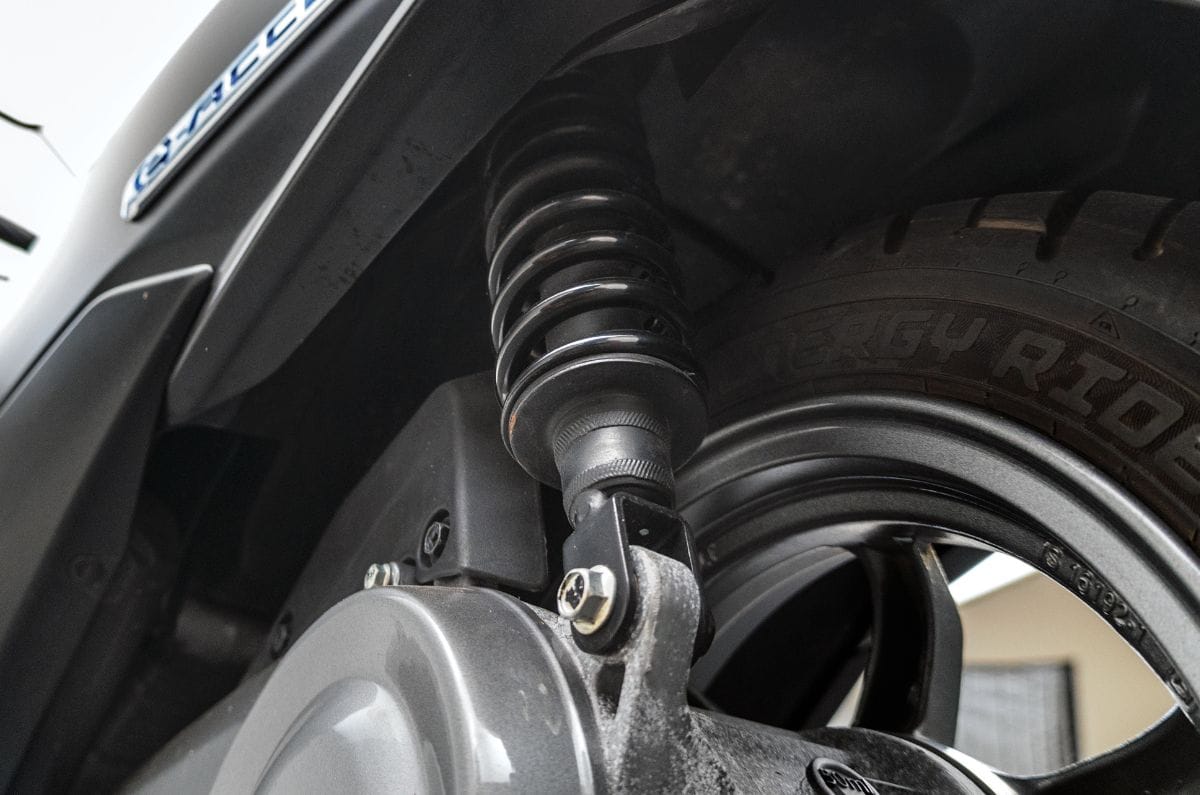
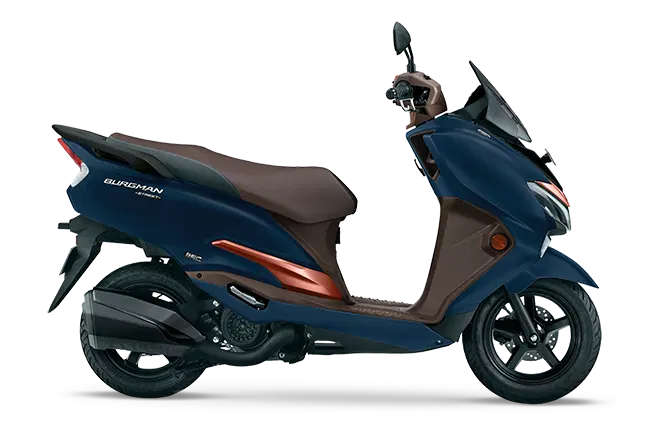
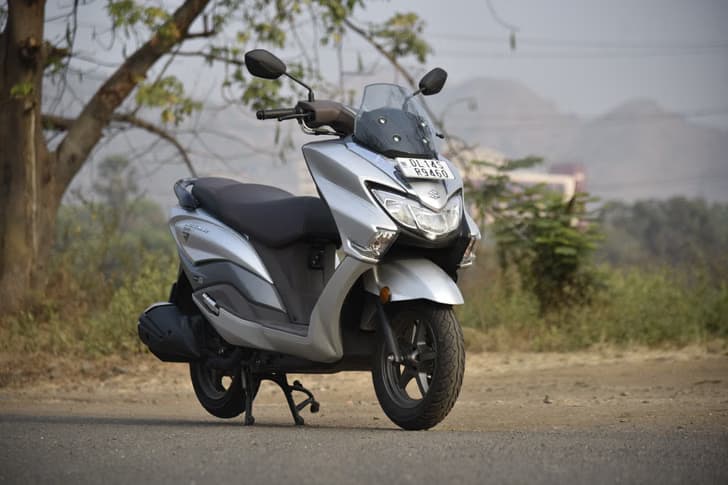
Like the new Burgman, its suspension is not overtly soft and feels quite taut, which isn’t necessarily a deal breaker, but something to watch out for. Braking power is quite good, although the lack of ABS and a sharp bite mean you have to be mindful when slowing down.
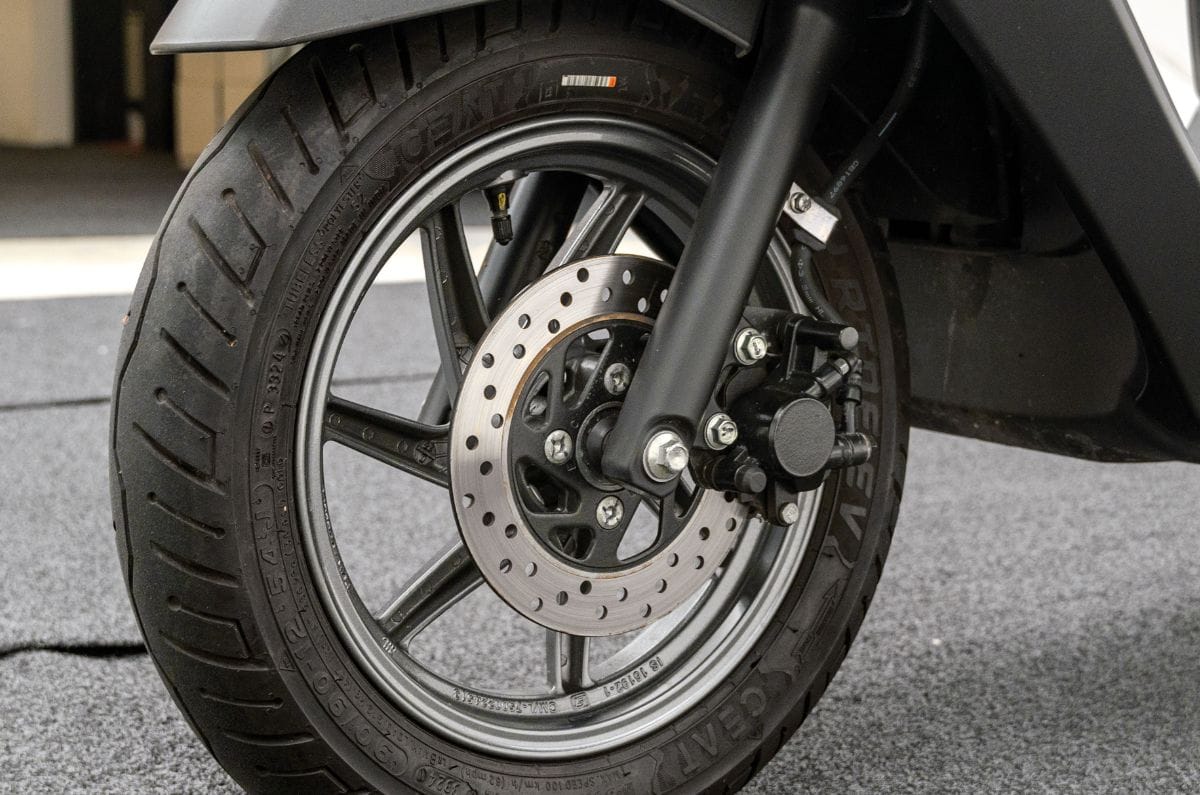
At 122kg, it is fairly light, and slicing through traffic is a breeze. In fact, the scooter displays a tendency to lean over onto its side quicker than you’d expect, which is partly down to its smaller 12-in wheels and thinner tyres. It is also another consequence of Suzuki mounting the battery pack vertically under the seat. As a result of the centre of gravity being fairly high, the e-Access almost ‘falls’ into a corner, and this behaviour won’t be to everyone’s liking.
e-Access Price and Verdict
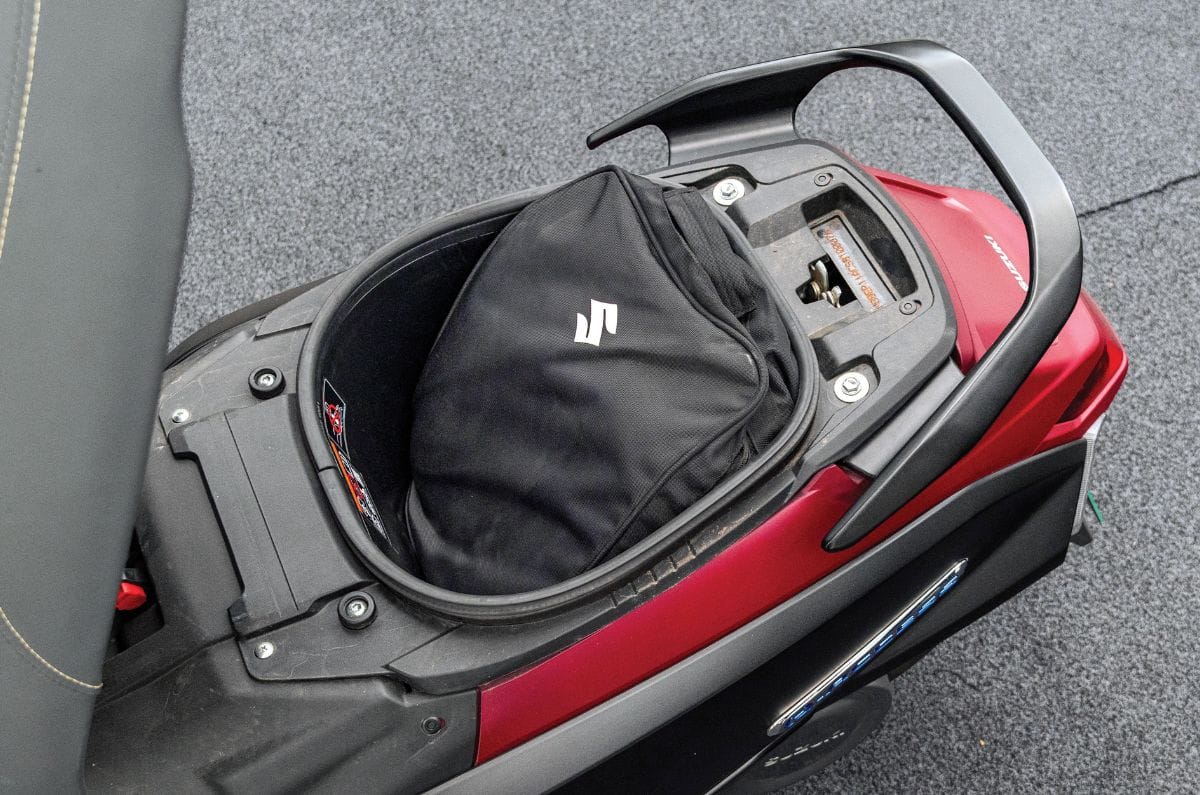
All said and done, it’s not the average features, tiny storage area, mellow performance or lacklustre range which will dissuade you from buying it. These are all things that buyers could overlook in exchange for the quality assurance that comes with the Suzuki Access name. However, the deal breaker here is the super-steep Rs 1.92 lakh asking price, which is very difficult to justify when similarly specced, proven options from reputed Indian brands like TVS, Bajaj, Vida (Hero) and Ather cost up to Rs 60,000 less.
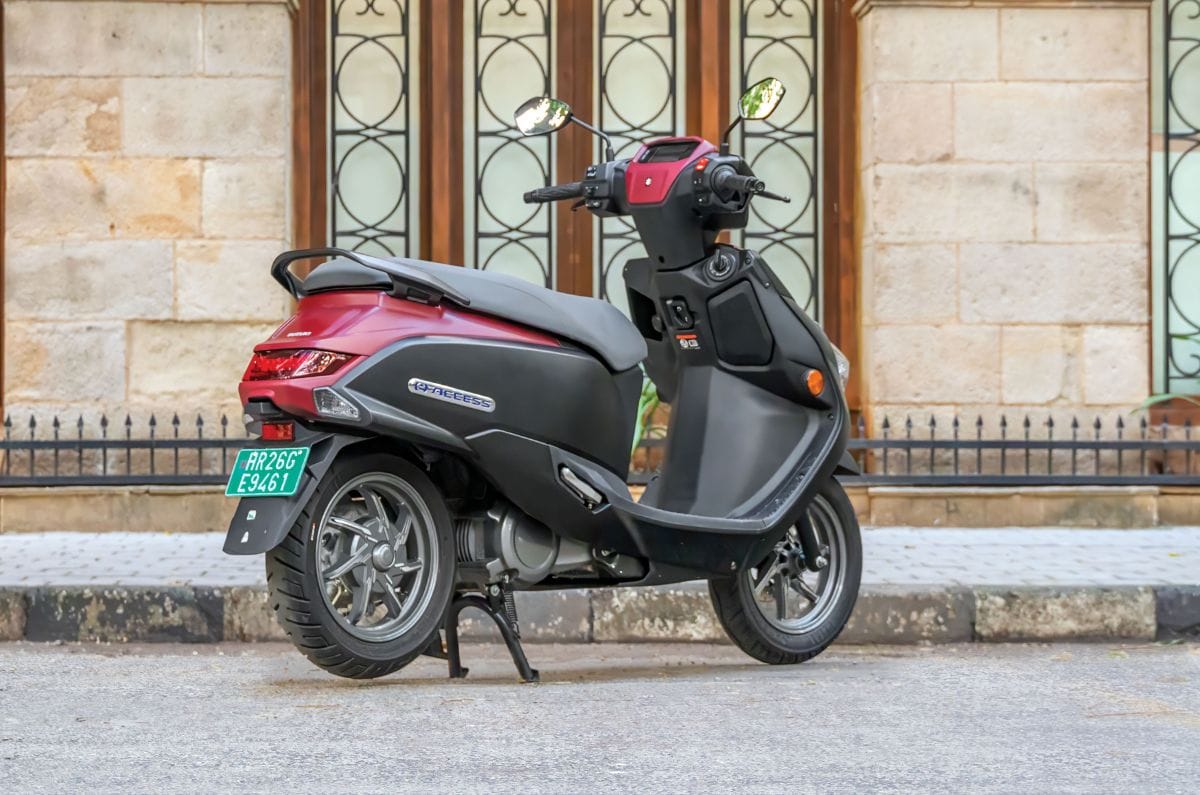
The e-Access gets some things right, like good comfort, and has typical Japanese strengths, like the promise of reliability, longevity and good quality. However, today’s market values a good price point without compromising on range, storage and quick charging times. For the e-Access to follow in the successful footsteps of its ICE namesake, simply leveraging an established name and charging an unreasonably stiff premium for it is unlikely to pay off.

 Rishaad Mody
 Azaman Chothia