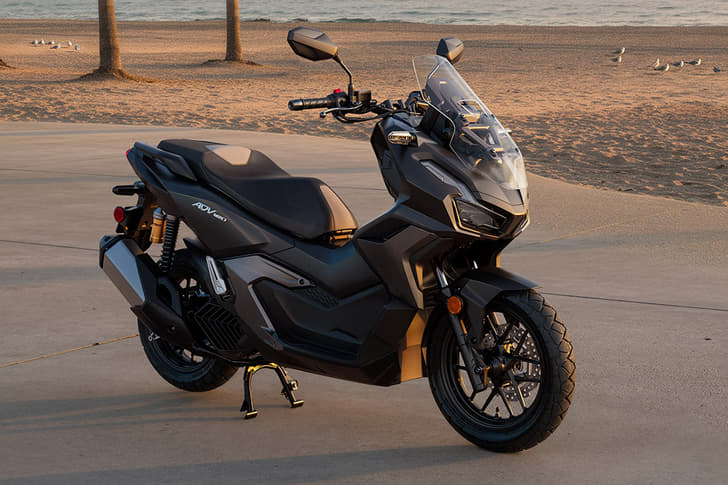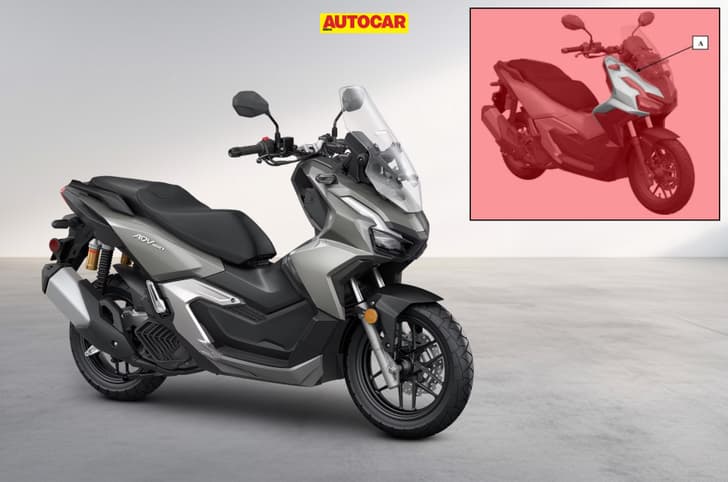
After the WN7 electric bike and the Airblade maxi-scooter, Honda has patented another two-wheeler in India. This time, it’s the ADV160 maxi-scooter.
- Honda ADV160 runs on a 14/13-inch (F/R) setup
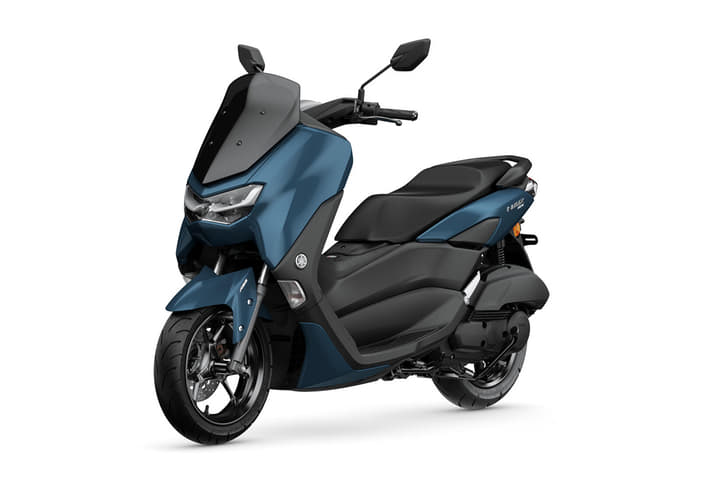
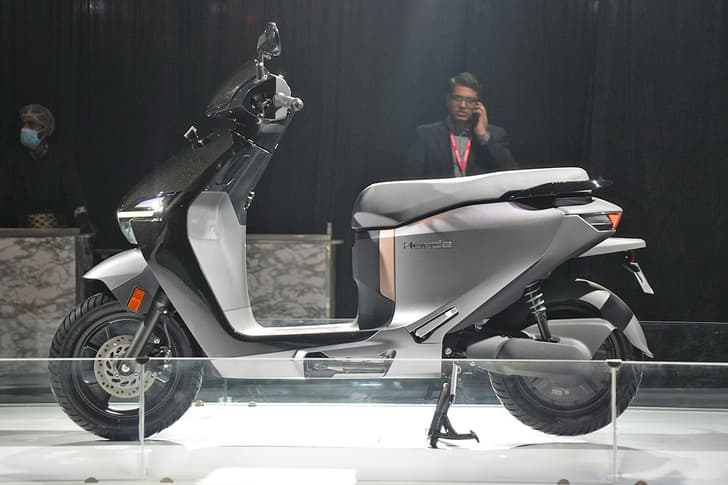
- Closest rivals in India include the Yamaha Aerox 155 and Hero Xoom 160
- ADV160 is 9kg lighter than the Xoom 160 but 7kg heavier than the Aerox 155
Honda ADV160: What to expect?
Powered by a 157cc liquid-cooled engine that produces 16hp and 14.7Nm
The ADV160 is powered by the same 157cc single-cylinder liquid-cooled engine as the Airblade. However, it gets a higher state of tune, producing 16hp at 8,500rpm and 14.7Nm of torque at 6,500rpm. That said, the ADV160 is a rugged, adventure-style scooter built for rougher roads and touring, whereas the Airblade 160 is a sleek, lightweight commuter with minimal bodywork.
The Honda ADV160 uses an underbone chassis suspended by a telescopic fork and twin shock absorbers. It comes with a 14-inch front wheel and a 13-inch rear wheel. This mismatch of wheel size is in line with Honda’s larger ADV-styled maxi-scooter, the X-ADV, which also comes with a larger 17-inch front wheel compared to the 15-inch rear one. Braking duties on the ADV160 are handled by a 240mm front disc with ABS and a 130mm rear drum. The maxi-scooter has a seat height of 780mm and a kerb weight of 133kg. That makes it 9kg lighter than the Hero Xoom 160 but 7kg heavier than the Yamaha Aerox 155.
Unlike the Airblade that runs on skinnier 90/100-section (F/R) tyres, the ADV160 has a 110/130-section (F/R) setup.
Will the ADV160 come to India?
While we did exclusively report early last year that the ADV160 could be launched in India, the maxi-scooter segment is still in its nascent stage in the country, with the Yamaha Aerox 155 and Hero Xoom 160 currently being the only under-spine maxi-scooters with 150cc-plus liquid-cooled engines on sale. It is pertinent to note that a patent filing from Honda does not directly point to an imminent launch, as this could simply be an IPR (Intellectual Property Rights) safeguard, something the brand routinely exercises.
 Vishal Venugopal
 Stephen Raj Antony