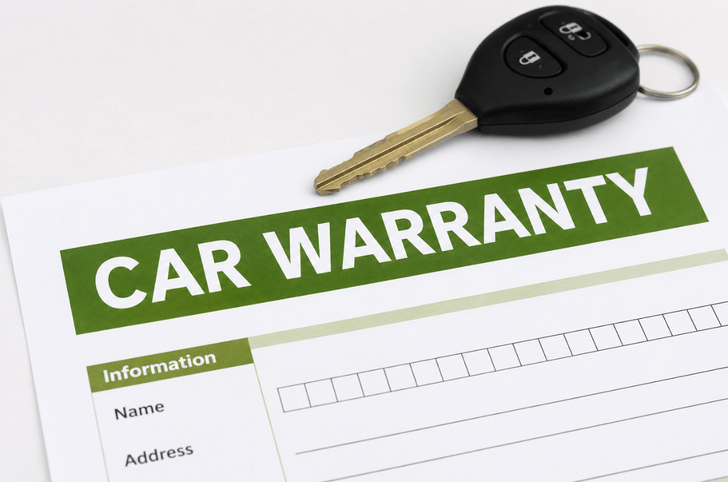
While modern cars are more reliable than ever, mechanical and electrical failures can still occur, which is where a warranty is useful. Simply put, it is the carmaker’s assurance that the vehicle is free from manufacturing defects. If a part fails because of such a defect within the specified time or kilometre limit, the company bears the cost of repairing or replacing it. Here’s a closer look at some of the most important questions surrounding car warranties.
Disclaimer: Warranty terms and conditions vary from one manufacturer to another. It is always recommended to check with your carmaker for the exact coverage and exclusions.
What does a car warranty actually cover?
A factory warranty mainly covers key components that are expected to last the life of the vehicle under normal use. These include the powertrain, engine, fuel pumps and transmission. It also covers components such as the steering system, suspension linkages and braking system. Factory-fitted electrical components are covered as well. In short, if there is a manufacturing or assembly defect, the company either repairs or replaces the affected part free of cost.
What isn’t covered under a car warranty?
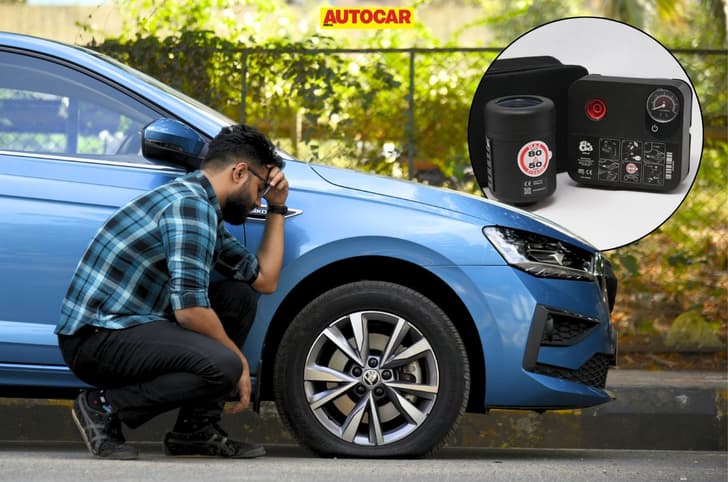
A warranty does not cover parts that naturally wear out over time. Brake pads, clutch plates, wiper blades, bulbs and tyres are among the common exclusions. Consumables such as engine oil, filters and coolant are covered only if they need to be replaced as part of an approved warranty repair.

Damage caused by certain external factors is also excluded. This includes paint damage caused by bird droppings, tree sap, industrial fallout or acidic rain. Bird droppings, in particular, are highly acidic and can damage the paint if not cleaned off quickly.
What can void your car’s warranty?
Warranty protection depends heavily on following manufacturer-prescribed maintenance schedules using approved procedures and genuine parts. Even a comprehensive warranty can become invalid if the vehicle is modified or misused. Odometer tampering is one such example, as disconnecting or altering the odometer immediately voids the warranty.
ECU remaps are another common reason. Manufacturers, particularly Volkswagen Group brands such as Skoda and Volkswagen, use OBD scans to detect unauthorised tuning, and a detected remap can result in the loss of powertrain warranty. Aftermarket electrical modifications, such as cutting into the wiring harness to install audio systems, can also create warranty issues. Also, upsizing, using wider tyres or placing wheel spacers could cause issues and therefore void the warranty.
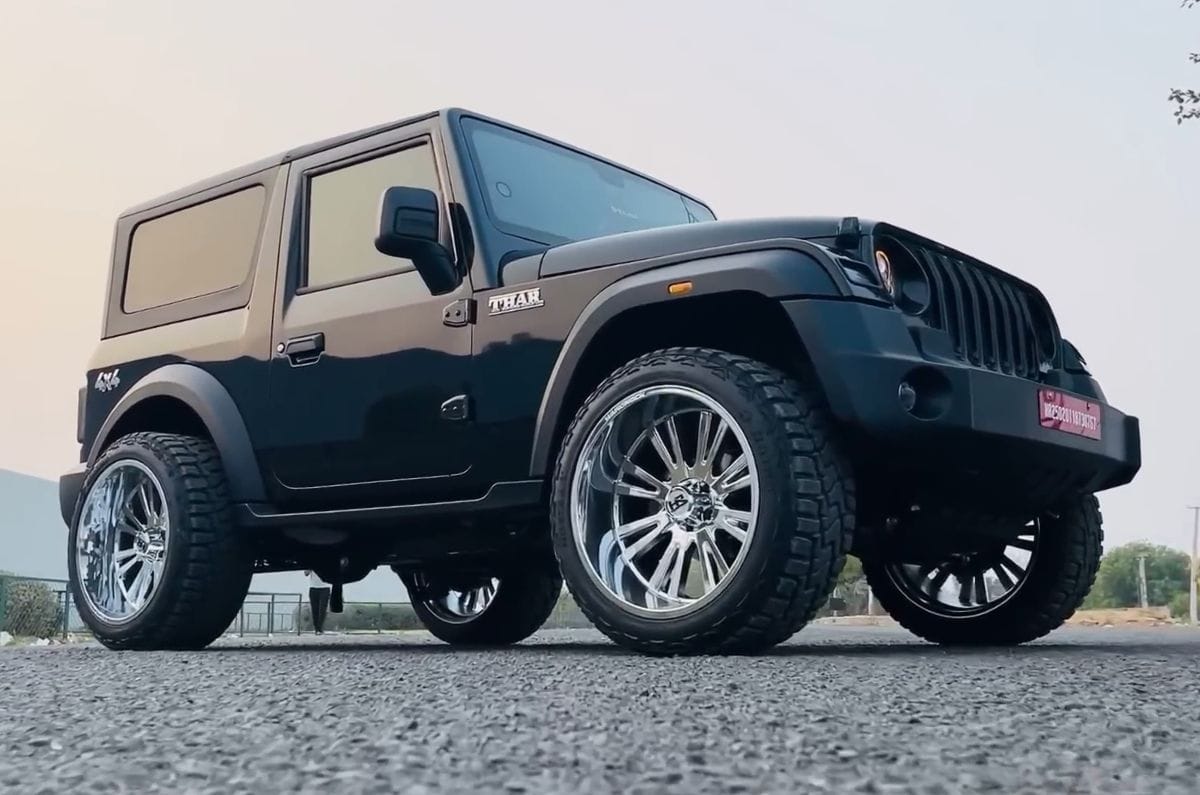
BYD excludes rodent damage, while MG warns against charging its EVs from non-earthed power sources, which can affect the battery management system. Driving through deep water and causing a hydrostatic lock is also considered misuse, so owners should always stay within the manufacturer’s recommended water-wading limit.
How are EV warranties different?
Unlike petrol and diesel cars, where the warranty is generally offered as a single package, EV warranties are split across different components. Manufacturers typically provide separate warranties for the electric motor(s) and battery. Speaking of the latter, the industry standard for high-voltage batteries is 8 years or 1,60,000km, but coverage varies across manufacturers.
For example, Tata Motors offers the Harrier EV with an unlimited-kilometre battery warranty for the vehicle’s lifetime, defining it as 15 years from the date of first registration. Toyota offers an 8-year or 1,60,000km battery warranty for its hybrid vehicles and 8 years or 2,00,000km for its battery electric vehicles.
Should you buy an extended warranty?
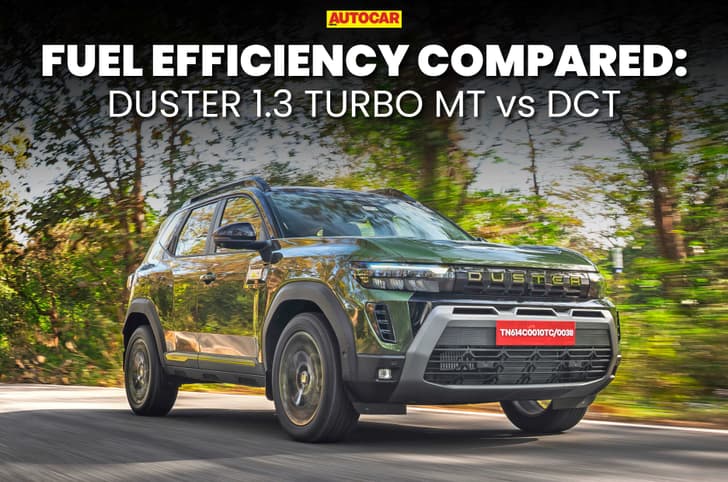
As standard, carmakers usually offer a 3-year or 1,00,000km warranty, whichever is earlier. In some cases, manufacturers offer even more. The new Renault Duster, for example, comes with a 7-year or 1,50,000km standard warranty. BYD also offers a 6-year or 1,50,000km warranty across its entire range.
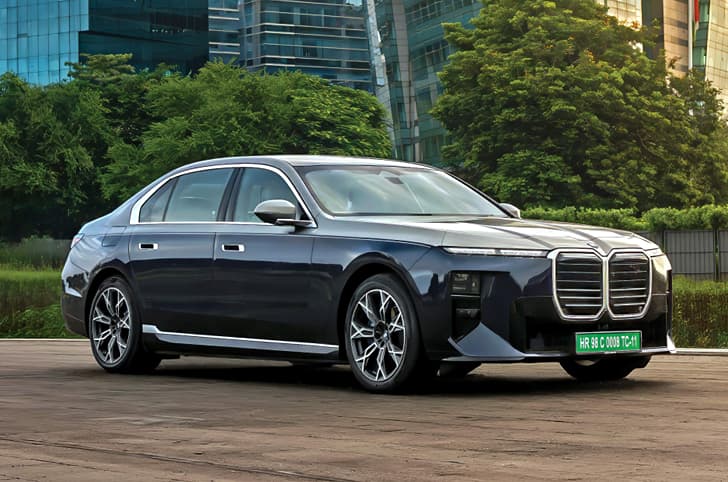
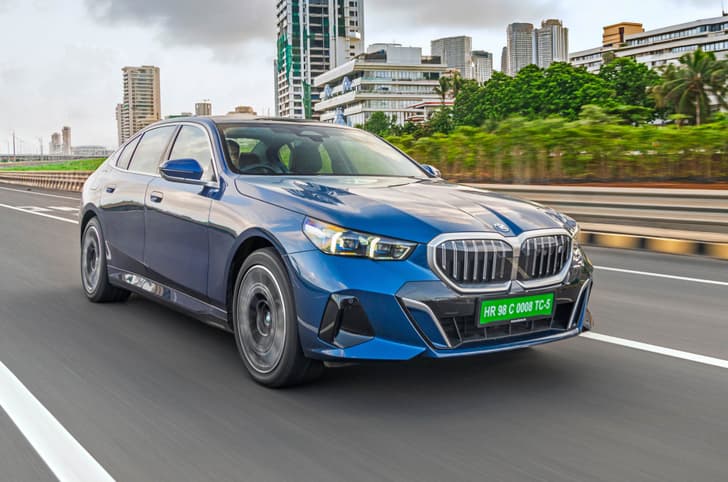
Beyond this, customers can also opt for extended warranty packages, typically ranging from 2 to 7 years or a set number of kilometres. Some manufacturers go further still. For instance, BMW provides warranty extensions of up to 10 years or 2,00,000km. Toyota’s True Warranty can be extended up to 2,20,000km. Nissan offers comprehensive coverage for up to 7 years or 1,70,000km, along with separate engine and transmission-only extensions of up to 10 years.
Some manufacturers take a different approach. Hyundai’s Shield of Trust package covers 14 wear-and-tear parts for up to 5 years or 60,000km. Honda’s Anytime Warranty, meanwhile, can be purchased for cars that are up to 10 years old, even after the original factory warranty has expired.
Whether an extended warranty is worth buying largely depends on how long you plan to keep your car. If you intend to sell it before the standard warranty expires, you may not need one, although it may improve the car’s resale value. However, if you plan to keep the vehicle beyond the factory warranty period, an extended warranty may prove useful.
How do warranties work on used cars?
Beyond vehicle manufacturers, some small-scale dealers and used-car platforms also offer warranty packages. Spinny, for instance, offers different warranties based on the category of the used car: Budget, Assured and Assured+. The Budget category gets a 6-month/6,000km powertrain warranty and a 2-month/2,000km warranty, while the Assured models offer a 1-year/12,000km powertrain warranty and a 3-month/3,000km warranty.
The Assured+ cars come with a 3-year/36,000km powertrain warranty and a 6-month/6,000km comprehensive warranty, whichever comes first. Notably, Spinny became the first used-car retailer in India to introduce a 3-year warranty on its Assured+ cars in June 2025.

Spinny’s extended warranty, valid only for Assured and Budget cars, provides additional peace of mind and is available as an additional purchase for your car.
In conclusion, a car warranty protects you against manufacturing and assembly defects, not routine servicing or normal wear and tear. Understanding what is covered, excluded and can void the warranty will help avoid expensive surprises later. Also, an extended warranty may not be necessary for every owner, but if you plan to keep your car for several years beyond the standard warranty period, it can be a worthwhile investment.


 Glenn Noronha
 Dipan Sur