
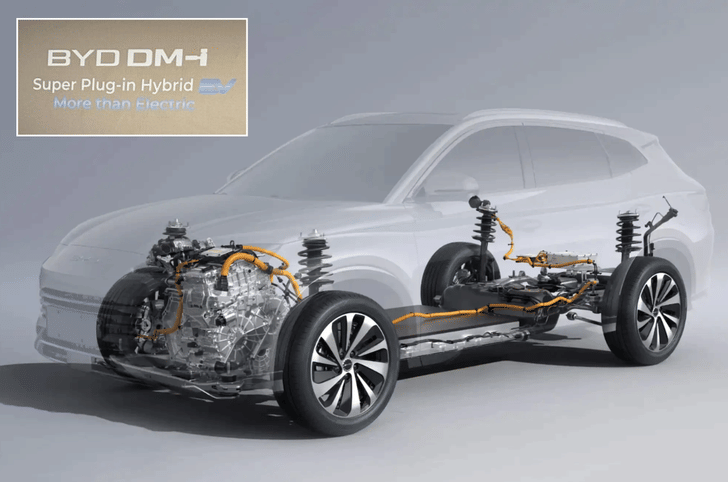
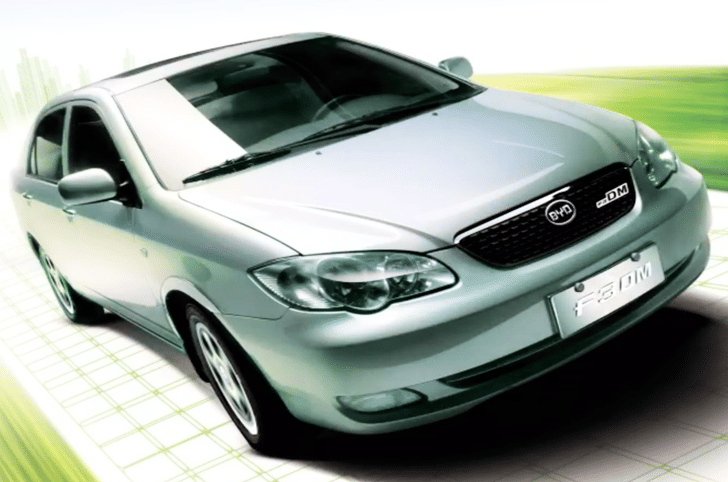
BYD India currently sells just electric vehicles, but that will change by the end of 2026 with the launch of the Seal U plug-in hybrid SUV. BYD calls its plug-in hybrid technology DM-i, short for Dual Mode Intelligent. The company claims that unlike conventional hybrid systems where the ICE engine does most of the work and the electric motor steps in only to assist, DM-i reverses this and takes an electric-first approach. That naturally raises a few questions around range and performance, so read on as we answer them.
BYD DM-i plug-in hybrid system details
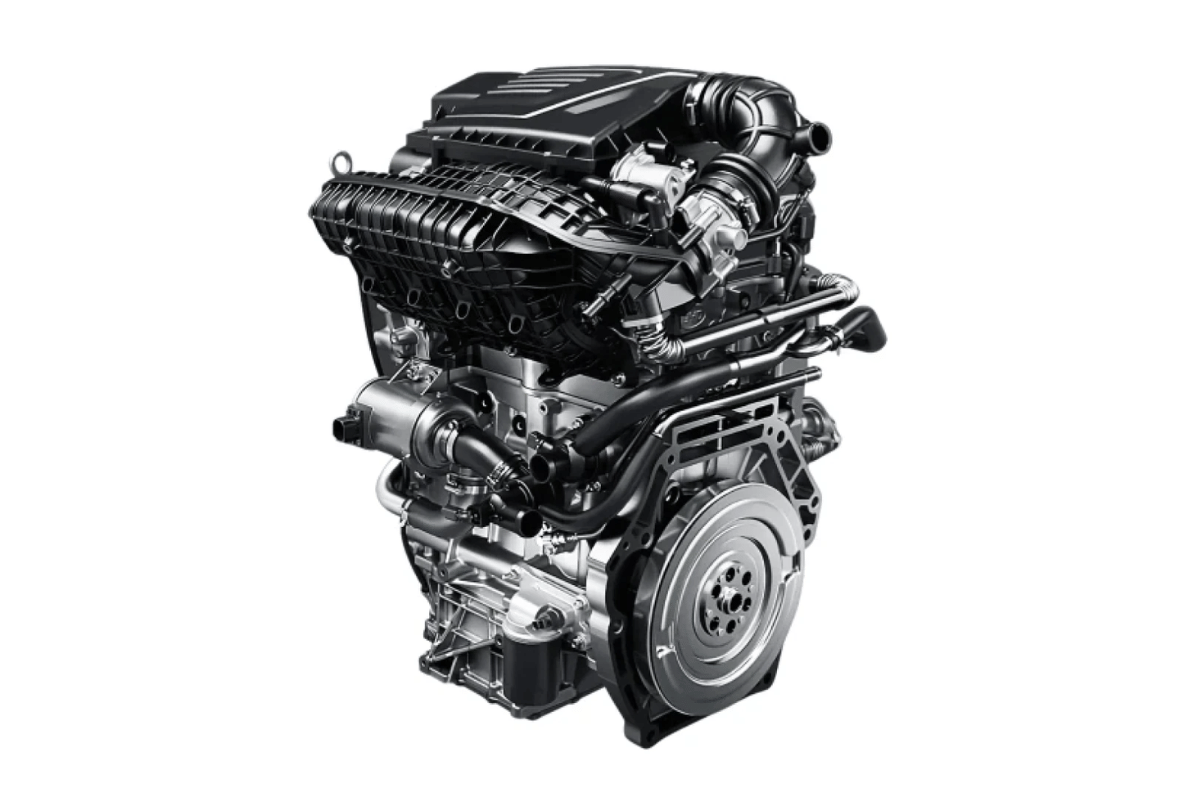
At the heart of the system is BYD's Xiaoyun engine. It has been designed specifically for hybrid applications. BYD even claims the world’s best thermal efficiency of 43.04 percent for the ICE engine. The DM-i models sold overseas use either naturally aspirated or turbo-petrol engines. The Seal U, for reference, offers 1.5-litre four-cylinder naturally aspirated and turbo-petrol engine options in international markets.
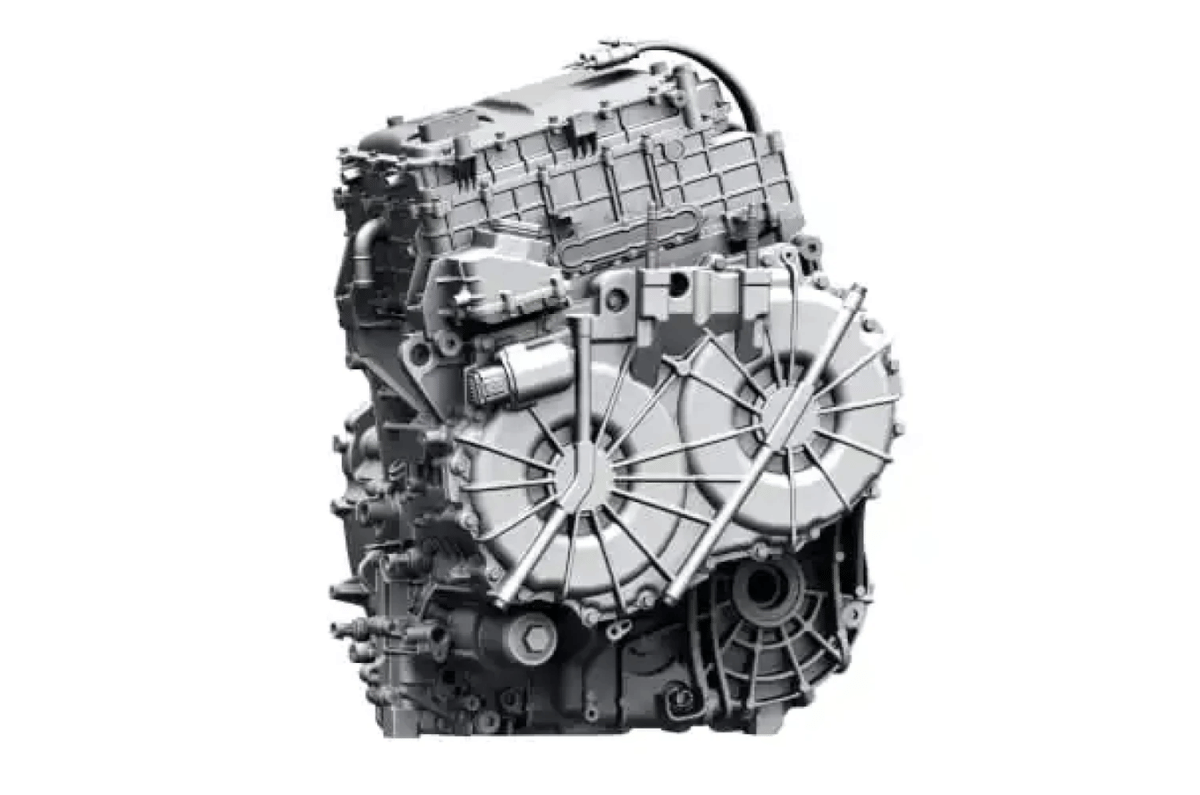
The other key part is the electric hybrid system, or EHS. This controls both the traction motor that drives the wheels and the starter generator. The electric motors are claimed to be 97.5 percent efficient, helping the system get the most out of every unit of energy.
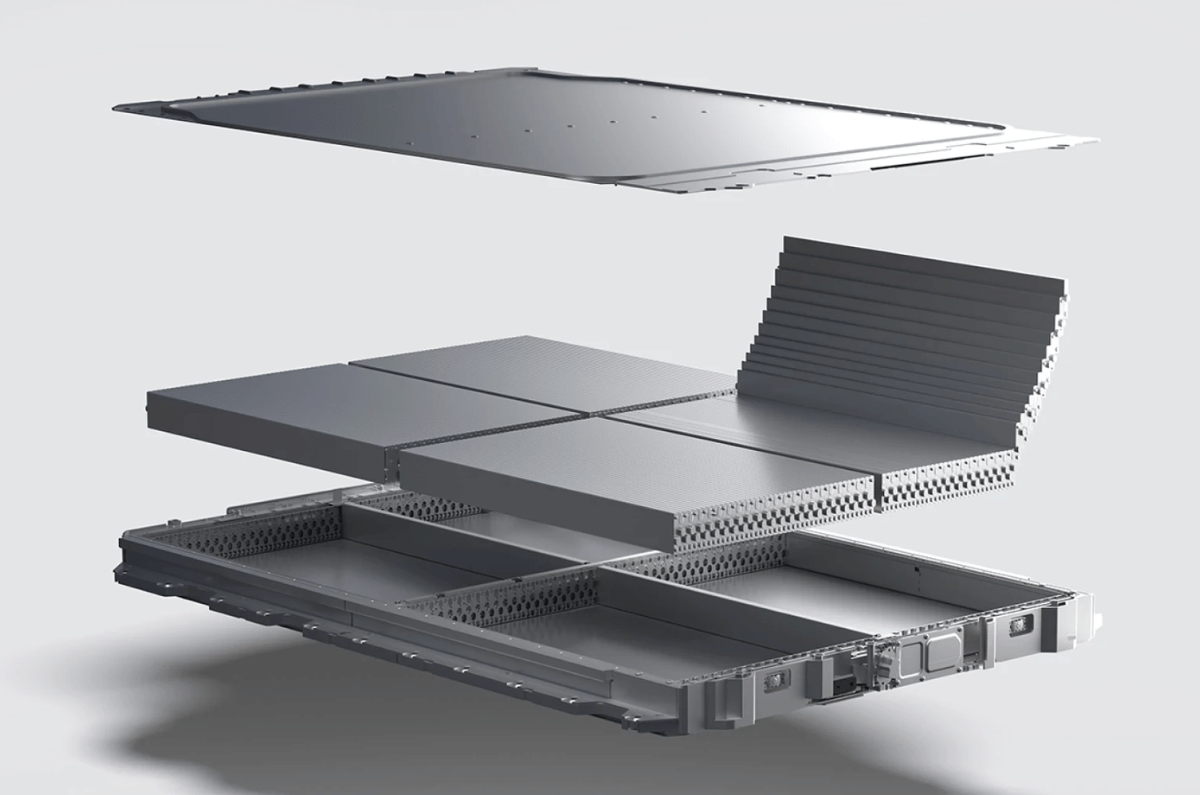
BYD has also optimised the Blade battery specifically for this plug-in hybrid powertrain, designed to handle high charge and discharge rates alongside performance demands. It even powers the air-conditioning system, which does not use a traditional engine-driven belt or chain.
One of the biggest advantages of a plug-in hybrid is charging convenience. The battery can be charged externally, which gives the system more flexibility than a strong hybrid vehicle. BYD says the engine uses up to 4.8 litres per 100km, which works out to around 21km a litre.
EV, Series and Parallel modes
EV mode: The car runs purely on electric power, with the engine switched off. That makes it best suited for city use and daily commuting, and BYD says it can do up to 200km in this mode, depending on the vehicle.
Series mode: Just like in a range extender vehicle, the Xiaoyun engine works as a generator and charges the battery, while the electric motor drives the wheels. BYD says this mode kicks in when the battery state of charge drops below 25 percent. In this setup, the company claims a range of over 1,200km on a full tank of fuel.
Parallel mode: The petrol engine kicks in and drives the wheels directly alongside the electric motors when more power is needed. This is where the setup stands out, because in a typical range-extender vehicle, the engine only acts as a generator and never drives the wheels. Here, both are possible. AWD, where offered, is enabled via a rear electric motor, depending on the model.
Notably, the EHS system automatically switches between these modes.
BYD Seal U DM-i specs
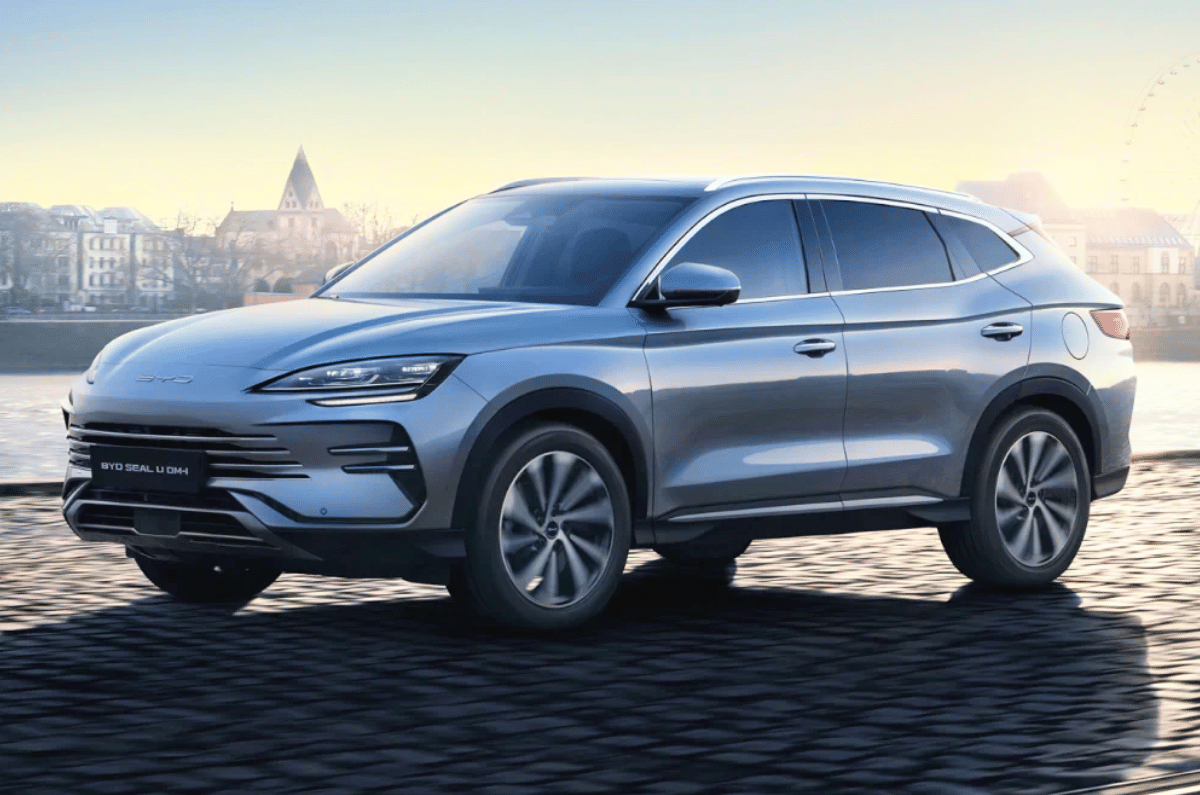
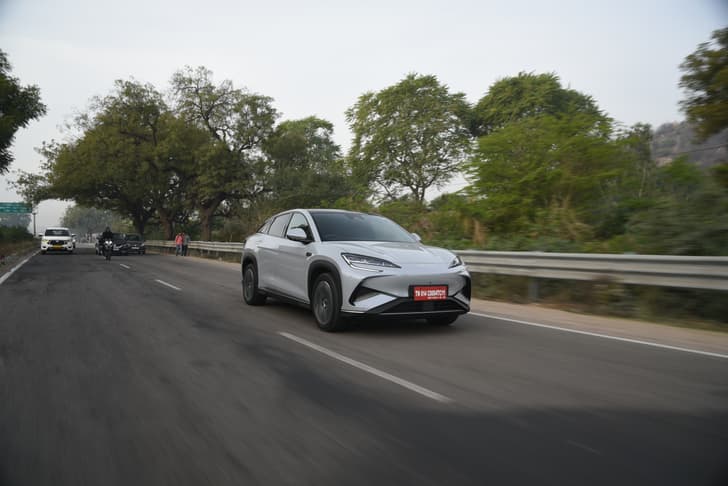
In some markets, the Seal U SUV is also sold as the Sealion 6, which BYD showcased at the 2025 Auto Expo to gauge the audience’s interest. The Seal U is a five-seat SUV and is about the same size as the Mahindra XEV 9e. It measures 4,775mm in length, 1,890mm in width and 1,670mm in height and has a 2,765mm wheelbase. Internationally, it is offered in both front-wheel-drive and all-wheel-drive forms. Depending on the version, combined output can go up to 323hp and 550Nm.
BYD claims an electric-only range of up to 126km using an 18.3kWh battery pack, which can be charged from 30 to 80 percent in 35 minutes with an 18 kW DC charger, while the system’s combined range is pegged at up to 1,080km. The claimed 0-100kph time for the AWD version is 5.9 seconds.
That said, we are told that BYD engineers are working on making improvements to the powertrain, which are likely to be rolled out to global models soon. These may result in different specifications for the India-bound Seal U.


 Glenn Noronha
 Dipan Sur