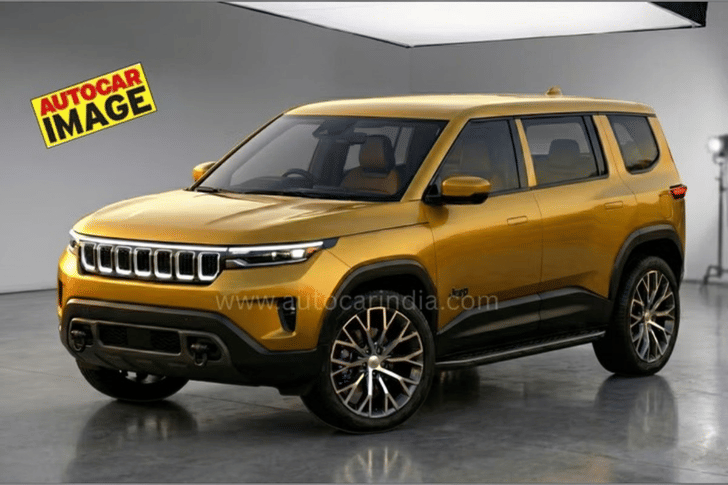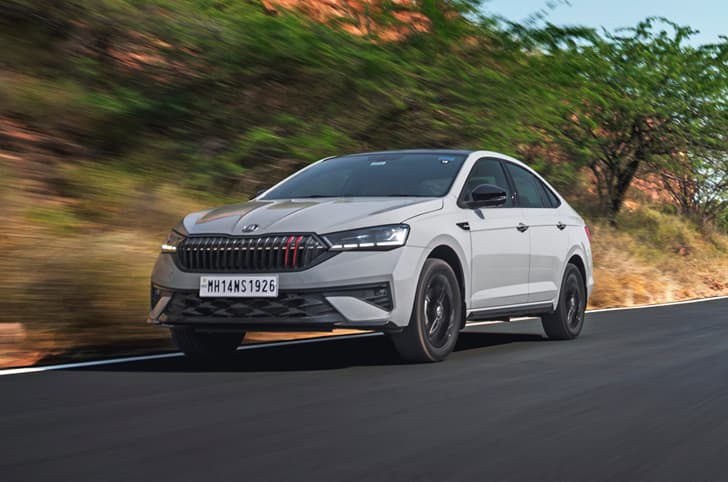

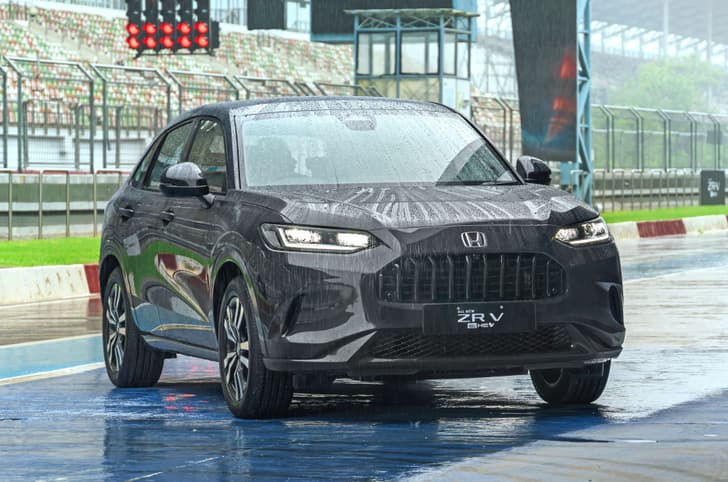
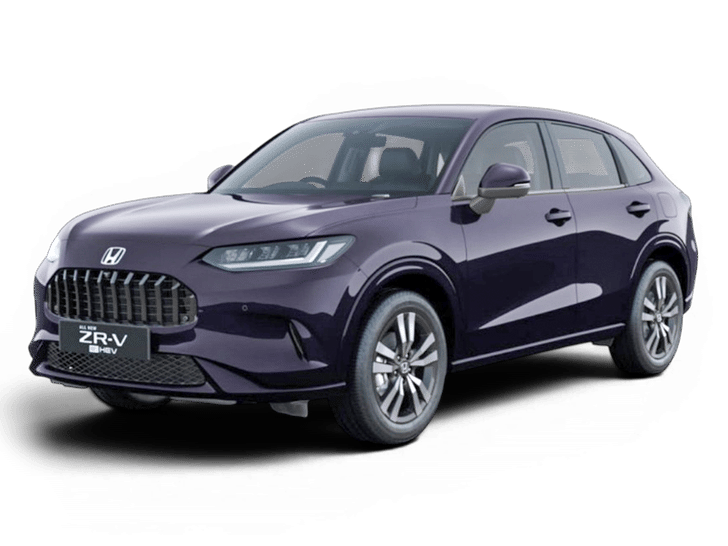
Honda has launched the ZR-V hybrid SUV in India as its new flagship offering. The ZR-V is sold here as a fully imported CBU model and rivals the likes of the Volkswagen Tayron, Jeep Meridian and Skoda Kodiaq. So how compelling a package is the ZR-V compared to its peers? We’ve compiled its most notable strengths and weaknesses below.
Pros
Punchy and refined powertrain
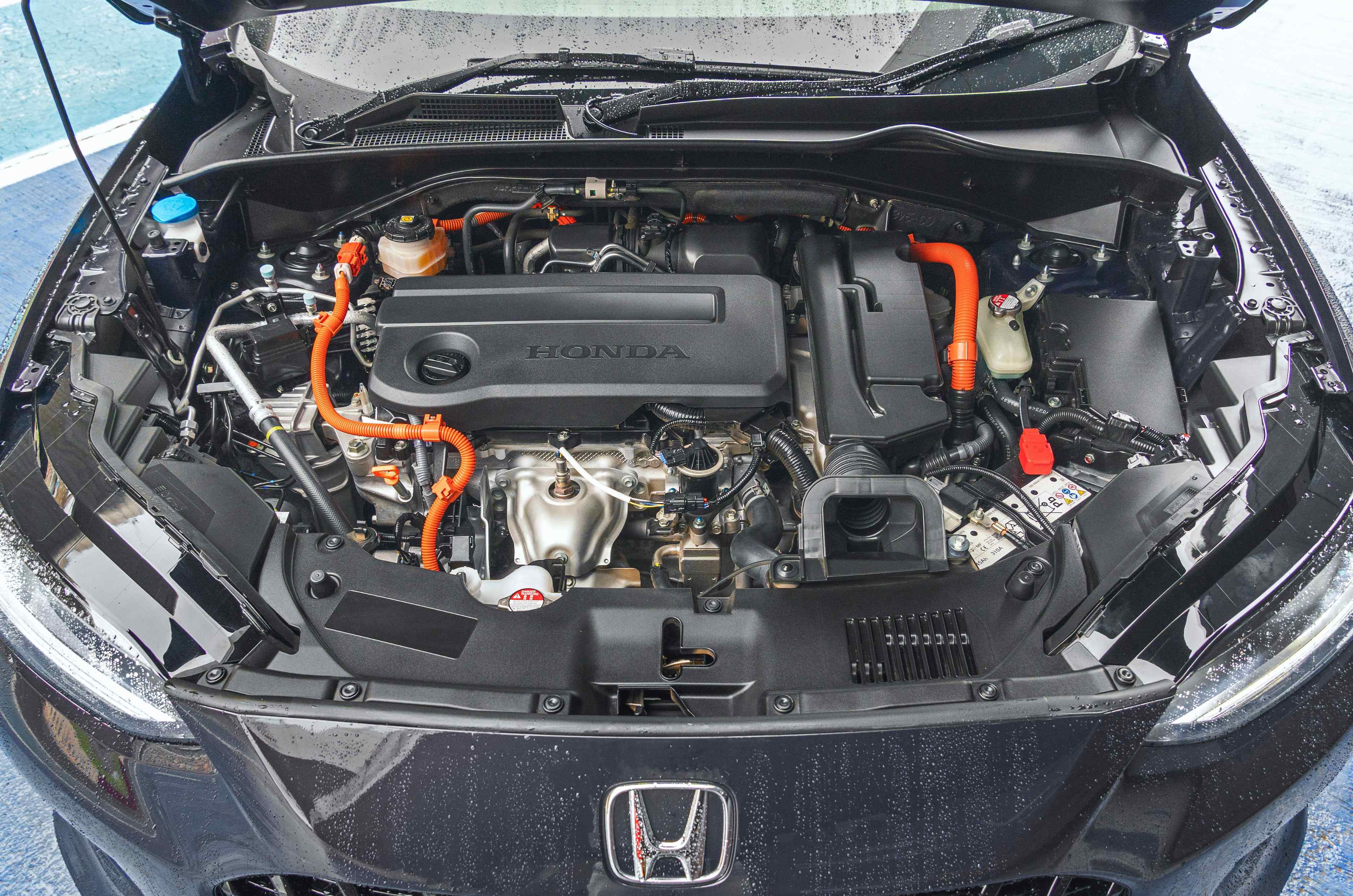
The ZR-V comes with a 2.0-litre naturally aspirated petrol-hybrid powertrain that develops a combined 184hp and 315Nm, routed to the front wheels via an e-CVT. During our BIC track drive of the ZR-V, we found that the SUV deploys all of its torque from the off, which makes it feel rather zippy. Power flows to the wheels in a smooth and linear fashion, and part-throttle inputs feel responsive, too.
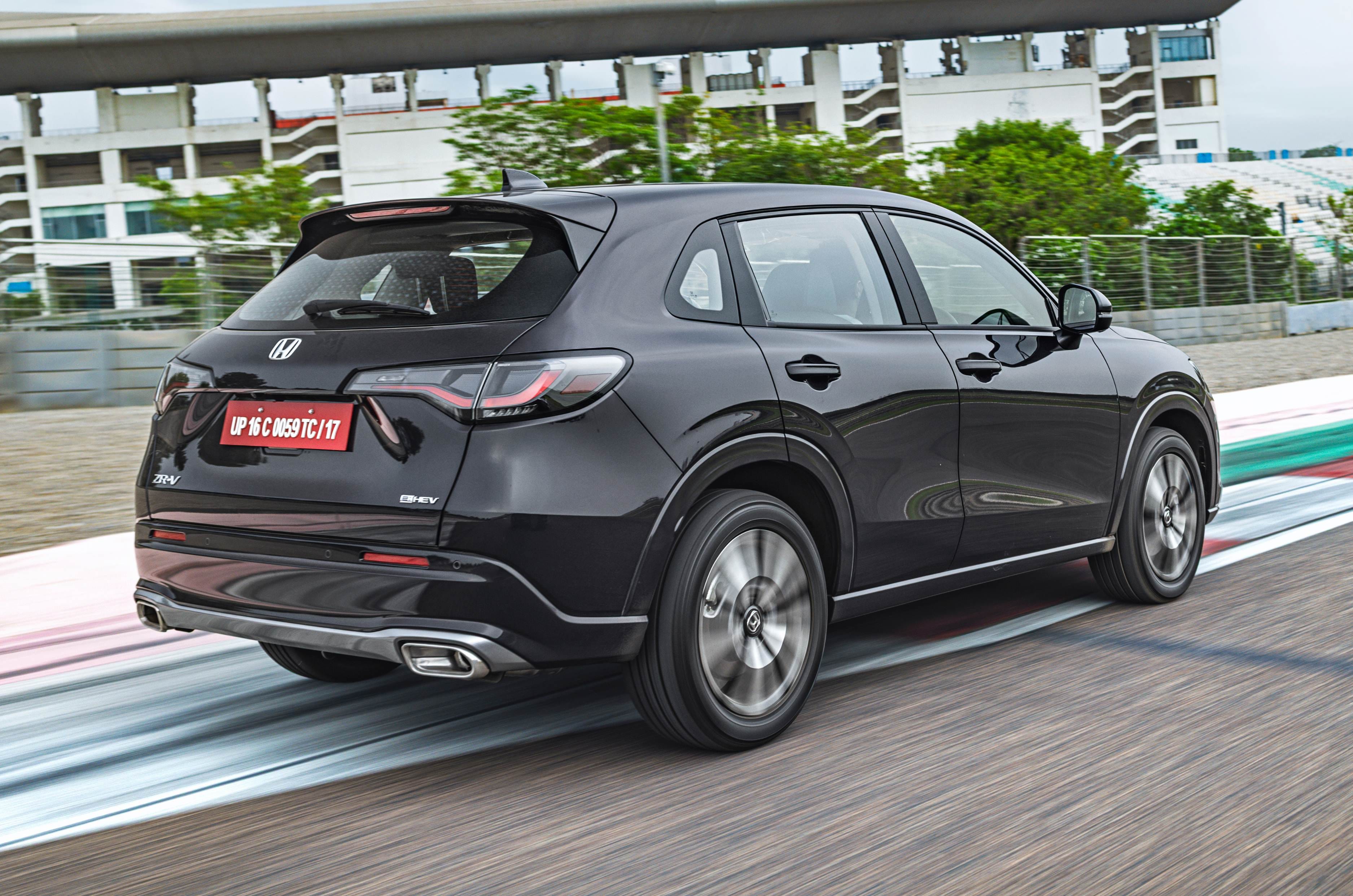
Overall refinement is excellent, with barely any engine, road or tyre noise making its way into the cabin. Provided there’s enough charge in the battery, the ZR-V can even run in pure electric mode at low speeds, thereby reducing NVH levels further. Moreover, Honda claims a 22.8kpl fuel efficiency for the ZR-V, which will likely be appreciated by buyers seeking lower running costs.
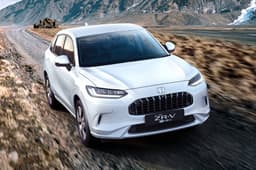
Relatively agile handling
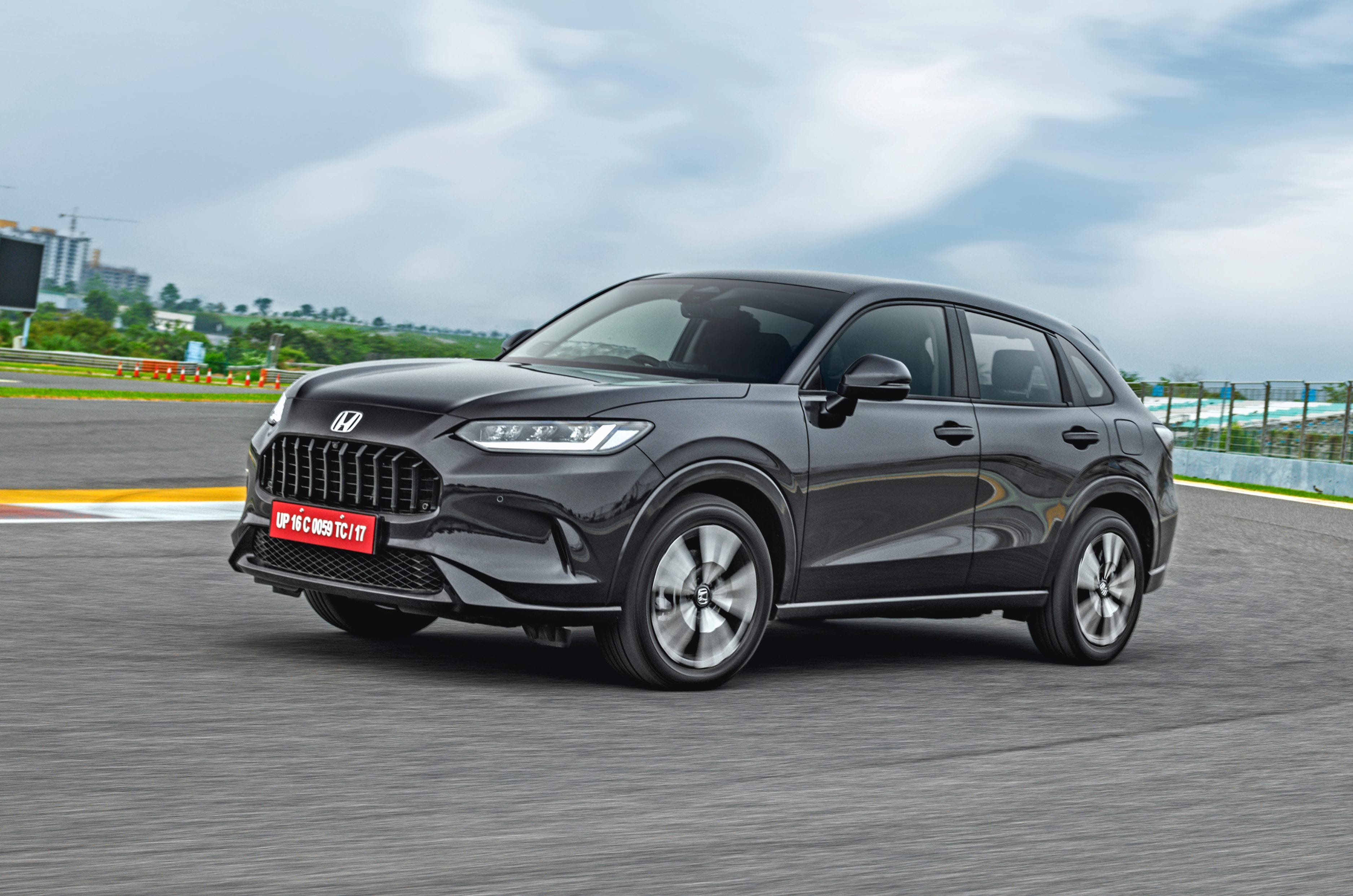
Despite its higher-up centre of gravity and front-wheel-drive layout, the ZR-V felt nimble and enjoyable to drive around the Buddh International Circuit. The well-weighted and precise steering rack ensured stable and predictable handling around corners, and the ZR-V even held its own around a slalom course, with body control kept well in check.
Well-built interior with good ergonomics
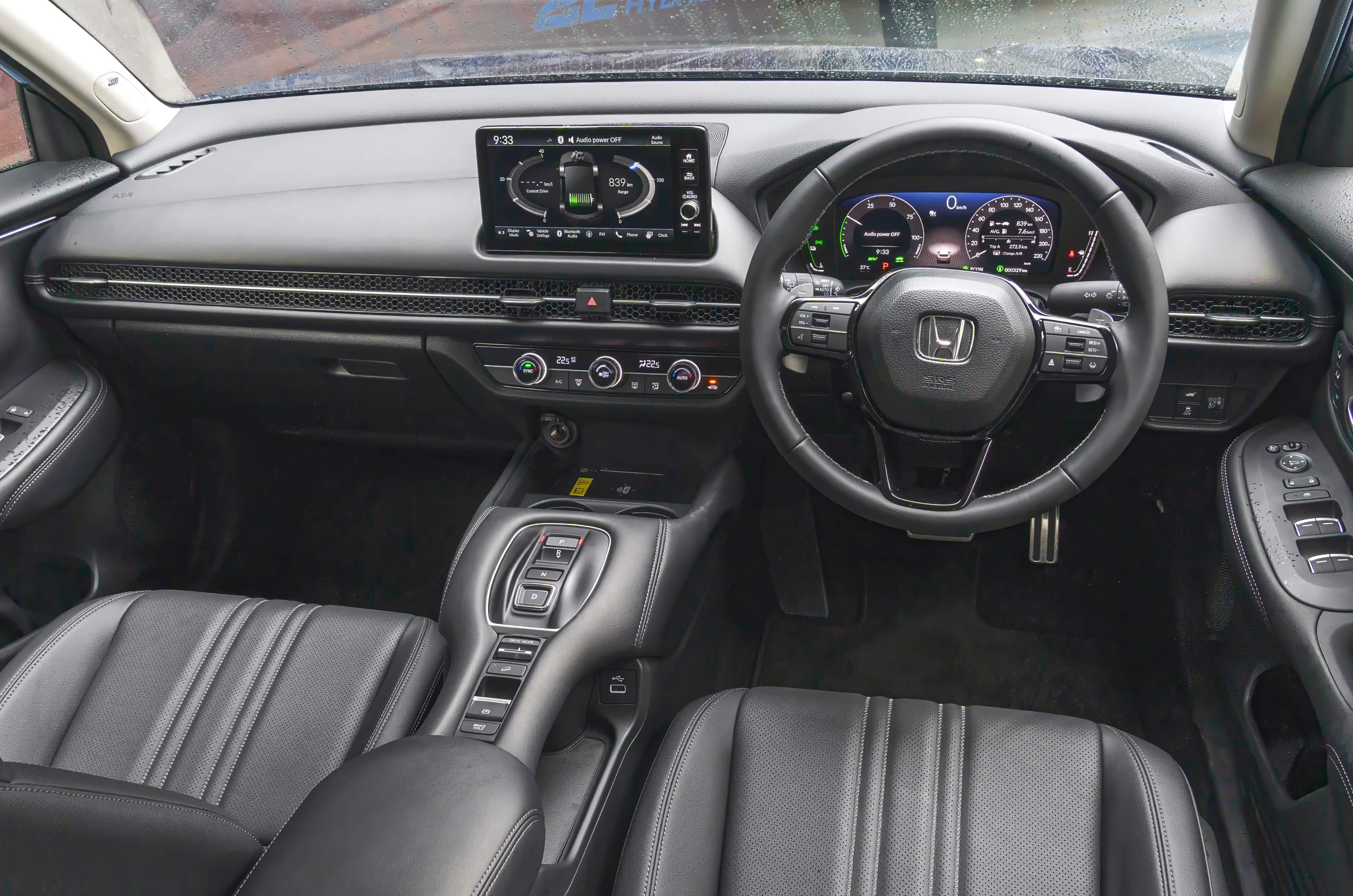
Step inside the ZR-V, and you are greeted by a smartly laid out dashboard with a plethora of soft-touch materials and premium-feeling trim pieces. The 10.25-inch digital driver’s display also looks neat and well executed, the front seats feel nicely padded and comfortable, and the low-set dash enables great visibility.
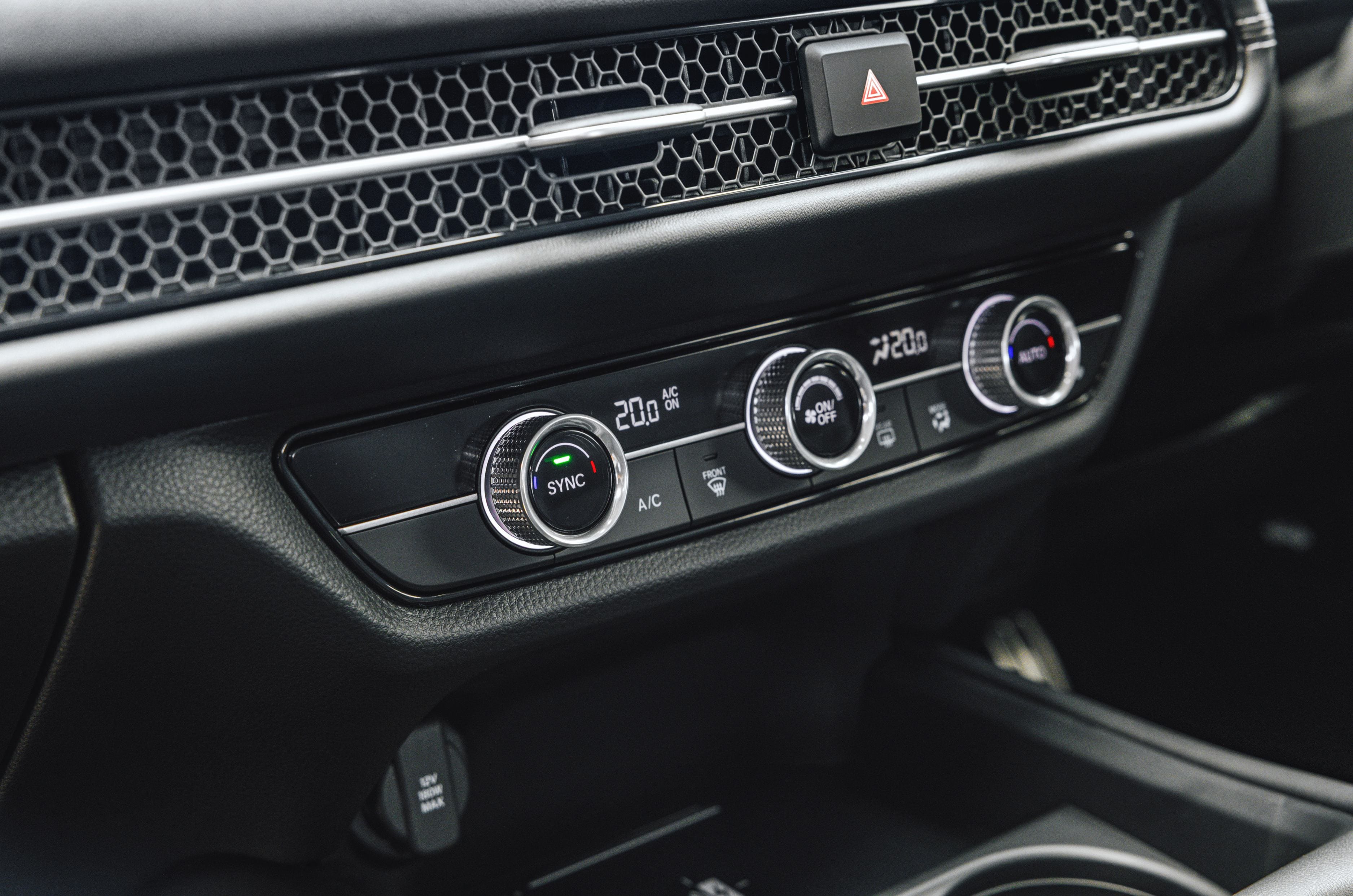
The ZR-V’s dashboard layout isn’t as flashy or tech-laden as some of its rivals, but this isn’t all that bad, as it’s packed with tactile physical controls for nearly every function. There’s a lot of storage space, too, including a decently sized glove box and door bins, as well as a bridge-type transmission tunnel with a cubby underneath.
Cons
Misses out on some crucial features
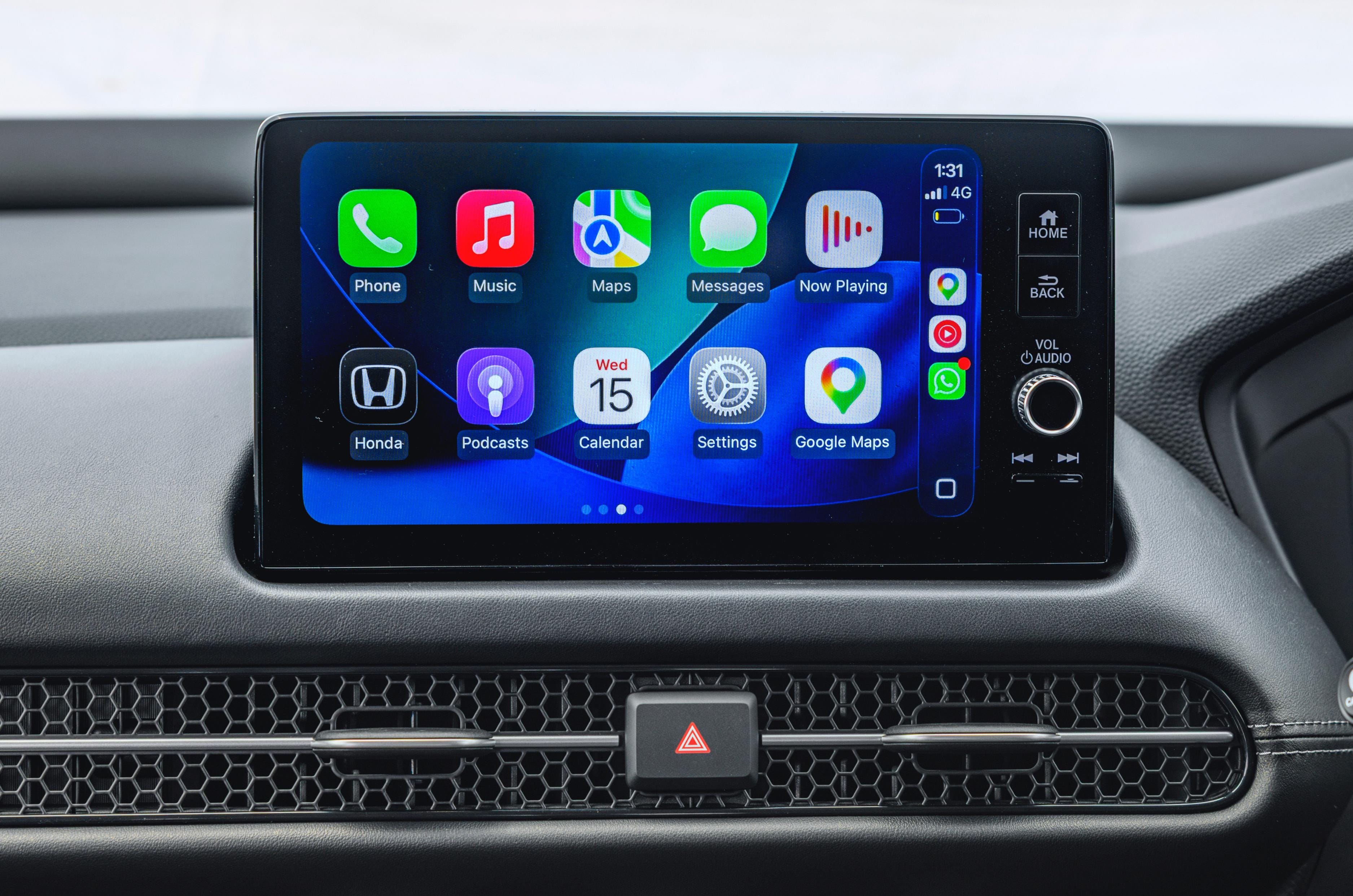
A downside of not being as tech-laden as its rivals is that the ZR-V lacks quite a lot of features that buyers may expect at this price point. First off, the ZR-V has a 9-inch infotainment touchscreen that is bright and works perfectly fine, but it is quite small by segment standards – even the much cheaper Honda City has a larger 10.1-inch touchscreen.
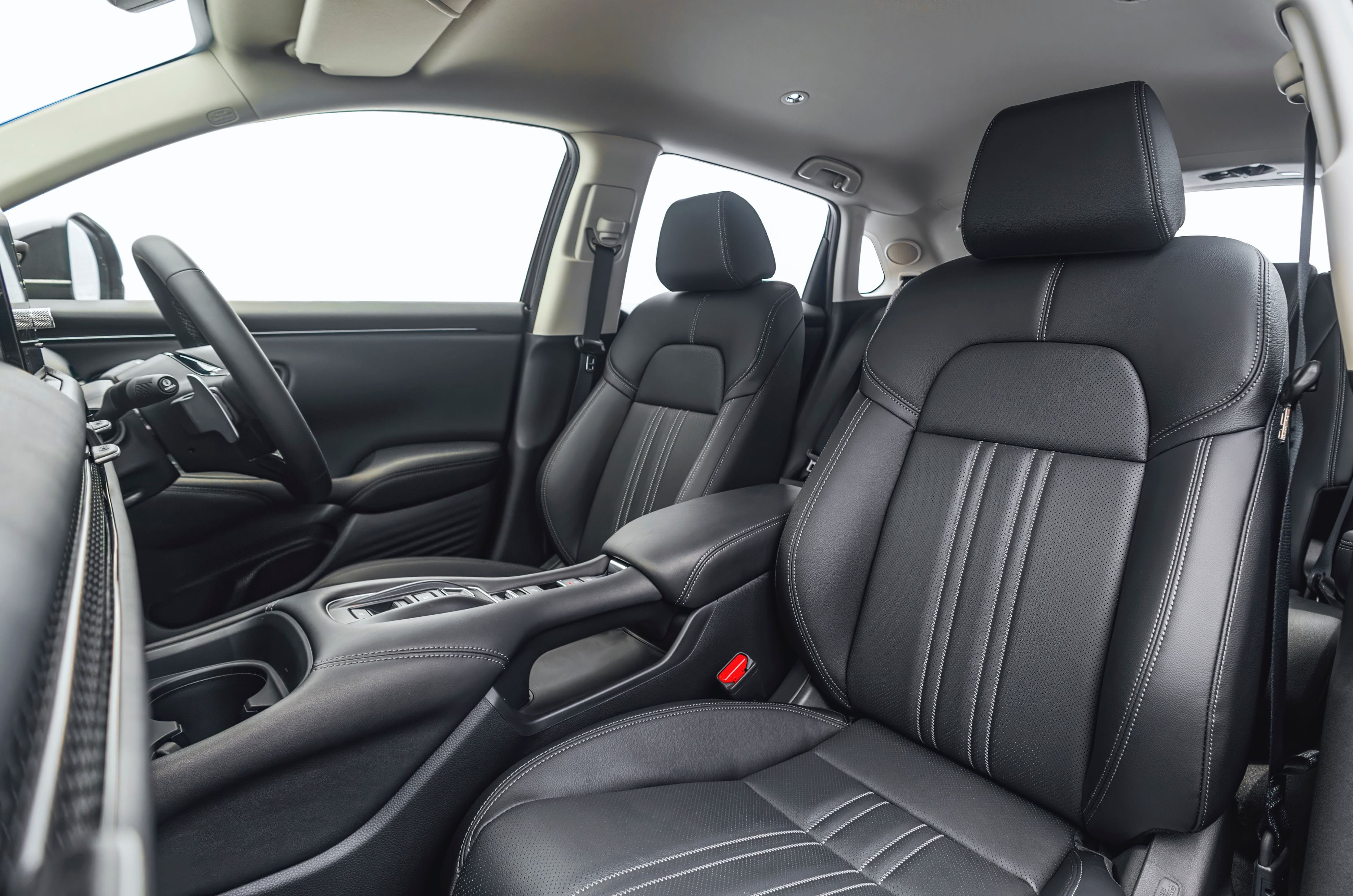
The ZR-V also doesn’t get a panoramic sunroof or heated, ventilated and massaging front seats (the City offers ventilated front seats), and its 360-degree camera is quite low-res.
Rear-seat comfort feels lacking
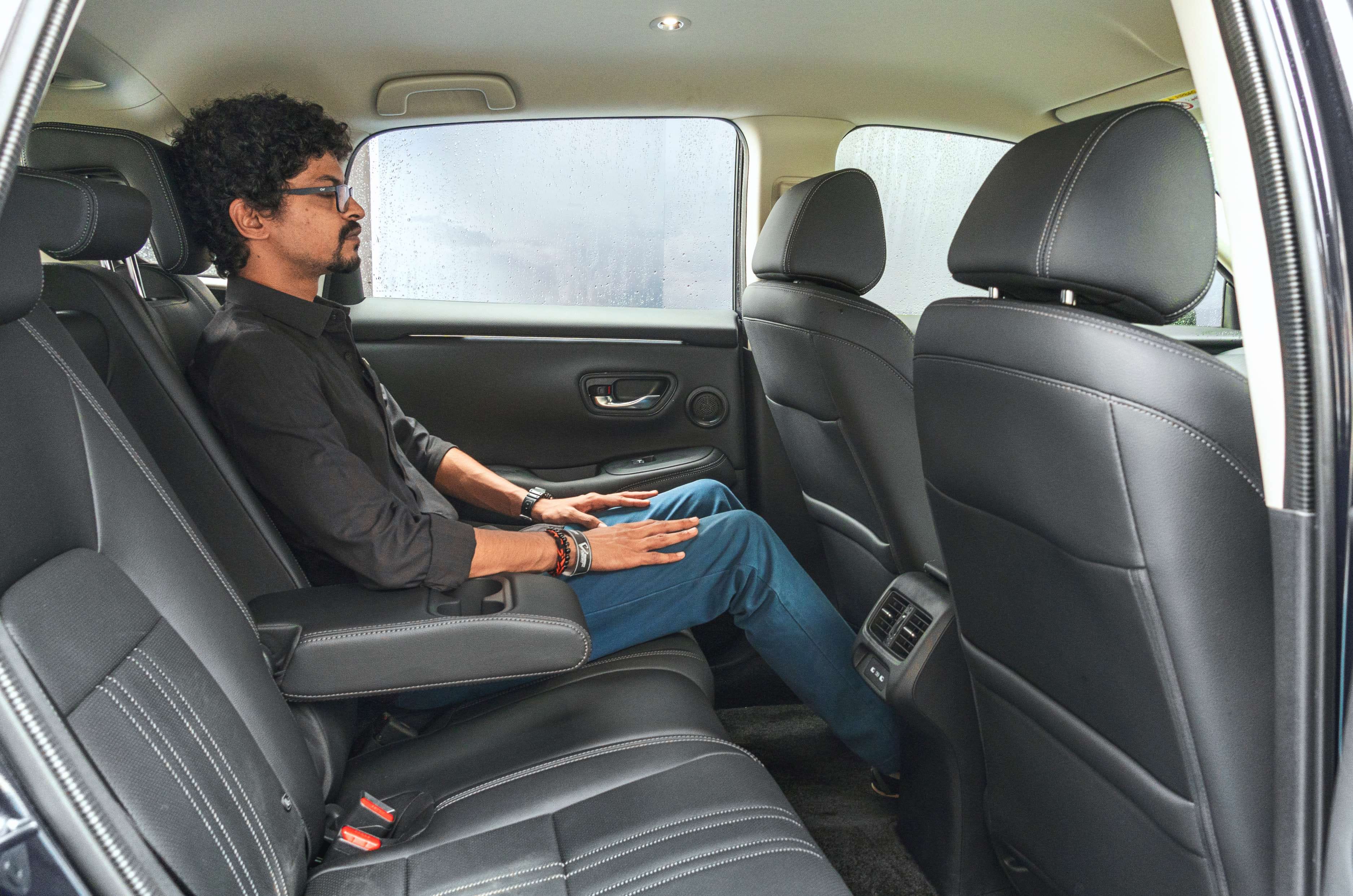
While the ZR-V’s low-set rear bench makes ingress rather easy, it also means that you sit in a somewhat knees-up position, which may not be comfortable over extended periods. There are no rear sunshades to block harsh sunlight either, and the tapering roofline limits headroom for occupants over 6 feet tall.
Quite expensive for what it offers
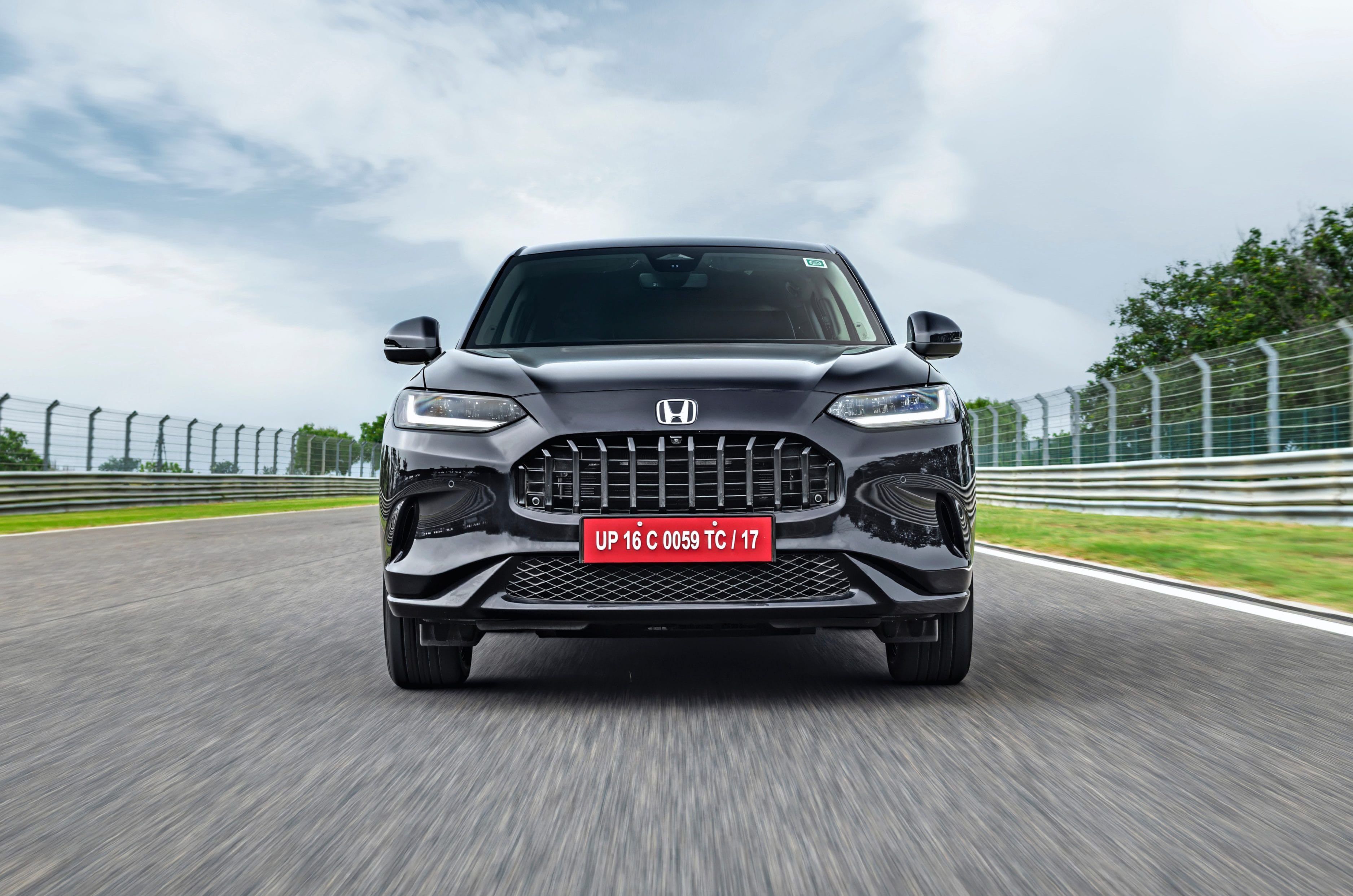
Owing to the ZR-V’s aforementioned CBU status, the hybrid SUV is priced at Rs 48 lakh (ex-showroom), with an initial allocation of around 120 units. At that price, coupled with all the drawbacks listed above, the ZR-V could end up being a hard sell, especially when rivals such as the Tayron, Kodiaq and Meridian are bigger, more feature-loaded and can even be had as 7-seaters.

 Uday Singh
 Dipan Sur
 Glenn Noronha