
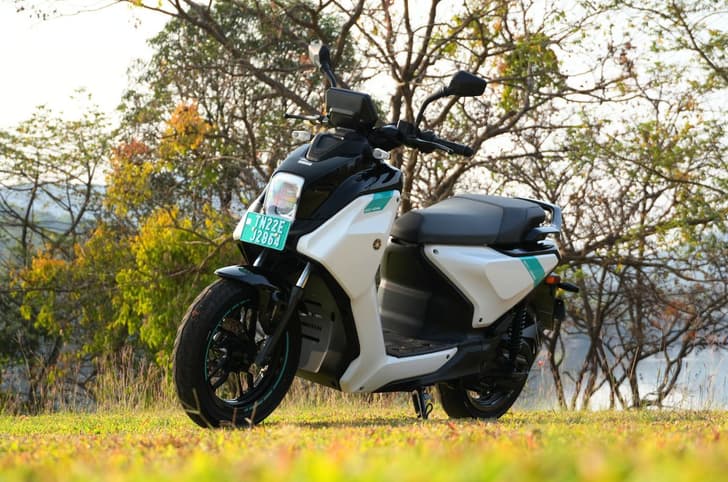
Yamaha is the last of the mainstream Japanese brands to enter the electric two-wheeler market in India, and it has done so with the EC-06. This scooter is based on the River Indie, but Yamaha has incorporated some changes. If you’re in the market for a new electric scooter and evaluating the EC-06, here’s what you need to consider.
Reasons to buy Yamaha EC-06
Style and repositioned charger
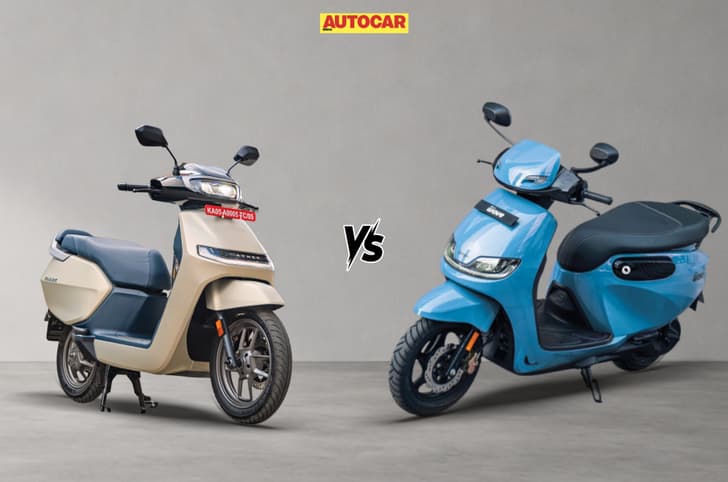
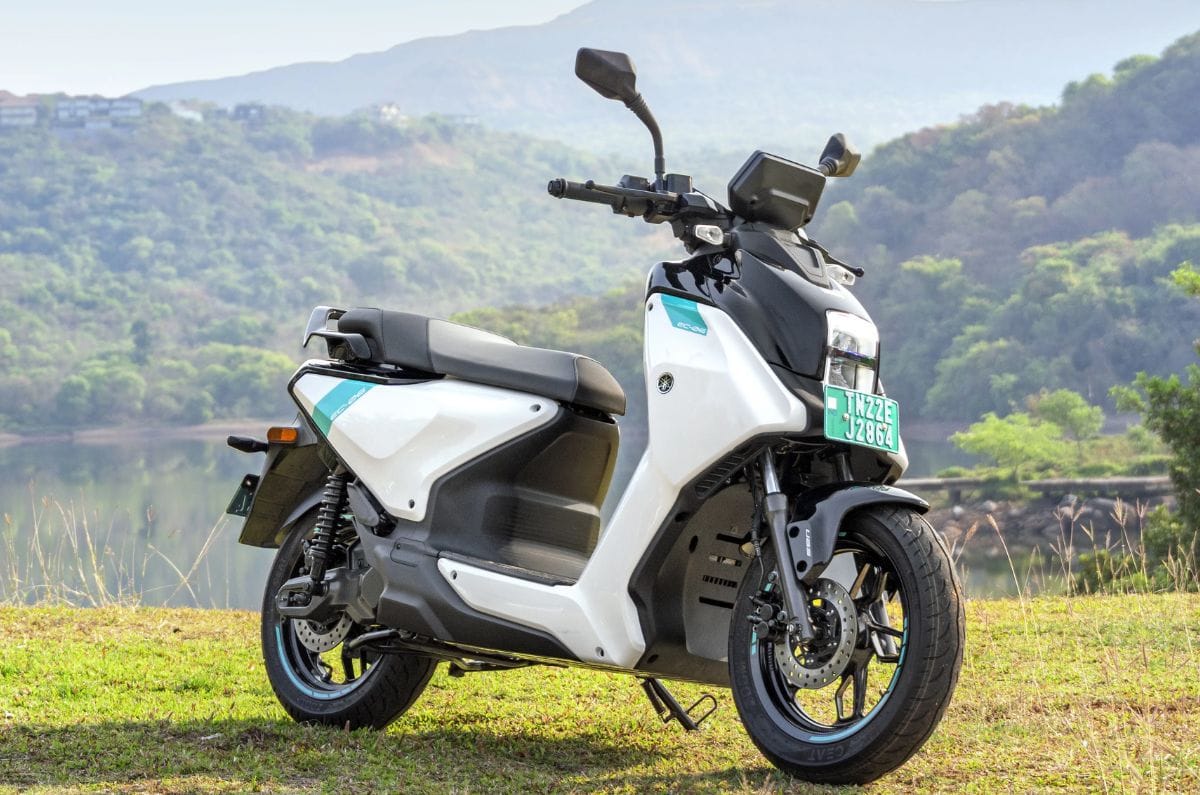
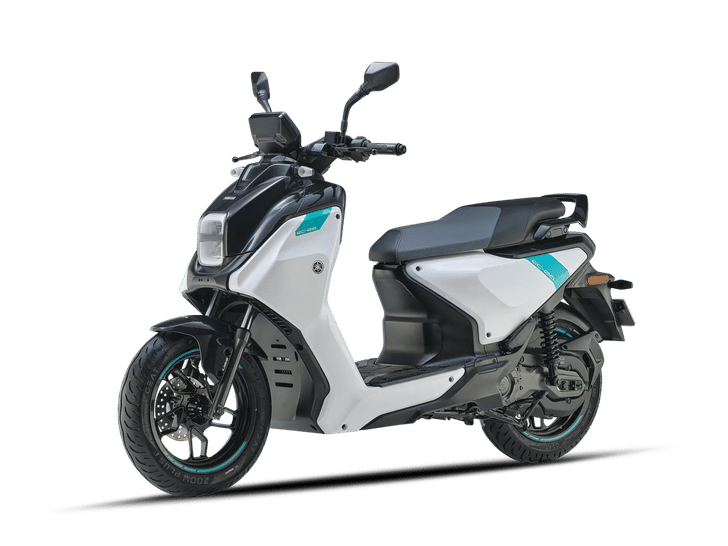
If you parked the EC-06 and the River Indie side by side, it would be quite difficult to say that both are effectively the same scooter underneath their very different skins. The Indie’s styling is not to everyone’s taste, but the Yamaha EC-06 has a more universally appealing design. This is an important consideration for the usually conservative family scooter buyer, even in the EV space.
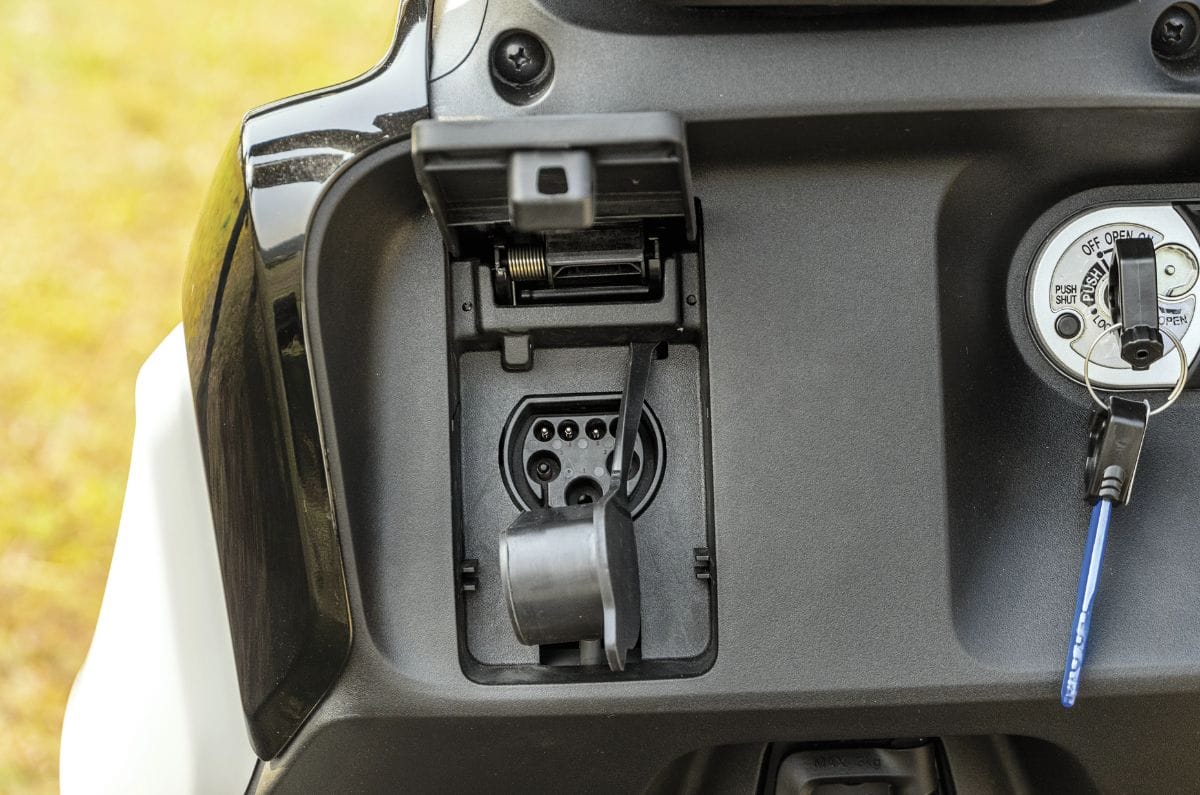
Yamaha also repositioned the charging port to a more conventional location on the EC-06 compared to the River Indie – a small but tangible change.
Improved handling over River Indie
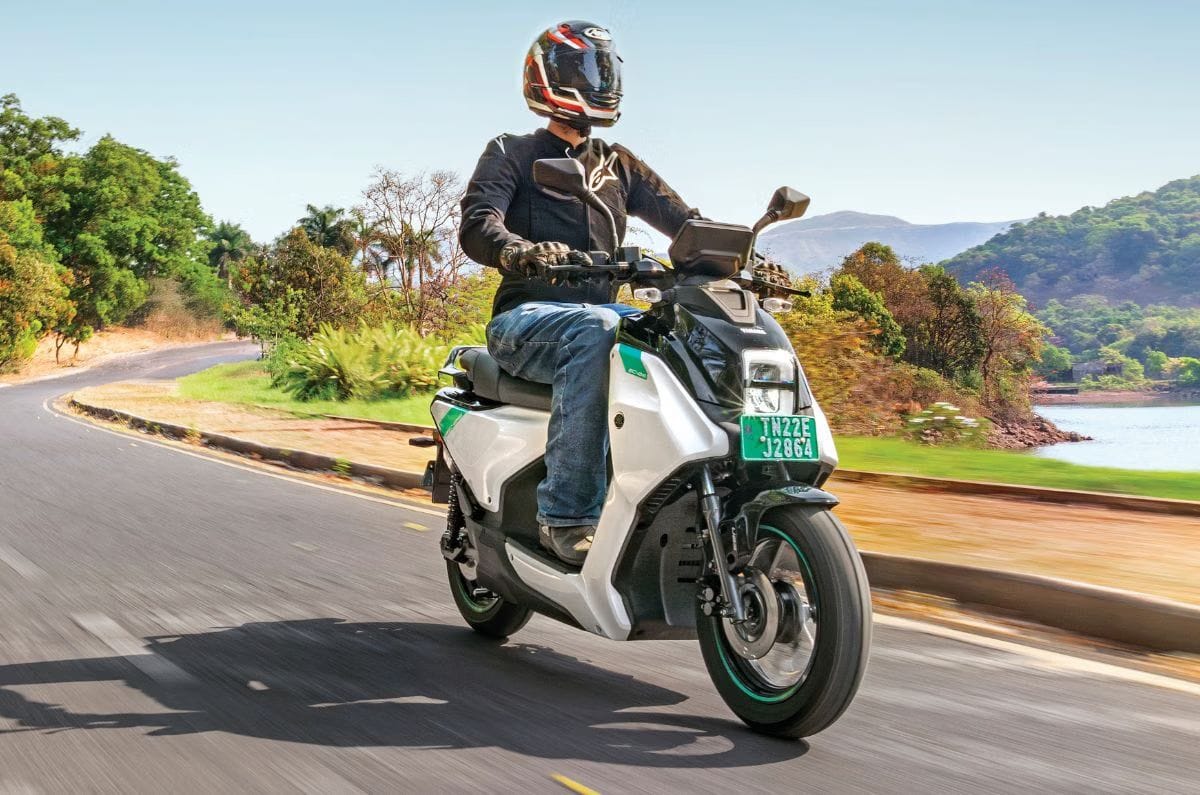
Yamaha is known to make some of the best-handling two-wheelers in the world, and it has brought its expertise to the EV arena as well. The River Indie was already a dynamically sorted machine, but Yamaha turned things up a notch by tweaking the chassis – making it stiffer in certain areas – and reworking the brakes and suspension.
That said, here are two reasons not to buy the EC-06.
Reasons not to buy Yamaha EC-06
Reduced practicality and slow charging
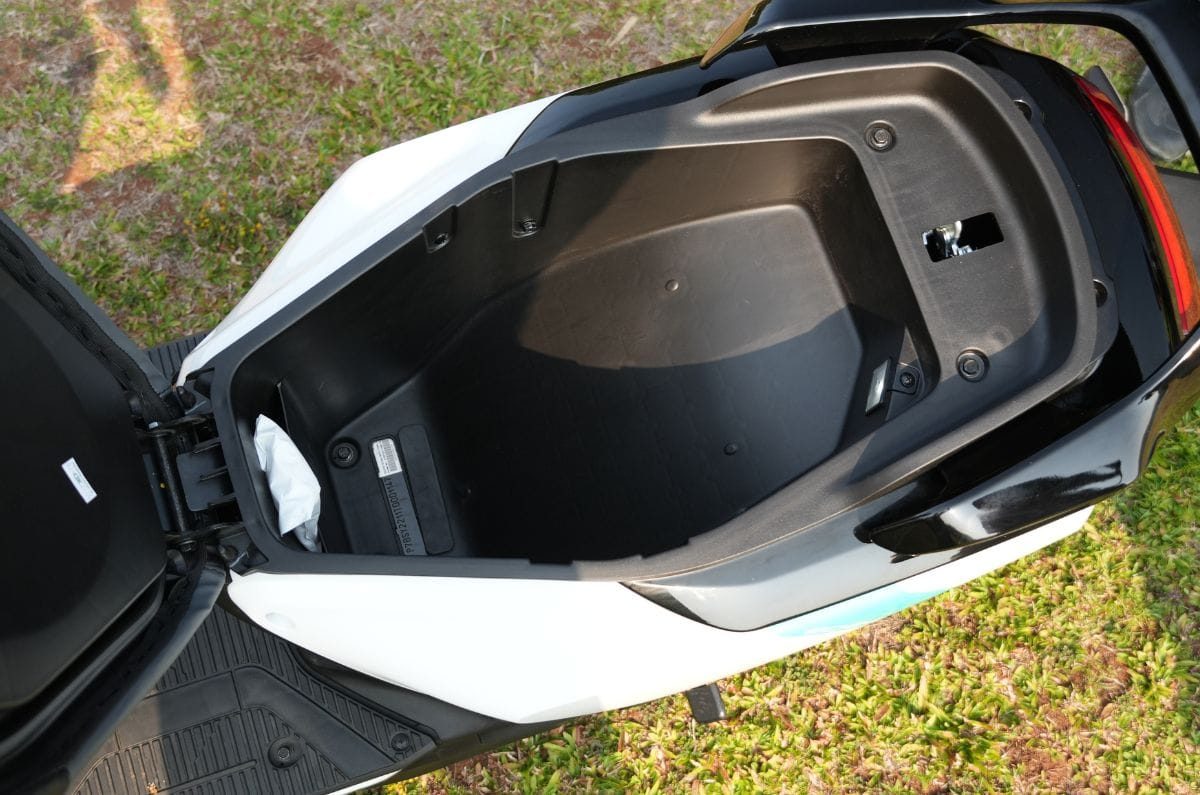
In the process of redesigning the Indie to transform it into the EC-06, Yamaha reduced the underseat storage area on its scooter. The EC-06 has a 24.5-litre boot, almost half of what’s available on the Indie, which has 43 litres.
Perhaps an even bigger drawback is that the EC-06 only comes with a 450W charger, which takes a glacial 10 hours to fully charge the battery. This is a puzzling move on Yamaha’s part because the Indie comes with a 750W charger that is also compatible with the EC-06.
Price differential to River and other Indian EVs
Finally, at Rs 1.68 lakh (ex-showroom), the EC-06 is a full Rs 22,000 dearer than the Indie. Moreover, compared to heavyweights like TVS, Bajaj, Hero and Ather in the Indian electric two-wheeler market, Yamaha’s product costs significantly more.

 Vishal Venugopal
 Autocar India Team
 Stephen Raj Antony