
2026 has revealed a change in how the Japanese treat our market. After years of being content to watch Indian competitors moving forward into more premium segments, the Japanese have finally realised that this is a space they can no longer ignore.
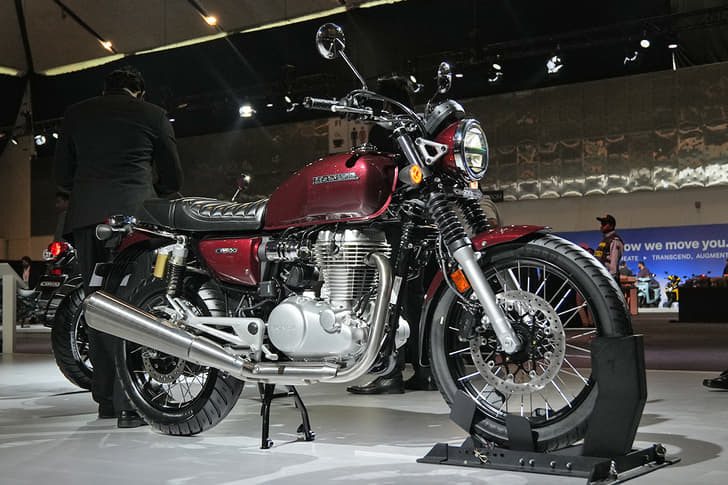
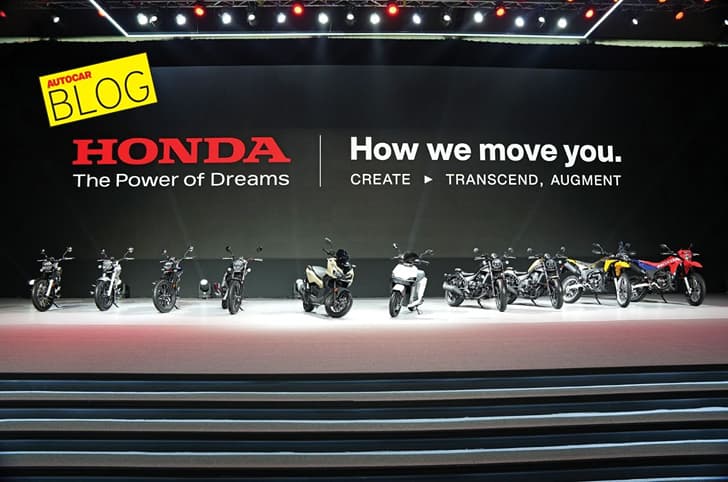
The world’s biggest two-wheeler manufacturer is leading this charge. Honda recently held a huge event in Delhi in July, where they revealed ten new premium two-wheelers for India. That event on its own was a good sign, but there was still the very real concern of what these products would be priced at. After all, Indian enthusiasts have been burned by unrealistic pricing from the Japanese far too many times in the past.
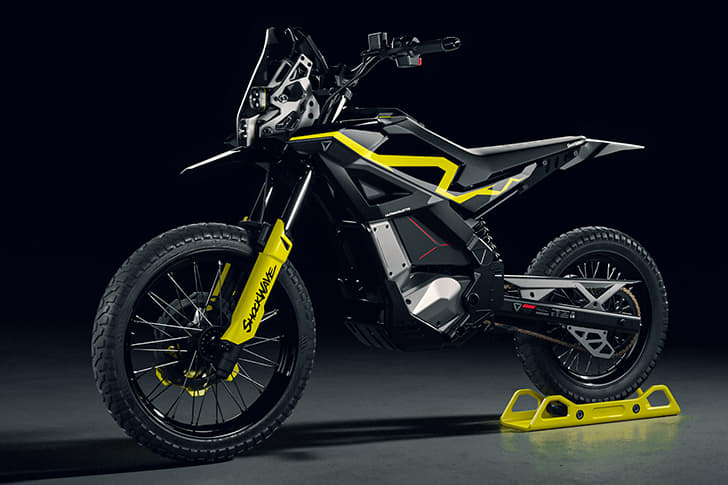
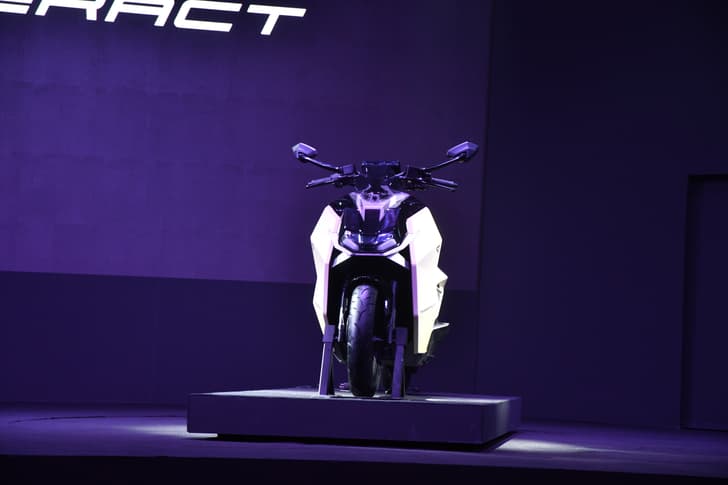
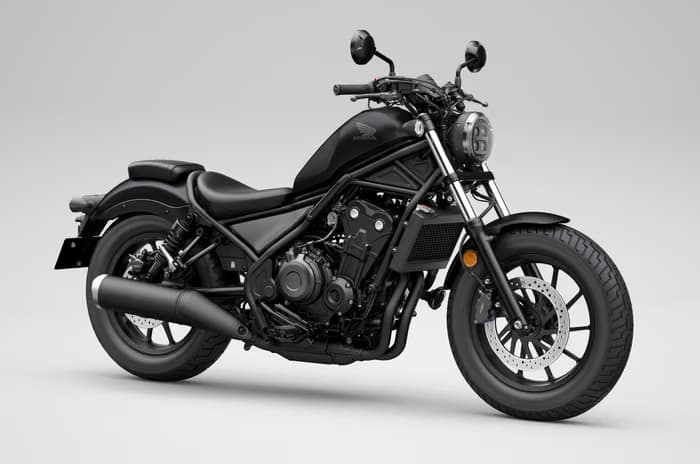
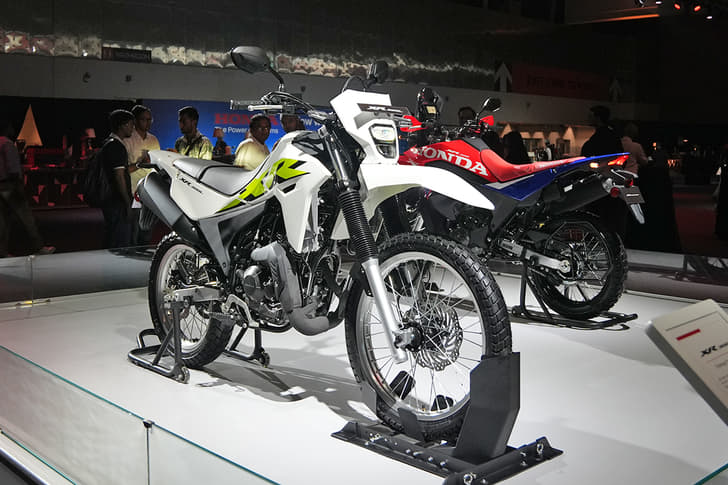
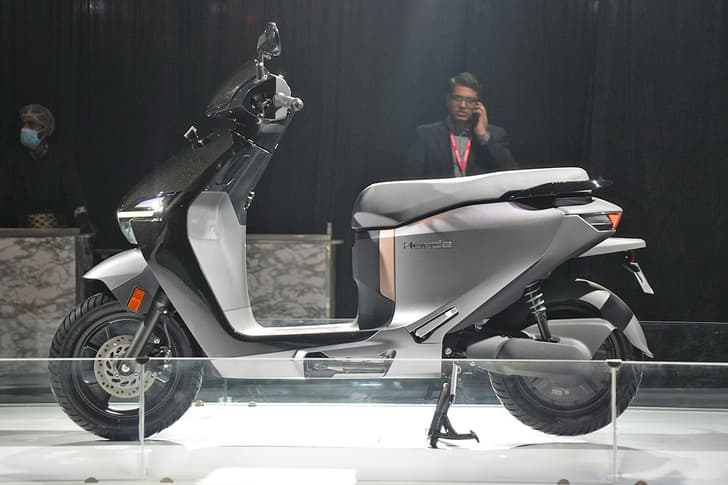
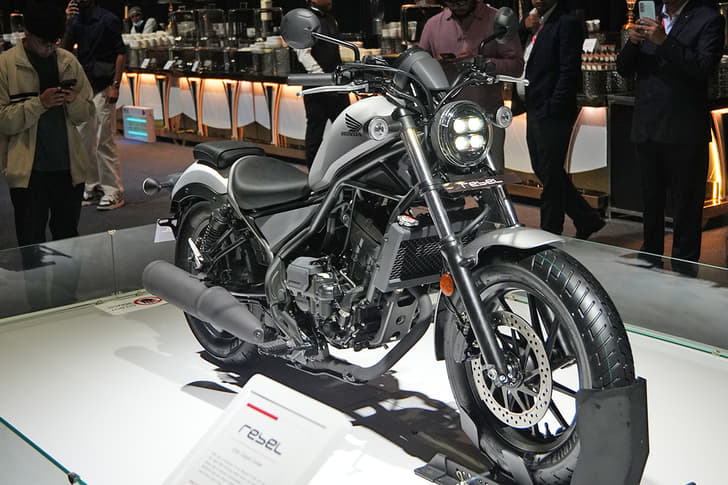
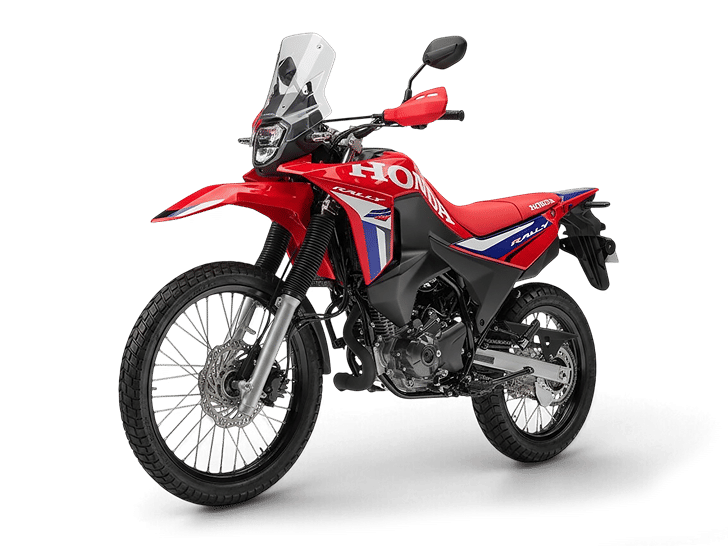
Thankfully, things seem different this time around. So far, Honda has already released prices for the Rebel 300 (Rs 2.22 lakh-2.62 lakh), ADV160 (Rs 1.7 lakh), the QC3 electric scooter (Rs 1.35 lakh), XR300L and XR300 Rally (Rs 1.83 lakh & Rs 2.08 lakh, respectively) and the CB500 (Rs 2.75 lakh-3.02 lakh). All these prices are very reasonable and are either directly comparable with rivals or are at a small but justifiable premium.
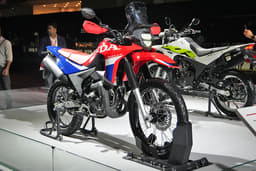
The best way to highlight this shift within Honda’s pricing strategy is to examine its own prices from a few years ago. The far superior Rebel 300 costs less today than the Rs 2.29 lakh price in 2022 for the now-discontinued CB300F.
Sure, the Rebel now benefits from a lower GST structure, but the opposite holds true for the Honda CB1000 Hornet SP, which is priced at Rs 13.29 lakh. In comparison, the older CB1000R cost Rs 14.46 lakh in 2019, and it had far less fancy equipment. With Honda’s big bikes, the main issue is no longer the price but the fact that many of them aren’t available half the time.
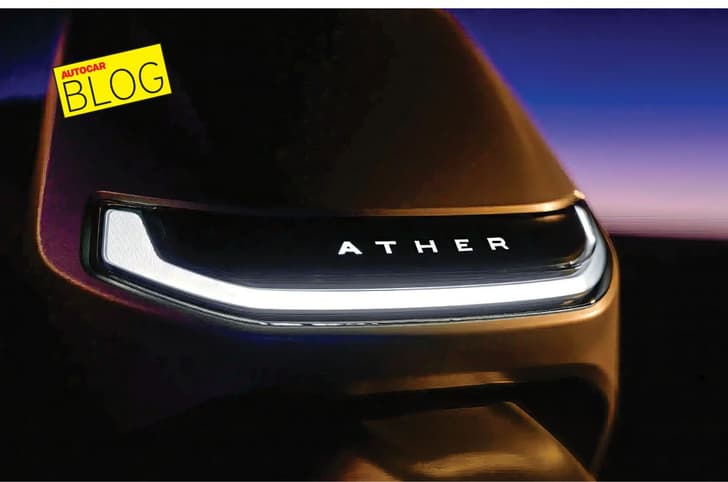
These new Hondas hold their own when compared with rivals as well. The new QC3 electric scooter is priced bang on par with equivalent rivals from Ather, Bajaj and TVS, and it will finally get Honda taken seriously in the EV space. The new CB500 is also priced Rs 10,000 lower than the top-spec Harley-Davidson X440 T, which is its closest rival.
Yamaha is another manufacturer that has started to take crucial steps ahead. The awfully overdue XSR155 was finally introduced to India late last year, the R2 was just launched, and the NMax 155 will be coming in next year as well. These are good moves, but Yamaha needs to do more to cater to Indian riders who want more than just 150-200cc products. Kawasaki has localised a handful of its small bikes and we hear Suzuki is in the process of improving localisation on some of its big bikes as well, which is welcome news.
None of these companies are taking these calls because they suddenly feel for the poor Indian motorcycle enthusiast who is crying out for more options. Those calls have gone unheeded for the better part of a decade.
The fact is that the Japanese (particularly Honda) are now seriously feeling the heat from local competition. Indian manufacturers (particularly TVS) have made massive gains over the last 5-10 years in all segments from scooters to EVs to premium motorcycles. Competition always benefits the customer, and it’s competition that we have to thank for this new enthusiasm shown by the Japanese towards the Indian market.

 Avik Chattopadhyay