Autocar India
2d

We are a family of two, and 95% of the time, the car will be used by just the two of us. We take trips with our extended family of 7 once or twice a year. My driving is split 50:50 between city and highway, and I also do leisure tours of at least 800 km every month as I enjoy driving and travelling. My overall monthly usage is between 2,500 and 3,000 km. My priorities are a car that is fun to drive, loaded with features, has low maintenance costs, makes a statement, is comfortable, and is practical for daily use. My budget is Rs. 27 lakh, and I have shortlisted the Sierra EV AWD and the XEV 9S Pack Two with the 79 kWh battery. Which one would you recommend?

Verified
19m

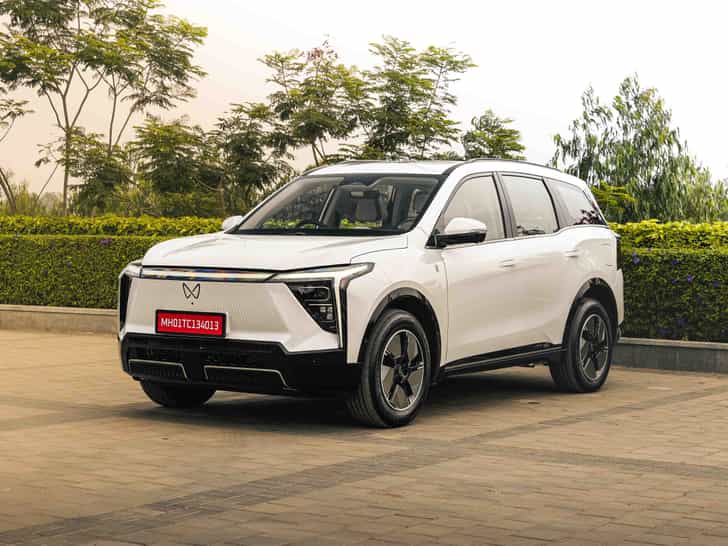
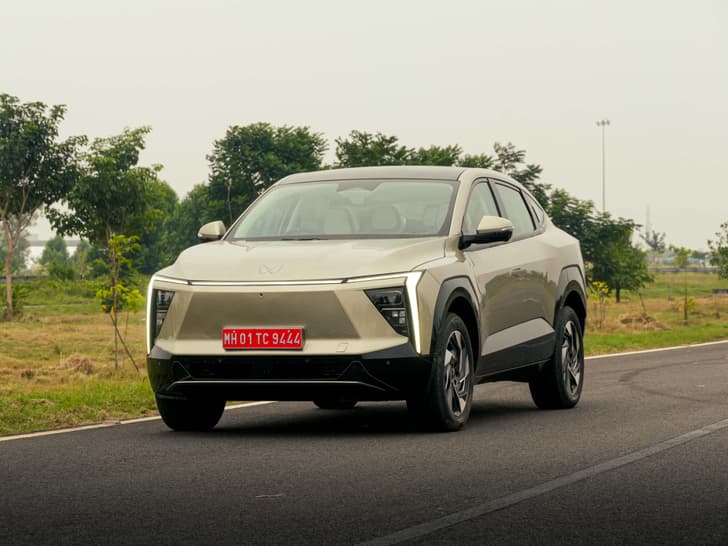
Given your usage pattern of 2,500-3,000 km per month, with a 50:50 city-highway split and a strong touring habit, the Mahindra XEV 9S Pack 2 is the better fit. The larger 79kWh battery gives you a more comfortable real-world range buffer for your 800 km leisure trips, reducing charging anxiety. This Mahindra car also offers a third-row seat, which will come in handy when you travel with your extended family.

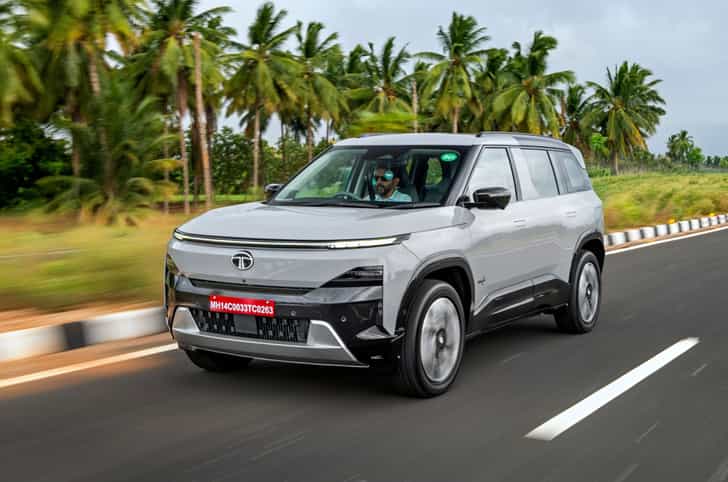
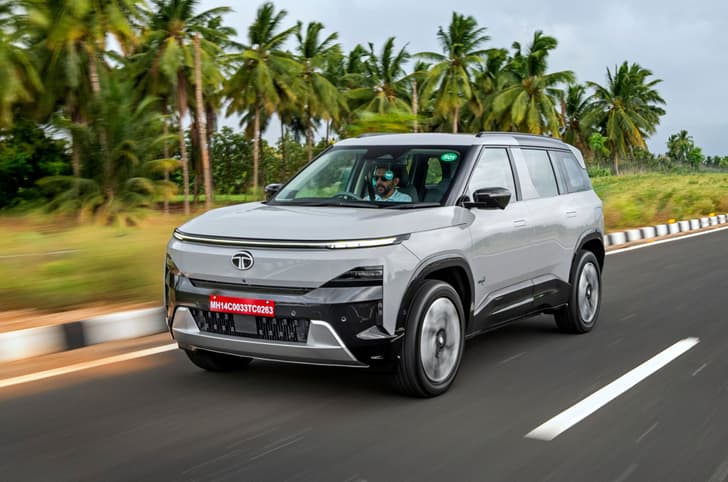
The Tata Sierra EV AWD is more stylish and eye-catching, and it is thrillingly quick too. The AWD system adds an extra level of safety in poor weather and also gives the Sierra a better off-road capability. This Tata car also packs in plenty of cool features and has a strong wow factor. However, its two-row seating layout will not work for you when you have seven passengers.

Go for the XEV 9S, as it is the more practical and well-rounded choice for your requirements.
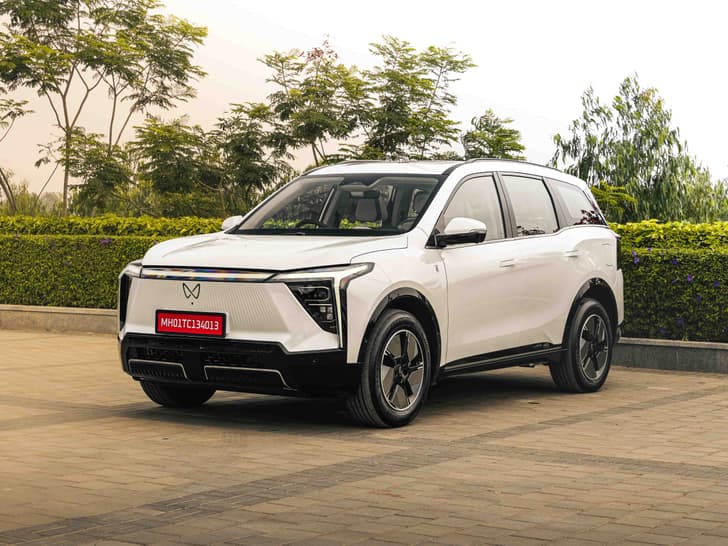
Mahindra XEV 9S

Mahindra XEV 9S

Was this helpful? Ask a follow-up

Want to sell your car?

Sell your car at the right price, without the stress.

More questions on similar cars

5d

I currently own a Maruti Ignis, which I have had for approximately nine years, and I am considering upgrading to the Sierra EV. I recently test-drove a demonstration model and found it to be quite heavy. This made me question whether such a robust build is truly necessary for vehicles. While I acknowledge that safety is paramount, I believe there may be opportunities to optimize the weight of the vehicle. The increased weight inherently affects the performance and power consumption of petrol, CNG, and electric vehicles. Modern safety features, such as ADAS, offer alternative approaches to improving vehicle safety.

Verified
6h

The Tata Sierra EV is a very different proposition from your Ignis, and the weight you felt is a natural consequence of both its size and its construction. This Tata car is a significantly larger and more premium vehicle, and the battery pack itself adds considerable weight. That said, the Sierra EV is on the heavier side but is not unusually heavy for its class.On the question of whether such a robust build is necessary, it is important to understand that safety is not just about ADAS. While ADAS systems can help avoid accidents, it is the fundamental structure of the car that protects occupants when an accident does occur. A strong body shell, well-engineered crumple zones, and a rigid passenger cell are still critical elements of crash safety. That said, there is a trade-off. Heavier cars do consume more energy, whether petrol, CNG or electricity. Manufacturers are constantly working to optimise weight, but safety standards and battery technology set certain minimums. The Sierra EV is a safe, comfortable, and premium family electric car, but if you are particularly sensitive to weight and efficiency, you may want to consider slightly smaller EVs as well. Ultimately, the Sierra EV’s weight is not a flaw; it is a reflection of its priorities and its segment.

VehicleTata Sierra EV
2d

Hi, we live in Thane, and my commute is around 12 km on alternate days. Our budget is Rs. 20-25 lakh, and we’re looking for an automatic car. We’re open to both petrol and EV options. Based on reliability, comfort, mileage/running costs, and after-sales service, which cars would you recommend? Thanks!

Verified
1d

With a 12km alternate-day commute and a Rs 20-25 lakh budget, you are in a sweet spot where both petrol automatics and electric cars make sense. The decision really comes down to your usage pattern and ownership priorities.If you have a dedicated parking space with charging access, an EV is a very strong option. The Hyundai Creta Electric is the most sensible recommendation here. It is a well-rounded EV with good range, a spacious cabin and a mature ownership experience. Your running costs will be significantly lower than those of a petrol car, and the short daily commute plays perfectly to an EV's strengths. Another good option is the newly launched Tata Sierra EV, though unless you stretch your budget, you might have to settle for the smaller 63kWh battery.If charging is not practical, a petrol automatic is the safer long-term choice. The Kia Seltos IVT is the recommendation here. It is a comfortable, well-equipped and reliable midsize SUV with a smooth automatic gearbox that is well-suited to city driving. Kia's after-sales network is strong in Thane, and the Seltos strikes a good balance between comfort, features, and peace of mind in ownership.

VehicleHyundai Creta Electric
VehicleTata Sierra EV
VehicleKia Seltos
3d

I currently own a Honda Elevate (CVT). I have driven around 72k km so far, with a mix of daily commuting and frequent highway trips for work. I am now looking to upgrade. There is nothing wrong with the Elevate - it has been a solid car - but the CVT feels a bit too tame for me now. I am looking for a logical upgrade with significantly better performance than the Elevate. My requirements are an automatic transmission, and I am open to both petrol and electric options. What would you recommend?

Verified
2d

Given your usage pattern of high daily running and frequent highway trips, the Honda Elevate has clearly done its job as a dependable and comfortable workhorse. That said, your need for a meaningful performance upgrade is understandable. The 1.5-litre naturally aspirated engine paired with the CVT is smooth and efficient, but it does start to feel underwhelming once you begin to prioritise performance and responsiveness.A logical step up on the ICE side would be the Mahindra XUV 7X0 petrol. Its 2.0-litre turbo-petrol engine with 200hp delivers a strong jump in performance, and the 6-speed automatic is far more engaging than a CVT. Overtakes are effortless, and it brings a sense of urgency that the Elevate simply cannot match. The trade-offs, however, are worth noting. It is a larger car, so it won’t feel as nimble or easy to manoeuvre in tight urban conditions, and fuel efficiency can drop into the mid-single digits, especially with enthusiastic driving.If you are open to going electric, the upgrade in performance becomes even more pronounced. The Tata Sierra EV stands out as a compelling option. Like the Elevate, it sits in the mid-size SUV space but offers significantly more performance and space. With a 0 - 100kph time of under 6 seconds, it delivers instant torque and strong, seamless acceleration, which will feel like a dramatic leap, particularly in city driving and quick overtakes. It is also shaping up to be a well-rounded EV with a usable real-world range and a ride quality suited to long highway runs.In both cases, you are looking at a clear step up in performance, but the choice really comes down to whether you want the familiarity and refuelling ease of petrol, or the instant performance and lower running costs of an electric car.

VehicleHonda Elevate
VehicleMahindra XUV 7XO
VehicleTata Sierra EV

Popular discussions right now

Posted on: 18 Jul 2026