

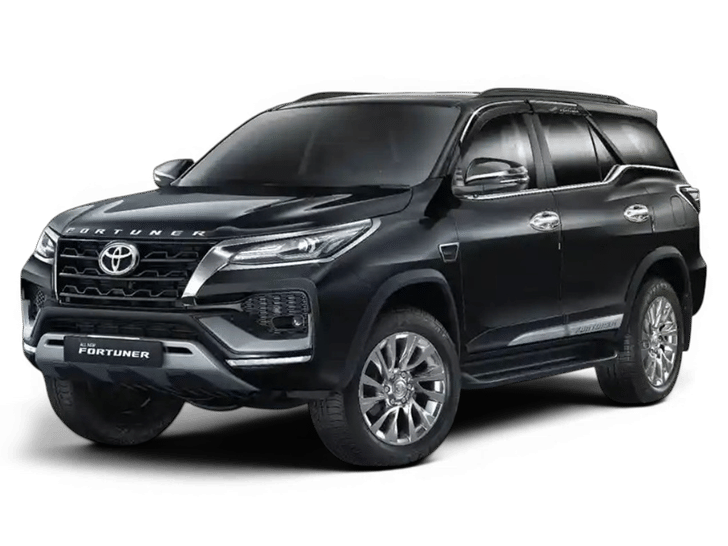
Dear Auto Experts, I need a merciless, data-backed verdict to complete my garage. Around 3 months ago, I sold my Toyota Fortuner Legender 4x2 (which was just 2 years and 9 months old) because I grew highly frustrated with its hard steering and lack of modern tech features, specifically ADAS. To replace it, I purchased a Mahindra Thar Roxx AX7L Diesel Automatic 4x2 a month ago. However, I only plan to drive it 2 days a week. Additionally, my wife purchased a Mahindra Thar Roxx MX1 Manual last year in November. I am now looking to finance another vehicle via an auto loan, with a budget of Rs. 18 Lakh to Rs. 28 Lakh. This new vehicle will be used for rough-and-tough regular city driving 3 to 4 days a week in heavy traffic. It will also serve as the primary vehicle for occasional long highway trips with my family. My Strict Requirements include: Status & Road Presence: This is non-negotiable. Even though it is my 3-to-4-day city vehicle, it must command road respect and serve as a status symbol, while offering the light steering and ADAS tech my Fortuner lacked. Fuel & Transmission: Diesel Automatic is preferred, but I am very open to considering Strong Hybrids (especially the upcoming generation of high-efficiency models). I can manage DPF requirements without issue if going with diesel. Ownership Cycle: I do not hold onto cars for long; my replacement cycle is strictly 3 to 4 years. End Goal: Exceptionally high resale value. I need a vehicle that second-hand dealers can easily flip to out-of-state buyers for a premium when I am ready to sell, clear the loan, and upgrade. Dealbreakers: Absolutely no to Toyota HyCross (my family finds it bulky, dated, and associated with the taxi segment). No Toyota Urban Cruiser Hyryder (I strictly avoid the Maruti-shared build quality). No grey or silver exterior colors. My Shortlist (That I can buy now): Mahindra XUV 7XO AX7L Diesel AT: It solves the steering and ADAS issues perfectly and commands massive road respect. However, considering I just bought a Thar Roxx AX7L and my wife owns a Thar Roxx MX1, do you think that buying a third Mahindra vehicle for the family will be a logical and financially sound move? Kia Seltos GTX / X-Line Diesel AT (New 2026 K3 Platform): It offers the modern platform and tech that I need, but does a mid-size SUV command elite resale value and "status symbol" respect? (Note: I am highly hesitant about this option, as I have seen a lot of cons and complaints regarding it on YouTube ownership reviews). Hyundai Venue HX10 Diesel AT (2026): Fits easily at the bottom of the budget, but it likely lacks the sheer road presence, status factor, and highway dominance I need compared to larger SUVs. Or Should I Wait For Upcoming Hybrids/Updates (2026-2027): Toyota RAV4 Hybrid (Rumored to arrive in India in late 2026. Is it worth waiting for and potentially stretching my budget, or will it be overpriced?) Upcoming K3 Platform Hyundai Creta Strong Hybrid. Next-Gen Toyota Fortuner (ADAS / Mild Hybrid) or Toyota Land Cruiser FJ. Mahindra Vision S. Given my strict 3-4 year ownership cycle, the demand for top-tier resale value and road respect, the fact that I will be financing this purchase, and the specific dual-use case (rough regular city driving + occasional family highway cruiser), which exact car and variant should I finalize today? Or does waiting make actual financial sense for my cycle? Thank you for your definitive and merciless verdict. Vihaan Kumar

The XUV 7XO AX7L Diesel AT is the cleanest fit for your requirement today, and frankly, none of the other current options line up as well with the exact brief you have laid out.
The fact that you already own two Mahindra cars is not necessarily a negative from a financial point of view either, because right now Mahindra SUVs have some of the strongest demand and resale momentum in the market. In fact, from a resale perspective over a 3 to 4 year ownership cycle, the 7XO is probably the safest bet in your shortlist. It also solves the exact frustrations you had with the Fortuner by offering much lighter controls, modern ADAS tech and a far more feature rich experience while still maintaining proper SUV presence.
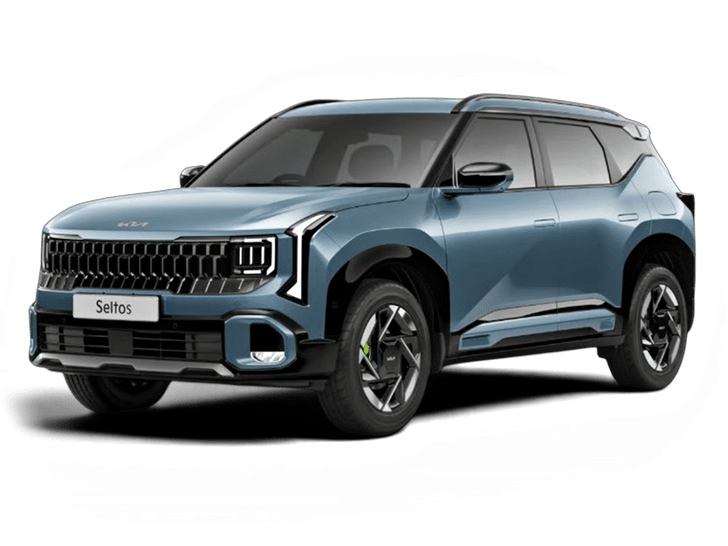
The new Seltos diesel AT is a very polished product and will likely feel more premium inside, but you have already identified the key issue yourself. It still feels like a size smaller in terms of sheer road presence and overall “status factor” compared to something like the 7XO.
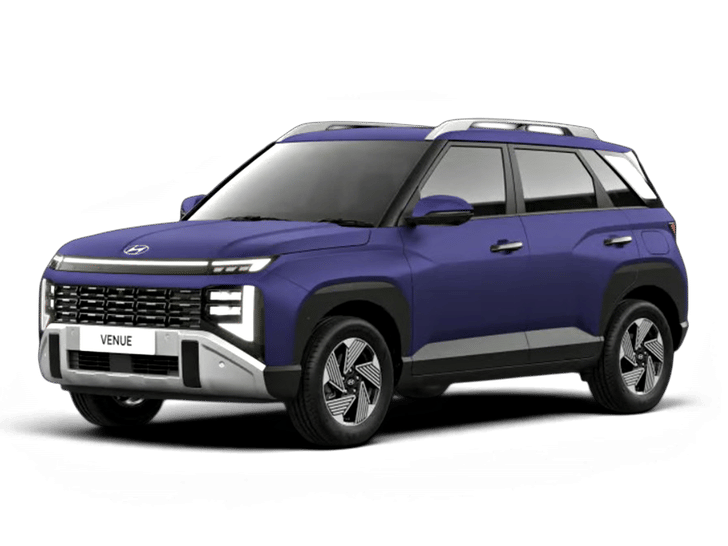
The Venue diesel AT should not even be in this discussion. It may be sensible, but it does not deliver the sense of occasion, size or highway authority you are clearly looking for.
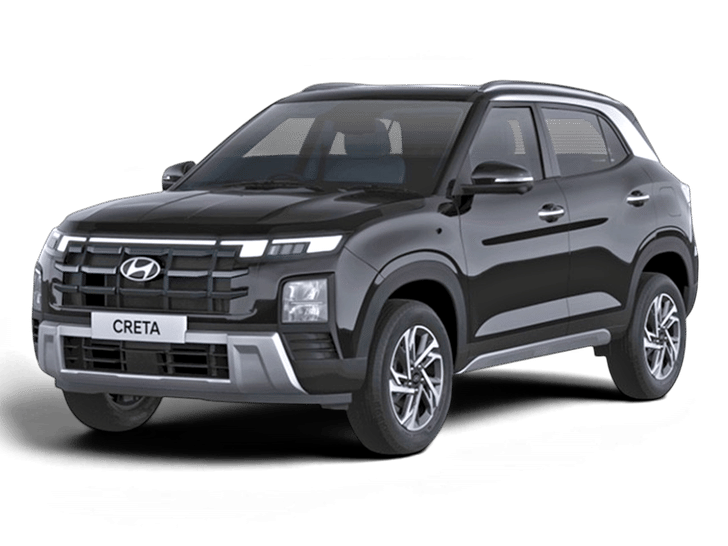
As for waiting, the upcoming Creta and Seltos strong hybrids expected next year will make sense from an efficiency perspective, but they will still fundamentally remain mid size SUVs. The RAV4 Hybrid is not even a confirmed India launch yet, and even if Toyota does bring it here, expect it to be priced aggressively high because it will almost certainly come in as a CKD or CBU initially. By the time it lands on road, it could sit far beyond the sweet spot you are targeting today.
So the verdict is simple: buy the XUV 7XO AX7L Diesel AT now. It is the one that best balances presence, tech, ease of use and resale value over your intended ownership cycle.
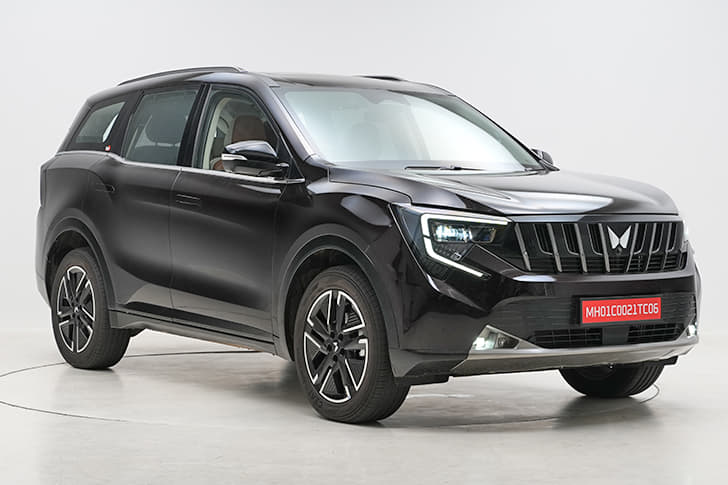
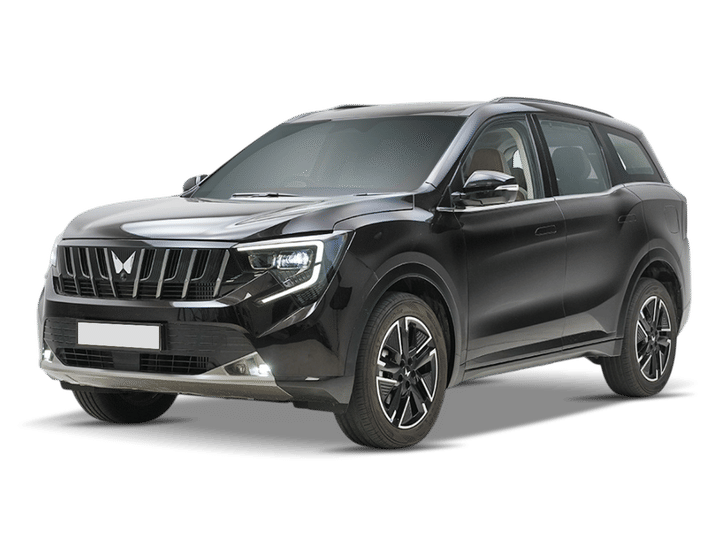
Mahindra XUV 7XO
Explore cars mentioned
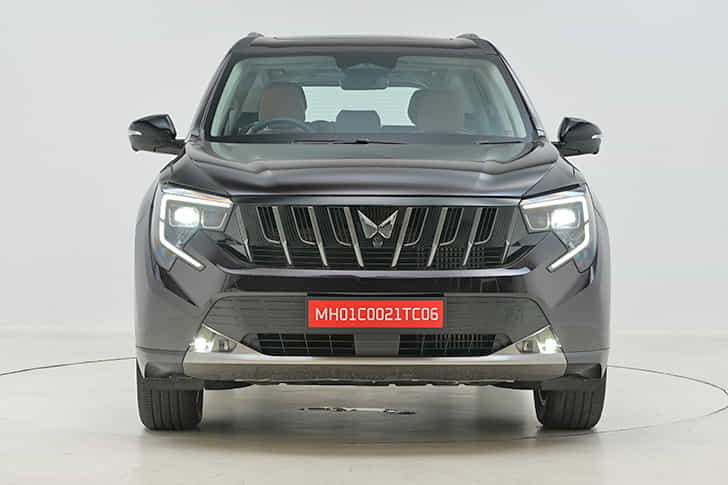
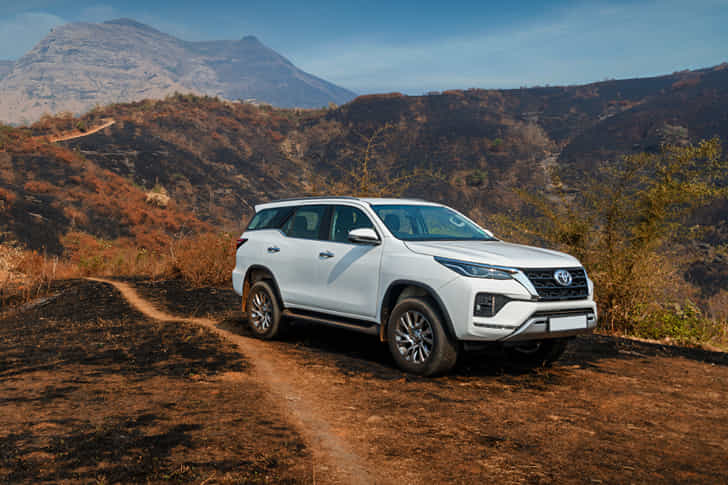
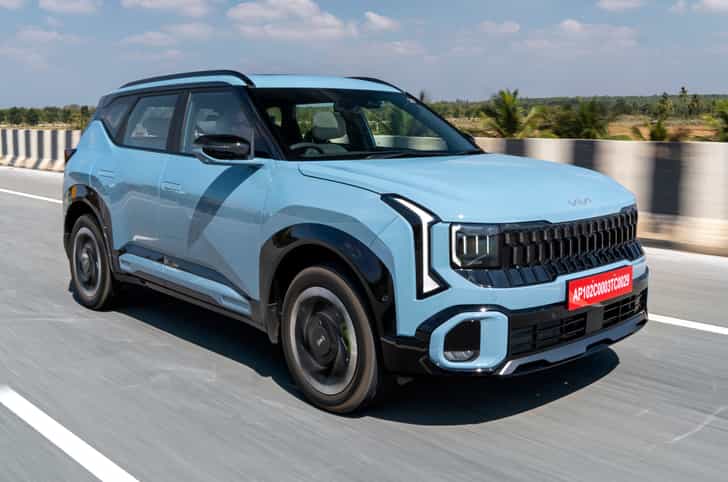
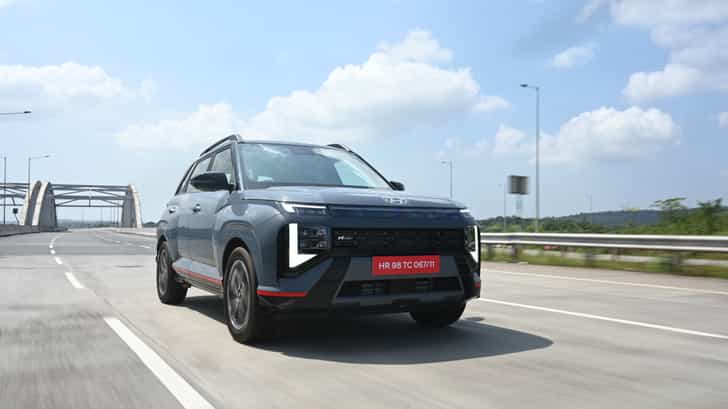
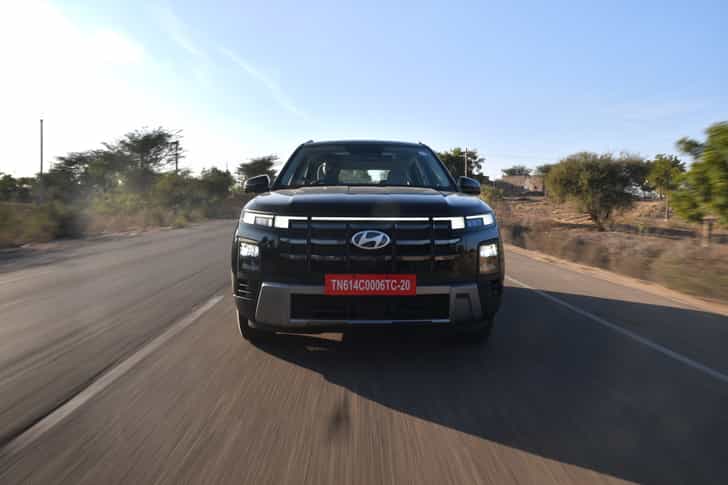
Check out two cars because I am impressed with the space(Alcazar 6 seater) and other I am personally using (Elevate ZX Top End Mannual petrol)
... I sat on the dark green color of Alcazar with Panoramic Sunroof and all 4 captain seats - it was a petrol automatic.
Wanted to share a real-world perspective comparing the Hyundai Alcazar and the Honda Elevate, especially context-mapped to dense, bumper-to-bumper Delhi traffic. A close friend of mine recently picked up the Hyundai Alcazar Petrol Automatic (~Rs 24L on-road Delhi) about a month ago. The exact variant I checked out was the Robust Emerald (Dark Green) shade, which looks incredibly premium and stealthy in person, paired with the massive panoramic sunroof. Since I have been driving a Honda Elevate Petrol MT as my daily driver since February 2024, sitting in and observing the Alcazar gave me a fantastic opportunity to contrast how both these machines approach the urban commuter requirement. Here is a quick breakdown of the observations: 1. Fuel Economy (The Elephant in the Room) Hyundai Alcazar (1.5 Turbo DCT): Prior to its first service, it is currently returning 9–10 kmpl in neck-to-neck Delhi traffic. Considering it's a 158 bhp turbo petrol moving a heavy 3-row footprint, this is expected behavior for stop-and-go runs. Honda Elevate (1.5 i-VTEC MT): My manual variant consistently delivers an honest 10–11 kmpl in identical end-to-end Delhi gridlock. It's highly predictable. Honda usually claims conservative figures on paper, so their real-world efficiency numbers are highly trustworthy. 2. Safety Tech & Sensor Behavior Alcazar: It gets a highly sensitive proximity sensor grid and Level 2 ADAS (Hyundai SmartSense). In dense traffic, it actively flags every approaching or near-touch vehicle. Crucially, the warning beeps and acoustic alarms are well-calibrated; they provide excellent situational awareness without triggering cabin anxiety. Elevate: Comes with camera-based Honda Sensing (ADAS). While early 2024 models skipped a 360-degree camera system, Honda has updated the current lineup to include it, along with a neat Black Edition. Additionally, you get the absolute peace of mind of structural integrity—this exact India-built model is exported to Japan as the WR-V and recently bagged a solid 5-star safety rating in the rigorous Japan NCAP (JNCAP). It is truly built like a tank. Choose the Alcazar if you value a tech-forward, feature-heavy cockpit experience. The combination of the smooth 7-speed DCT, the wire-free factory dashcam, high-end display themes, and that emerald-on-black aesthetic makes it feel like an absolute gadget sanctuary for city creeping. Choose the Elevate if your priorities lean toward mechanical simplicity, a time-tested naturally aspirated city engine, immense cabin space, and long-term peace of mind. While you might feel slightly disappointed by the lack of a secondary fused digital screen layout compared to the Hyundai, it hits every core automotive metric beautifully. Would love to hear from other Alcazar DCT owners in NCR regarding what kind of mileage numbers they are seeing post the second/third services!
Hello Vihaan kumar,After going through your question it will be your wisest decision to wait till toyota Fj cruiser comes but it won't give you all the modern features like a Rav 4 so plz wait for those vehicles to arrive.
How abt Upcoming Creta Diesel AT on K3 platform Looking very attractive through Spy Shot videos.
Still have more question?
Get answers from Autocar experts and owners
- 9,000+discussions
- 20,000+users online
- 10,000+members
More posts on similar cars

Has E20 fuel affected your mileage?

Still have more question?
Get answers from Autocar experts and owners
- 9,000+discussions
- 20,000+users online
- 10,000+members
Compare suggested cars


Is ADAS worth paying extra for in a car?
Popular discussions right now
Upcoming launch buzz
Community discussions on upcoming launches


Want to sell your car?
Sell your car at the right price, without the stress.

Add a photo of your Creta
First sightings, real road conditions, delivery buzz

Posted on: 28 May 2026