Latest questions answered by experts
Ask or share your thoughts
Get opinions from India’s growing automotive community
Discover topics
Follow topics to stay in the loop
Comparisons
2110 posts
Upgrades
1452 posts
General Buying Advice
970 posts
EVs & Hybrids
556 posts
Two-Wheeler
537 posts
Family & 7-Seaters
490 posts
First-Time Buying
440 posts
Variant & Spec Selection
259 posts
Ownership Experience
214 posts
Safety & ADAS
100 posts
CNG Vehicles
93 posts
Mileage & Running Costs
93 posts
Road Trips & Adventure
90 posts
Luxury Segment
82 posts
Service & Maintenance
70 posts
Accessories & Modifications
40 posts
Performance & Enthusiast
35 posts
While there’s a lot of talk about the new Renault Duster strong hybrid, which cars in the segment above it offer a similar or better driving experience, ride and handling? I drive about 50 km a day in smooth traffic, and good fuel efficiency is also on my list. I’m open to an EV, a hybrid or a diesel. My budget is between Rs 20 lakh and Rs 40 lakh, and I’ll be exchanging my Hyundai Creta diesel manual.
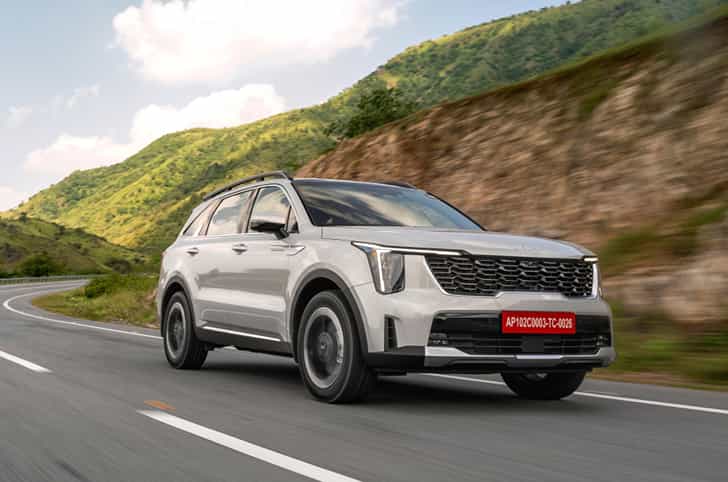
Considering your budget, we would suggest looking at the Kia Sorento and waiting for the upcoming JSW Combat (based on the Jetour T2). The Sorento is already an excellent option, offered with both a 1.6-litre turbo-petrol strong hybrid and a 2.2-litre diesel. Both powertrains offer strong performance, and the Sorento has a modern, premium cabin, a comfortable ride and a more substantial feel than the Duster. The hybrid should appeal if fuel efficiency is a priority, while the diesel is better suited to those who enjoy strong torque and regular highway driving.The JSW Combat is also worth waiting for. Based on the Jetour T2, it will come with a plug-in hybrid powertrain and promises strong performance, modern technology and a rugged SUV character. It is expected to be revealed on December 4, 2026, although pricing and the final India-spec configuration will be important. Do keep in mind that JSW is a new entrant, so its service network and long-term ownership experience are yet to be established.

I’ve written to you a couple of times before, but I’m still waiting for your advice. I’m not sure why no one has responded. Anyway, I’d like to ask my question again. I want to buy a seven-seater with a budget of about Rs 20-25 lakh. I’ll mainly drive in the city, with occasional outstation trips on hilly terrain. Which vehicles would you recommend?
Apologies for not getting back to you earlier. For your budget of Rs 20-25 lakh, we would suggest looking at two options depending on what you prioritise.If you want an SUV, the Mahindra XUV 7XO petrol is worth considering. It has a strong 2.0-litre turbo-petrol engine, a spacious and comfortable first two rows, a premium cabin and good highway performance. It is a particularly good choice if you will use the third row occasionally rather than regularly.However, if your priority is a genuinely comfortable seven-seater, the Kia Carens Clavis turbo-petrol DCT would be our recommendation. It offers better space utilisation, easier access to the third row and a more accommodating seating arrangement for all passengers. Its 160hp turbo-petrol engine also offers strong performance, while the DCT makes it convenient in everyday traffic.
I currently own a Nissan Kicks 1.5 petrol, and I’m very happy with its performance and comfort. Now I’m looking to add another car to my garage for my wife to drive. Preferably, it should be an AMT and give good fuel efficiency in the city, since mine returns only around 8 kmpl in city traffic. Which car would you recommend?
Within your budget, we would suggest looking at the Maruti Suzuki Swift AMT or the Baleno/Toyota Glanza AMT. All three offer good fuel efficiency, easy city driving and relatively low maintenance costs, making them suitable as a second car for your wife.The Swift is more compact, easier to manoeuvre and has a slightly sportier driving character. The Baleno and Glanza, on the other hand, share the same mechanicals but offer a larger, more spacious cabin and a more comfortable experience for passengers. Their 1.2-litre petrol engine is also well suited to everyday city use.
Upcoming launch buzz
Community discussions on upcoming launches
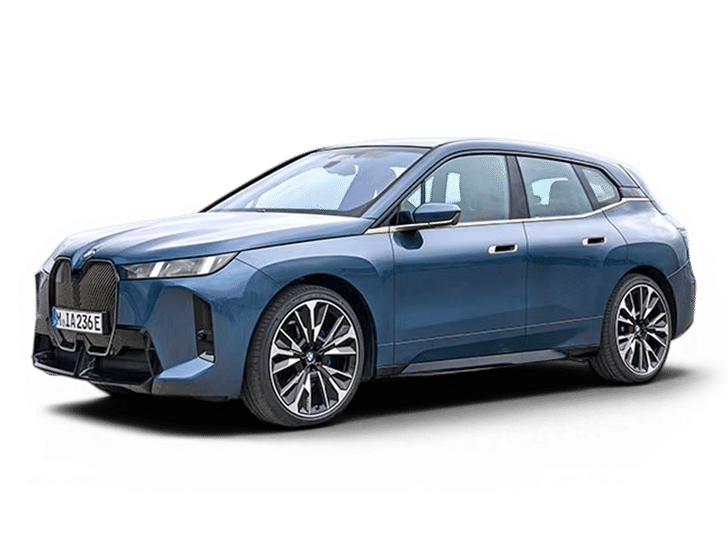
BMW
iX facelift
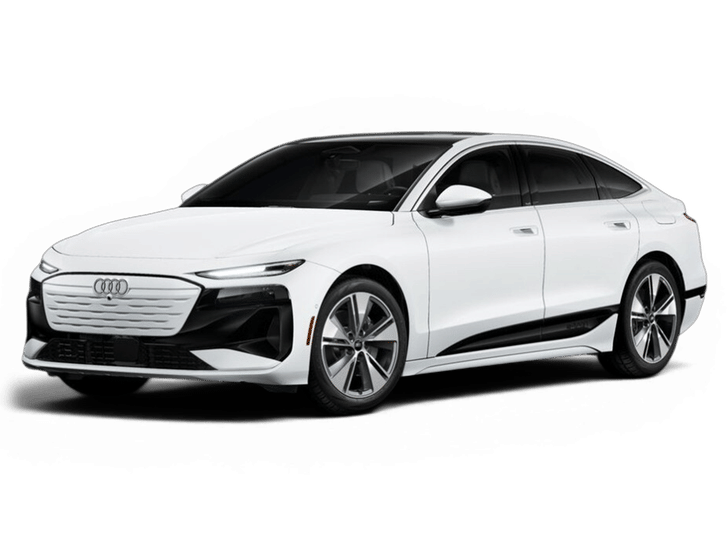
Audi
A6 e-tron
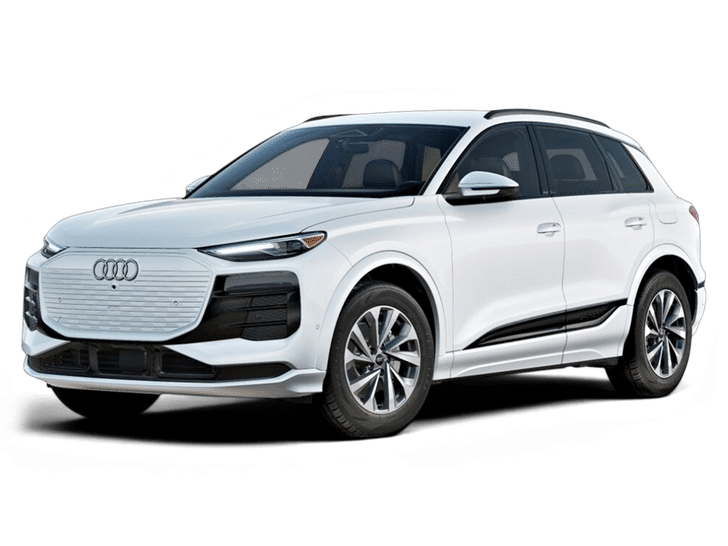
Audi
Q6 e-tron
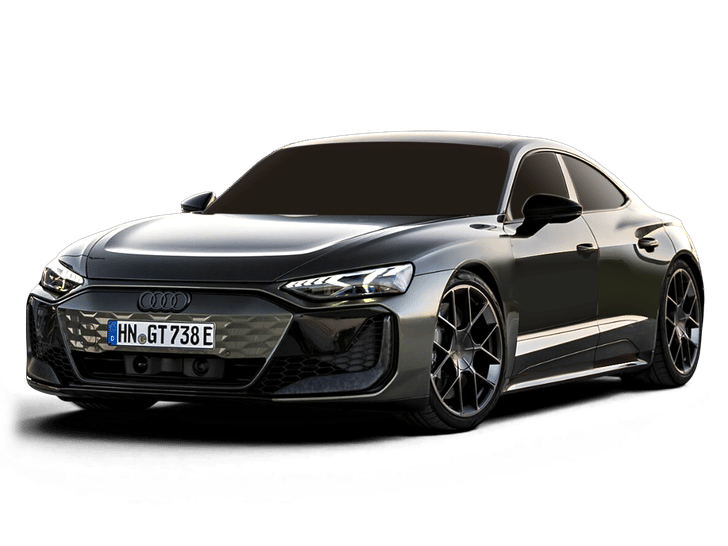
Audi
e-tron GT facelift

Vinfast
VF5
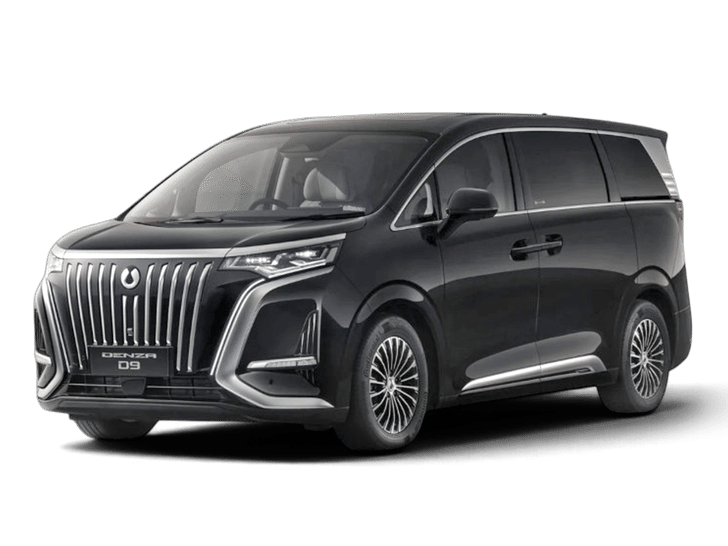
Denza
D9
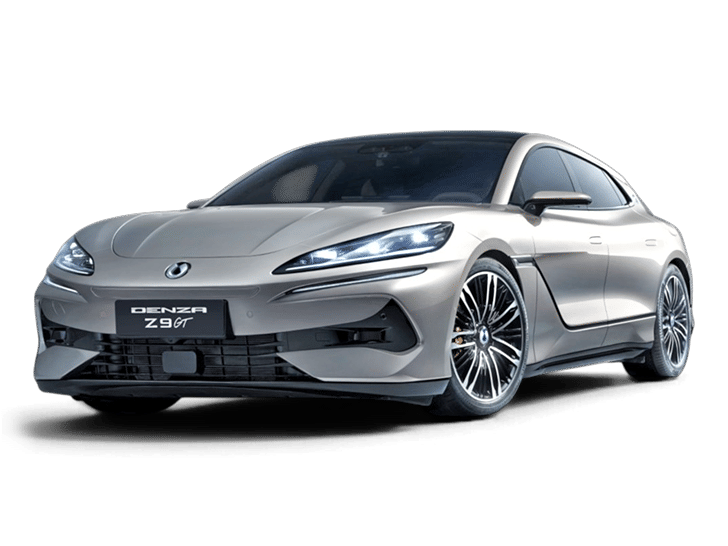
Denza
Z9 GT
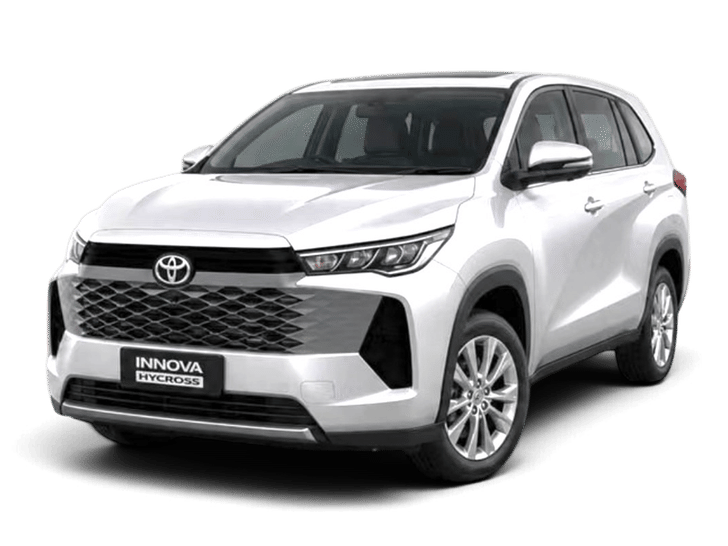
Toyota
Innova HyCross facelift

Mini
Cooper Electric
Volkswagen
Virtus facelift
Hi team, I’m confused between the Maruti Suzuki Brezza VXi AT and ZXi MT. Both are within my budget and cost the same through the CSD (Canteen Stores Department). I drive around 700-1,000 km a month, mostly in the hills and on highways, with very little city driving. Which one should I choose?
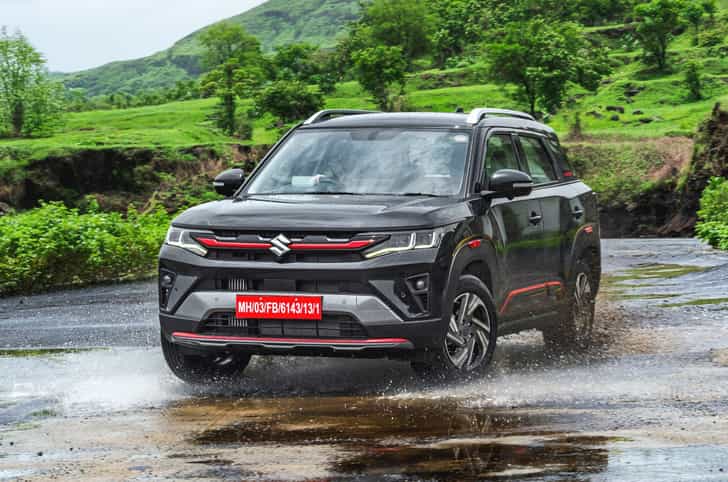
Given your usage, we would recommend the Maruti Suzuki Brezza ZXi manual over the VXi automatic. The 1.5-litre naturally aspirated petrol engine is smooth, but it isn't particularly peppy. The six-speed manual makes better use of the engine's performance and gives you greater control on hilly roads, particularly when climbing or overtaking on steep gradients. The torque converter automatic is more convenient in city traffic and relaxed highway cruising, but the manual is better suited to your predominantly hilly usage.There is another option worth considering: the Brezza Turbo ZXi manual. Its 1.0-litre turbo-petrol engine produces 110hp and 170Nm, offering stronger mid-range performance and better flexibility on climbs and highway overtakes. Its low-speed response and clutch operation are also quite manageable. We would suggest test-driving both manual versions, but the Turbo would be our pick if performance is a priority.

My budget is under Rs 12 lakh, and I want a petrol manual car. I currently drive a 17-year-old Maruti Dzire diesel and am looking to replace it with a compact SUV. My priorities are good highway performance, safety, decent fuel efficiency and a spacious cabin. I will sometimes drive the car myself, but it will mostly be chauffeur-driven. I have shortlisted the Mahindra XUV 3XO MPFi, but some people have advised me against buying it, leaving me unsure about its reliability. Should I go ahead with it or consider other options? At this price, I can also get the Hyundai Venue HX5+ and Maruti Victoris LXi. What would you suggest?
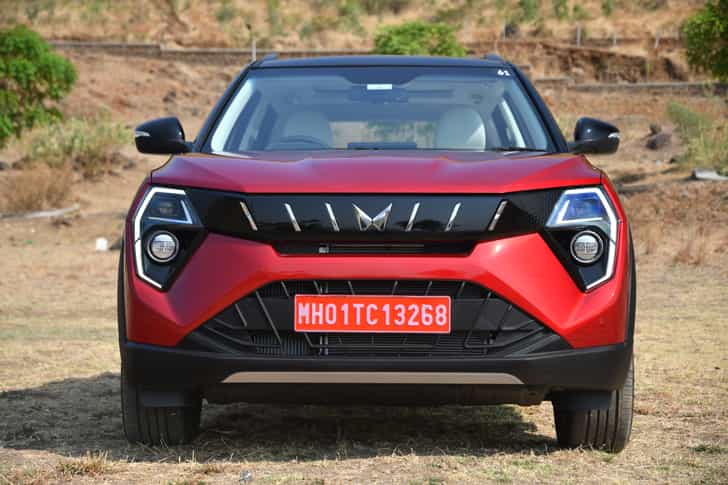
The Mahindra XUV 3XO is a great choice for your needs. It has good performance on the highway, decent efficiency and a 5-star Bharat NCAP safety rating. If you are being chauffeured and spend time in the back seat, you'll find the seat is wide and comfortable, with good space too. Reliability is also quite good, though some owners report electronic glitches.Among your alternatives, the Maruti Victoris LXi is larger overall and therefore roomier, but being the base model, it will feel a bit bare-bones. The Hyundai Venue HX5+ is a better choice, offering a good balance of features and passenger comfort. However, if you want the most space in the sub-4-meter SUV segment, consider the Kia Syros. It has a very spacious and comfy back seat and a large boot. It is offered with the same 1.0-litre turbo petrol as the Venue, so highway performance is good too.Overall, the XUV 3XO is a solid choice, but if you are not convinced, then consider the Venue or the Syros.
Find related posts in one place
Explore topics to stay in the loop
Dear Sir, please suggest whether I should buy an electric car or an ICE car, and which make and model I should consider. I am a 62-year-old man and currently drive a 2012 Maruti Dzire Diesel VDi with a manual transmission. It has covered around 50,000km and still delivers over 23kpl on the highway and 19kpl in the city. Its suspension and overall condition are also good. However, I now want to replace it or buy a second car for my personal use. I will be the primary driver. My requirements are a small car with an automatic gearbox and a 360-degree camera. My annual running is up to 5,000km, comprising around 3,000km in the city and 2,000km on the highway. My budget is up to Rs 15 lakh. Thank you.
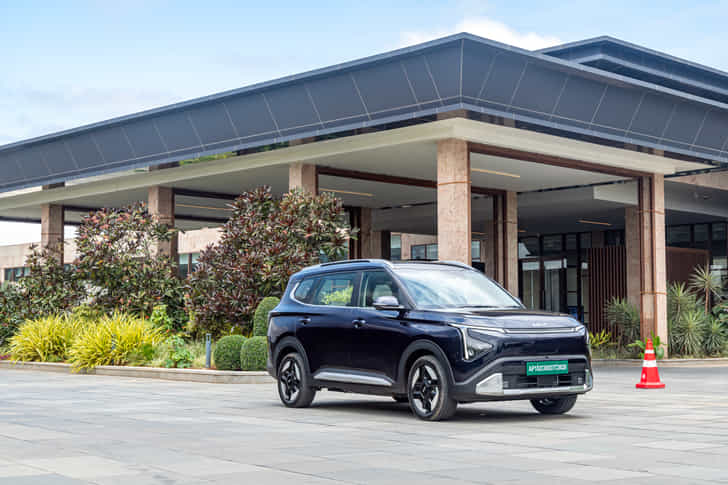
If you are going to buy an electric car, make sure you have charging at home, as relying only on public chargers is really not very feasible. As for the choice of car, we would suggest the Kia Syros EV, which is very comfortable to get in and out of, to sit inside and on the move. It is well equipped too, and the electric drivetrain and electronic systems are well designed and robust.At your budget, you would not get the variant with a 360-degree camera, but the car would have a reverse camera setup, which should help. If you must have this feature, consider the Tata Punch EV, which is also a good buy with a good ride and easy ingress / egress and a nice high driving position.
I currently drive a Ford EcoSport 1.0 EcoBoost and am planning to replace it with a new car. I am considering two options: the Hyundai i20 N Line N8 DCT and the Mahindra XUV 3XO RevX A. We are a young family of three, with a toddler, and the car will primarily be used for 70% city driving and 30% highway driving. We are based in a relatively remote part of the country, where road conditions, service accessibility and long-distance usability are important considerations. My priorities are safety, driving engagement, rear-seat comfort and ease of long-term ownership. Considering these requirements, which car would you recommend and why? In particular, does the XUV 3XO's larger boot and higher ground clearance make it a more practical family choice? Is the i20 N Line significantly more engaging to drive and better suited to everyday city use? How do the two compare in terms of rear-seat comfort, ride quality and highway stability? Which offers a more dependable ownership experience, especially considering the DCT versus a torque-converter automatic? If you had to choose one for the next seven to nine years, which would it be?
Between the two, the Mahindra XUV 3XO is a better choice for a growing family. As you mentioned, road conditions where you live aren't ideal, so the 3XO's added ground clearance and superior ride quality give it an edge over the i20 N Line. The N Line is more engaging to drive, but its ride has a firm edge to it, which can get a bit jarring. The 3XO RevX A rides on 16-inch wheels with tall-sidewall tyres that do a remarkable job of rounding off sharp edges. It is also a surprisingly tidy handler, with slightly numb steering being the only real complaint. The 3XO offers very good performance too, while its torque converter automatic is smoother in traffic than the i20 N Line's DCT. In terms of practicality, the 3XO's wider cabin, roomier rear seat and larger boot give it another advantage over the i20.Overall, while the Hyundai i20 N Line is certainly a more entertaining car to drive, it can't match the 3XO's practicality, which matters more when you have a young family. If you'd like an alternative, consider the Hyundai Venue N Line, which is a more direct rival to the 3XO.
I owned a 2019 Maruti Vitara Brezza ZDi+ manual and sold it in 2024 to buy a Virtus GT DSG. I regret selling the Brezza, although the Virtus is a great car. I bought it because my wife wanted a sedan, and I chose the automatic partly for her, but she hardly drives it. The Virtus has covered nearly 60,000 km in two years. I’m planning to replace it with a new car. I drive at least 80% on the highway and 20% in the city. At least twice a month, I make a round trip of 640 km, and my annual mileage is at least 25,000 km. I’ve decided that my next car should be a diesel. I like the Tata Harrier, but I’m concerned about reliability and potential issues. I’m also considering the Kia Seltos, Mahindra XUV 7XO, and the upcoming Hyundai Creta. I’d choose a top-end variant and am open to either a manual or an automatic. If I go for an automatic, it must have a torque-converter gearbox. What would you recommend?
Between your picks, the Kia Seltos diesel automatic is the easiest recommendation. Its diesel powertrain is very refined and is paired with a slick 6-speed torque converter automatic. It also offers enough performance for highway driving, while ride quality is significantly better than that of the previous generation. The cabin feels premium, with good-quality materials, more space than the previous generation and an infotainment system with a very user-friendly interface.The Mahindra XUV 7XO offers better outright performance from its 2.2-litre diesel engine and a more plush ride quality. It also has a more commanding road presence, thanks to its sheer size. The cabin is premium and spacious, with the added advantage of a third row. However, its size can make it cumbersome to park in the city, while its infotainment interface takes some getting used to.If you can wait, the next-generation Hyundai Creta is expected sometime in mid-2027. It will move to the K3 platform, just like the Seltos, making it larger than the current model and allowing for a more spacious cabin. It is expected to retain the current Creta's powertrain options, so a diesel variant should still be on the cards. Other details are scarce at the moment, but it could make for a compelling alternative to the Seltos.Overall, if you don't need the third row or the added performance, the Seltos is a better fit for your needs than the XUV 7XO. While it doesn't have the outright performance of the Mahindra, it offers a good balance and better fuel efficiency.
Hello team, I currently drive a 2023 Skoda Kushaq 1.5 TSI manual and am planning to buy a second car. My weekly running is around 700km. I live in Mysore and commute to my office in Bengaluru twice a week. I had booked the Tata Punch EV, but was hesitant about its sales and service network. Unfortunately, I also faced an issue with the dealer, who suddenly increased the price while I was waiting for the car, even after I had paid the booking amount. I cancelled the booking and started looking at diesel cars instead. I do not want to spend too much on my second car. I tried a few used diesel cars through Spinny, but most had multiple previous owners and high mileage. What I am really looking for is a car that delivers over 20kpl. I am considering the Kia Sonet diesel, but I have heard that the next-generation model is due to launch. However, there is no official launch date yet. Should I wait for the new model or book the current Sonet?
The Kia Sonet diesel is a good fit for your Mysore-Bengaluru commute. The next-generation Sonet is expected to launch sometime next year, although the exact timeline is unclear at the moment. What we do know is that the new model will move to the K1 platform and get the latest electrical and electronics (E&E) architecture, enabling over-the-air updates and remote diagnostics. It may also grow in size, which could address the cramped rear-seat issue of the current Sonet. However, it is also likely to be more expensive.Since you don't want to spend too much on your second car, you might be better off looking for discounts on the current Sonet, particularly as the launch of the new generation draws closer.You could also consider the Hyundai Venue diesel. It already uses the new K1 platform and gets the latest technology. The rear seat is roomier, and the ride is more absorbent. It uses the same diesel powertrain as the Sonet, so fuel efficiency should be similar. One drawback, however, is that the Venue's light steering doesn't inspire much confidence on the highway, which will make up the bulk of your commute.Overall, the current Sonet is a fine choice for your needs. However, if you can wait, you might be able to get a better deal when the launch of the next-gen model is near.
Dear Autocar, I am confused between Meridian and Camry. I am not an SUV fan but the diesel engine and 7 seats seem practical. However the Camry HEV is super comfortable, stylish but it is limited to 5 seats and has poor ground clearance. I will be going on occasional NH long distance cruising and regular city drives. I value comfort, safety, reliability and understated luxury. What do you advise?
Since you value comfort, safety, reliability and understated luxury, the Toyota Camry would be the better option as compared to the Jeep Meridian. And if the roads are in general good shape, around your place of residence and over the trips you would make then the lower ground clearance should not be too much of a bother. Go with the Jeep Meridian only if you require the 7 seats for a large family perhaps or the roads where you live and travel over are in bad condition.
Find related posts in one place
Explore topics to stay in the loop
Hello Autocar Team, I just bought a used Ecosport (2019 model) that has clocked 37,000 km. I am planning to keep the car for atleast next 3-4 years and my driving will be mostly limited to Mumbai City. Should I replace its tyres for a better driving experience even though its tyres are in usable condition.
With just 37,000km on the clock, it is possible your car is still running on its original tyres. Check the date code on the tyre sidewalls to verify this. If that is the case, we'd recommend replacing them even if they appear to have sufficient tread remaining. At around seven years old, the rubber compound would have hardened, significantly reducing grip, particularly during the monsoons. Even if you only drive in Mumbai city, our roads can get notoriously slippery when wet.Also, since you plan to keep the car for another three to four years, you're better off replacing the tyres now and enjoying fresh rubber yourself rather than replacing them for the next owner when it comes time to sell.
Hi Team, I currently own an i20 diesel and am planning to upgrade. I have considered Sonet HTX Diesel and XUV 3XO AX5 variant (both manual). My running is mostly 60-70% on highway with more than 2000km monthly running. I am looking for a car that has good performance and handling with mileage of a diesel car. What do you think about it and is there any other car that I should consider? Also, what are your views on long term reliability and ownership experience of these two cars?
We would suggest you go ahead with the Mahindra XUV 3XO as the Sonet will be replaced within a year with an all new model. The rear seat space too is not a lot and in this regard the XUV is much better, so if this is important for you then the Mahindra would be the ideal choice. The performance and handling of the XUV is also tuned for driving pleasure so this would meet your other requirement too. In terms if ownership experience though Mahindra service stations are a mixed bag so make sure the dealer in your area is a well reputed one.
Hi, I own a Kia Carens Clavis EV that comes with 3 years of warranty. My running is below 12000km annually. I have an option to extend the warranty for 4-5 years. Should I buy the extended warranty?
In general, it is a good practice to have an extended warranty. It is a bit like medical insurance, you hope to never actually require it but its always wise to have a policy just in case. In the case of the car, the extended warranty on Kia Carens Clavis EV can also be transferred to a new owner, though double check this with your dealer. If that is the case this can help increase your resale value too. So all in all its a good backup to have.

I am very confused between Kylaq AT and Syros DCT 1.0 petrol. Driving wise, Kylaq seems very good but Syros seems like a more practical car with a beautiful cabin. Rear seat comfort and leg room is so good in Syros along with a better AC, rear view camera and audio. Which one should I go for if I have 60% highway use as well as long distance travel? If two adults have to sit in the rear seat of Kylaq for a 5-6 hours drive, is it going to be comfortable? For suspension, quality, VFM and stability, which one is best for 7-8 years of ownership?
From a practicality perspective, the Kia Syros is a better choice than the Skoda Kylaq. Its cabin is easily the most spacious in the sub-4-metre segment, and it gets practical features such as a sliding rear bench, which lets you free up more boot space or increase rear passenger legroom. Accommodating two adults in the back seat on long journeys is no problem at all. Highway performance from the 1.0-litre turbo-petrol engine and DCT combination is also very good, while high-speed stability is decent too. Ride quality is a touch firm, though, which is also the case with the Kylaq.The Kylaq is the more engaging car to drive, and its torque converter automatic is smoother in city traffic. The DCT in the Syros can feel a bit clunky at times in the city, but since most of your driving is on the highway, this is unlikely to be a deal-breaker.Pick the Kylaq if driving dynamics are your top priority, but when it comes to practicality, the Syros is hard to beat.
I am planning to buy Thar Roxx but I faced issue with its suspension during its test ride. Should I wait for the suspension issue to be fixed in the facelift?
Yes, if the ride of the current Thar Roxx is not something you can live with it would be better to wait for the update as the car is expected to get the same frequency selective damping setup from the Thar OG - what Mahindra markets as Davinci suspension. However while this is expected to improve the ride quality and body control it would be unlikely that it would match the level of the Hyundai Creta that you are used to. So in any case if you can wait, we would suggest you do so.
Find related posts in one place
Explore topics to stay in the loop
I am planning to upgrade from Skoda Rapid Monte Carlo 1.0 AT (2020) to a family-friendly SUV. Considering the new Renault Duster Hybrid and Hyundai Creta IVT/Turbo Petrol. With ageing parents and a 9-month-old baby, my priorities are easy ingress and egress, spacious rear seats and good boot space. My annual running is around 5,000 km which mostly involves city driving. Which SUV would you recommend?
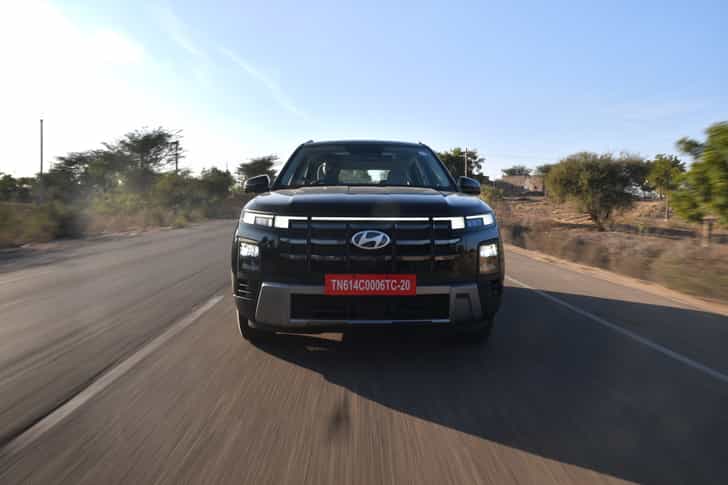
The Renault Duster (non-hybrid) has a large rear boot and the car is also newer and fun to drive, however your priorities of spacious rear seats and easy ingress/egress would be better met in the Creta and we would suggest the IVT as its smoother than the DCT autobox for everyday family use. Given that an all new Creta is around the corner you should bargain hard for a good deal and you could have a significantly lower purchase price too.
I want to prebook Ultraviolette Tesseract but I want to take a look at the model first. Is it available at Ultraviolette’s Bangalore showroom?
The Ultraviolette Automotive Tesseract is not ready to go on sale yet but it will be in the next few months. Once it launches, you should be able to see it in showrooms and get a test ride of one as well. Stay tuned to our channels for these updates!
I am a new rider and need an automatic car with 5-star safety rating under a maximum budget of Rs. 12 lakh (on-road). I require the car for driving mostly in city. I drive once or twice on highway and expressway in a month. I take one or two long trip in a year. My preference is safety, decent mileage, good service and cheap parts for family use. Please suggest.
For your needs, the Maruti Suzuki Dzire and Tata Punch are both good fits. Both cars have a 5-star Bharat NCAP safety rating and come with a comprehensive suite of safety features as standard.The Dzire is the more fuel-efficient of the two, with its 1.2-litre Z-series engine delivering an average of just over 15kpl in our real-world testing. It also has the more refined powertrain, while Maruti has a strong reputation for after-sales service.The Tata Punch offers a more SUV-like stance. You sit higher up, with a better view over the bonnet, which can help build confidence as a new driver. It also rides superbly for a small car, while the higher ground clearance is an advantage on bad roads. Service and parts costs are likely to be similar to those of the Maruti. However, Tata's after-sales service is known to be somewhat inconsistent, so we'd recommend checking your local dealer's reputation before committing.Overall, both cars are good choices for a new driver. Test drive both to see which one suits your needs better.
I have finalised Sonet HTK plus and Hyundai Venue HX5. Please suggest me which one is better for city comfort, riding and overall is a better choice.
Between the two, the Venue has the more absorbent ride in the city. The Sonet's suspension is a bit firmer, which helps it feel more planted on the highway, but around town, it can feel harsh over sharp bumps. The Venue also has a longer wheelbase, which gives it a roomier rear seat than the Sonet.Overall, the Venue is the better choice since your priority is ride comfort in the city.
Hello everyone, I am very confused about buying a new scooter under Rs. 1.30 lakh. I want a comfortable scooter that should be in 125cc segment. It should have a planted/substantial feeling that delivers decent mileage and should have a sporty look. It should have a TFT display. Should I wait or choose from Activa 125, Dio 125, Jupiter 125 or Ntorq Race XP or something else?
There's no one product right now which will give you all of these attributes in one package today in the 125cc segment. The Suzuki Burgman will probably come closest but its not a heavy or substantial feeling machine - but we think that's a good thing considering you'll usually be using it in tight urban confines. If you want a 125cc scooter with 14-in wheels for added stability, the Hero Xoom 125 is one option we'd recommend. Its motor is fuel efficient and smooth, its styling is very modern and catchy and its suspension is pretty decent too. It doesn't have a TFT display and its boot is rather small because of its larger wheels, points to keep in mind before you go ahead with your purchase. The TVS Ntorq 125 is a great scooter which balances fun and practicality very well although, again, this is not a heavy-feeling scooter and like we mentioned earlier, this is a good thing. You should also consider the Aprilia SXR GT 125 because this scooter will have the "heavy feeling" you're after but it doesn't have a TFT display and from what we experienced on the SXR GT 175 when we reviewed it, its front suspension is not very comfortable over bad roads. Aprilia's dealer network is also far smaller than the bigger Indian brands and its aftersales and service cost has historically been on the more expensive side too. We'd recommend you take a test ride of the aforementioned options and see which one you gel with the most before you make your decision. We would also be remiss if we didn't recommend you at least take a look at and get a test ride of the Suzuki Access because while it may not be the flashiest option out there, it is really a sublime scooter which and its highest variant comes with ABS which no other mainstream manufacturer offers on a 125cc scooter.
Find related posts in one place
Explore topics to stay in the loop
Need expert advice?
Ask the Autocar community and experts.