The Delhi government has unveiled an ambitious plan to address growing air quality problems – ensuring that electric vehicles (EVs) account for 95 percent of all new vehicle registrations by 2027. The proposed EV Policy 2.0 is a drastic increase from the previous target of 25 percent EV adoption by 2024. The policy also calls for systematically phasing out CNG vehicles such as auto rickshaws, taxis and light commercial vehicles in order to achieve this target.
- EV Policy 2.0 targets 95 percent of all new vehicles to be EVs by 2027
- CNG commercial vehicles to be phased out and replaced with EVs
- 90 percent of CNG public buses to be phased out by year-end
Delhi EV Policy 2.0 explained
The proposed EV Policy 2.0 is expected to take effect in April 2025, and it aims to fast-track EV adoption in Delhi. It will replace the 2020 EV Policy, which set out to achieve 25 percent EV adoption by 2024. That target was not entirely achieved; however, by late 2024, nearly 20 percent of all new vehicle registrations were EVs, thanks to subsidies, tax waivers and campaigns like Switch Delhi.
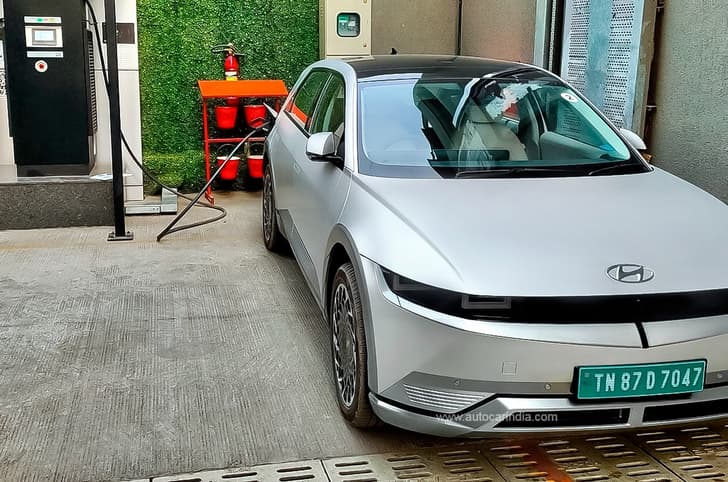
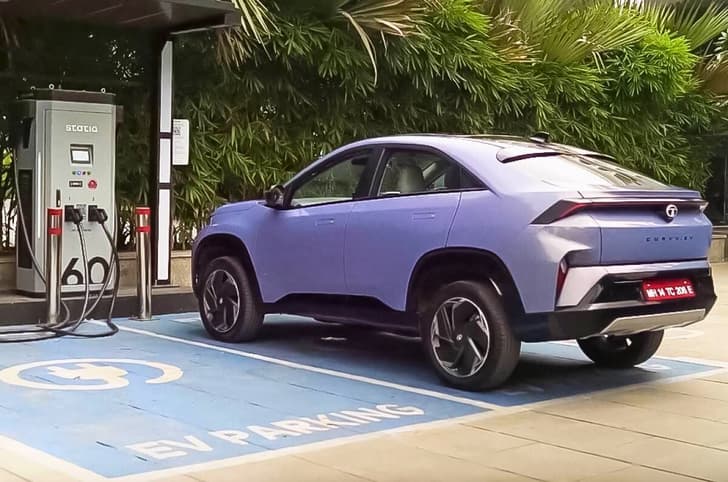
The new policy aims to build on that and cement Delhi as the leader in EV adoption. As of early 2025, over 3 lakh EVs are registered in Delhi, supported by 4,793 charging points – a number that the policy aims to grow to 18,000 by 2026. The policy plans to achieve this by mandating the installation of EV charging stations in new buildings as well as offering subsidies for private setups. Fast-charging corridors are also planned along major roads.
The policy also specifically targets commercial vehicles that have been identified as significant contributors to the air pollution problem. To that end, the city’s public transit fleet is set to grow to 8,000 e-buses from the current 2,000 by 2026, phasing out 90 percent of the CNG-powered buses by the end of 2025.
Additionally, the policy also plans to systematically phase out other CNG commercial vehicles such as auto rickshaws, taxis and light commercial vehicles while incentivising owners to replace them with EVs. The policy also calls for purchase incentives for two- and three-wheelers that are vital to the city’s transport system.
What does the EV Policy 2.0 mean for you?
While the policy has yet to clarify its impact on private vehicle owners, more details are expected as the April 2025 implementation date approaches. This policy could provide a much-needed boost to the EV sector, which has seen a slight decline, with Suzuki Motors recently scaling back its EV plans. Domestic manufacturers like Tata Motors and Mahindra, along with global players such as Tesla, could see increased demand and stand to benefit from the policy’s potential impact.
 Autocar India News Desk
 Dhruv Dhaka
 Dipan Sur