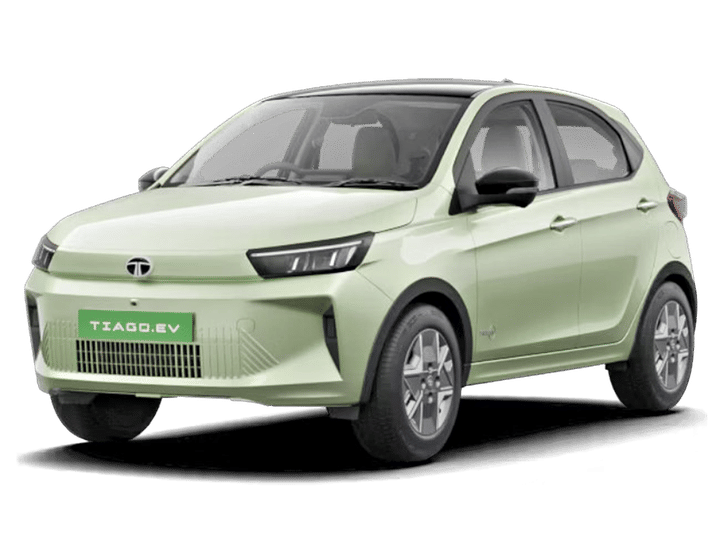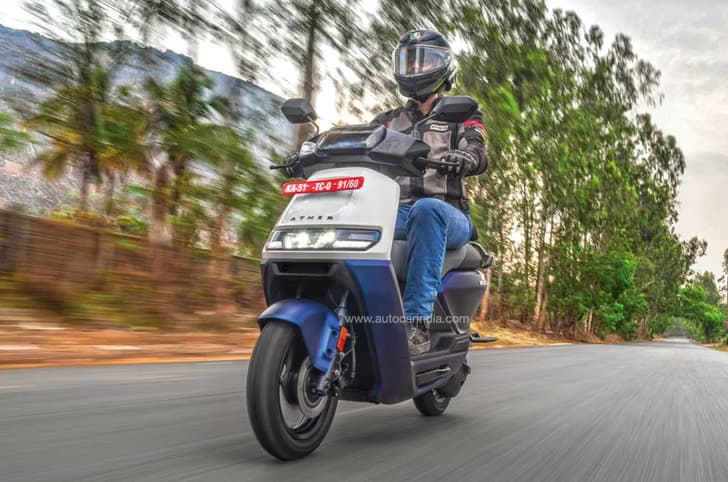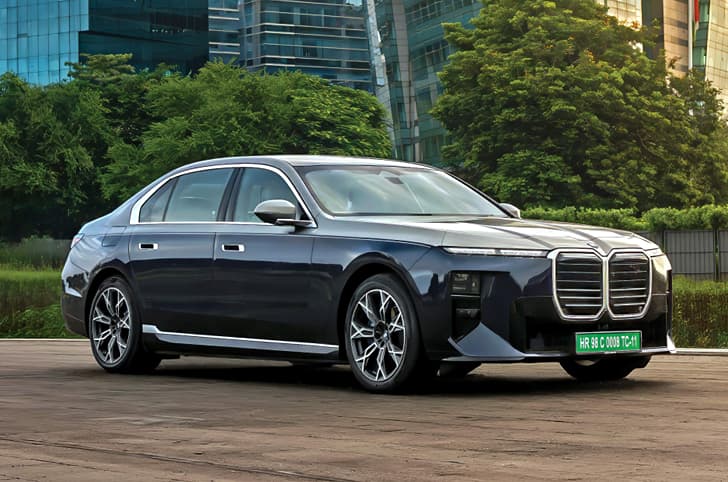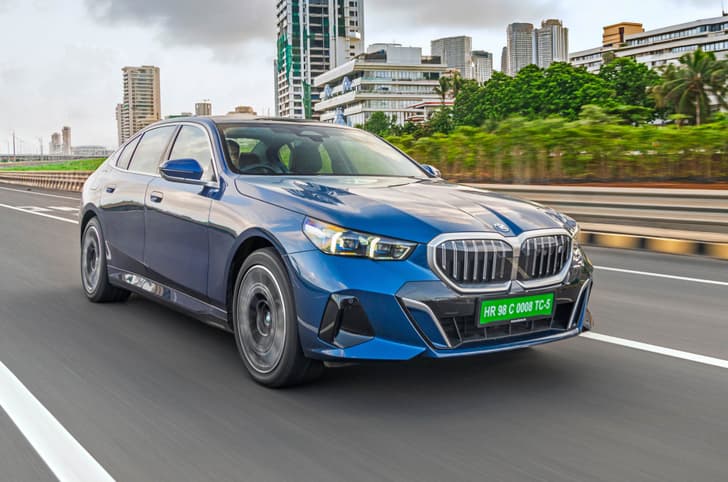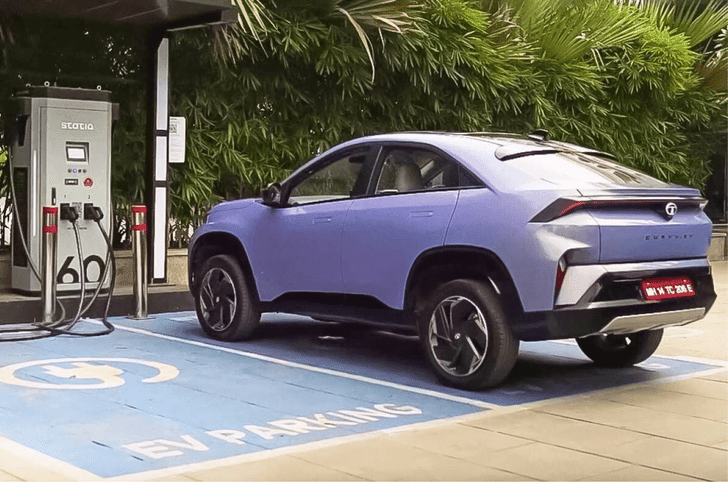
The Delhi EV Policy 2.0 will be implemented from July 1, 2026, and will remain in effect till March 31, 2030, chief minister Rekha Gupta announced. No incentives will be on offer for strong hybrid vehicles, although the April 2026 draft EV policy had proposed them. Meanwhile, to accelerate the transition towards electric vehicles in the national capital, the government plans to invest around Rs 15,000 crore over the policy’s timeframe.
- Full exemption from road tax, registration charges limited to EVs up to Rs 30 lakh
- Benefit of up to Rs 1 lakh on scrapping BS4 or older vehicles
- No ICE two-wheelers to be registered in Delhi from April 1, 2028
Delhi EV Policy 2.0 key highlights
The Delhi EV Policy 2.0 provides a 100 percent exemption from road tax and registration charges for electric cars priced up to Rs 30 lakh, narrowing the benefit to a limited number of models. Earlier, all EVs were exempt from these charges in Delhi. It also offers purchase incentives of up to Rs 30,000 for electric two-wheelers, up to Rs 50,000 for electric three-wheelers and up to Rs 1 lakh for electric goods vehicles (N1 category).
Another highlight of the policy is a new scrappage benefit, limited to the first 1 lakh eligible applicants. Under this, owners scrapping BS4 or older vehicles can avail incentives ranging from Rs 5,000 to Rs 1 lakh, applicable on the purchase of a new EV priced under Rs 30 lakh, ex-showroom. Moreover, the vehicle must be purchased within six months of receiving the Certificate of Deposit (CoD). All eligible incentives will be transferred directly to beneficiaries’ bank accounts through the direct benefit transfer.
The policy has also introduced a phased timeline for transitioning various types of vehicles to electric. From January 1, 2027, auto-rickshaws and N1 goods carriers will be eligible for registration only if they are electric. The same will apply to two-wheelers from April 1, 2028.
Investments in charging infrastructure, public transport electrification and supporting infrastructure will be made, the Delhi CM said. Detailed allocations for charging infrastructure, incentives and other programmes are expected to be announced in the detailed notification.
 Autocar India News Desk
 Dhruv Dhaka