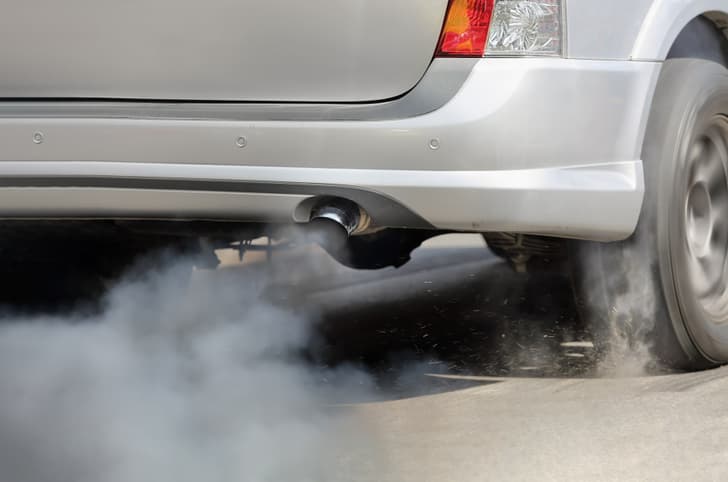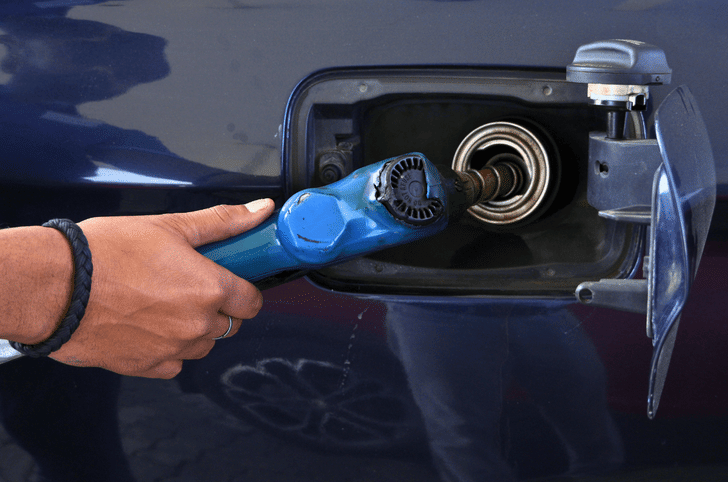
The Indian automobile industry has asked the government to introduce a proper system to check the quality of fuel sold at pumps, according to a report by ET Auto. The request comes after many vehicle owners reported issues such as stalling and difficulty in starting their vehicles following the wider rollout of E20 fuel, it stated further.
Industry executives have clarified that E20 itself is not the problem, provided the vehicle is designed to run on it. Instead, they believe contaminated or adulterated fuel is causing these issues. Fuel pump owners have also raised concerns about contaminated fuel.
Hygroscopic nature of ethanol can cause contamination
As per the publication, investigations into customer complaints have found elevated levels of moisture and chloride in some fuel samples. One reason behind this is that ethanol has a tendency to absorb water. Since the existing underground storage tanks and fuel pipelines were originally built for regular petrol, high ethanol blends can cause issues. Water can also enter these tanks through rainwater, moisture, condensation or even fuel tankers supplying petrol.
If the water content in an underground fuel tank rises above 0.5 percent, the ethanol mixes with the water and separates from the petrol. This process, known as phase separation, leaves a layer of petrol on top and a water-ethanol mixture at the bottom. Vehicles that receive fuel from the lower part of the tank may end up with this water-rich mixture instead of E20 fuel.
The report also notes that storage tanks and pipelines made of mild steel are more likely to corrode if not upgraded for higher ethanol blends.
Industry wants an independent fuel-testing body
On condition of anonymity, a senior industry executive told the publication, “The maker cannot be the checker. At present, oil marketing companies (OMCs) check the quality of fuel being dispensed at pumps. An independent body needs to be made responsible to examine whether the fuel being retailed meets the specifications outlined by the Bureau of Indian Standards or BIS (the national body responsible for the standardisation, marking and quality certification of goods).”
According to BIS guidelines, E20 fuel should not contain added detergents, dispersants, silicone, chlorine-based additives or metallic additives.
Another industry executive explained, “The quantum of ethanol being blended in petrol has doubled to 11 billion litres in the last two years. But while the ratio of ethanol in the fuel has increased, the infrastructure remains the same. Trucks which were used in alternate applications are carrying E20 fuel; depots and fuel storage tanks at petrol pumps have not been upgraded. Therefore, the instances of fuel contamination.”


 Dhruv Dhaka


 Uday Singh