Last Updated on: 10 Jun 2026
McLaren Artura Expert Review
McLaren Artura pros and cons
We like
Performance
Handling
We don't like
Service network
Expensive
McLaren Artura expert review
8
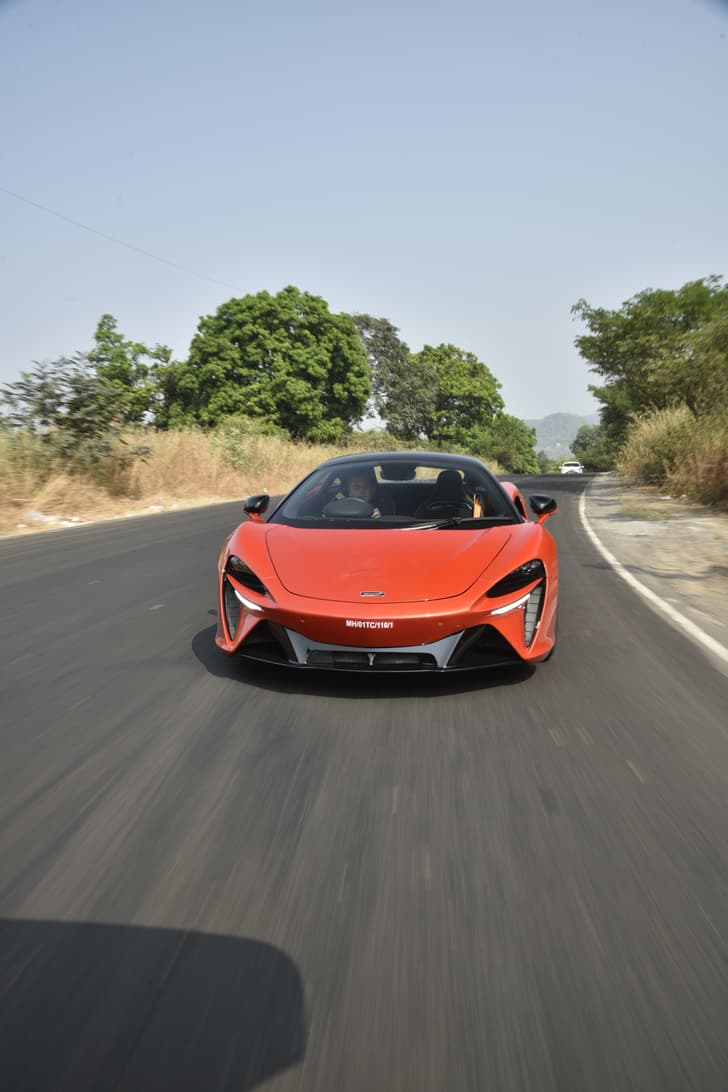
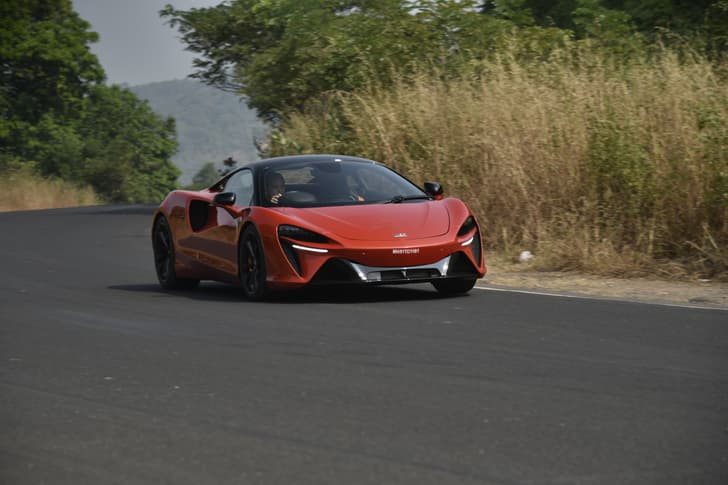
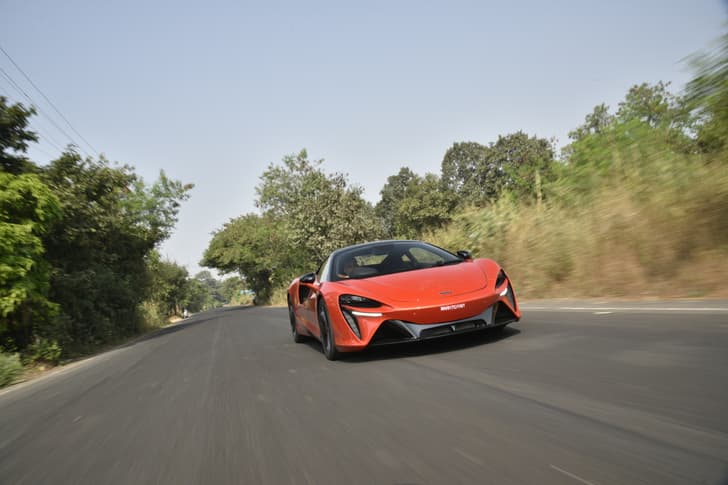
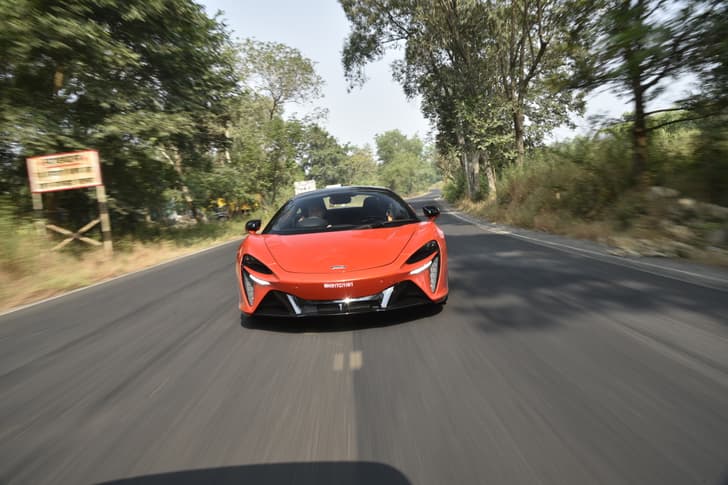
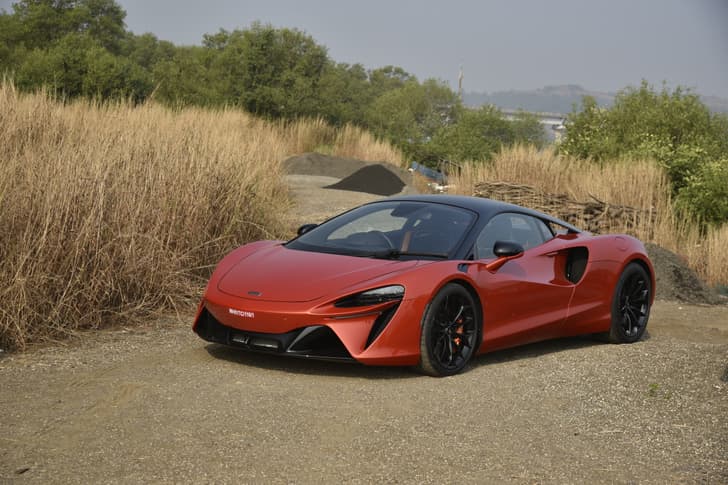
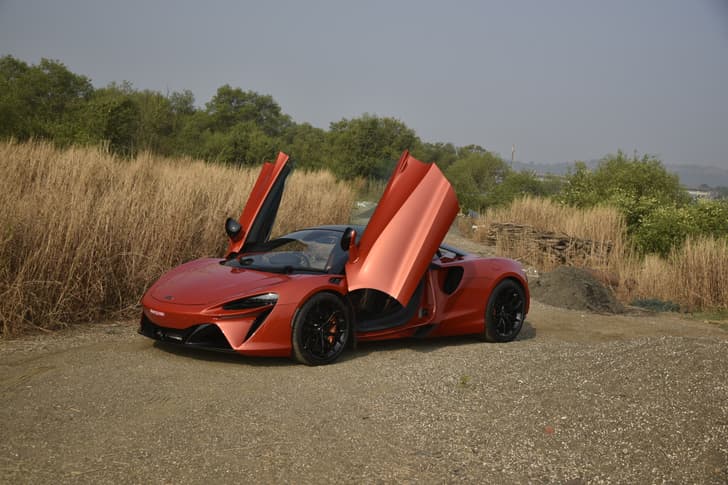
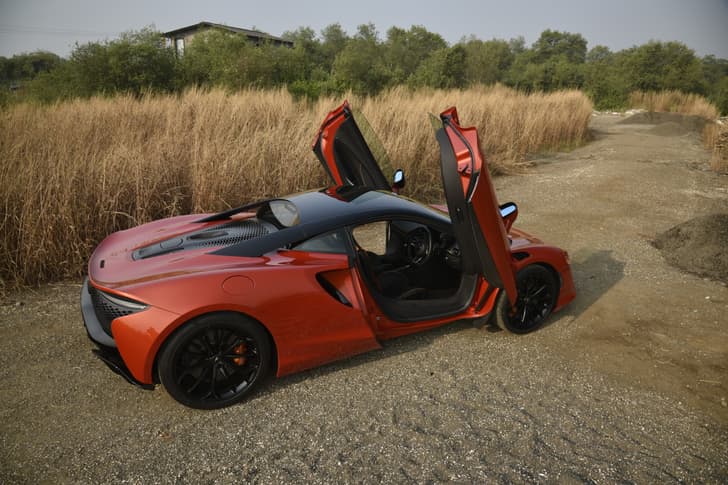
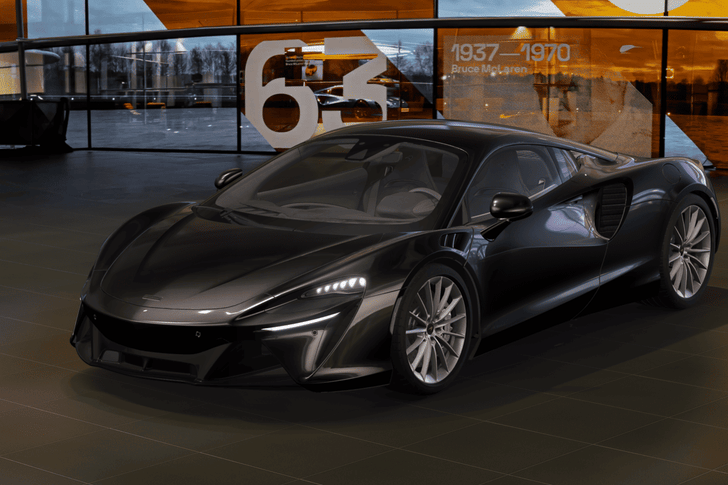
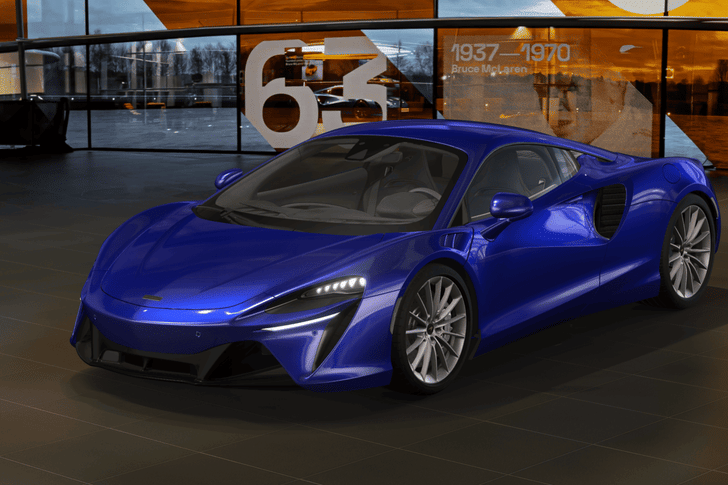
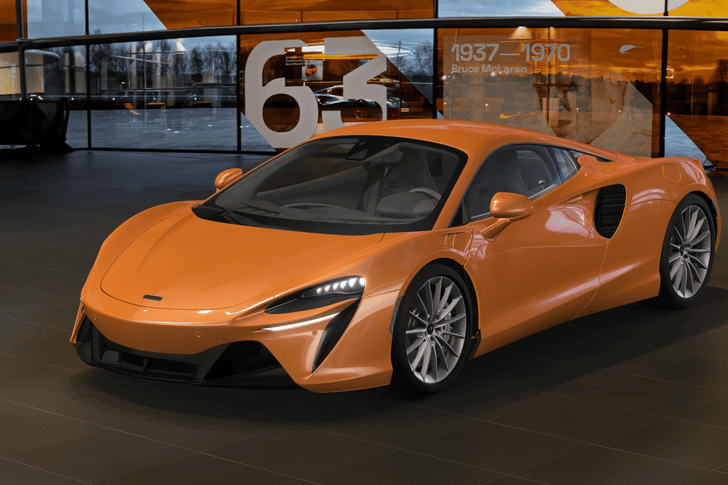
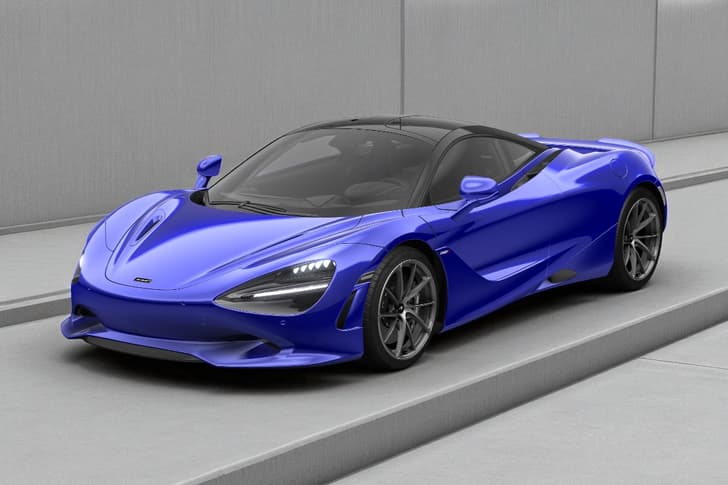
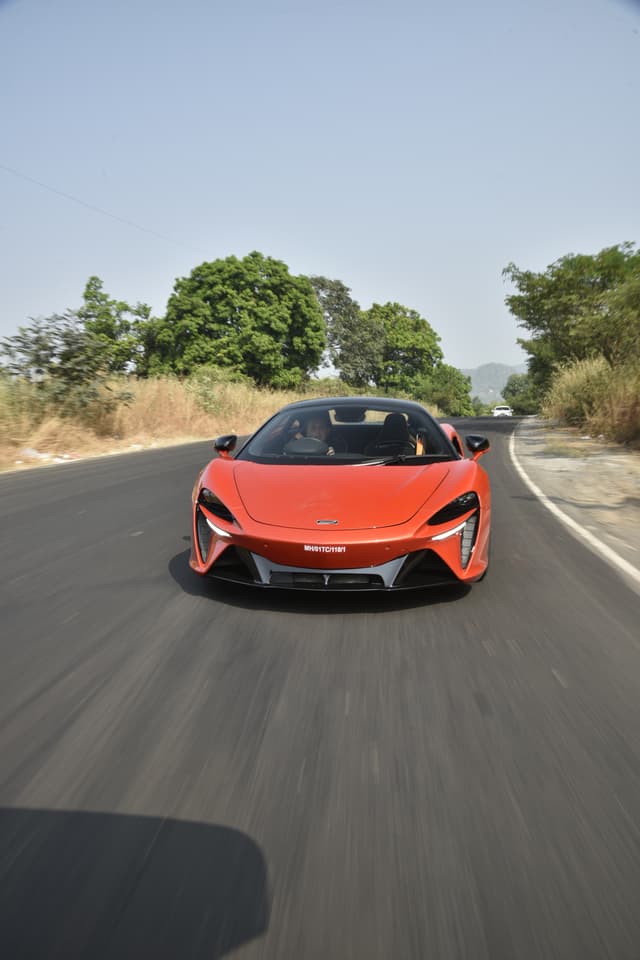
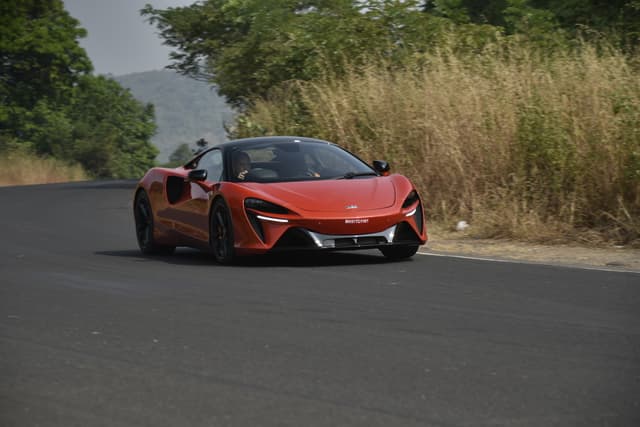
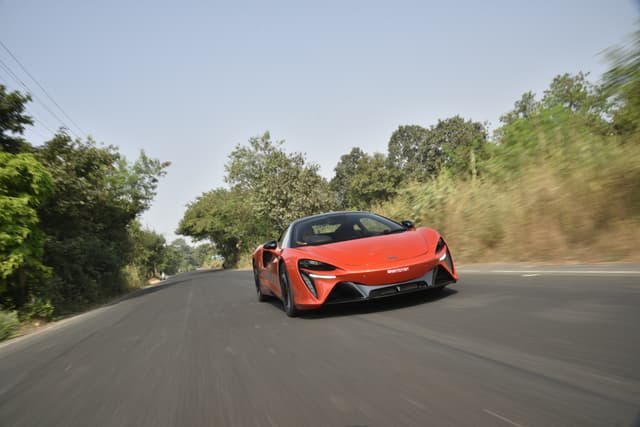
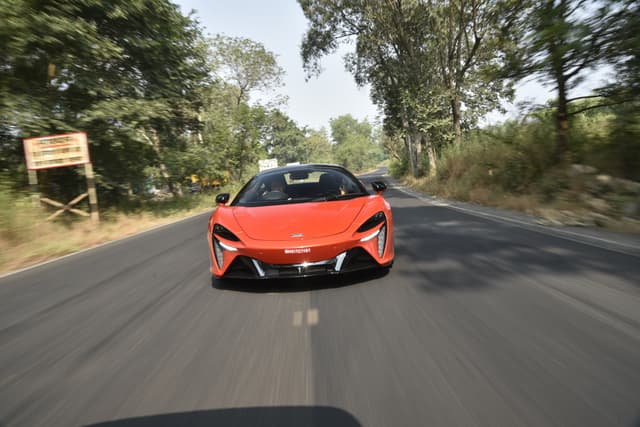
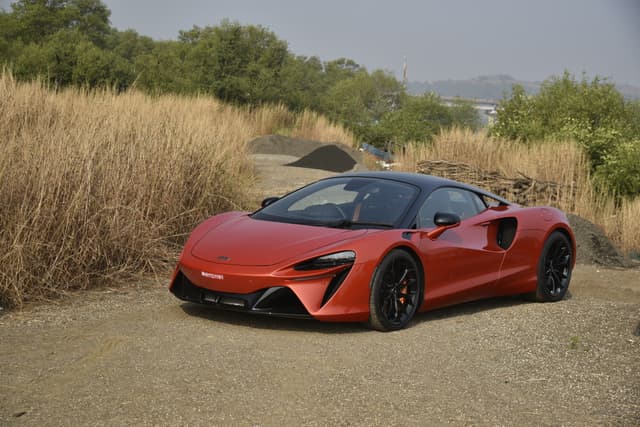
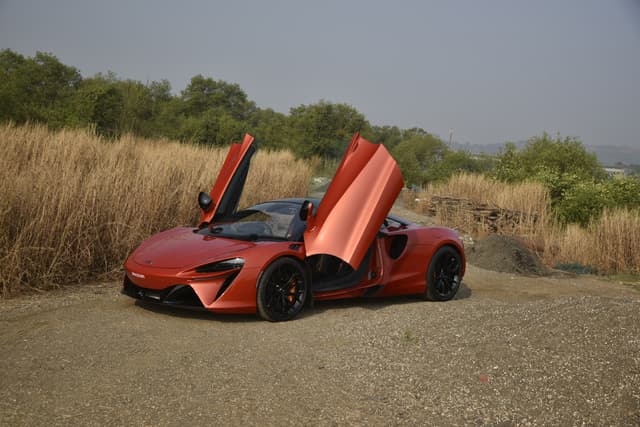
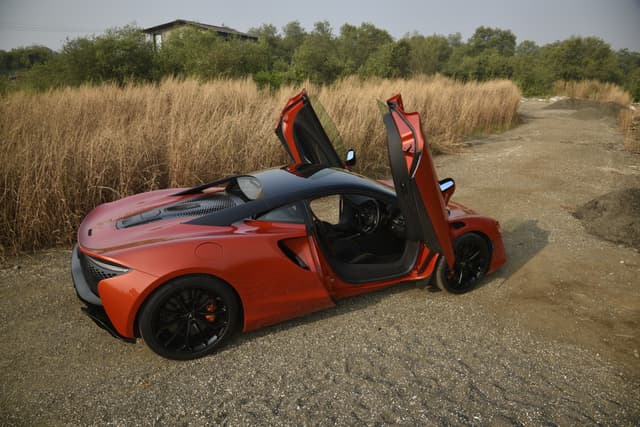
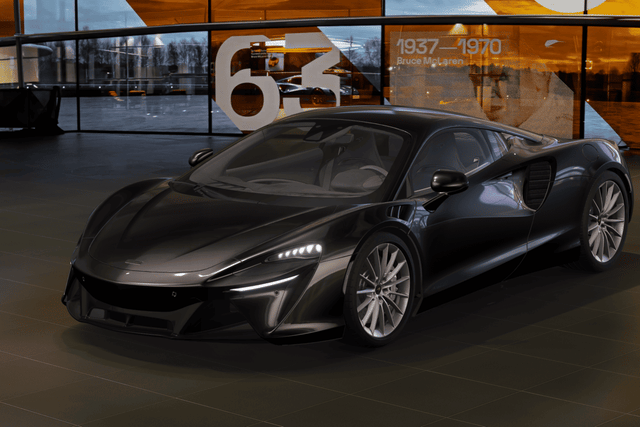
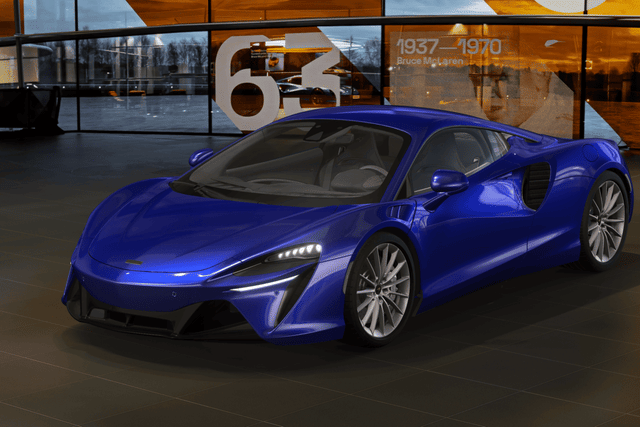
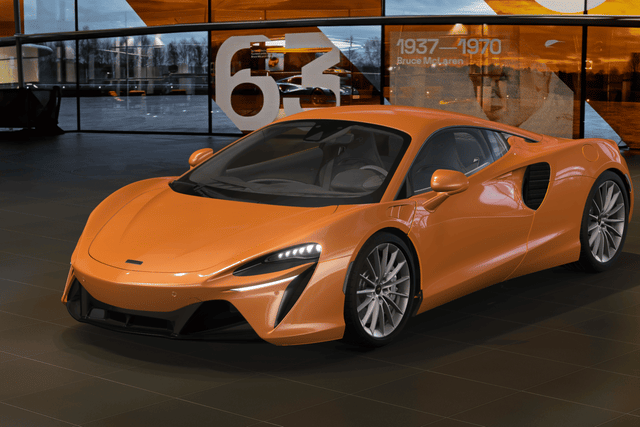
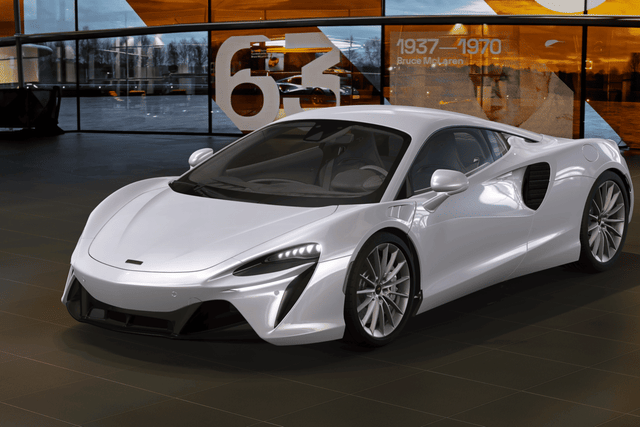
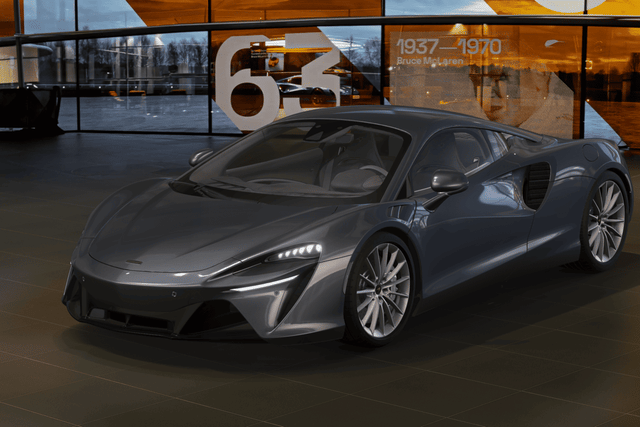
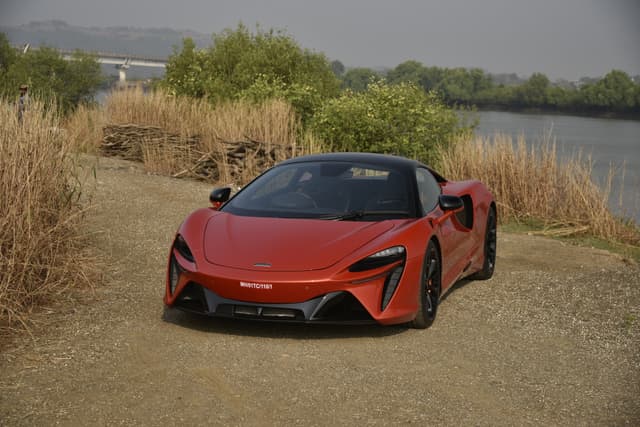
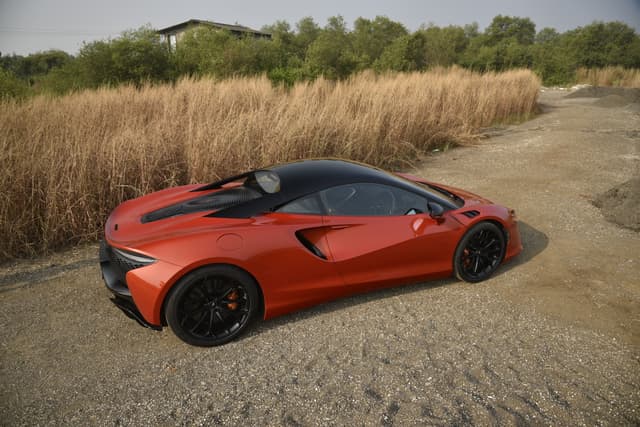
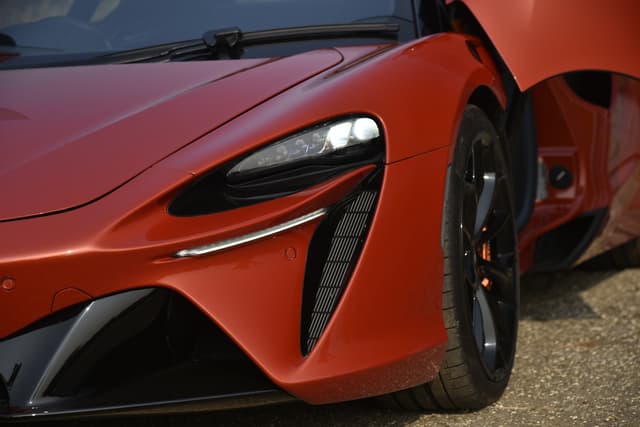
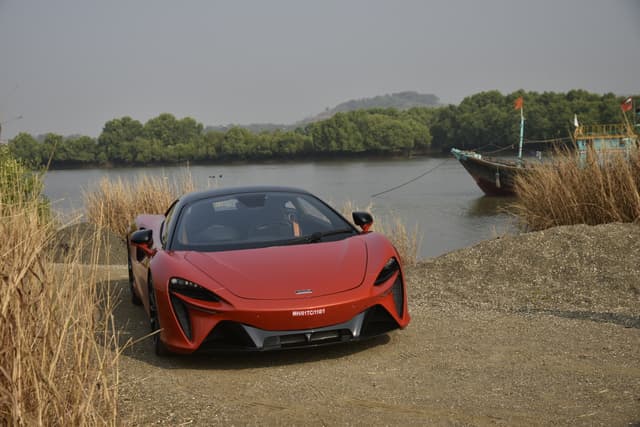
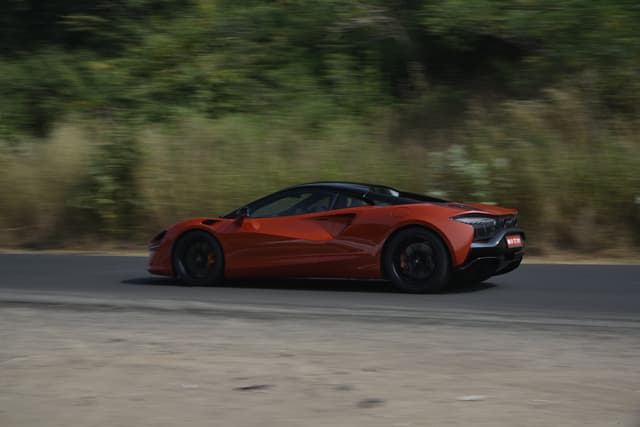
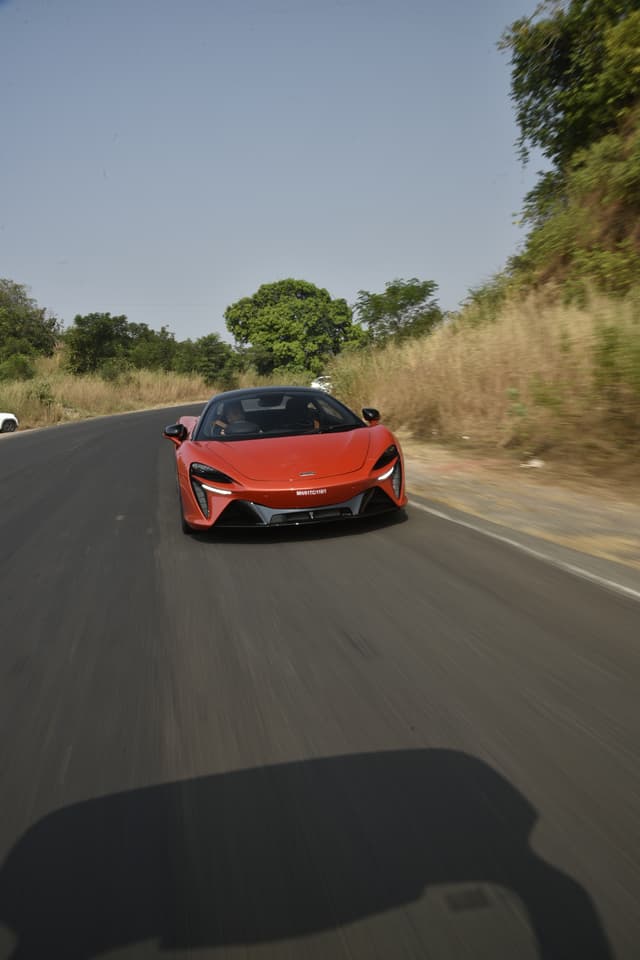
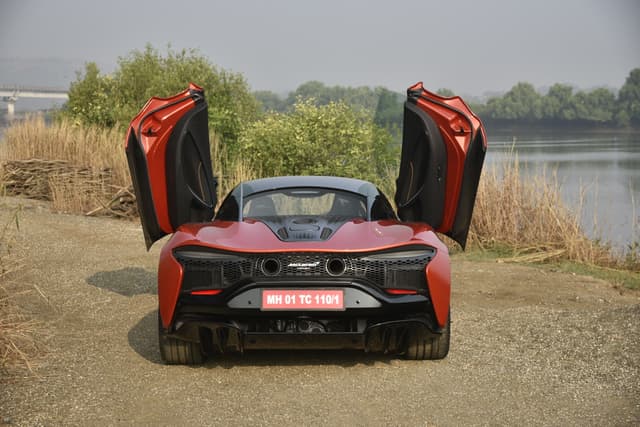
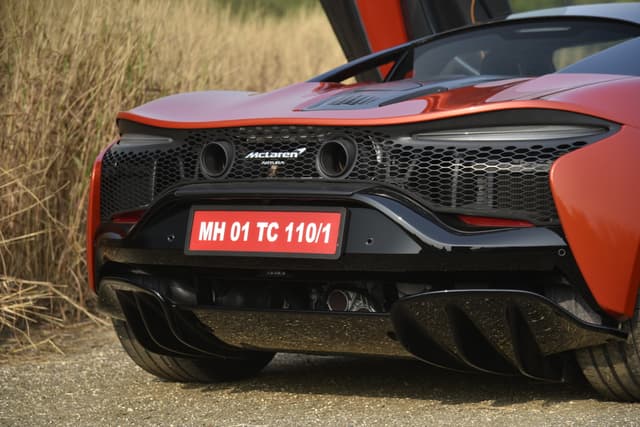
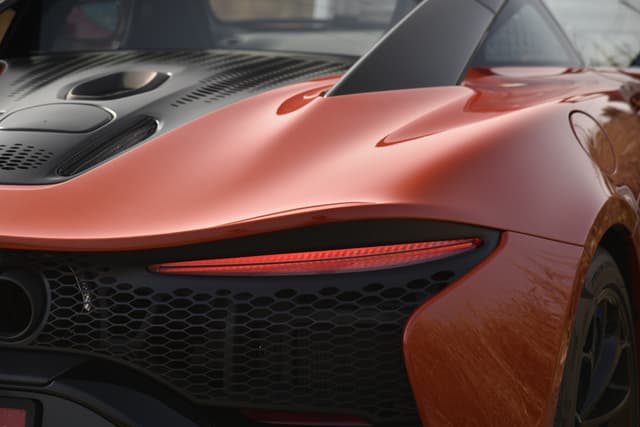
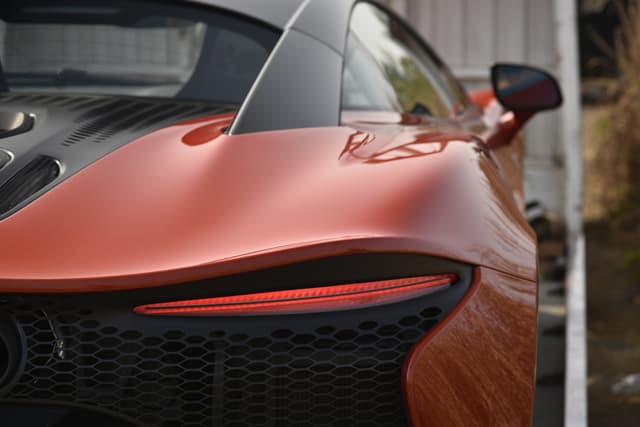
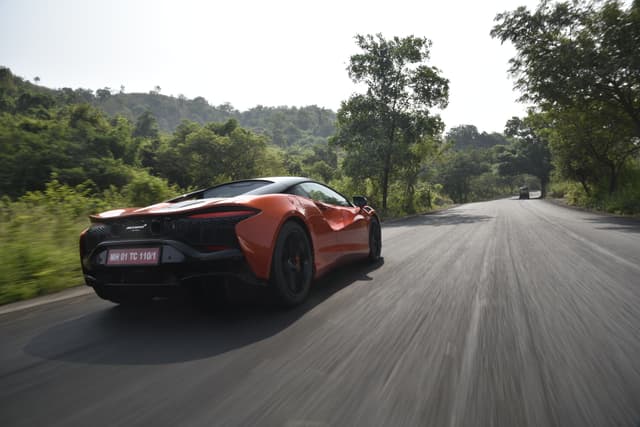
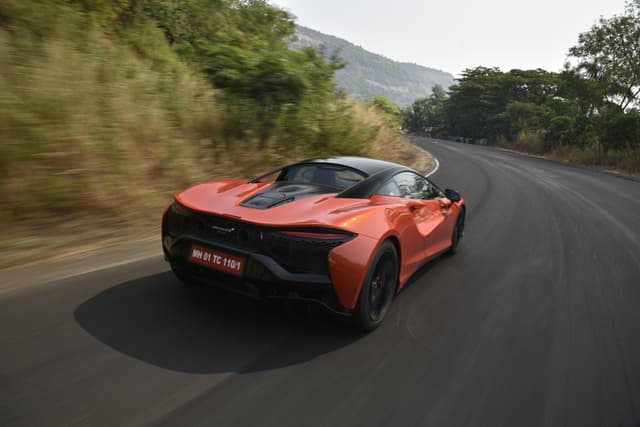
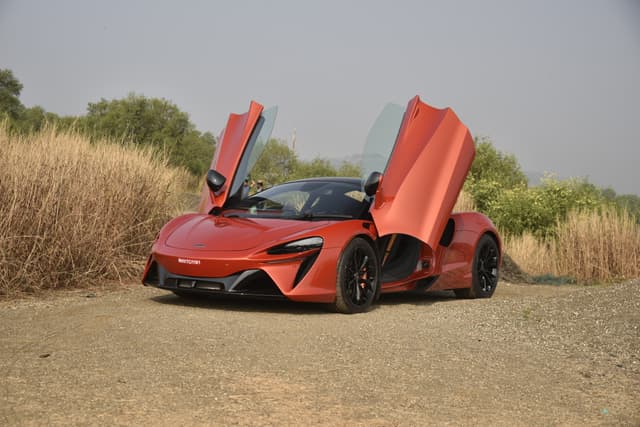
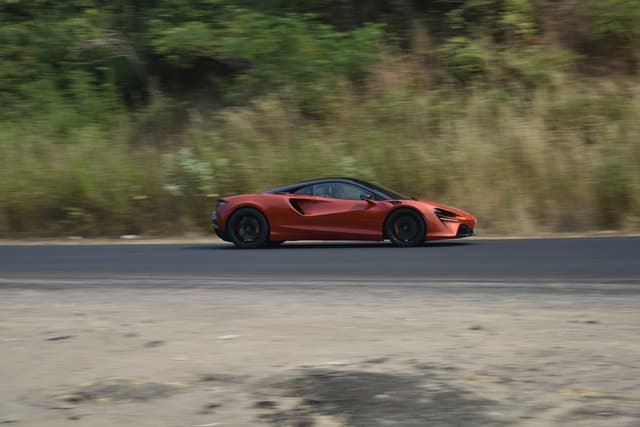
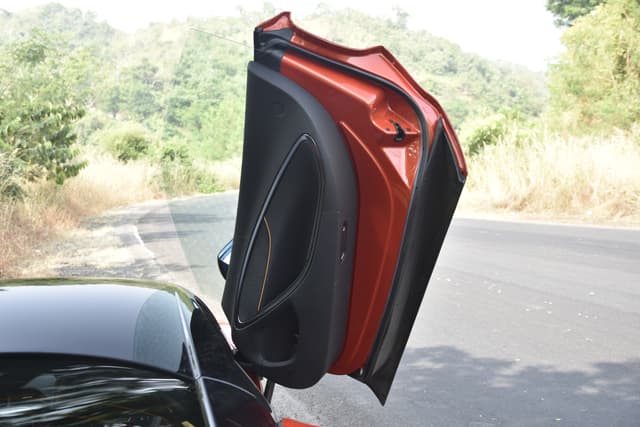
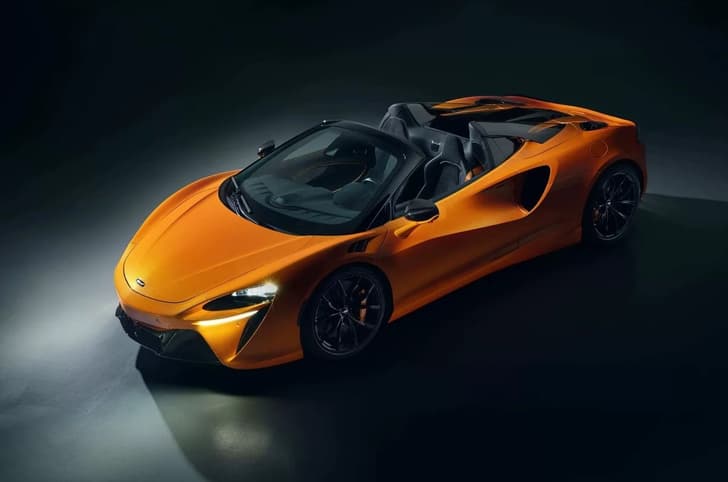
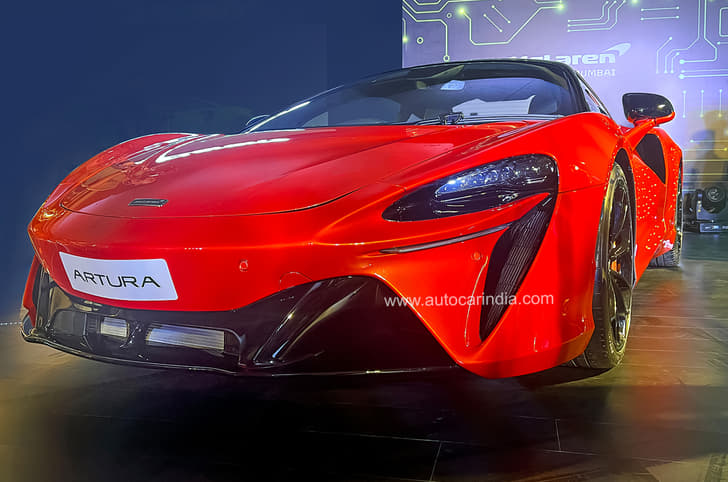
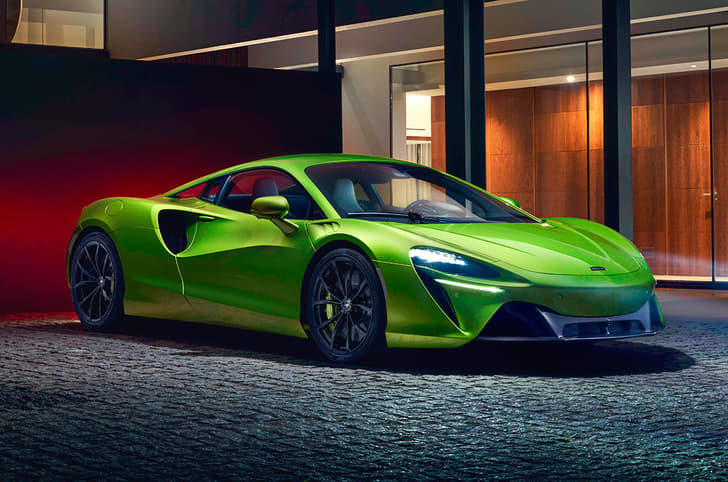
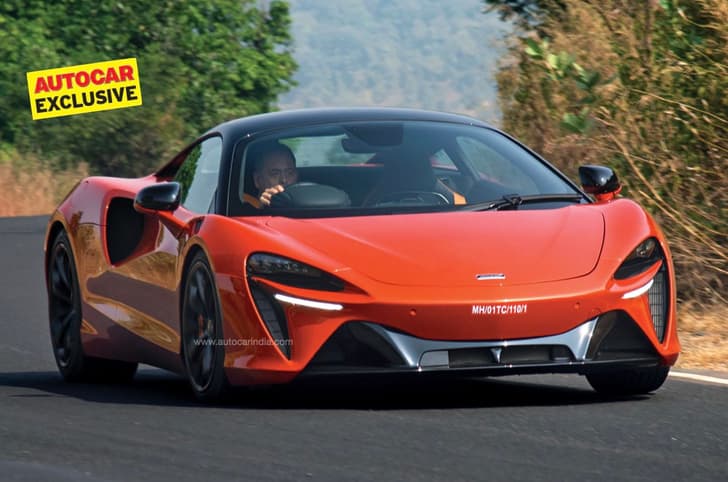
Visually, the Artura looks unmistakably McLaren, with its low nose, sculpted flanks and dramatic dihedral doors. However, compared to more aggressive McLarens like the 750S, the design is cleaner and more restrained. The compact proportions and tightly packaged bodywork give it a lean, functional appearance rather than exaggerated supercar drama.
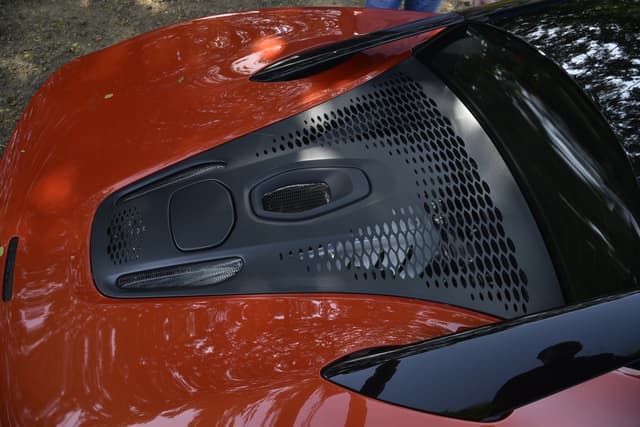
Underneath sits McLaren’s new MCLA carbon-fibre architecture, developed specifically for hybrid powertrains. The Artura combines a 120-degree twin-turbo V6, an electric motor and a 7.4kWh battery pack, while still keeping weight to around 1.5 tonnes, impressive for a plug-in hybrid supercar.
7
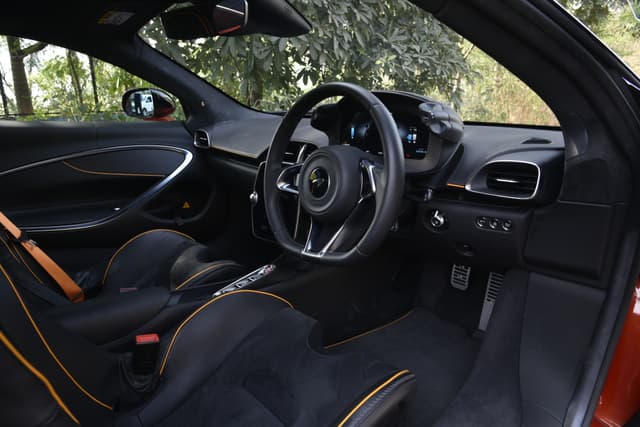
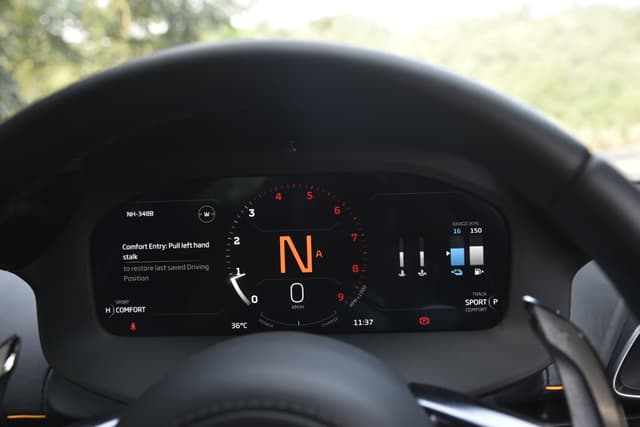
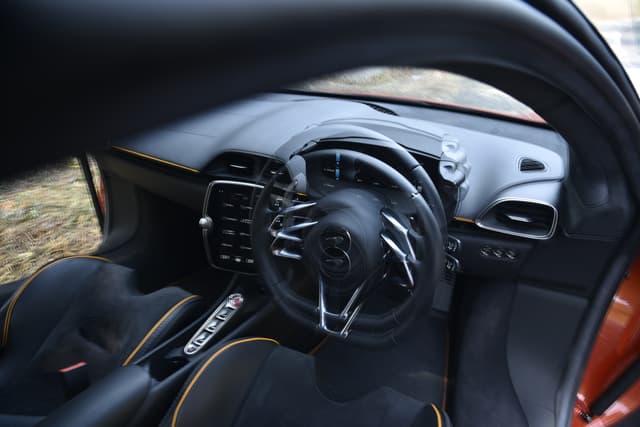
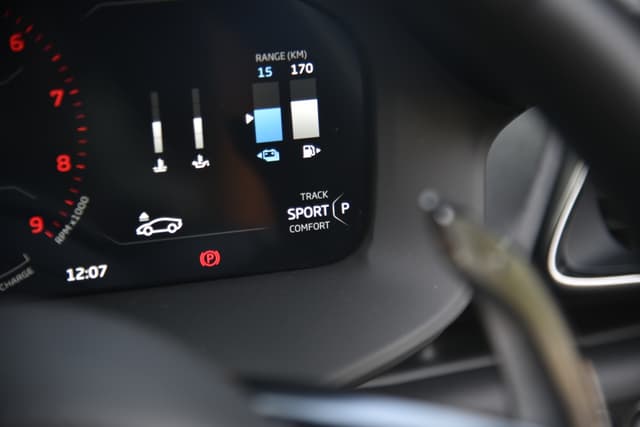
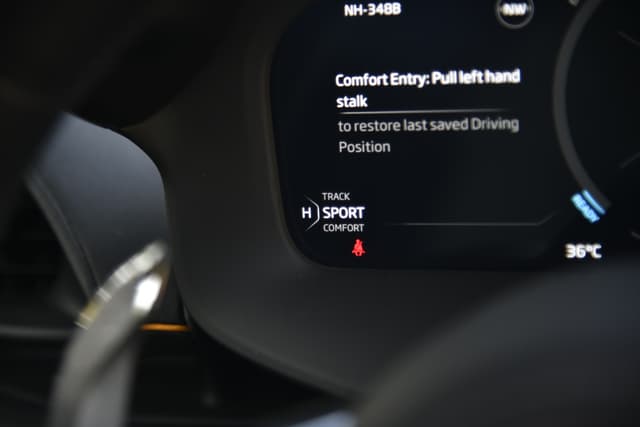
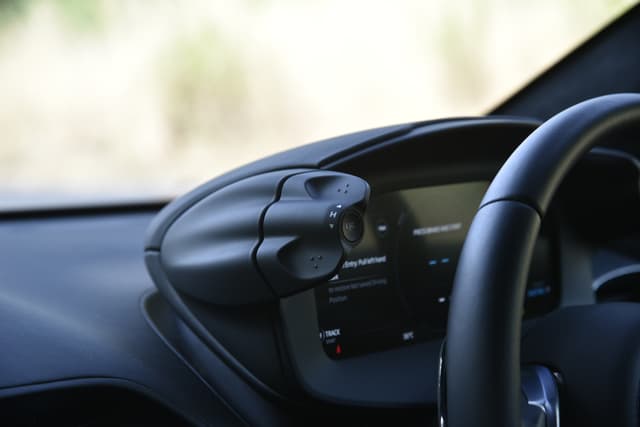
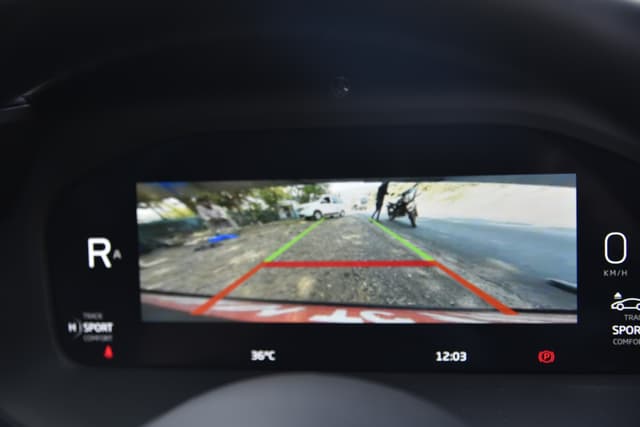
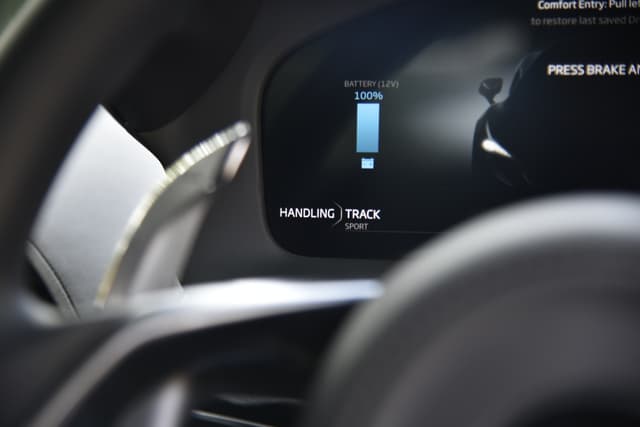
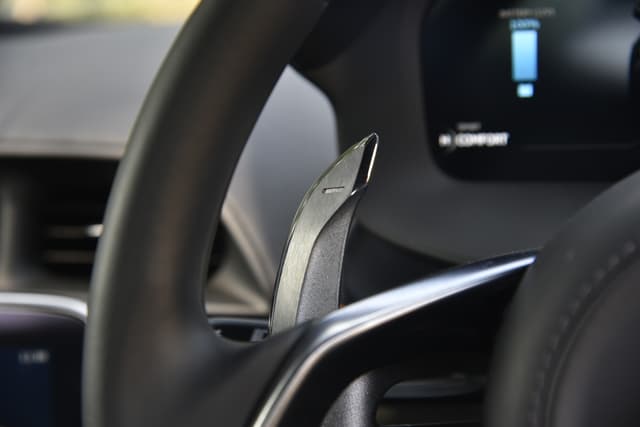
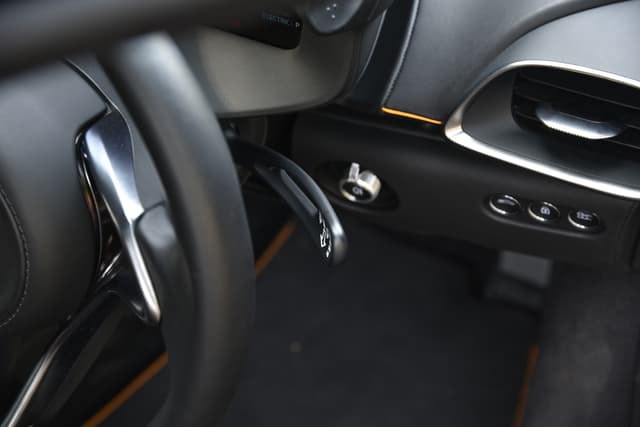
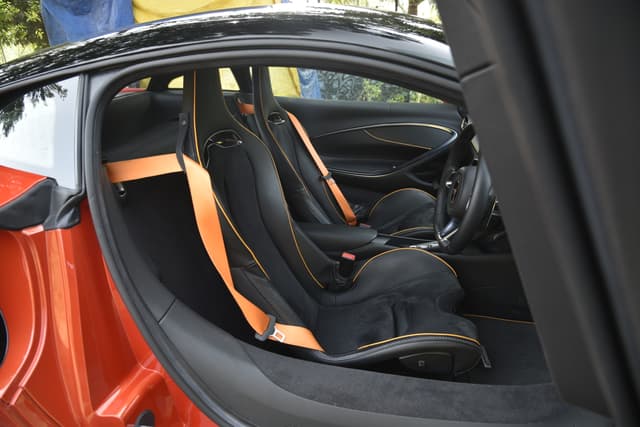
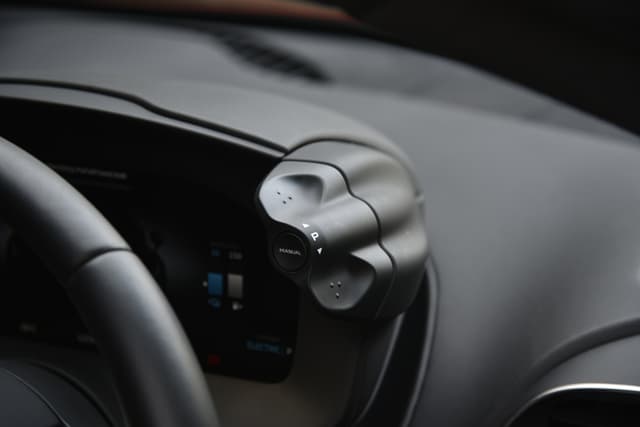
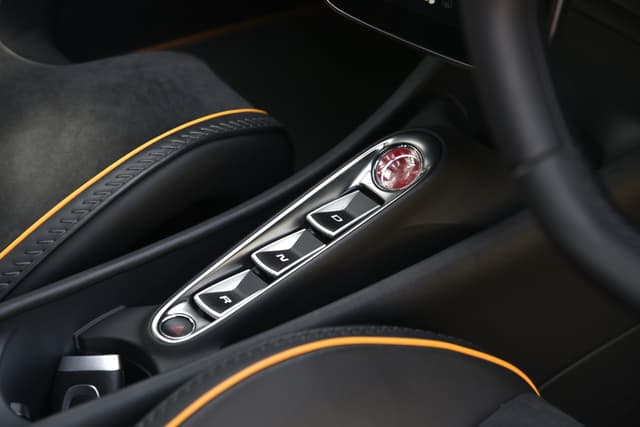
Inside, the Artura follows McLaren’s minimalist philosophy. The cabin is compact and driver-focused, with slim pillars and excellent visibility making it feel surprisingly airy for a mid-engined supercar. The digital instrument cluster moves with the steering column, ensuring visibility remains consistent regardless of steering position. Physical controls for drive and handling modes mounted beside the cluster also improve usability while driving hard. Seat comfort is impressive, and the cabin feels less intimidating than many exotic rivals. On the storage front, space remains predictably limited.
8
The Artura’s hybrid setup combines a 3.0-litre twin-turbo V6 with an electric motor to produce a combined 680hp and 720Nm. Power is sent to the rear wheels through an 8-speed dual-clutch gearbox. Performance is ferocious. McLaren claims 0–100kph in 3.0 seconds and 0–200kph in 8.3 seconds.
What stands out most is the immediacy of the response. The electric motor fills in torque instantly, eliminating lag and making acceleration feel relentless. The Artura reacts sharply to inputs given. However, the V6 soundtrack is less emotional than McLaren’s older V8s. While it sounds purposeful and aggressive, it lacks the aural drama expected from an exotic supercar.
Refinement, meanwhile, is excellent. In EV mode, the Artura moves silently and smoothly through traffic, making it surprisingly civilised at low speeds.
7
The 7.4kWh battery supports limited electric-only driving, helping improve urban usability and reducing emissions during slower driving conditions. Efficiency is clearly secondary to performance, but the hybrid system adds flexibility without significantly compromising weight or responsiveness.
9
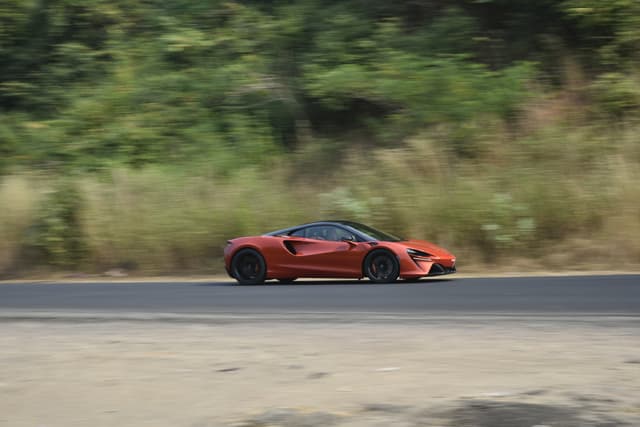
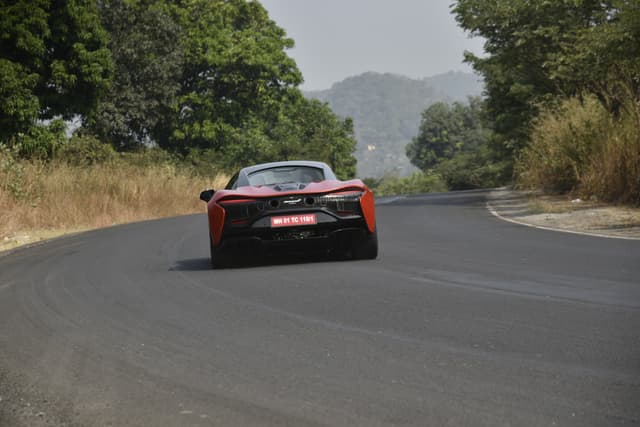
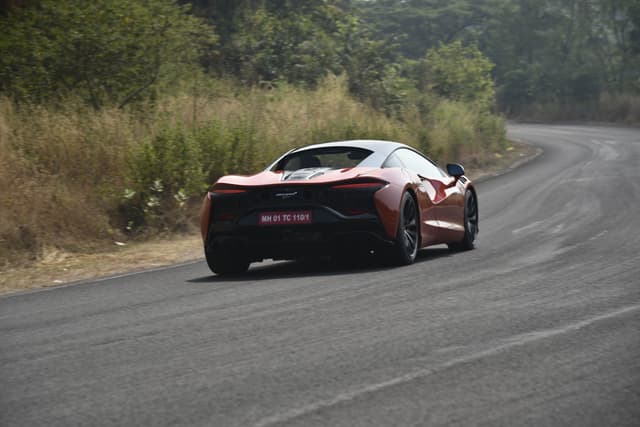
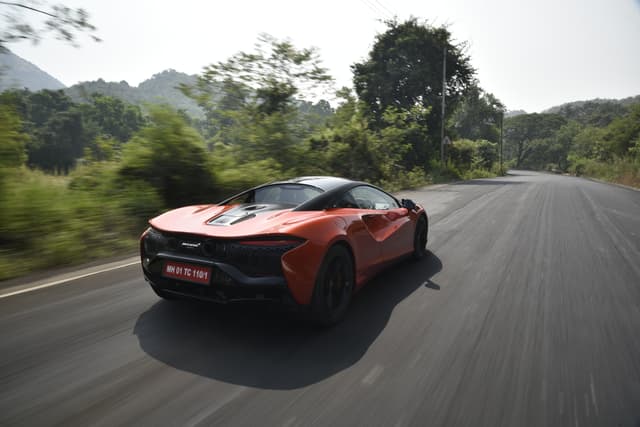
Handling remains the Artura’s defining strength. The hydraulic steering is packed with feel and precision, delivering the kind of communication increasingly absent in modern performance cars. The chassis feels incredibly agile and connected, with outstanding body control and immense grip levels. Despite the hybrid hardware, the Artura still behaves like a lightweight McLaren, changing direction sharply and inspiring huge confidence through corners.
Ride quality is another surprise. Even on imperfect roads, the suspension remains compliant enough to make the Artura genuinely usable outside racetracks.
8
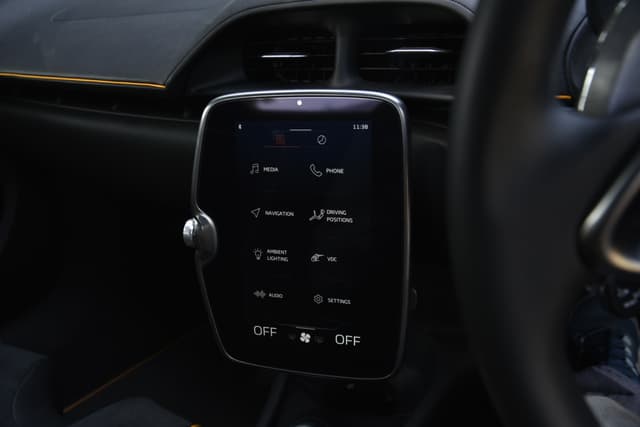
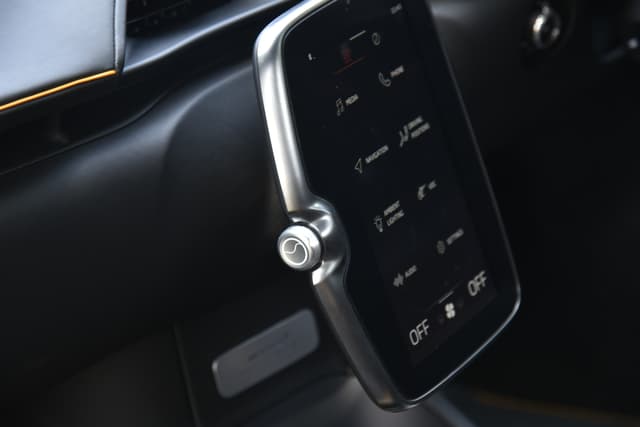
The Artura gets a vertically mounted touchscreen infotainment system, digital instrumentation, multiple drive modes and advanced hybrid management systems.
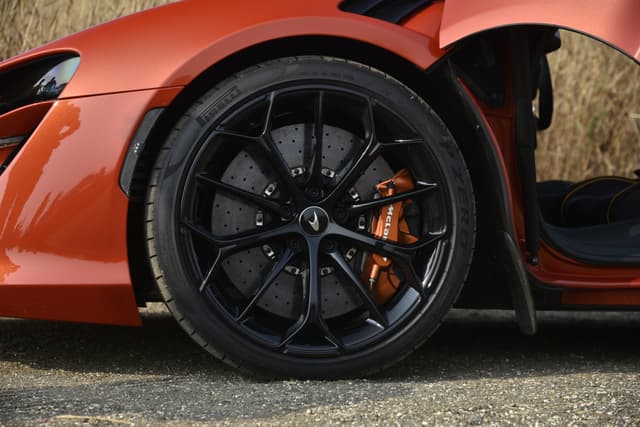
Safety equipment includes stability systems, carbon-ceramic brakes and McLaren’s advanced electronic chassis controls.
7
Priced at around Rs 5.1 crore (ex-showroom), the Artura competes directly with cars like the Ferrari 296 GTB. Objectively, it lacks some of the Ferrari’s emotional drama and theatre. But the Artura counters with extraordinary steering feel, lightweight agility and a uniquely approachable nature for a hybrid supercar.
Reviewed by: Shapur Kotwal
McLaren Artura reviews