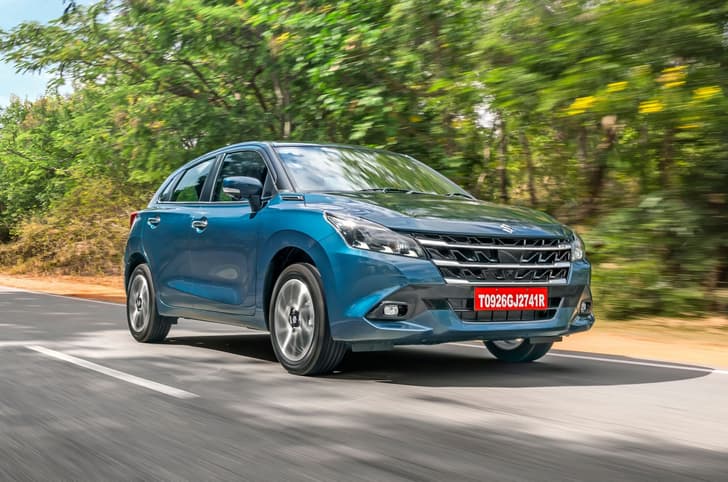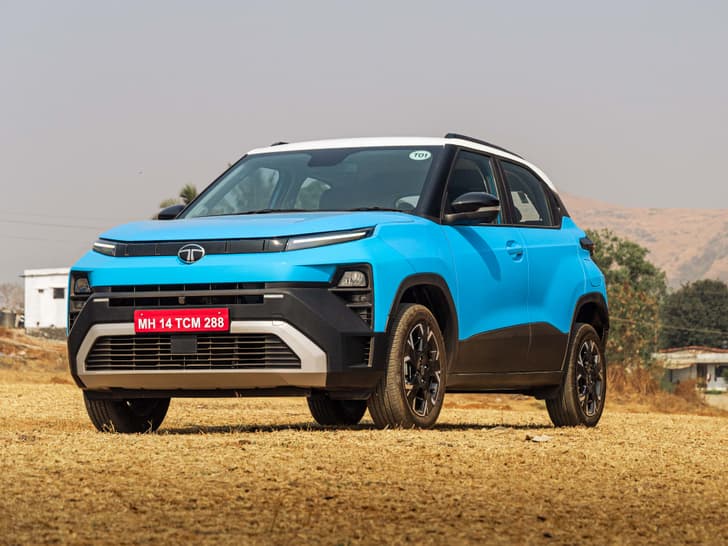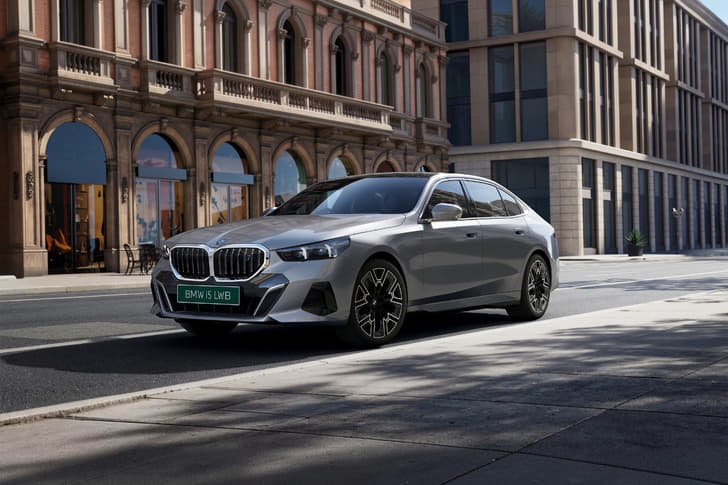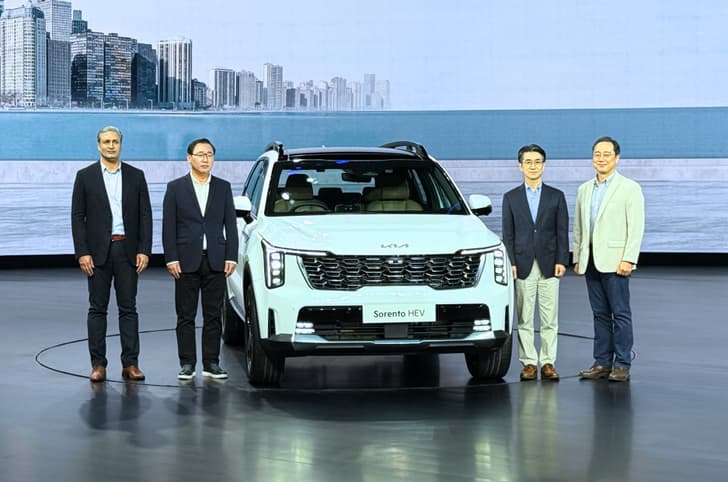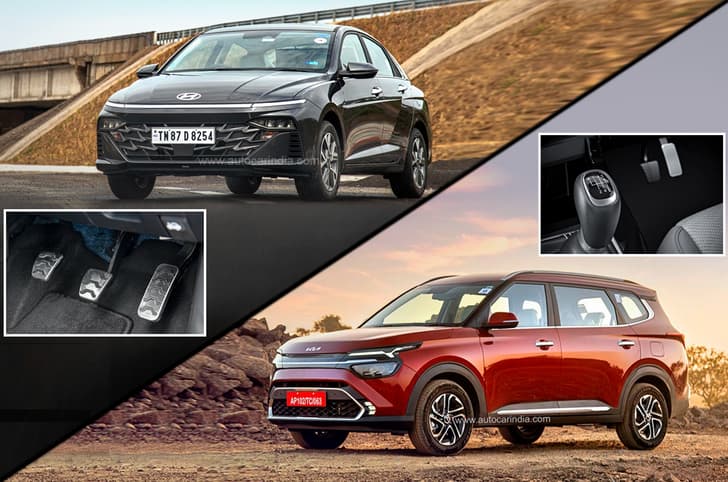
Hyundai and Kia have both moved to a new-generation 160hp, 1.5-litre direct-injection turbo petrol engine for their midsize offerings, both to meet new Real Driving Emissions (RDE) norms and serve up a bit more performance. However, the rival Korean brands have chosen different gearbox strategies – one moving back to the classic manual gearbox, and the other sticking to the newer iMT semi-auto gearbox.
- New 1.5 Turbo produces 160hp, 253Nm
- 1.5 Turbo offered on Verna, Alcazar, but not Creta
- Carens sole Kia model to use 1.5 Turbo for now
Hyundai Verna 1.5 Turbo MT to appeal to enthusiasts
The new Hyundai Verna was a strong show of commitment to the midsize sedan segment from the Korean carmaker, and in a bid to move it further upmarket, the introduction of a more powerful turbo petrol engine was essential. Sources in the company even admit that the success of the Volkswagen Virtus and Skoda Slavia’s 150hp, 1.5 TSI gave them confidence that there was a market for such a thing. The previous Verna was offered with a turbo-petrol engine in its latter years, but that was the 120hp, 1.0-litre from the Venue.
The new 160hp, 1.5 T-GDi engine has been introduced in the Verna and the Alcazar, just in time for the implementation of RDE or BS6 Phase 2 norms that kicked in on April 1, 2023. In the Alcazar, the intention was to replace the ageing 2.0 MPI naturally aspirated engine with this lighter, torquier, more-efficient engine. Being heavily localised, it’s also cheaper than the imported 2.0 MPI.
In the Verna, however, the introduction was intended more to offer a stronger powertrain option in the absence of a diesel. And to offer more variety, the new engine is offered with both a 7-speed DCT automatic and a 6-speed manual. We are told the reason behind choosing the manual and not the iMT in this case was to appease driving enthusiasts, who prefer the three-pedal layout for the greater modulation and control it offers.
Kia Carens adopts 1.5 Turbo with iMT gearbox
Sister brand and rival Kia, however, doesn’t have a midsize sedan in its India line-up. As a result, the new 1.5 T-GDi has only been introduced in one model – the Carens MPV. Here, it serves as a direct replacement for the 1.4 T-GDi that was available earlier, offering better power and torque.
While Kia does offer the 7-speed DCT option with the Carens 1.5 T-GDi, it has chosen to offer a 6-speed iMT rather than a manual, stating that its customers prefer the convenience it offers. “Our deep research and customer feedback showcase how India loves a clutch-free thrilling driving experience that allows them to navigate the growing traffic on the roads without restricting their long commutes to work or leisurely vacations,” said Kia India MD & CEO Tae Jin Park in a media release. “With iMT, Kia customers will now be able to enjoy the comfort of an automatic with the drivability of a manual transmission.”
The iMT is essentially a manual gearbox without a clutch pedal, where sensors and actuators engage and disengage the clutch for the driver, in a much more cost-effective way than a full-fledged automatic gearbox or even an AMT. Kia and Hyundai offer this gearbox on several other models and engines in their respective ranges.
Hyundai Creta, Kia Seltos no longer get turbo petrol option
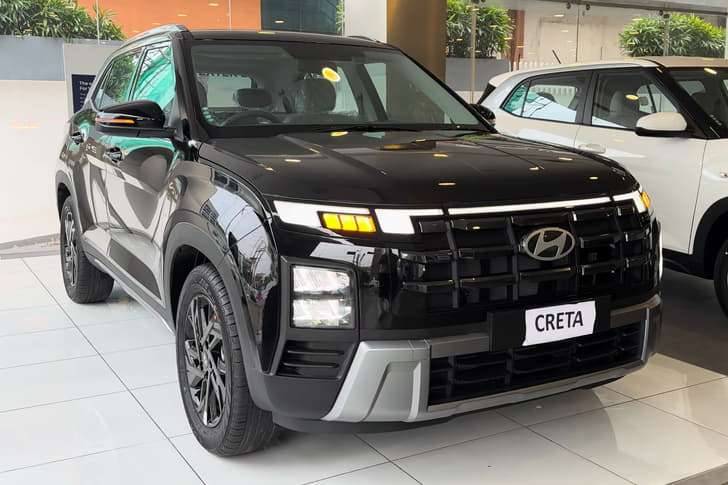
Curiously, the Seltos and Creta, which first introduced turbo-petrols to the midsize SUV segment that’s now dominated by such engines, did not upgrade to the new 1.5 T-GDi along with the rest of their stablemates. In fact, they don’t even get their old 1.4 T-GDi option, leaving just the 1.5 MPI and the 1.5 diesel. There’s no official word on why this is, but in Hyundai’s case, it could be a way to separate the Creta from its more expensive sibling, the Alcazar, though for the Seltos, it wouldn’t be the same. Still, chances are that the 1.5 Turbo will be introduced to both SUVs’ ranges at a later stage, likely when they get their facelifts, which are due in the next 12 months. Will they get manual or iMT gearboxes? We’ll have to wait and see.
Which do you prefer? A proper manual or the convenience of an iMT? Let us know in the comments below.
 Viraaj Bhatnagar
 Dipan Sur
 Dhruv Dhaka
 Saptarshi Mondal