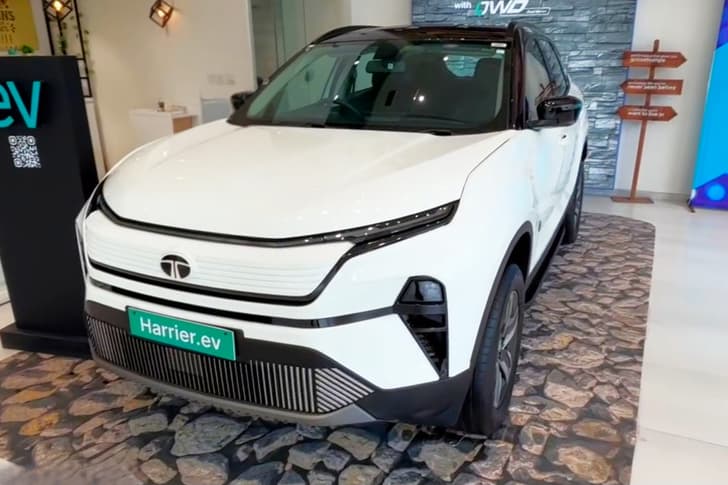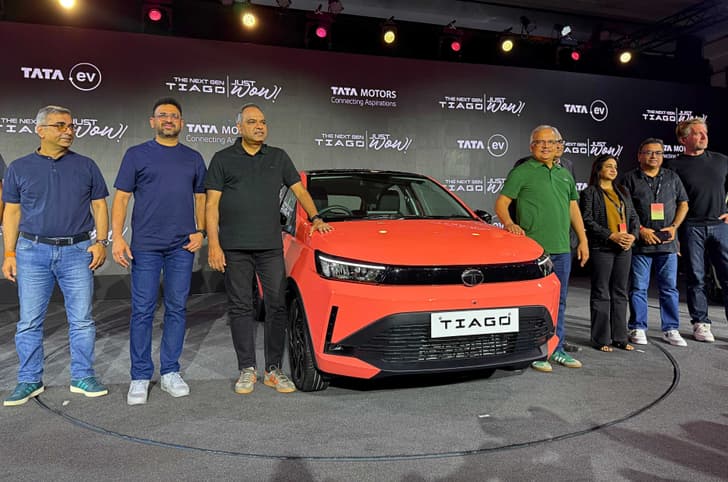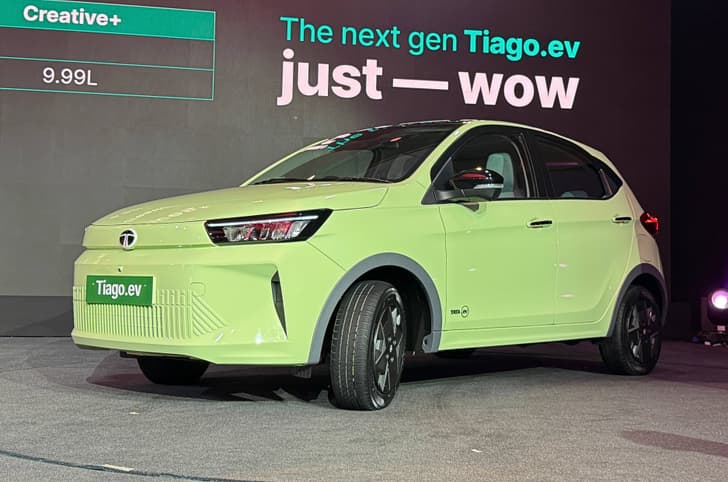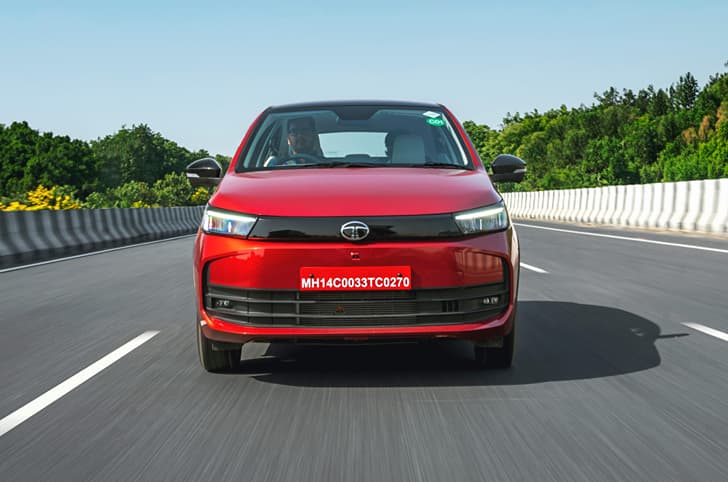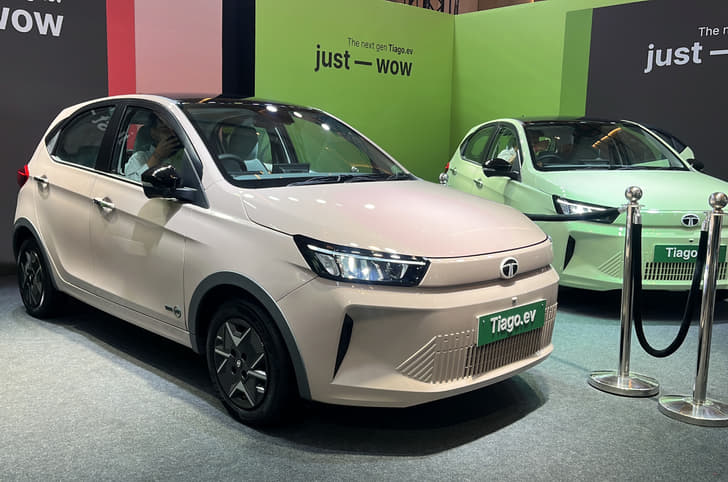
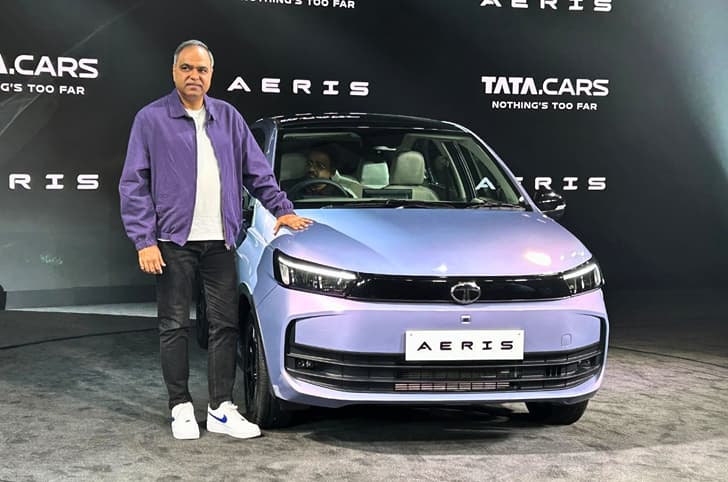
Tata Motors plans to increase electric vehicle (EV) production by around 50 percent over the next three to four months as demand continues to rise. The company currently supplies about 10,000 EVs a month and is targeting output of around 15,000 units, according to Shailesh Chandra, the managing director for Tata Motors Passenger Vehicles and Tata Passenger Electric Mobility.
The planned ramp-up comes amid a sharp increase in EV bookings over the last two months, which the homegrown carmaker partly attributes to rising fuel prices and growing consumer interest in lower running-cost alternatives.
- EVs accounted for nearly 30 percent of Tata’s total bookings in May
- Soaring fuel prices are driving greater interest in EVs and CNG vehicles
Fuel prices and geopolitical uncertainty influencing buyer behaviour
Tata Motors believes the ongoing conflict in West Asia and the resulting concerns around crude oil prices are beginning to influence consumer behaviour. While fuel price hikes in India have been relatively recent, Chandra said buyers are increasingly evaluating the long-term running costs of petrol and diesel vehicles and considering alternatives such as EVs and CNG models.
“Let’s say, for example, if there is a Rs 10 increase in petrol price, typically, people would be filling 100 litres a month. That would mean a Rs 1,000 increase in expenses. And therefore, that definitely disturbs the dynamics of it for an entry buyer,” he said.
Chandra added that while some customers may postpone vehicle purchases, many are more likely to reassess their powertrain choices and shift towards options with lower running costs. He said Tata Motors has already seen a sharp increase in EV demand over the past few months.
“There is a sharp jump in just two months; it is about 2 to 2.5 times what it used to be for EVs. The momentum has intensified further in the last few weeks. People want at least one electric car in their garage,” he said.
While Tata Motors is still assessing how much of the current increase is a short-term reaction and how much could become a longer-term shift, Chandra said the company remains confident about EV adoption.
Share of EVs in total sales constrained more by supply than demand
Chandra said EVs currently make up around 15 percent of Tata Motors’s sales while noting that the share is constrained more by supply than demand. He added that the company remains on track for EVs to account for over 30 percent of volumes within the next three to four years.
“If I just take the example of May, my demand, which I measure in terms of bookings and not enquiries, electric vehicle bookings would be nearly 30 percent of my demand,” Chandra said.
He added that if Tata Motors were able to immediately match supply with demand, EV sales could theoretically double from current levels, although the company is still assessing whether the recent spike represents a temporary reaction to fuel prices or a longer-term shift in consumer behaviour.
Chandra also noted that EVs currently account for about 20 percent of their passenger-vehicle revenue mix.
Tata plans to increase EV production
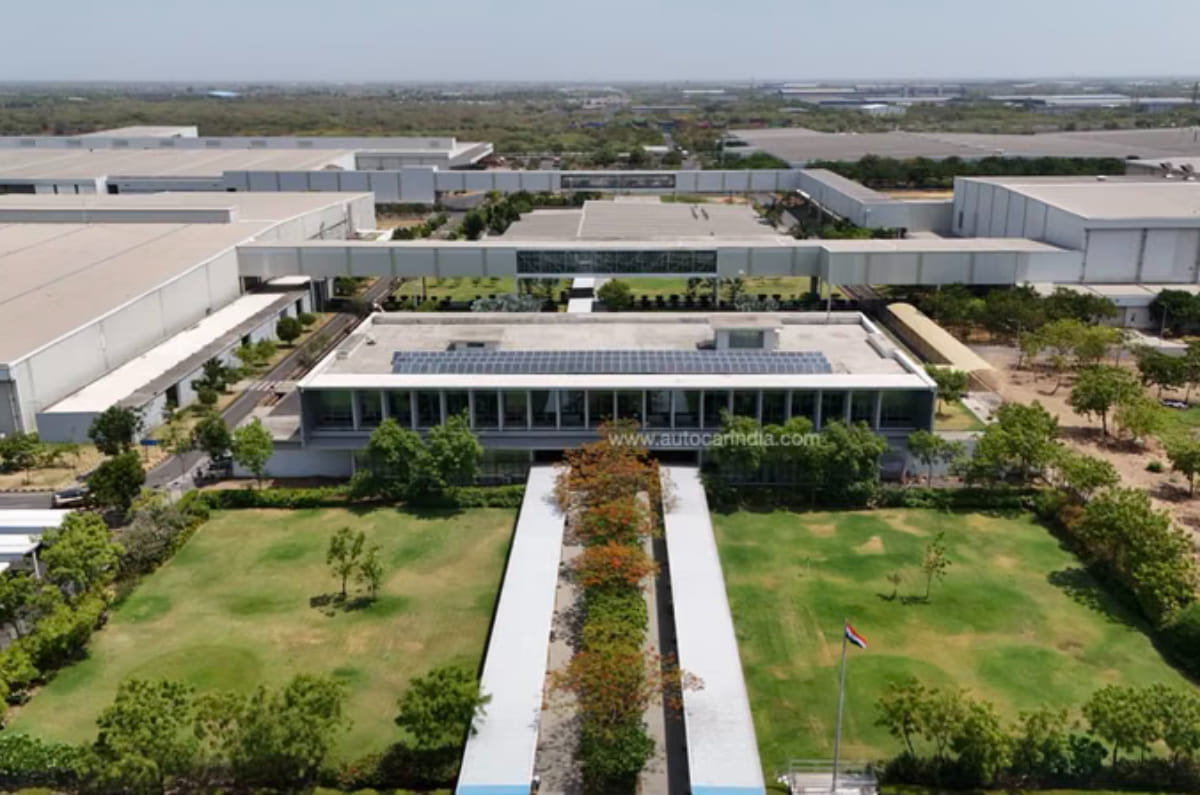
To meet rising demand, Tata Motors is working with suppliers to increase EV production capacity over the next few months. “Right now, we would be supplying about 9,000 to 10,000 a month. I believe that in the next three to four months, we’ll try to see if we can enhance our production by 50 percent or so,” Chandra said.
He explained that Tata’s internal manufacturing capacity remains flexible, allowing the company to shift production between powertrains. However, supplier-side constraints remain the primary bottleneck, with some vendors requiring additional investments to increase output.
 Dipan Sur

 Viraaj Bhatnagar