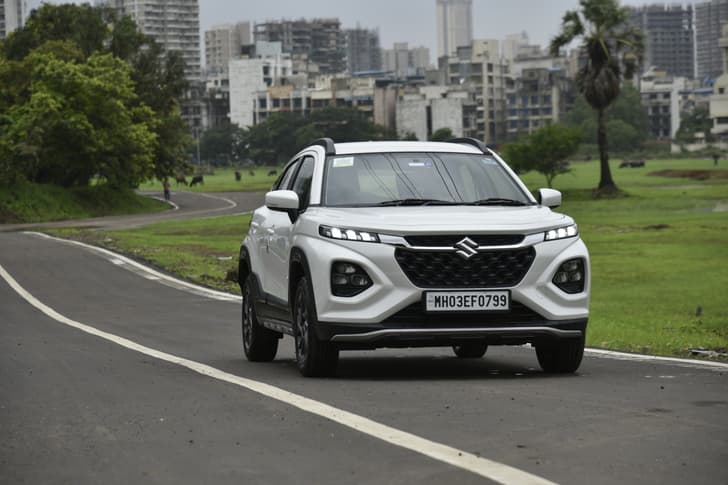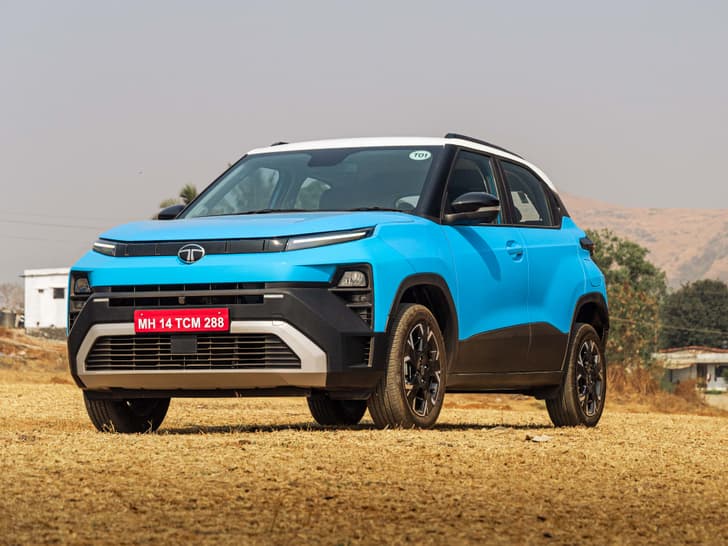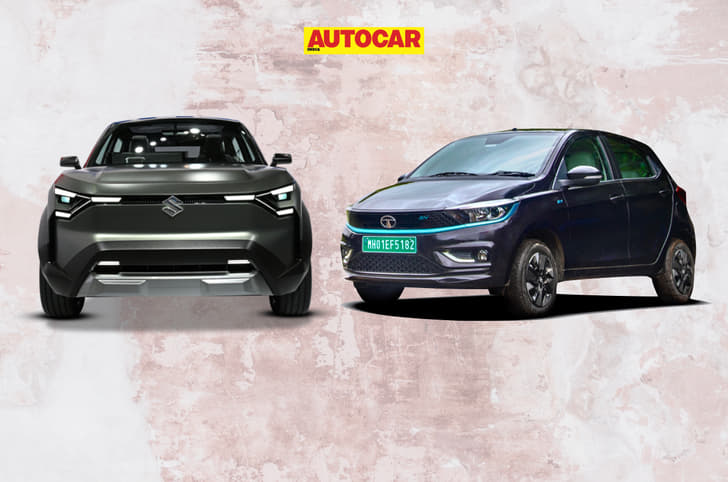
Leading carmakers like Tata Motors, Maruti Suzuki and Audi India say the tax benefit and subsidy for electric vehicles should be extended until the industry hits a penetration level of at least 15-20 percent, rather than working against a stipulated time frame or a quantum of benefit.
- Tax sops in Europe, China retracted after EV sales hit 17-18 percent of total
- Maruti estimates EV sales in India to be 15-20 percent of total by 2030
- Audi predicts higher proportion of EV sales in luxury segment
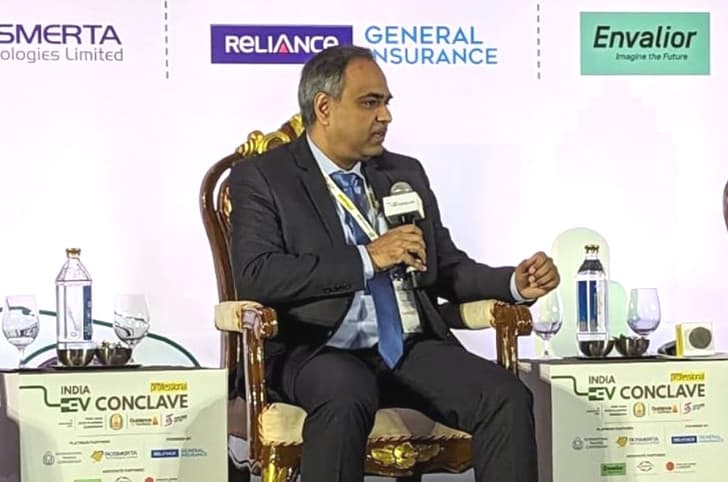
Speaking at Autocar Professional’s India EV Conclave in partnership with the Tamil Nadu Government, Shailesh Chandra, MD of Tata Motors said, “Any market that has crossed 15 percent penetration has seen great success, one can see it in Europe and China. The subsidies have been reduced only once it has seen a 17-18 percent level. Once India hits that level, then the subsidy should be retracted, because the government also cannot continue it forever. A 15-20 percent penetration level should be a consideration from the government before reducing subsidies.”
The Central Government currently offers a 5 percent Goods and Services Tax (GST) rate on electric vehicles, as against 28-55 percent tax on internal combustion vehicles. In addition, the passenger vehicle industry also gets benefits from Production Linked Incentive Schemes. These two incentives, along with some state government benefits, help manufacturers price their zero-emission vehicles much closer to internal combustion vehicles.
The Government of India has set a target of gaving 30 percent of total car sales to be electrified by 2030. Tata Motors, for its part, has set an internal target of having an electric powertrain in half of its vehicles sold by then. Mainstream market leader Maruti Suzuki foresees about 15-20 percent of the market to be EVs by 2030.
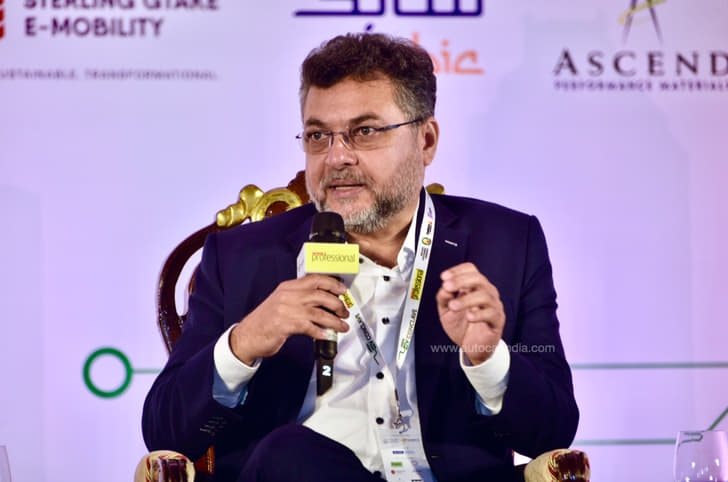
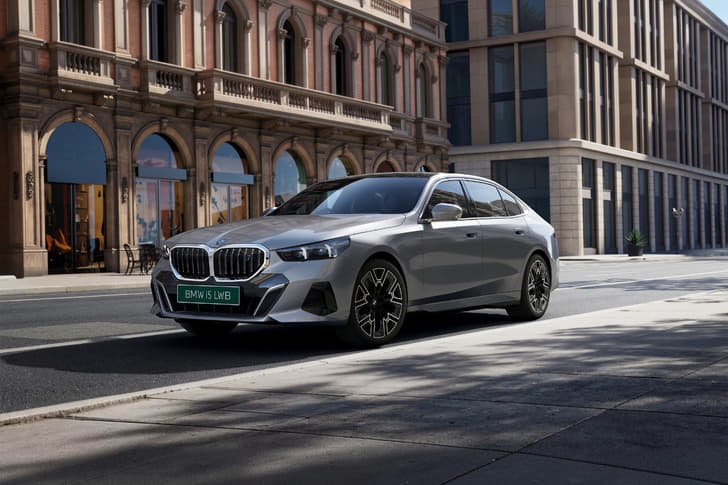
However, Audi India expects the penetration to be much higher in premium segments than in mass-market ones as luxury vehicle buyers will be able to pay a premium for an EV. Balbir Dhillon, Audi India head, said, “When it comes to subsidy or tax benefits, they are needed in the initial years of adoption and the support has to be sustainable for period of 8-10 years. What we need is policies which are stable, consistent and with a visibility of 3-5 years ahead of us. Stable regime is very critical apart from duties and tax benefits.” Along with the tax benefits for vehicles, there has to be support for charging infrastructure as well to ensure that the ecosystem evolves in tandem with the lower tax regime, feels Dhillon.
Aditya Jairaj, deputy MD of Stellantis India, called for a common interface where consumers can look at all charging options, from which chargers are available and working, to the methods of payment. "We have to be patient and focus on all the enablers in order to reach mass market adoption. So as an estimate, in 2030, 20-25 percent EV penetration, I would call good success,” he added.
With inputs by Radhika Dave
 Viraaj Bhatnagar
 Dipan Sur
 Dhruv Dhaka

 Saptarshi Mondal