Yamaha Bikes in India (21)
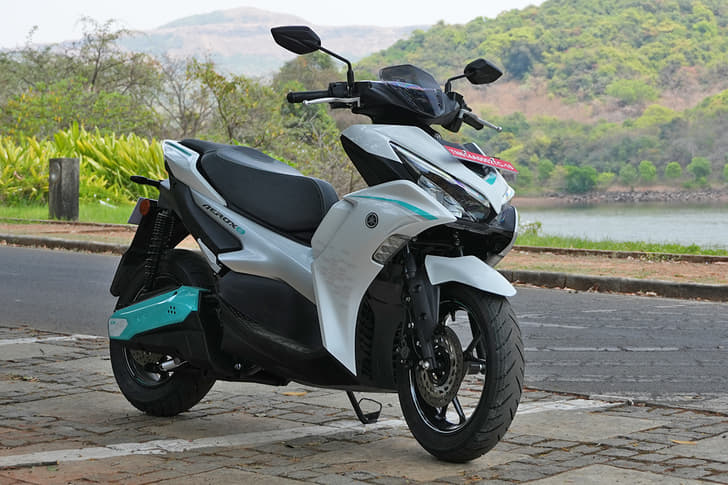
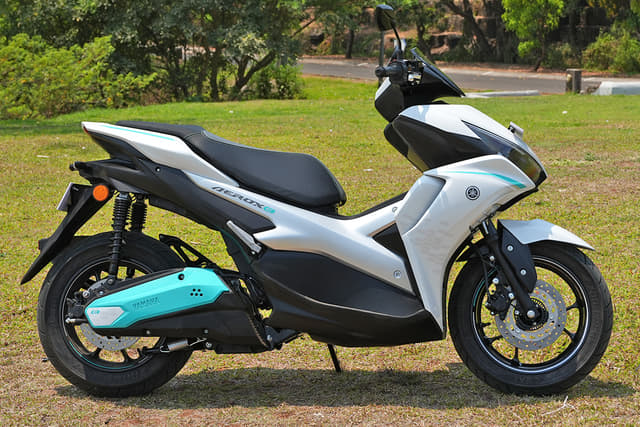
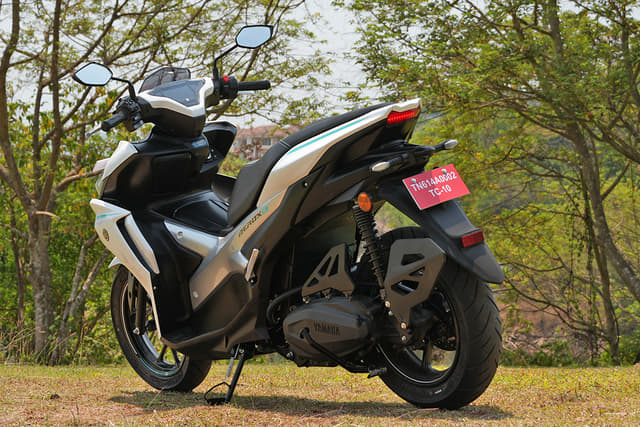
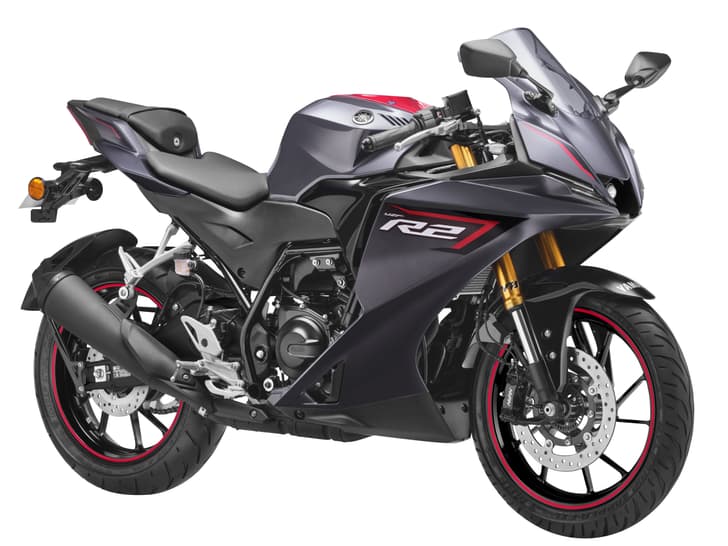
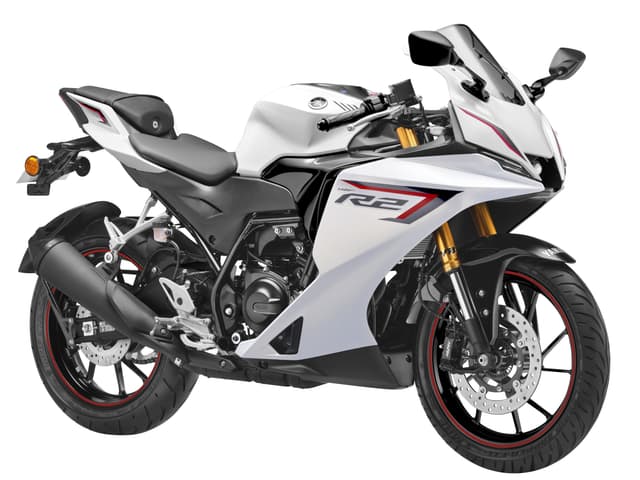
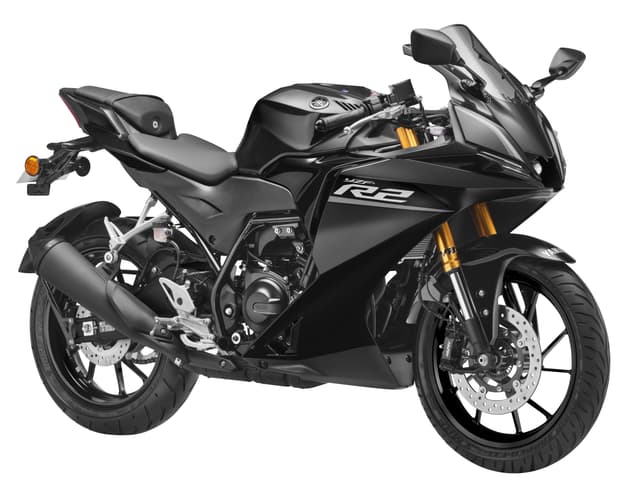
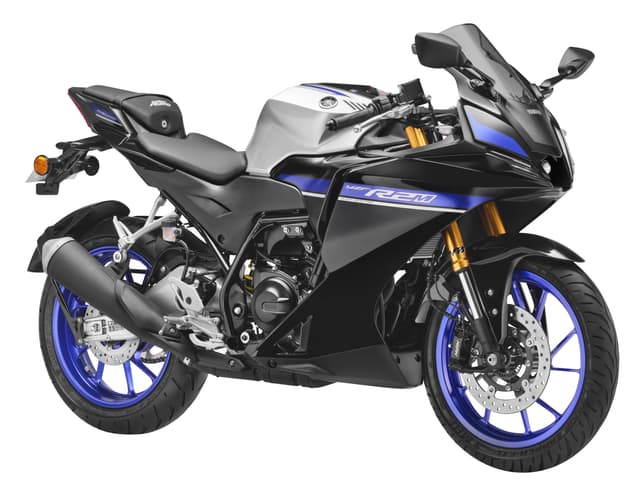
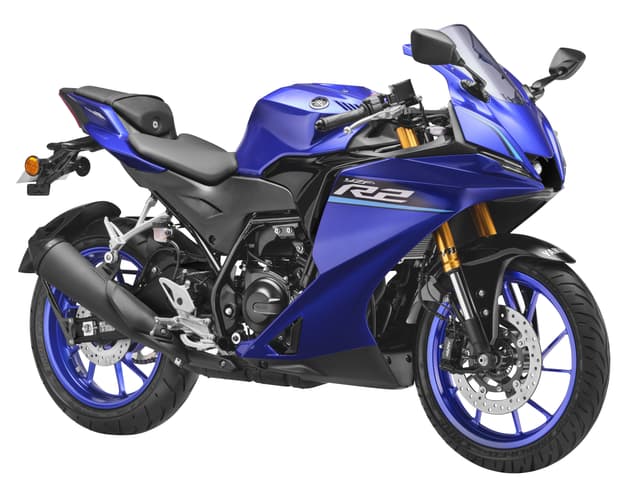
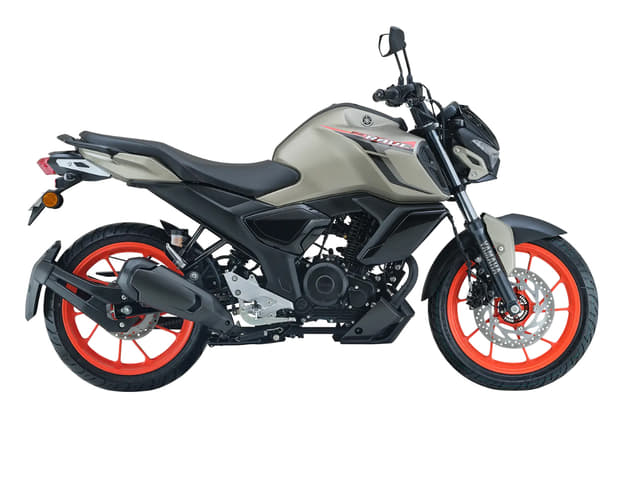
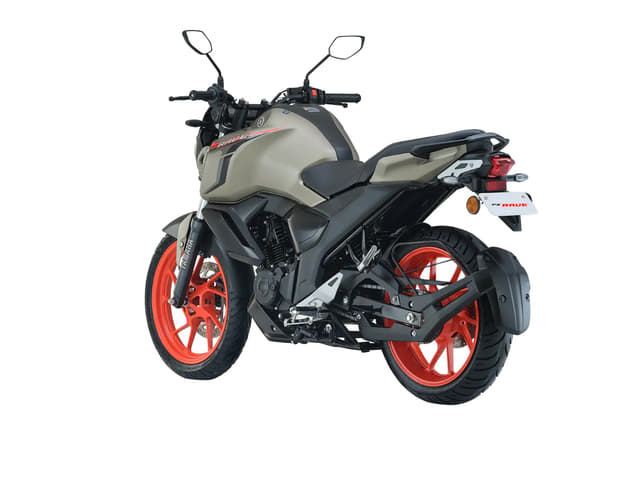
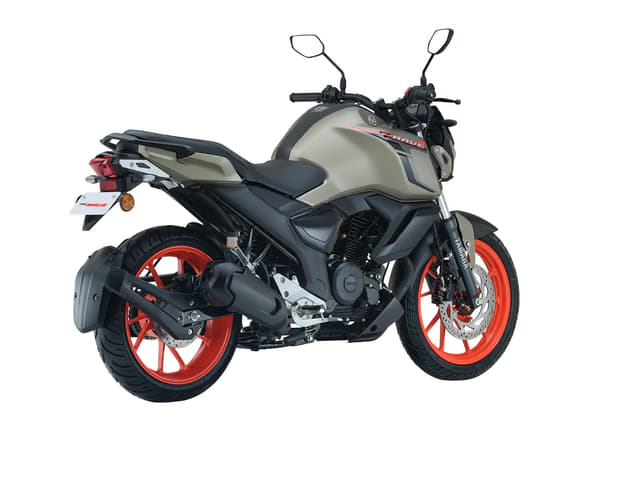
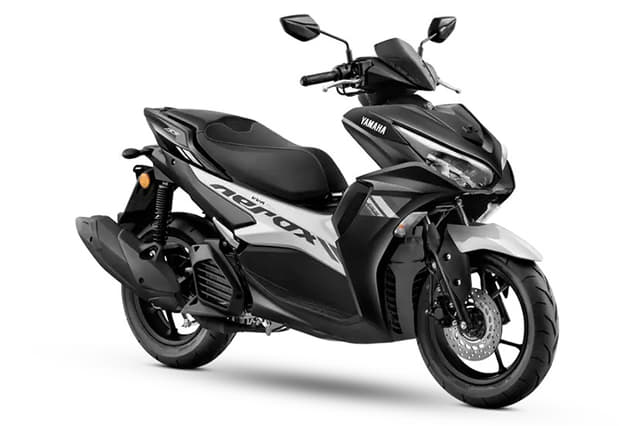
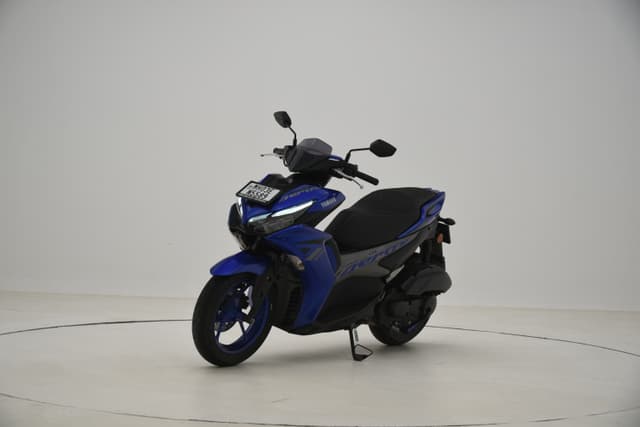
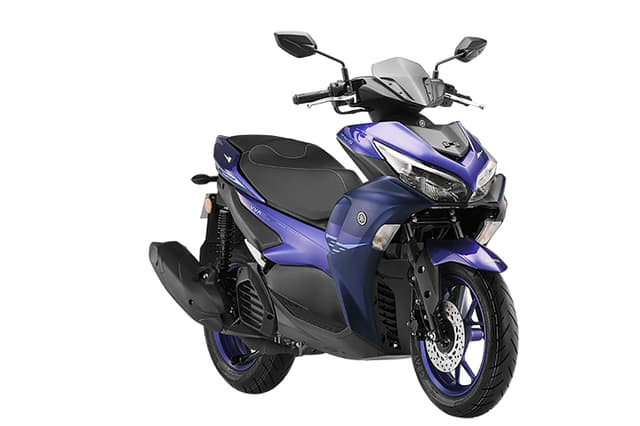
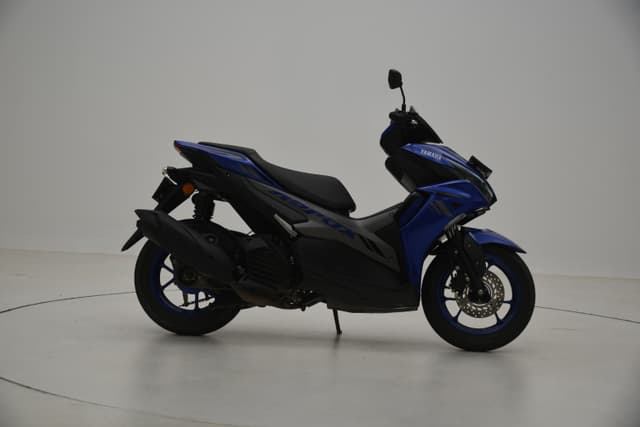
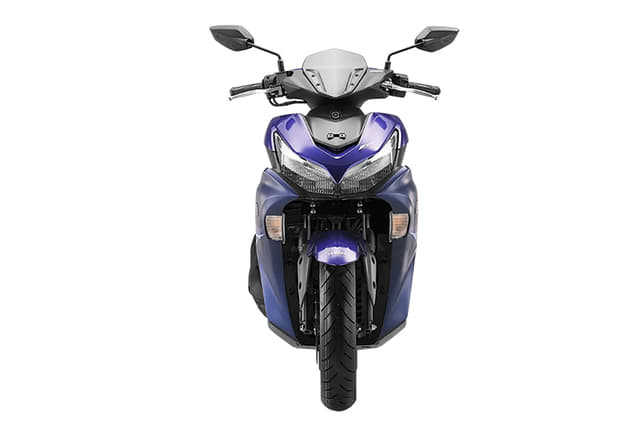
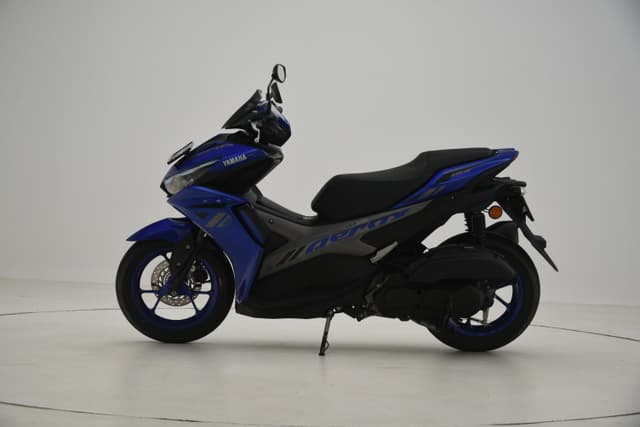
India Yamaha Motor entered the Indian two-wheeler market in 1985 and became a wholly owned subsidiary of Yamaha Motor Co. in 2001. The company operates manufacturing facilities in Surajpur, Uttar Pradesh, and Kanchipuram, Tamil Nadu, and crossed the 10 million units production milestone in India. Yamaha’s portfolio in the country centres around sporty and performance-oriented motorcycles and scooters, including the R-series models such as the R15 V4 and R3, the MT-series, FZ range, and scooters like the Aerox 155 and RayZR. Its India operations are also supported by Yamaha Motor Research & Development India (YMRI) and Yamaha Motor India Sales (YMIS), which handle product development, sales and export activities.
As of now, the Yamaha bike prices in India range from Rs 1.14 lakh to Rs 1.86 lakh. Meanwhile, the Yamaha scooter prices in India range from Rs 76.50 thousand to Rs 1.68 lakh. (All prices mentioned are ex-showroom, Delhi).
Find bikes by budget
Find bikes by fuel type
Filter your search
Filter your search
FAQs
Yamaha currently sells 15 bikes in India.
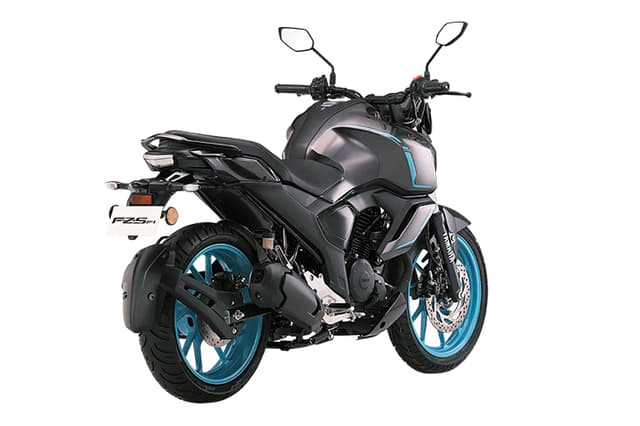
The Yamaha bike price starts at Rs 1.08 lakh for the FZ-Fi (ex-showroom).
The R3 is the most expensive Yamaha motorcycle on sale. It is priced at Rs 3.39 lakh.
No. As of now, there are no Yamaha bikes under Rs 1 lakh in India.
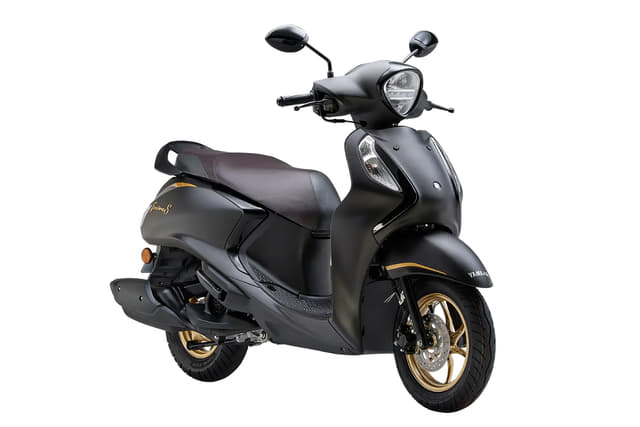
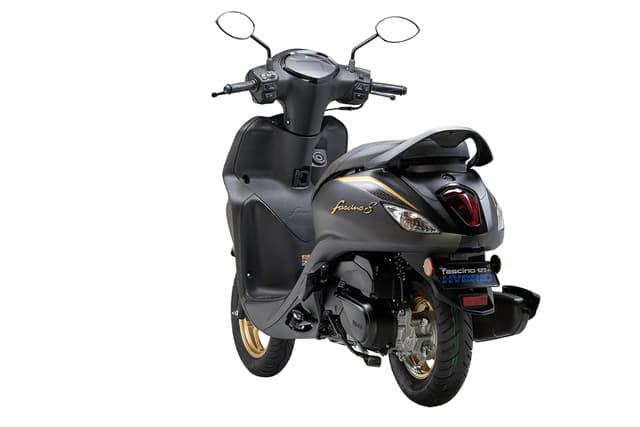
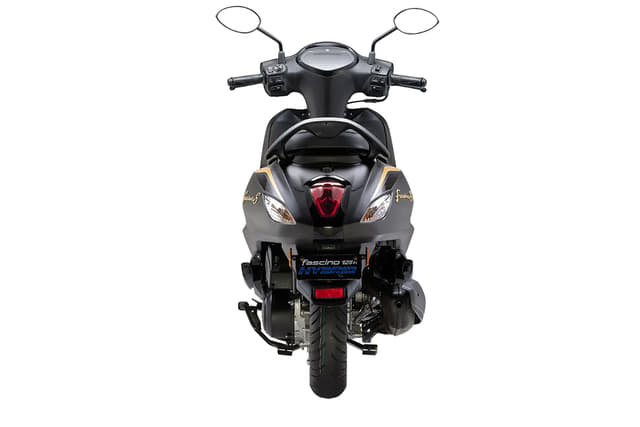
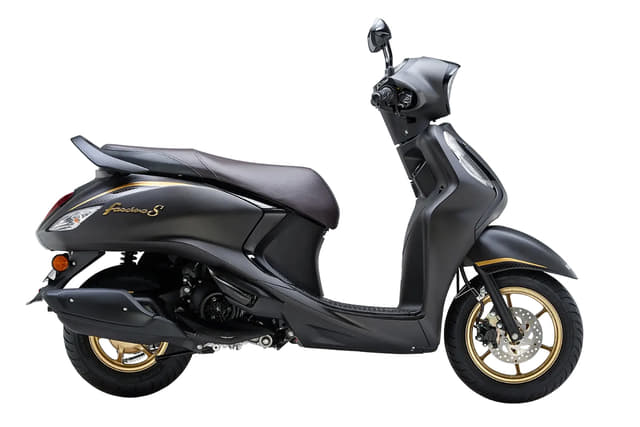
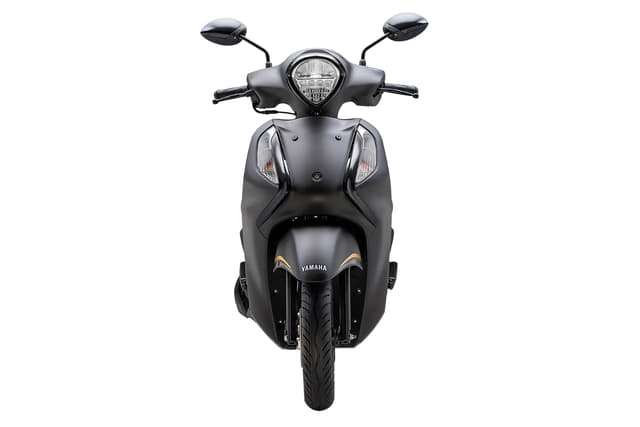
No. Yamaha does not currently sell any 125cc motorcycles in India. But, the brand does offer 125cc scooters: Fascino 125 Fi, RayZR 125 Fi, and RayZR 125 Fi Street Rally.
The most popular Yamaha sports bike is the R15 V4.
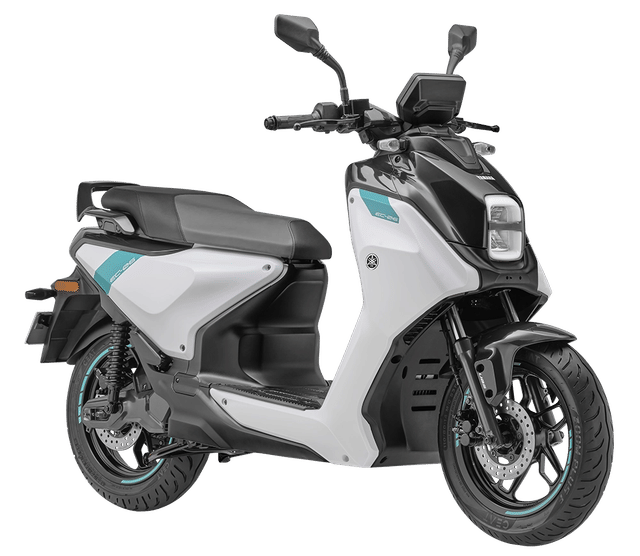
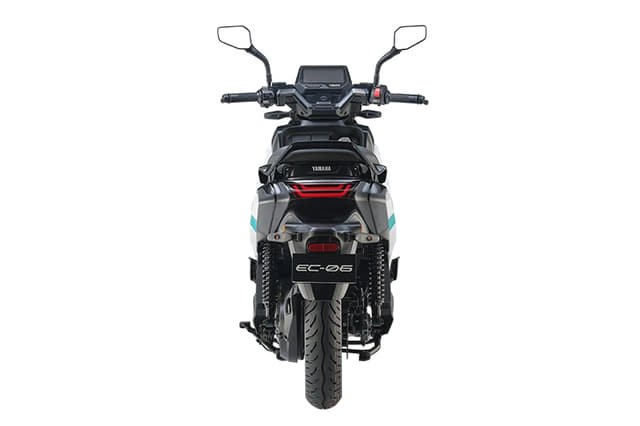
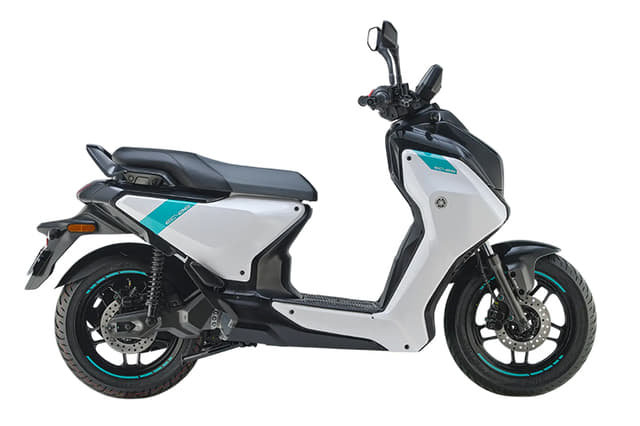
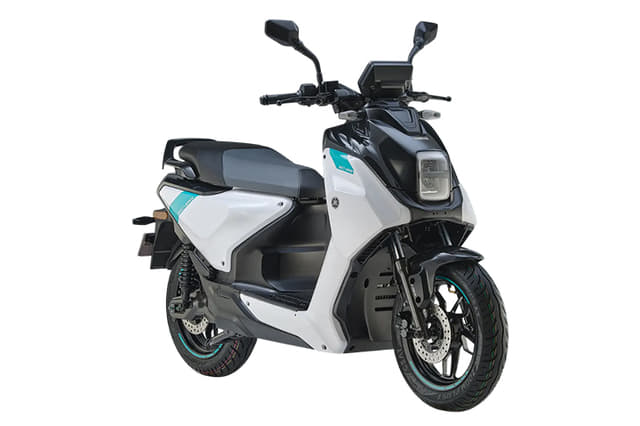
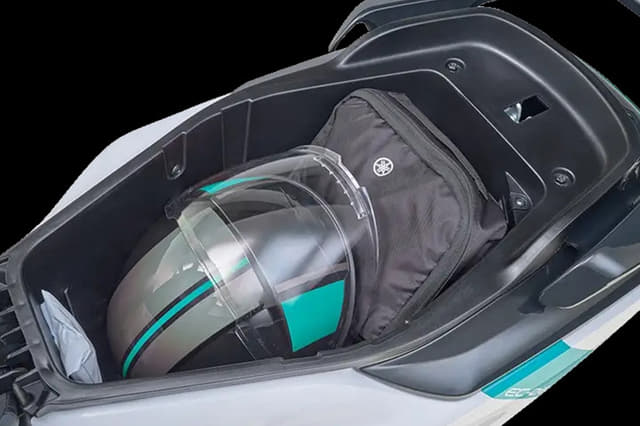
No. Yamaha does not sell any electric bikes in India at present. The EC-06 scooter is the only electric model in the lineup.
Yes. Yamaha has 1 electric scooter in the pipeline for India: Aerox-E. It is expected to launch in late 2026.
The Yamaha Fascino 125 Fi is the most affordable Yamaha scooter.
No. Yamaha does not currently offer any adventure bikes in the Indian market.
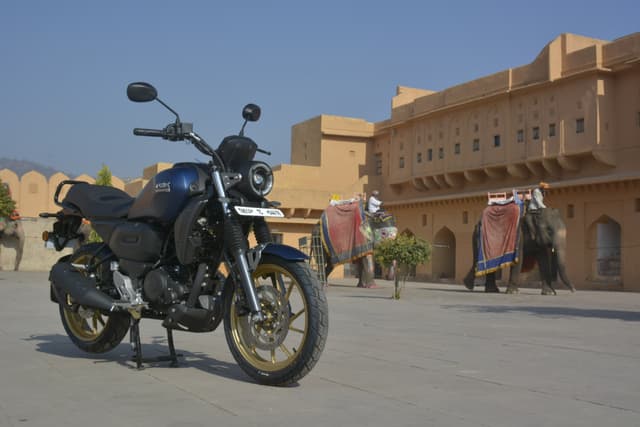
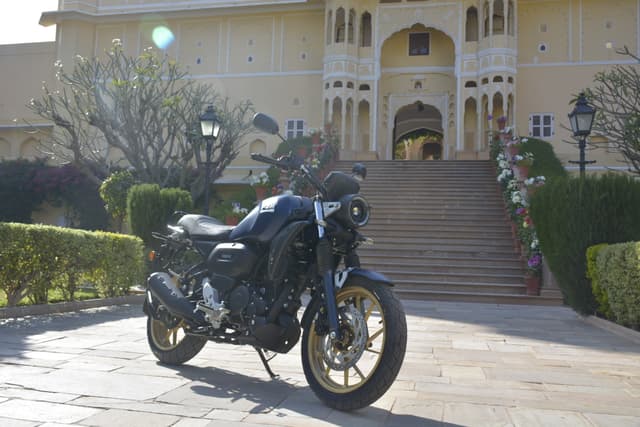
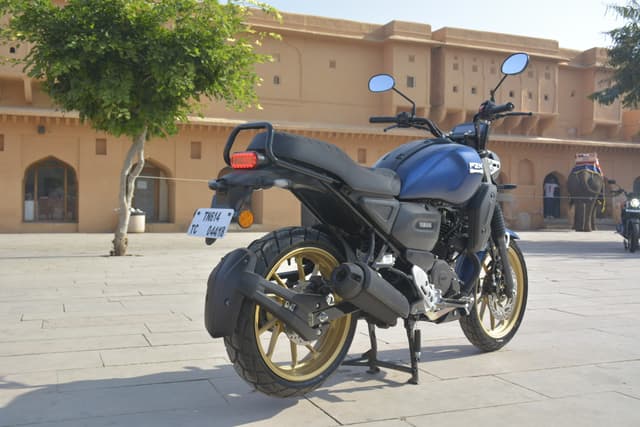
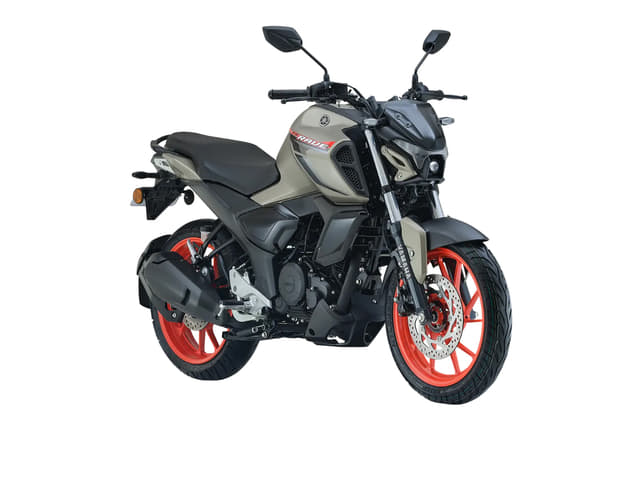
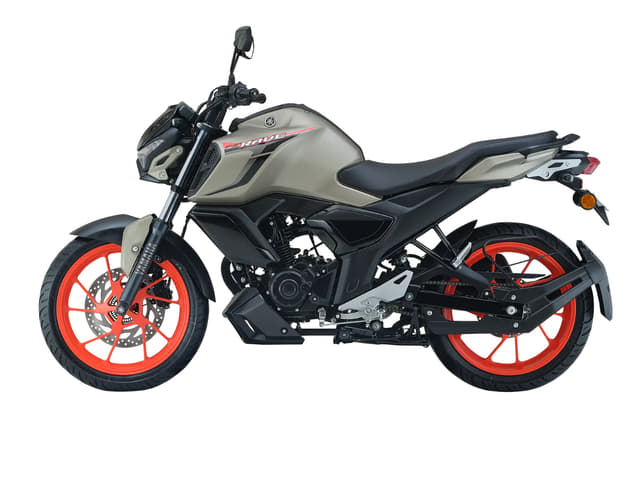
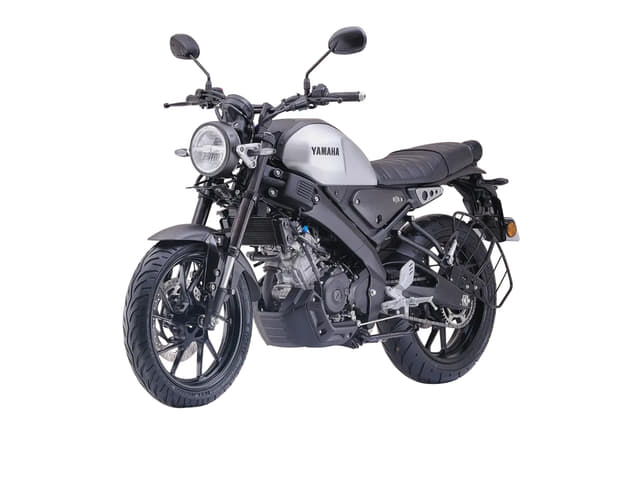
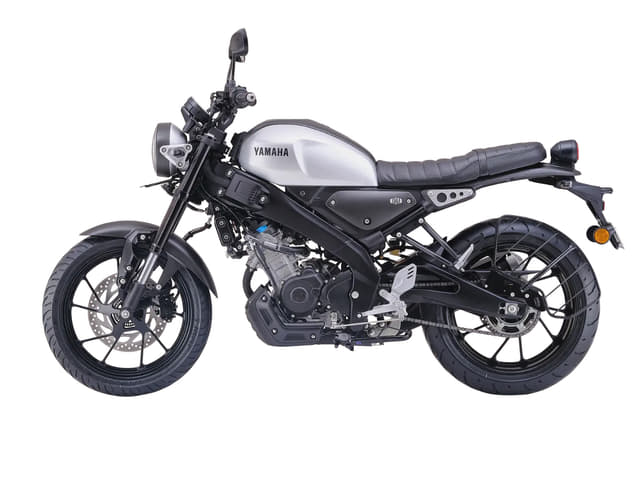
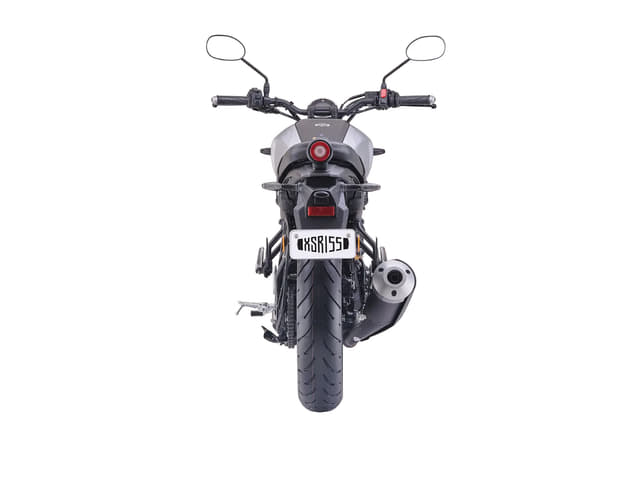
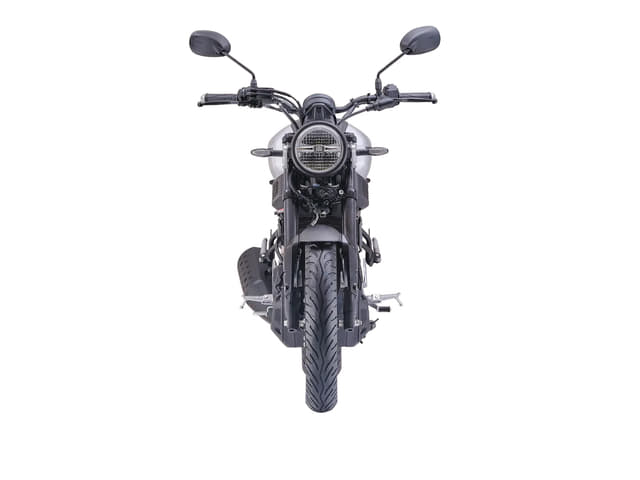
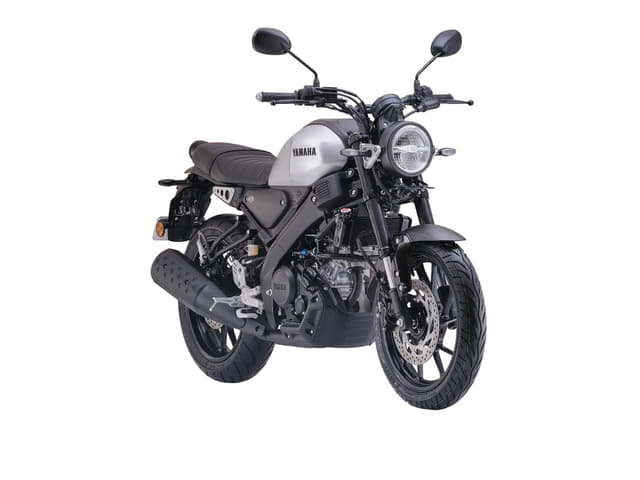
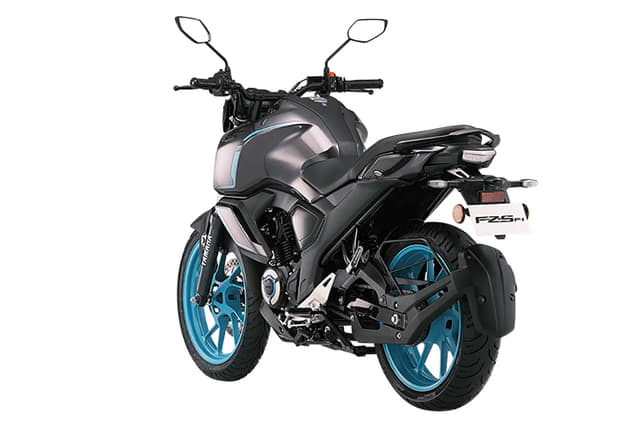
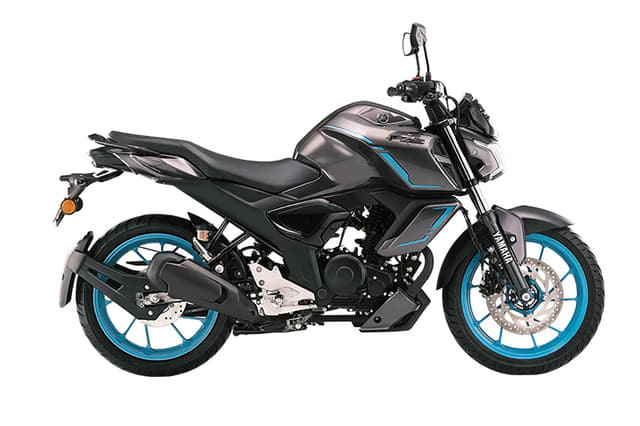
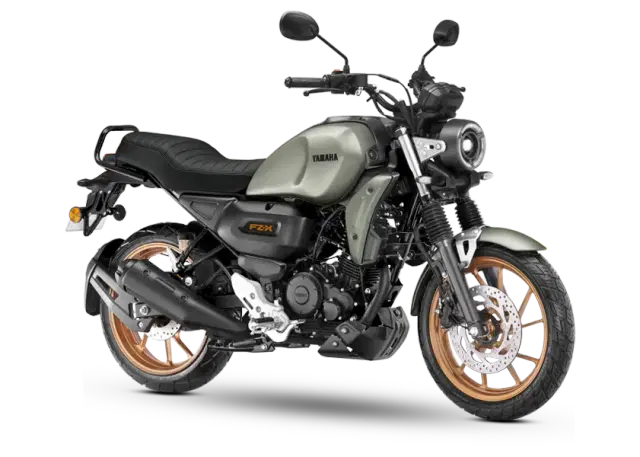
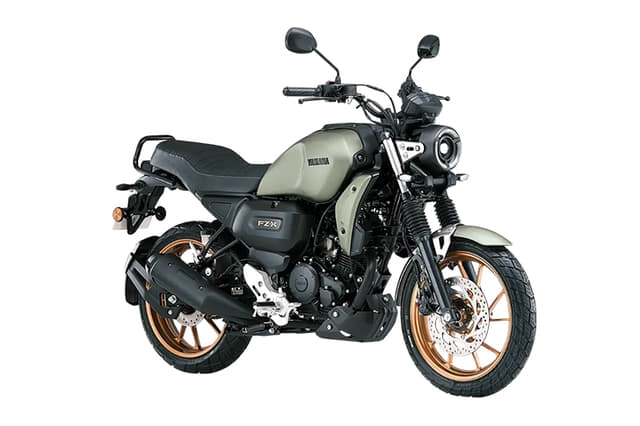
Some of the best Yamaha bikes under Rs 1.5 lakh include the FZ-Fi, FZ-S Fi, FZ-X, and XSR155.
Trending Questions on Yamaha Bikes - Answered by Autocar Experts
I live in a rented apartment in Pune. There are charging points in the parking area, but they're shared, and other residents also use them. My budget is 2 lakh. Should I buy an electric scooter or a Yamaha MT-15? I'm 23 years old, and this will be my second two-wheeler. I previously owned a Honda SP125.
If you can sort out secure charging at your residence, then going for a proven electric scooter like the TVS iQube, Ather Rizta, Bajaj Chetak, or Vida VX2 would be our recommendation. For daily use, an e-scooter will be more practical and also save you money with its lower running costs. While the Yamaha MT-15 will surely be more fun and engaging to ride, it won't be able to match the practicality or low running costs of an EV. If you can't go for an EV, but want something more affordable than your MT, then look at 160cc commuters like TVS Apache RTR 160 4V, Bajaj Pulsar N160 and Honda Unicorn / SP160. Take a test ride of these products before you make your decision, depending on what category you're shopping in.
I am planning to buy a new scooty and am looking for something lightweight with a low seat height. Which would be the best option in the 125cc segment? Please suggest.
If you want the lightest 125cc scooter, look no further than the Yamaha Fascino / RayZR models. Both weigh under 100 kilos and have low 780-785mm seat heights, making them very friendly and approachable. They also come from a reputed brand like Yamaha and should be hassle-free and affordable to own. If you want to consider a product from a different brand, look no further than the hugely popular Suzuki Access. At 106-107kg, the Access is still very light and with its low 770mm perch, most people should be able to handle this scooter. The Access is also frugal yet has a peppy motor and in its latest gen it is quite hard to fault. In fact, the top 2 variants even come with ABS making it the only one of the mainstream 125cc Indian/Japanese options to offer this feature.Take test rides between these proven products and make your decision based on whichever one you gel with more.
This is my first vehicle I am so confused about what scooter to pick. I need a performance-focused scooter which can tour on highways and is also good in city traffic I found 4 options: Aprilia SR 175, Ntorq 150, Aerox 155 and Xoom 160, but each has its own disadvantages. SR 175 stiff suspension and lack of service. Ntorq 150's smaller wheel reduces high-speed stability on highways Aerox 155's pillion comfort and the bulkiness in city traffic. Xoom 160's sluggish throttle response and performance drop after 80 km/h Help me pick one, considering prices and all, I feel like sr175 is cutting out what I need, but still so confused.
There's no clear answer here because no product today in the scooter segment has everything you need. On the product front, it's the Hero Xoom 160 that comes closest to meeting all your requirements. It has a smooth engine capable of holding highway speeds, good seating comfort and decent ride quality. The trouble is, Hero's Premia dealer network is still not widespread across the nation, and spares availability, as well as a quick service turnaround time for Premia products (like the Xoom 160 and Xtreme 250R), will not be on par with rivals with better dealer networks. While the Ntorq's smaller 12-inch wheels won't give you as surefooted handling as other scooters with their 14-inch wheels, it is perhaps the safest bet today. Backed by TVS' widespread sales and service reach in India, the bigger Ntorq is more than what its spec sheet suggests, and we'd recommend you at least take a test ride before writing it off. Coming to the Yamaha Aerox 155, it is simply too uncomfortable to be used on bad patches of road. Meanwhile, the SR 175 is expensive to own and maintain. Add to that the fact that Aprilia's dealer network is also very small and doesn't have a reputation for frictionless service.
Hi, I recently serviced my Aerox 155, and the workshop replaced the V-belt. In the bill description, it says "V-belt kit" with the code BLVWB0310000. Is this genuinely meant for the Aerox, or is it a part used for lower-capacity scooters?
The code BLVWB0310000 reads like a Yamaha India workshop “V-belt kit” billing code. The actual belt itself usually carries a different Yamaha part number on the pouch and is even printed on the belt, commonly starting with BLV or B65 for the 155cc scooters. Belts on other scooters like the Fascino and RayZR are narrower and shorter. They either won’t fit or you’d immediately get slip, high revs and poor speed.If after your service, acceleration is smooth, cruising rpm feels normal, and top speed is unchanged, the belt is right. If you feel flary revs, sluggish pull, or a drop in max speed, raise it with the workshop. If you want to be 100% sure, ask them for the belt wrapper or a photo of the printing on the belt.
I currently ride a 2017 Aprilia SR 150 model and am planning to upgrade to either the Yamaha Aerox 155 or the Hero Xoom 160. Which one would you recommend?
Since you're used to the stiff suspension and tight seating triangle of your sporty Aprilia SR 150, the Yamaha Aerox 155 will likely feel very similar in those regards. Of course, the Aerox's more modern, liquid-cooled engine will feel superior and its good fun to use on both fast roads and in slower city traffic. Expect very good fuel economy and reliability from the Aerox as well and its quick-thinking start-stop tech is one of the best in the business. On the other hand, the Hero MotoCorp Xoom 160 feels like a much larger and more luxurious scooter in terms of its seating and ride comfort. Compared to the Aerox, the Xoom's ride comfort is much better although its not outright plush. If you live in an area with predominantly bad roads, the Xoom will cope better than the Aerox. Its engine is also fairly punchy, but in terms of handling, the Xoom won't match the sprightly Aerox because it is a heavier and more relaxed machine. It can still take sweeping corners pretty quickly but its not going to be as agile as the Yamaha. Both have similar features and under seat storage areas but the Xoom's start/stop tech can get tiring to use in the city because its much slower than the Aerox's excellent system. Neither of the two scooters will have any storage space on the floorboard because their underbone frames have prominent spine sections, unlike your Aprilia, which will be something you'll have to work around. While both are directly comparable on paper, the real-world picture is actually quite different. Depending on the sort of experience you're after and which one feels better to use, make your decision. To do that, we'd recommend exhaustive test rides of both.
Last Updated on: 20 Jul 2026