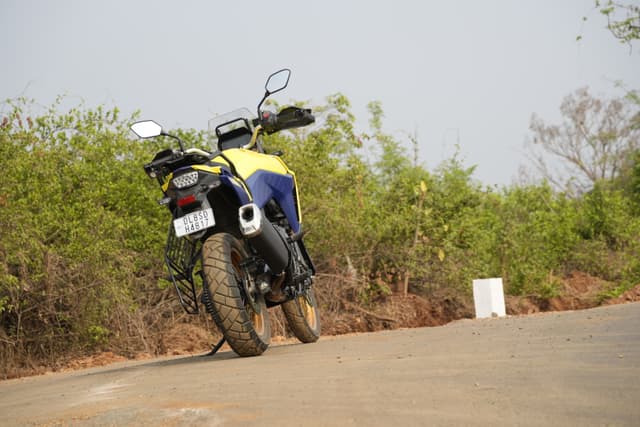
Suzuki bikes in India (13)
Suzuki Motor Corporation (SMC) is a global motorcycle manufacturing giant headquartered in Japan and holds a majority stake in its Indian subsidiary, Suzuki Motorcycle India Private Limited (SMIL). SMIL was established after Suzuki re-entered the Indian two-wheeler market following the end of its partnership with TVS in 2000 to 2001, where Suzuki had served as the technology partner.
Suzuki has a presence across several motorcycle categories, such as 250cc bikes, sports bikes, adventure motorcycles, cruisers, and 1000cc+ superbikes. The brand also manufactures small combustion-engine products and operates production facilities in 22+ countries. In India, the brand is also well-known for its association with Maruti Suzuki, the country’s largest automobile manufacturer.
Suzuki Bikes in India - Latest Updates (September 2026)
- 24 April 2026: Suzuki completes 20 years of manufacturing in India
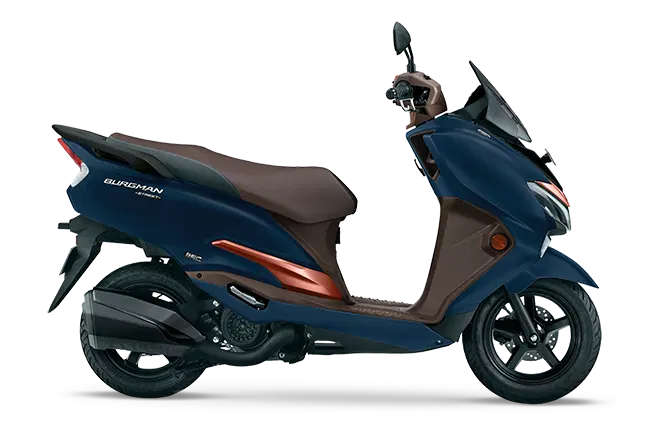
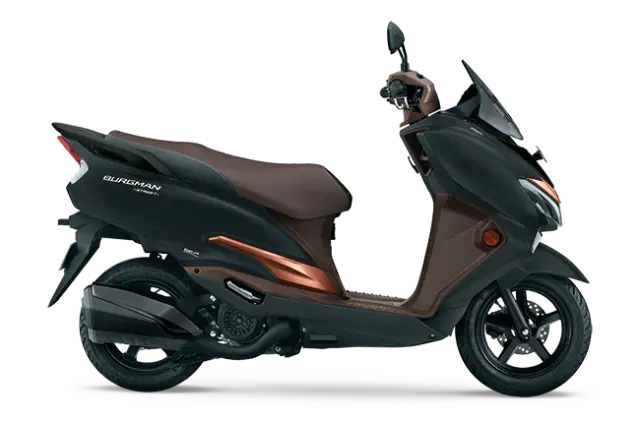
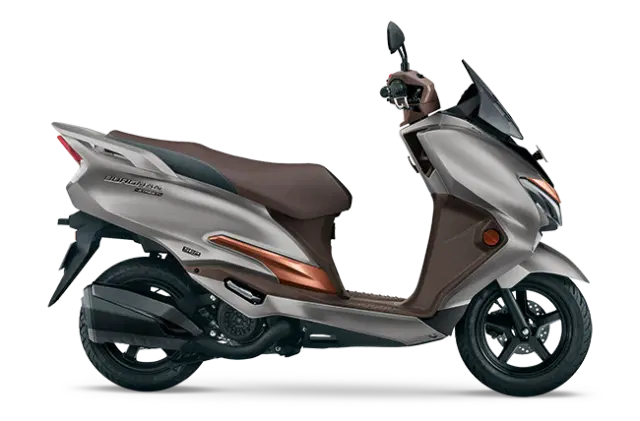
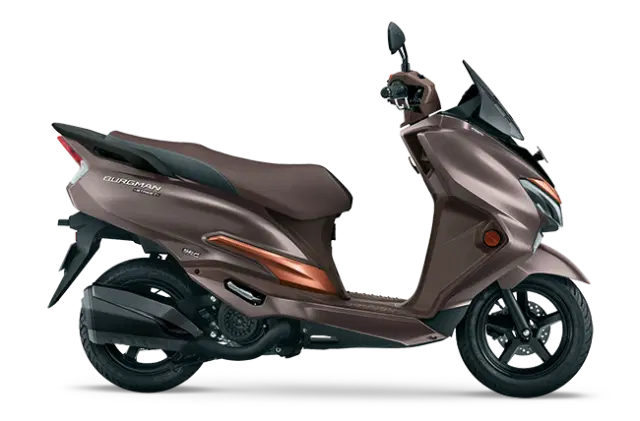
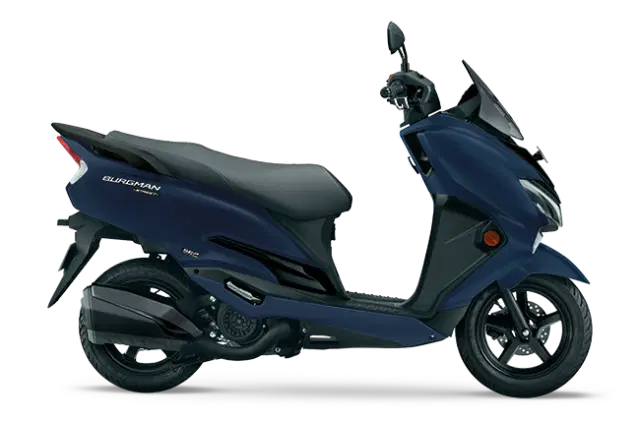
- 19 May 2026: Burgman Street surpasses 14 lakh sales


Find bikes by budget
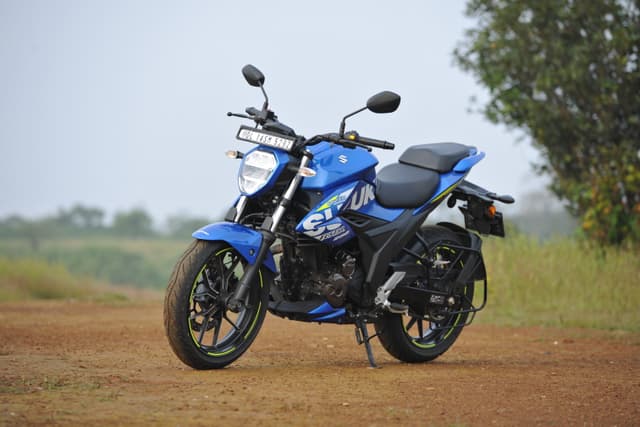
Find bikes by fuel type
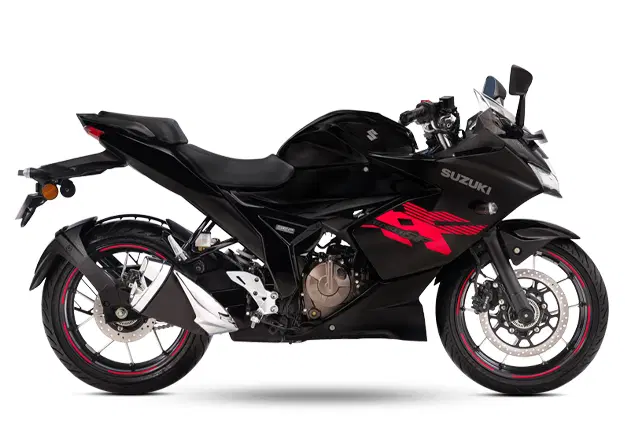


Filter your search
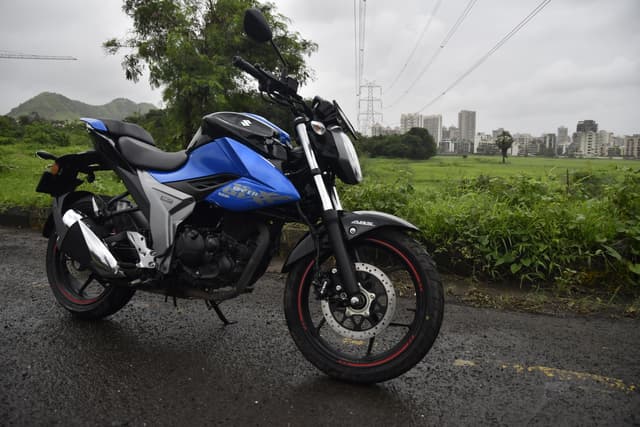
Filter your search
Suzuki Bikes - FAQs
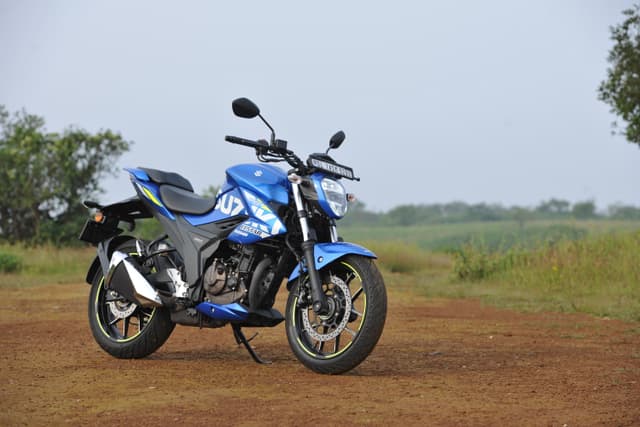
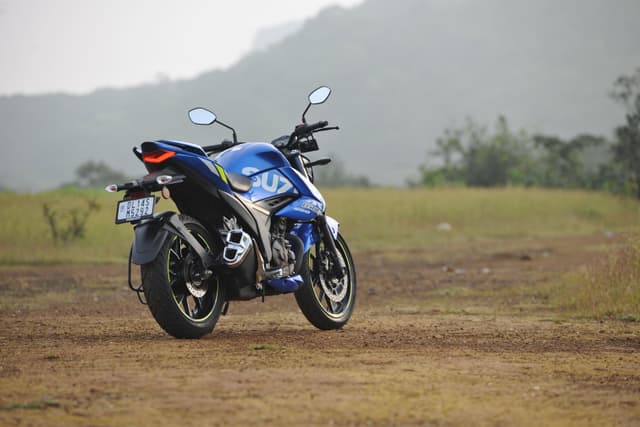
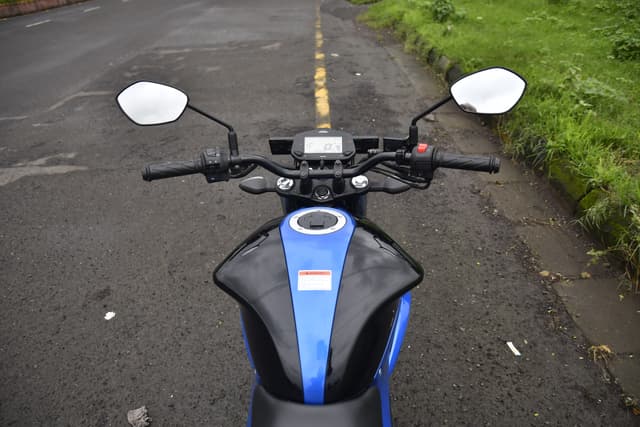
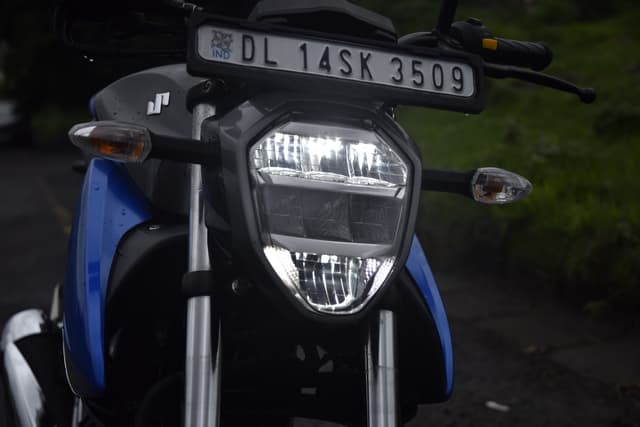
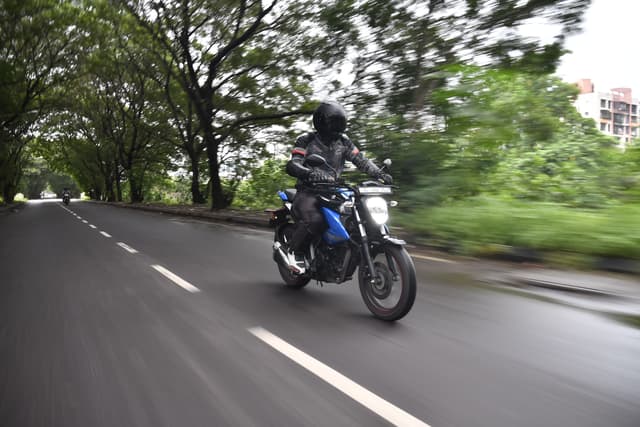
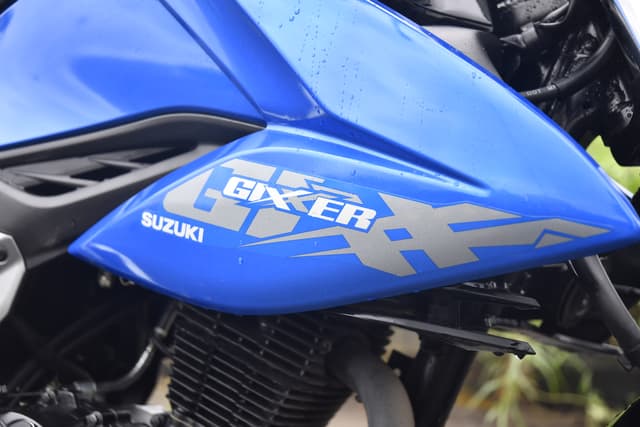
The Suzuki bike price starts at ₹1.26 lakh for the Suzuki Gixxer.
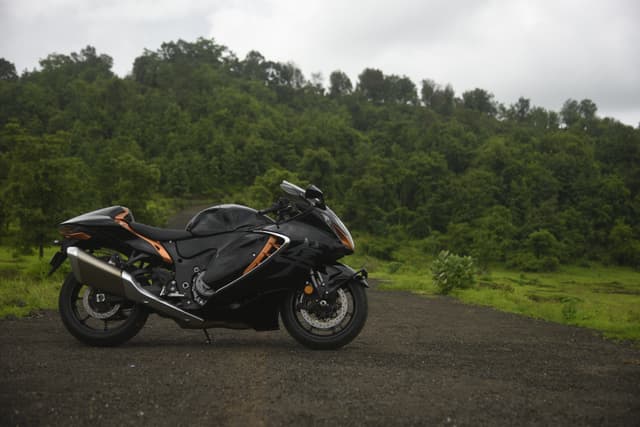
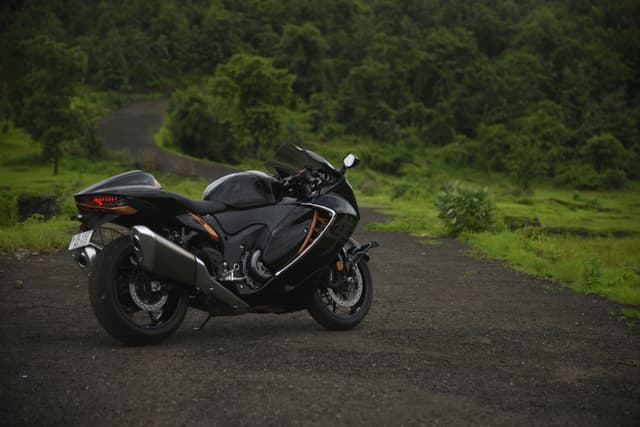
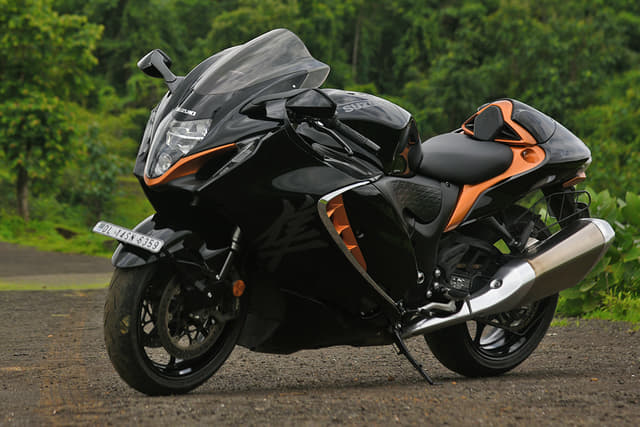
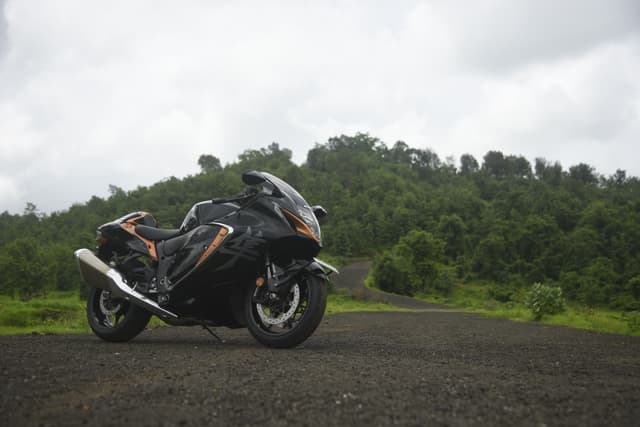
The Suzuki Hayabusa bike, priced at ₹18.06 lakh, is the costliest Suzuki motorcycle on sale.
Suzuki sells 8 bikes in India.
Suzuki is expected to launch one electric scooter, the e-Burgman. There are no upcoming bikes as of now.
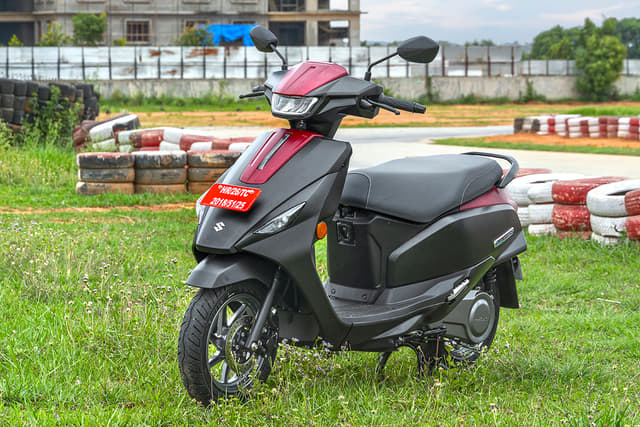
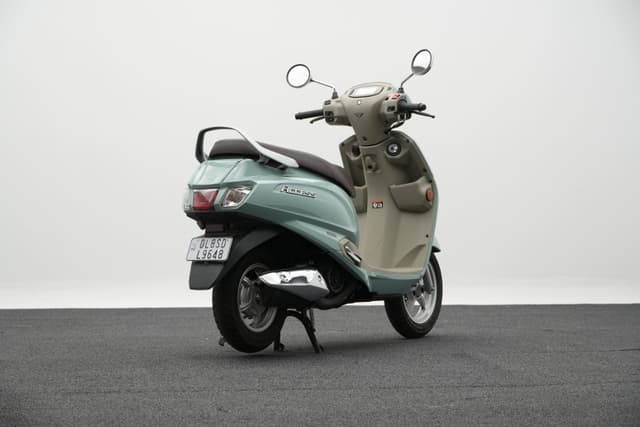
The Suzuki Access, priced from ₹77.68 thousand, is the cheapest Suzuki scooter.
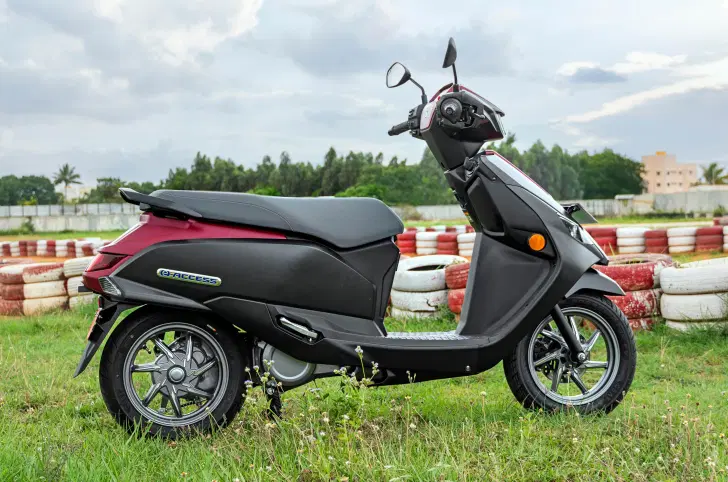
Currently, the newly launched Suzuki e Access is the most expensive scooter. It is priced at ₹1.88 lakh (ex-showroom).
No. Suzuki does not sell any electric bikes in India yet.
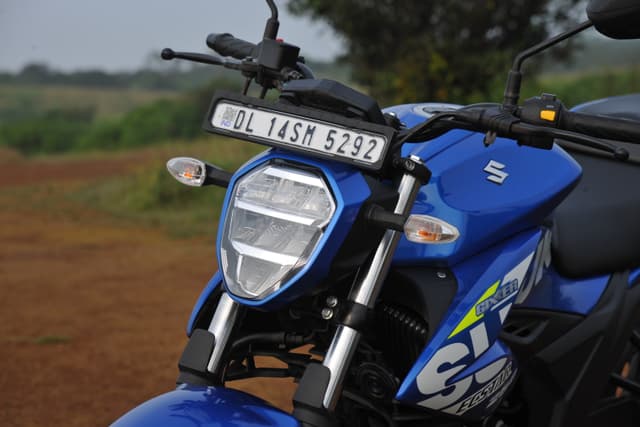
The Suzuki Gixxer bike price ranges from ₹1.26 lakh to ₹1.27 lakh (ex-showroom), depending on the variant.
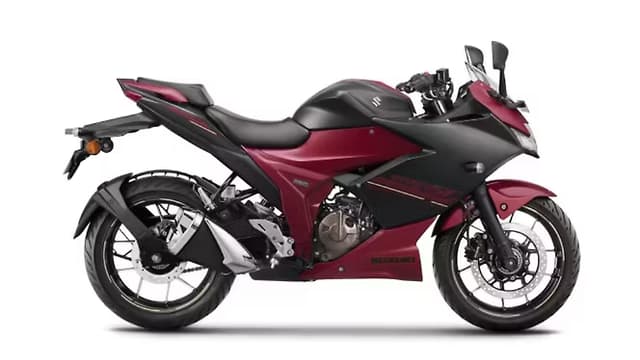
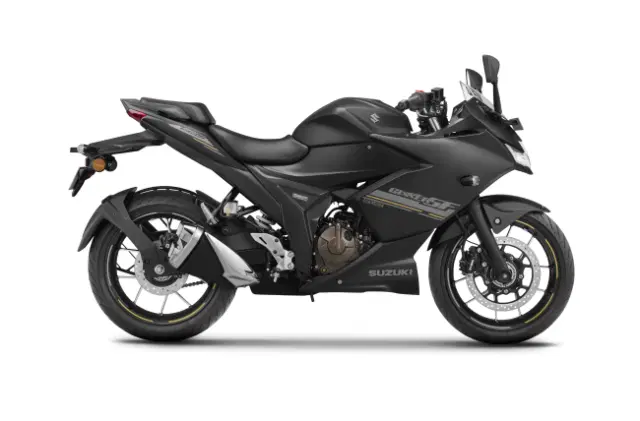
Yes. There are two 150cc options, the Gixxer and Gixxer SF.
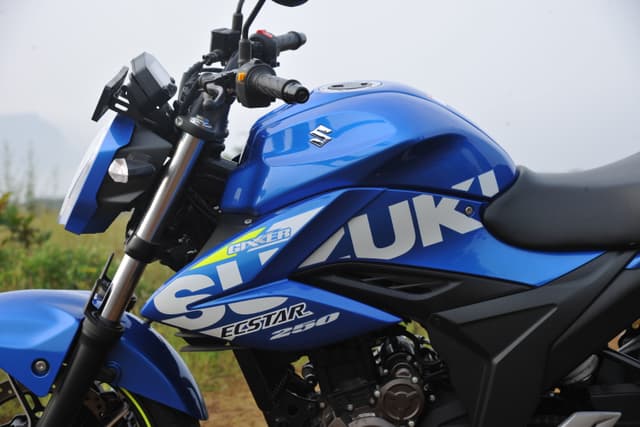
The 250cc Suzuki bikes include the Gixxer 250, Gixxer SF 250, and V-Strom SX.
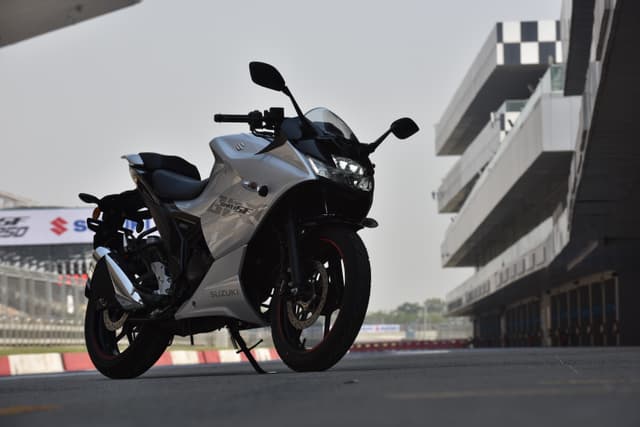
Suzuki sports bike prices start from ₹1.35 lakh for the Gixxer SF and go up to ₹18.06 lakh for the Hayabusa.
Yes, the only superbike offered by the Suzuki brand is the Hayabusa.
The Suzuki Hayabusa price in India is ₹18.06 lakh (ex-showroom).
Trending Questions on Suzuki Bikes - Answered by Autocar Experts
Hello, I’m a new rider considering the Suzuki V-Strom SX for my daily commute, which is around 25 km each way. My route is a mix of highways and city roads, with some uneven, bumpy and pothole-ridden stretches. I’m looking for a bike that inspires confidence, offers good highway stability and comfort, and provides a good level of safety for a relatively inexperienced rider. Would the V-Strom SX be a suitable choice for these requirements, particularly in terms of comfort, stability and safety on a mixed daily commute?
The Suzuki V-Strom SX is surely a good option for your needs. It is light, has a peppy engine and comfortable ergonomics - factors that will give you confidence over mixed road conditions. You should also consider the Hero Motocorp Xpulse 210 because it will be vastly better at tackling bad roads than the V-Strom without sacrificing on-road behaviour too much. Take a test ride of both to help make an informed decision.
Hi, I currently own a Hero Duet BS3 model. My current weekly running is around 80 km, most of which is within the city. Due to the current petrol prices, my weekly fuel bill is around Rs 400. Would it be financially viable for me to switch to an electric scooter given my usage?
From what you have told us, it seems that your Hero Duet's engine is consuming an unusually large amount of fuel for the distance you are covering. Our first suggestion would be to get it serviced properly and see if this changes anything. If it doesn't, given your low weekly run, getting a new petrol scooter like a Jupiter, Access or Activa would make more sense than switching to a more expensive electric bike. The high initial cost you shell out for the e-scooter will take years to recoup with your limited use. Nevertheless, if your next vehicle must be an EV, then choose from proven brands like TVS, Bajaj, Ather and Hero.
We would like to buy a scooter for a female member of our family. She has been using an Activa for many years, and it is still running well. However, I’m not very happy with its safety and would like to upgrade to a better and safer scooter. I’m currently considering the Ather Apex, while she has a slight preference for the Vespa. However, I’m not sure about Vespa’s reliability. The nearest Vespa service centre is around 10 km away. Would it be possible to get a Vespa serviced and maintained by a local mechanic? Please advise which scooters we should consider. Our budget is around Rs 2-3 lakh.
Since the person you are shopping for prefers a neo-retro styled scooter, consider options like the Yamaha Fascino and Suzuki Access. Both have appealing designs and are frugal, reliable, comfortable and lightweight machines which should serve you well. The Fascino is one of the lightest ICE scooters on sale and if ease of use is a top priority, then the Yamaha edges ahead. We'd recommend you go take a test ride of both before making your decision. Coming to the Ather 450 Apex, it will surely offer a step up in terms of performance and features but in terms of practicality and comfort, you might be losing some ground here. Also, its sharp brakes are prone to locking up, which isn't ideal. And no, a roadside mechanic cannot repair a cutting-edge electric scooter, you have to go to the authorised service centres for that. Moving on to the Vespa, Piaggio's scooters are good to ride but their purchase and ownership costs are significantly higher than the mainstream brands. If you are okay with this, then you may go ahead with your purchase.
I’m planning to buy an electric scooter, but unfortunately, there aren’t many options that come with both ABS and traction control. Recently, I was riding my dad’s scooter when the front wheel locked up. Although I like the Ather Apex, I’m not comfortable with the fact that it doesn’t come with ABS. I have a couple of questions. Will all electric scooters eventually be mandated by law to have ABS? I also like the TVS X electric scooter, as it’s fun to ride. Is it a safe choice in terms of maintenance, considering it’s a relatively new model? I don’t use the scooter much and ride only around 1,000km a year. This is mainly a purchase for my happiness. My budget is up to Rs 5 lakh. I’m not considering a petrol scooter because of my low usage and the additional maintenance it would require. Any advice would be appreciated.
We know you are inclined towards an electric scooter but today the tiny pool of e-scooters that have ABS aren't very convincing options, despite their hefty price tags. Your options are Keeway Hypevolt-R, Yamaha Aerox E and TVS X, all of which (while they do fit in your budget) are quite expensive for what they offer you. Instead, since you have super low running, we'd strongly urge you to consider a hassle-free option like the Suzuki Access 125. Not only will you save a big chunk of money, ICE scooter maintainance is fairly straightforward with your low usage and given that the Access is a very popular option, sourcing parts and spares should be a quick and inexpensive affair. If you must have an EV with ABS, you should decide between the three options suggested above based on which one has a dealership & service centre near your residence.
I am planning to buy a 125cc scooter. I already own the new Suzuki Access. Should I go with the Honda Activa 125? What other scooters would you recommend? It will mostly be used within the city.
Since you already have a steadfast family scooter in the Suzuki Access 125, opting for another one of its ilk in the Honda Activa 125, which will give you more or less a very similar, if not identical, ownership experience, would be like going into a huge candy store and still opting to buy two of the same toffees when there's so much variety to be had.We'd recommend you change things up a little and opt for the TVS Ntorq 125. It is a fun, engaging, and sporty-feeling scooter, yet it does not compromise on practicality, comfort, or everyday convenience.
Last Updated on: 9 Sept 2026