
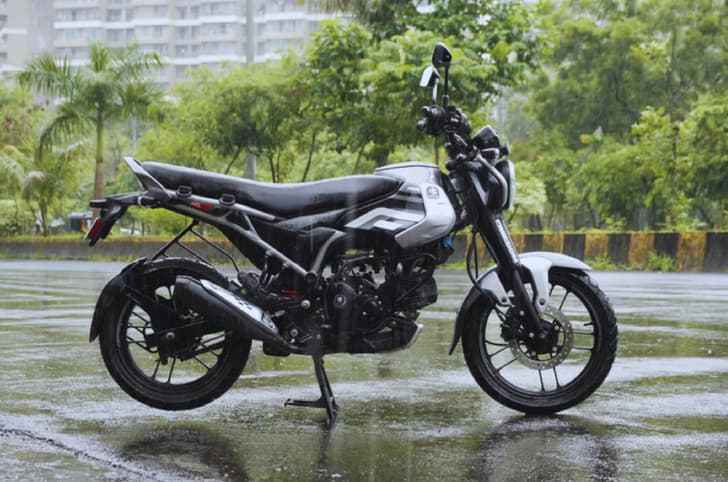
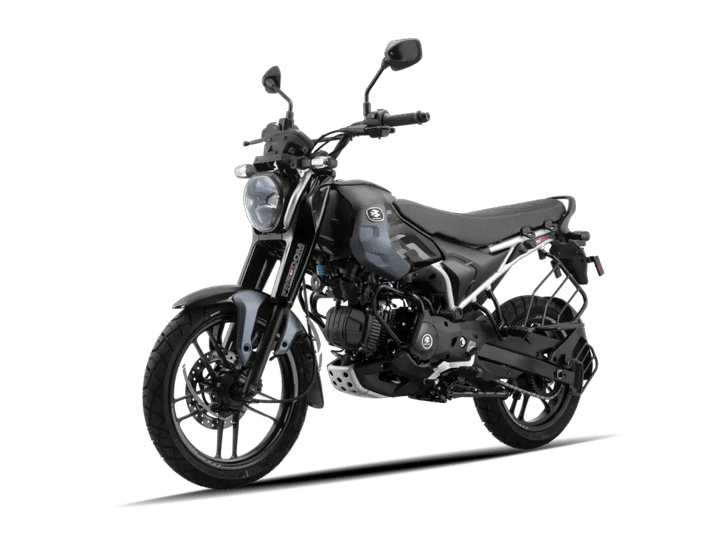
The Bajaj Freedom 125 registered its lowest-ever monthly retail sales in May 2026, with just 1,210 units delivered as per Vahan data. This is a sharp contrast to the bike’s peak months of October and November 2025, with 11,079 and 12,167 units sold, respectively, driven by festive demand shortly after its launch. Cumulative retail sales stand at 87,998 units as of June 4, 2026 – close to the 90,000-unit mark but far off the pace that early enthusiasm had suggested.
- Freedom 125 retail sales fall to a new monthly low of 1,210 units in May 2026
- CNG prices have risen 15 percent over 23 months, narrowing the gap with petrol
- Maharashtra and Gujarat together account for 34 percent of all Freedom 125 sales
Bajaj Freedom 125: Why sales are slowing
The petrol-CNG price gap has shrunk from Rs 32 to Rs 25 per litre/kg
According to our sister publication Autocar Professional, the primary reason for the sales slowdown is straightforward. When the Freedom 125 launched in July 2024, CNG was priced at Rs 75 per kg, while petrol cost around Rs 107 a litre – a gap of Rs 32. By May 2026, CNG had risen to Rs 86 per kg, and petrol was retailing at Rs 111.21 a litre in Mumbai, narrowing the gap to Rs 25. A 15 percent increase in CNG prices over 23 months has significantly eroded the running cost advantage that was the Freedom 125’s core value proposition.
Bajaj Auto’s joint managing director Rakesh Sharma acknowledged the issue during a media call in early May. “For the last many months now, what has happened is that the arbitrage between CNG and petrol has changed to some extent,” he said, adding that lower savings had made customers more cautious about adopting a new fuel technology – particularly one that also requires changes in refuelling habits and familiarity with a different network of filling stations. Sharma, however, maintained that product-level acceptance remains strong and that the company is continuing with the Freedom 125. “We are persisting with it. At a product level, the acceptance is very good.”
The limited CNG filling network compared to petrol remains an additional challenge. There are currently around 7,000 CNG filling stations across India, though this number is expected to more than double to over 13,000 in the coming years and reach around 17,000 by 2030.
The Freedom 125 was initially launched only in Maharashtra and Gujarat – states with a strong existing CNG infrastructure – before a gradual nationwide rollout. Both states continue to lead demand. Maharashtra tops the chart with 14,874 units and a 17 percent share, with Gujarat a close second at 14,818 units and a 16.83 percent share. Together, the two states account for 34 percent of all Freedom 125 sales to date.
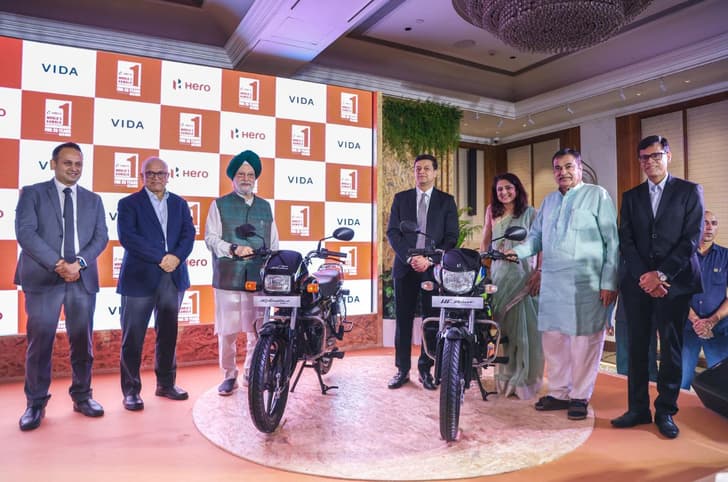
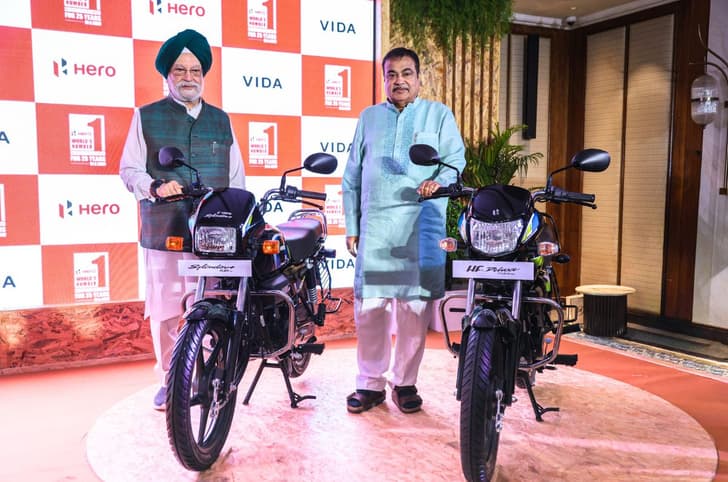
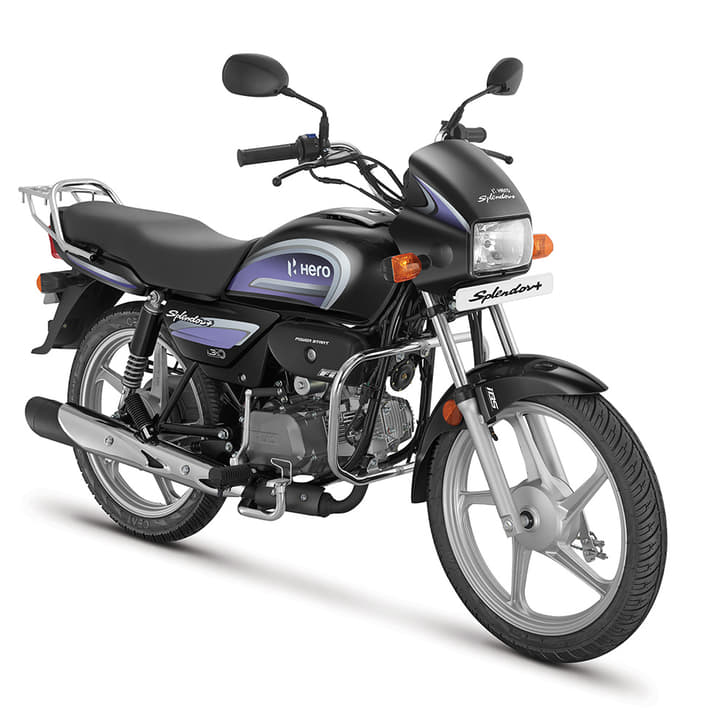
Now, the Freedom 125 faces pressure from multiple directions. Electric two-wheelers posted 63 percent year-on-year growth in May 2026 – a month that saw four petrol price hikes and two CNG price hikes. More immediately, Hero MotoCorp has just launched flex-fuel versions of the Splendor+ and HF Deluxe, both undercutting the Freedom 125 in terms of price while offering compatibility with ethanol blends from E20 to E85 on familiar petrol-station infrastructure. Whether the Freedom 125 can revive momentum will depend significantly on how the CNG-petrol price gap evolves in the months ahead.
 Suraj Sreekumar
 Vishal Venugopal
 Stephen Raj Antony
 Dinshaw Magol