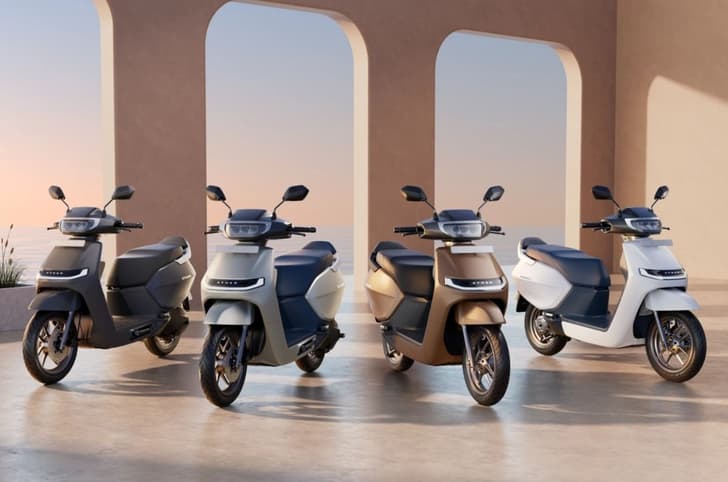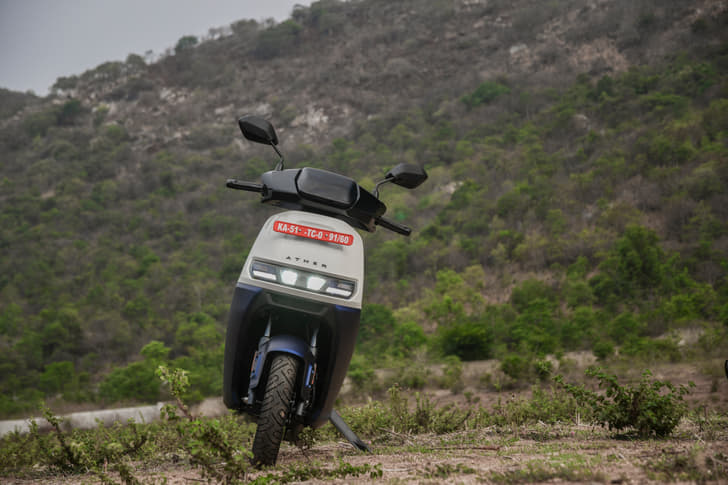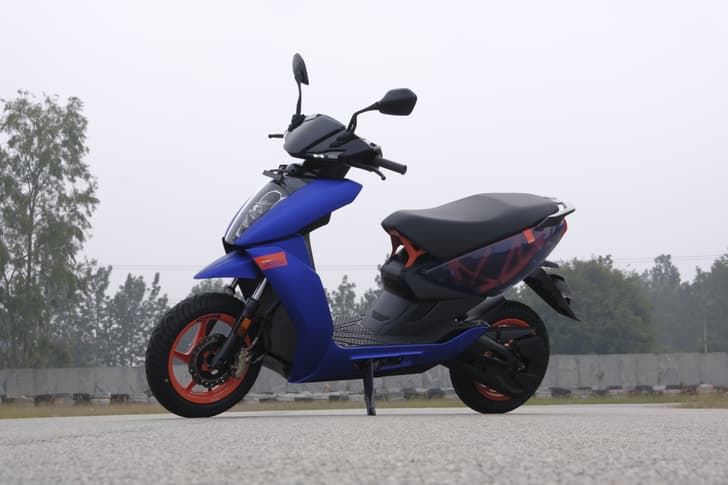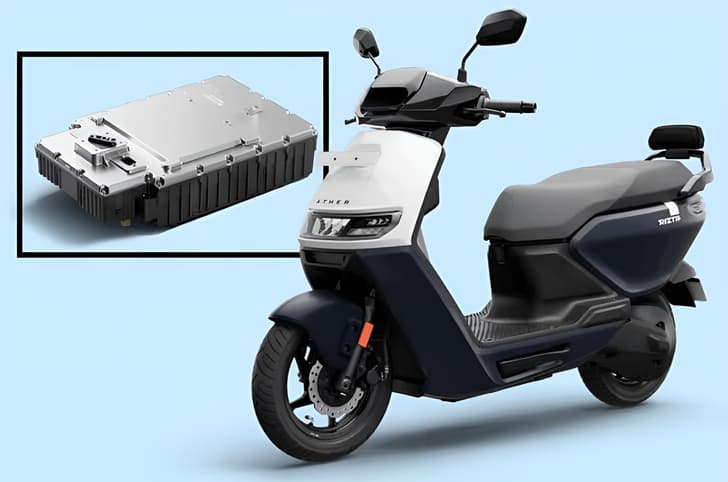
Ather Energy is set to launch a Battery-as-a-Service (BaaS) model to amplify competition against rivals like TVS, Bajaj and Ola Electric. Its chief business officer, Ravneet Phokela, confirmed the plan.
- BaaS may reduce the upfront cost of the EV by 30-40 percent
- Owners will pay either on a subscription basis or per kilometre
- Ather plans to expand from 350 to over 750 stores by year-end
Ather’s upcoming model
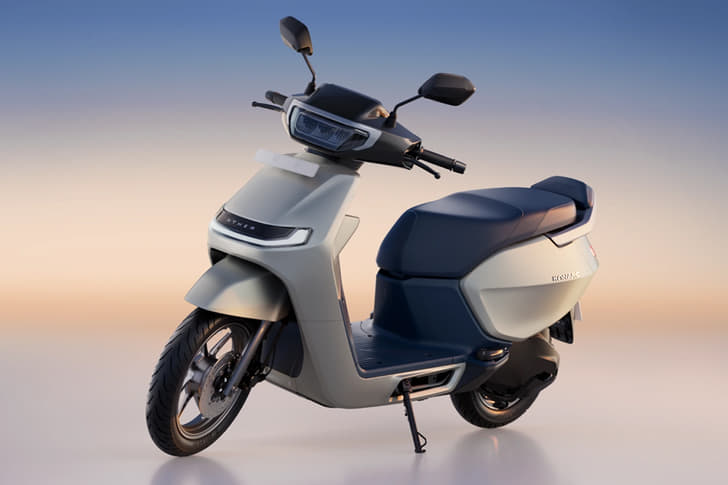
The company's most affordable Rizta S model is currently on sale for Rs 1 lakh
BaaS is a business model that aims to make electric vehicles more affordable and competitive with ICE models by separating the ownership of the battery from the ownership of the vehicle. Under this model, consumers pay for battery usage on a subscription basis or per kilometre driven. This reduces the upfront cost of the vehicle, as the battery accounts for 30-40 percent of the cost of an EV.
“Our studies indicate that there is an inherent desire in the market to buy EVs. Some consumers understand the benefit of the total cost of ownership, while some have the challenge of the initial cost of acquisition. We believe this [BaaS] can solve that challenge,” Phokela said. However, he did not disclose the exact date when the company plans to launch the BaaS model. Sources said it is likely to be announced in a week.
Ather Energy’s largest shareholder, Hero MotoCorp, has also announced that it will launch the BaaS model for its upcoming Vida VX2 electric scooter on July 1. Ather’s plans for BaaS come amidst the expansion of its retail network and product portfolio and technological innovation. The company is doubling its retail outlets while it is also set to unveil the next-generation fast-charging technology and a new platform for affordable electric scooters.
The automaker has announced an expansion of its retail footprint to over 750 stores by year-end from around 350 currently. The strategy focuses on reach, entering new cities – especially North India – and density, and adding outlets in high-volume metros, where half its stores drive 70 percent of sales.
The company has recently said that it will showcase the new “EL” platform and concept vehicles at an event in August. It also plans to launch next-generation fast chargers and an upgraded version of its software stack, Ather Stack 7.0. “The new EL platform, engineered to be versatile and cost-efficient, will enable Ather to expand its product line-up to cater to a wider range of customer needs, while the new fast-charging solution will make charging quicker and more convenient,” the company said.
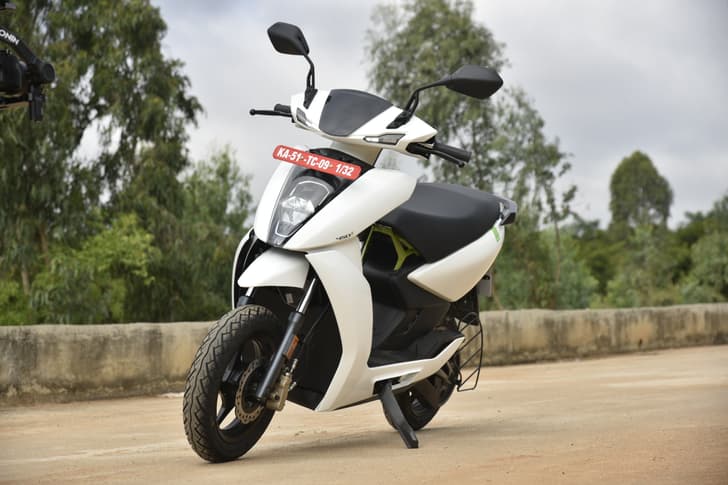
While competitors have introduced aggressively priced models to drive volumes, Ather has resisted the temptation to play in the low-cost category under Rs 1 lakh. The company’s flagship 450 model is priced in the Rs 1.2 lakh-1.9 lakh range, while family-oriented Rizta scooters come at Rs 1.1 lakh.
To capture a larger share of the electric two-wheeler market, Ather Energy is set to intensify its competitive efforts. This push is fuelled by the plans for the introduction of the BaaS model, an affordable new scooter, advanced fast-charging technology and an ambitious goal to double its retail presence to over 750 stores with a 1:1 sales-to-service centre model.
With inputs from Ketan Thakkar
 Ved Janve
 Vishal Venugopal

 Dinshaw Magol