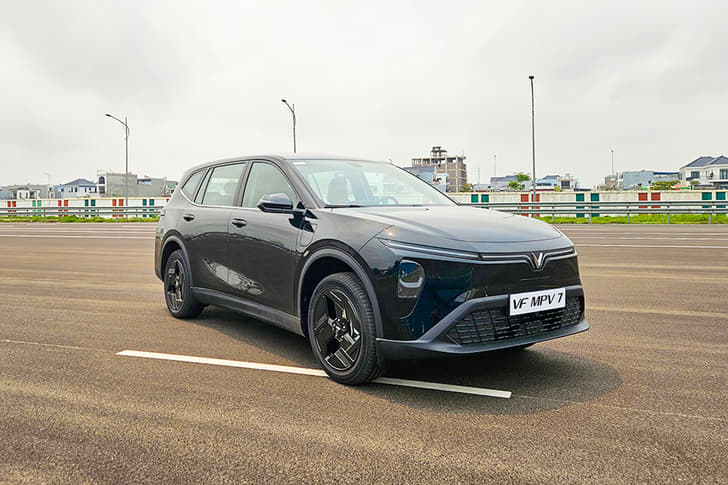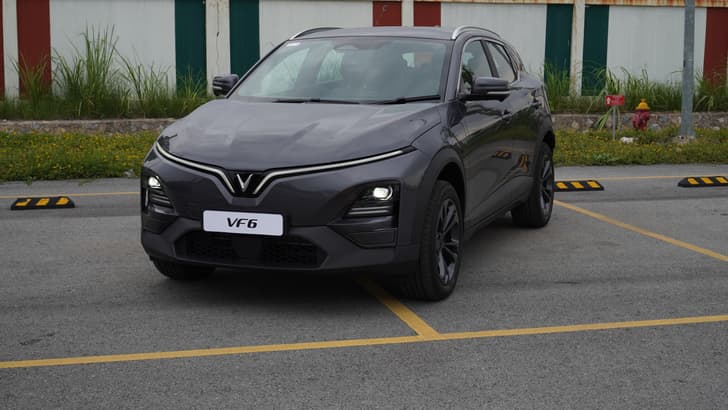
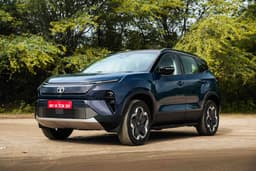

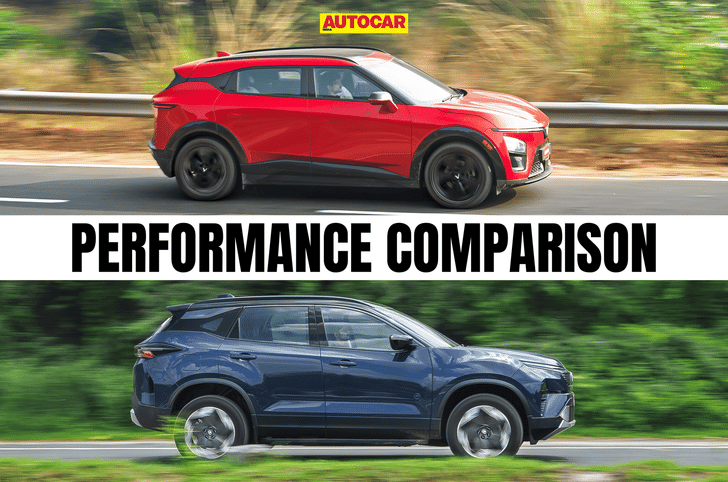
Tata launched the Harrier EV back in June 2025, with Vinfast bringing the VF7 to India in April 2026. Both are midsize electric SUVs; but where the Harrier EV is based on a heavily modified version of the platform underpinning its combustion-powered counterpart, the VF7 uses a platform that was meant for EVs from the get-go. Based on our comprehensive test data comprising the top-spec all-wheel (AWD) drive variants of the Vinfast VF7 and Tata Harrier EV, we tell you which one outperforms the other and why.
Explore full specs, features, and a price breakdown in our VF7 vs Harrier EV comparison.
Vinfast VF7 AWD vs Tata Harrier EV AWD: Specifications
The Harrier EV has the larger battery, but the VF7 has more power
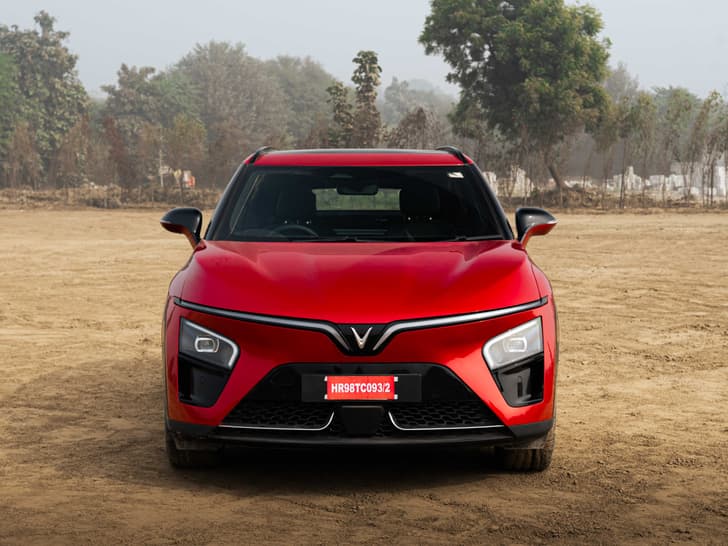
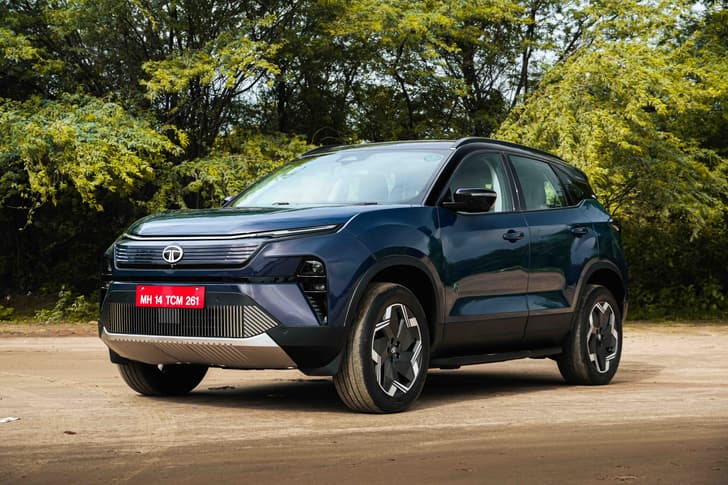
The Harrier EV QWD (Tata speak for AWD) has a battery pack that is 5kWh larger than the one in the VF7 AWD. However, Vinfast’s electric SUV is fielding 40 extra horsepower and 117 fewer kilogrammes. This results in the VF7 AWD sporting a better power-to-weight ratio, resulting in the Vinfast VF7 hitting 100kph from a standstill half-a-second quicker than the Tata Harrier EV. While these are claimed figures as reported by each brand, how do they translate out in real-world conditions? Let’s find out.
Vinfast VF7 AWD vs Tata Harrier EV AWD: Acceleration timings
Its lower kerb weight helps the VF7 out-accelerate the Harrier EV
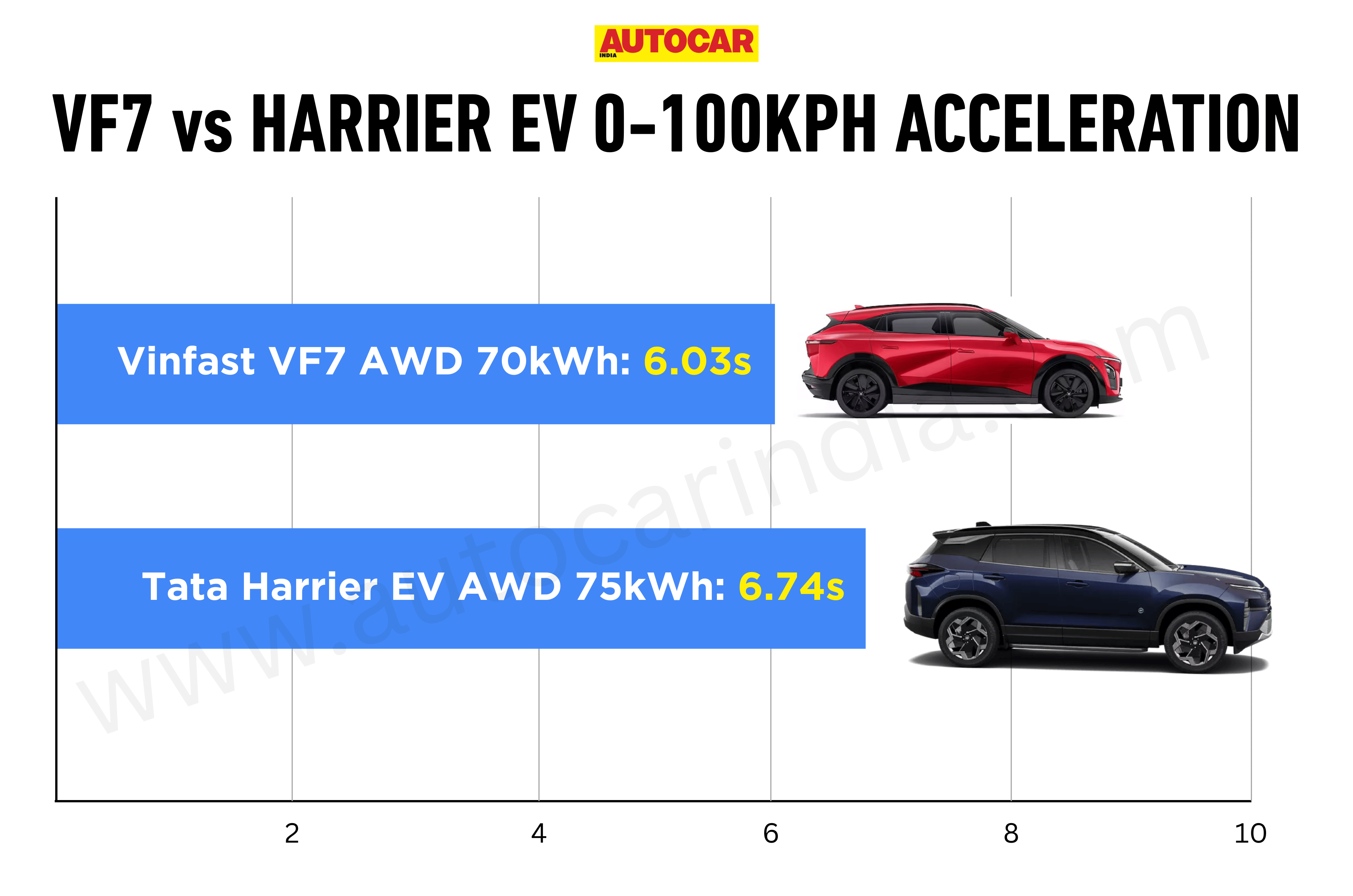
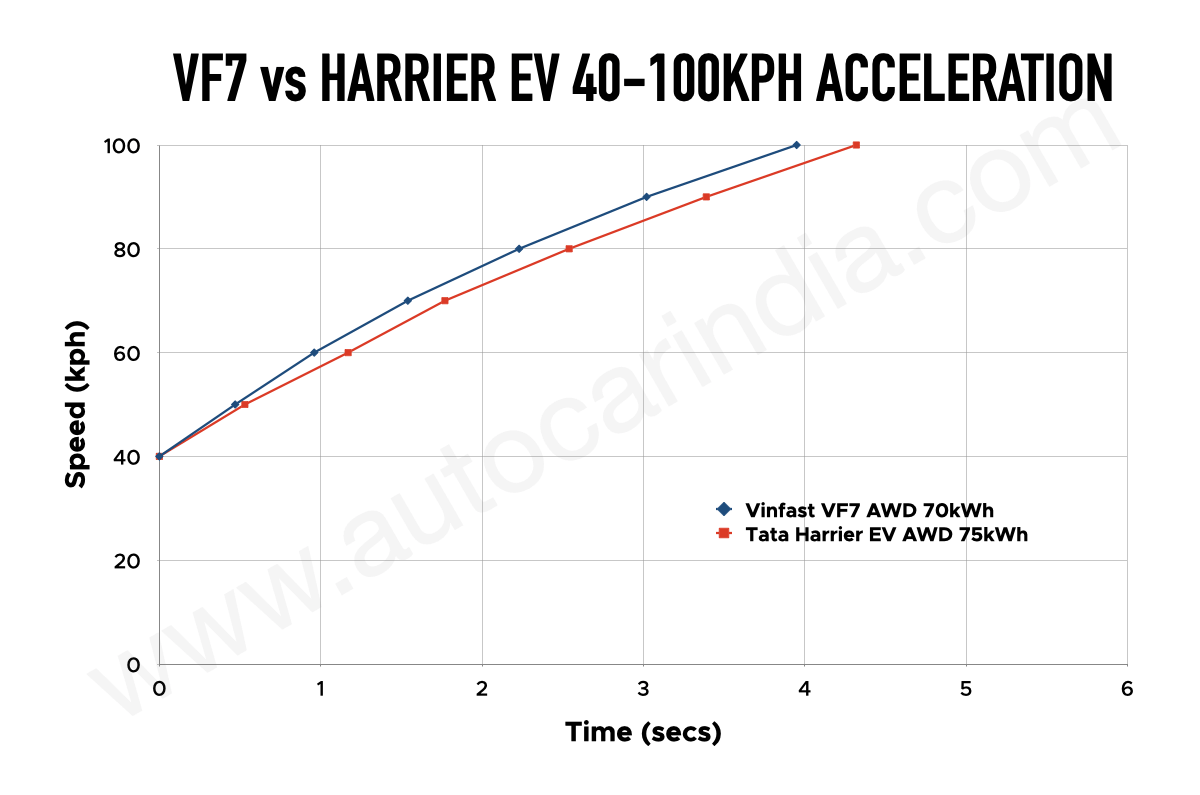
While both accelerate equally hard till 40kph, the Vinfast VF7’s lower weight helps it outpace the Tata Harrier EV from there on out. The VF7 AWD variant breaches 100kph 0.71 seconds quicker than the Harrier EV, with that gap widening to 0.89 seconds in favour of the Vinfast by the time both cars hit 120kph. During our time testing these EVs, we experienced some tyre spin in the VF7 when launching it hard. On the other hand, because the traction control system in the Harrier EV AWD cannot be turned off at all, it got off the line each time without any drama.
Vinfast VF7 AWD vs Tata Harrier EV AWD: Rolling acceleration timings
Rolling accelerations are also in favour of the VF7
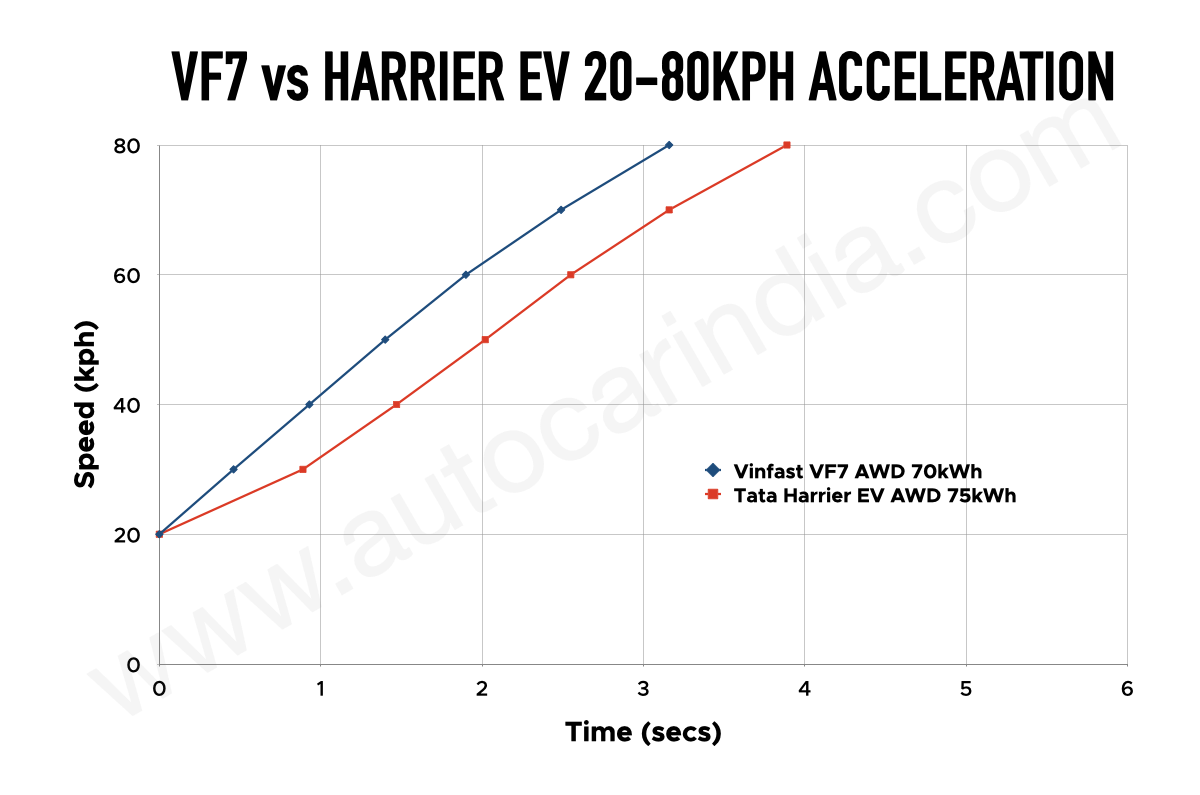
Like with the outright 0-100kph acceleration tests, the gap between the Vinfast VF7 AWD and Tata Harrier EV AWD continues to favour the former during their respective rolling acceleration runs. This is down to the combination of the VF7’s lower weight and extra power reserves that allow overtakes even at higher speeds – something the Harrier EV can also achieve – but not as rapidly as it Vietnamese rival.
Vinfast VF7 AWD vs Tata Harrier EV AWD: Braking tests
Despite being 117kg heavier, the Harrier EV AWD manages to come to a dead stop from 80kph in about the same distance and time than the top-spec VF7 AWD variant. The regenerative braking system of the Tata Harrier EV is also more effective, slowing down the SUV down from 80-20kph sooner, regardless of the selected regen level.
Vinfast VF7 AWD vs Tata Harrier EV AWD: Prices
The top-spec AWD Sky and Sky Infinity trims of the Vinfast VF7 cost between Rs 30,000 and Rs 2.69 lakh less than their Tata Harrier EV AWD equivalents. On the powertrain and battery front, the additional upfront cost of the Harrier EV QWD gives you a slightly larger battery pack and a slightly higher real-world range, as verified by our range tests. However, the VF7 accelerates harder than the Harrier EV and also stops reasonably well.
Autocar India’s testing standards
Before conducting our performance tests, we check and maintain tyre pressure based on the manufacturer’s recommendation and ensure that the car is charged to 100 percent. The car is then tested in a controlled environment with two people on board, and the data is collected via highly accurate GPS-based timing equipment.
All prices are ex-showroom, India.

 Uday Singh
 Glenn Noronha
 Dipan Sur