With GST reforms implemented only months earlier, the Union Budget 2026-27 was closely watched for indications of further policy support for the automobile sector. Automakers expected measures around manufacturing, electric mobility and policy stability. But how far were these expectations met in the Union Budget 2026-27? Let us find out.
Auto industry expectations before Budget 2026-27
Automakers sought manufacturing support, EV duty relief and policy stability
Ahead of the Union Budget 2026-27, automobile manufacturers said they were hoping for more support for local manufacturing, better infrastructure and lower duties, especially for electric vehicles.
Skoda Auto Volkswagen India MD and CEO Piyush Arora said the industry was looking for “continued support for domestic manufacturing and higher spending on roads and transport,” adding that customs reforms and fixing the inverted duty structure for EVs would help companies make vehicles more competitive in India.
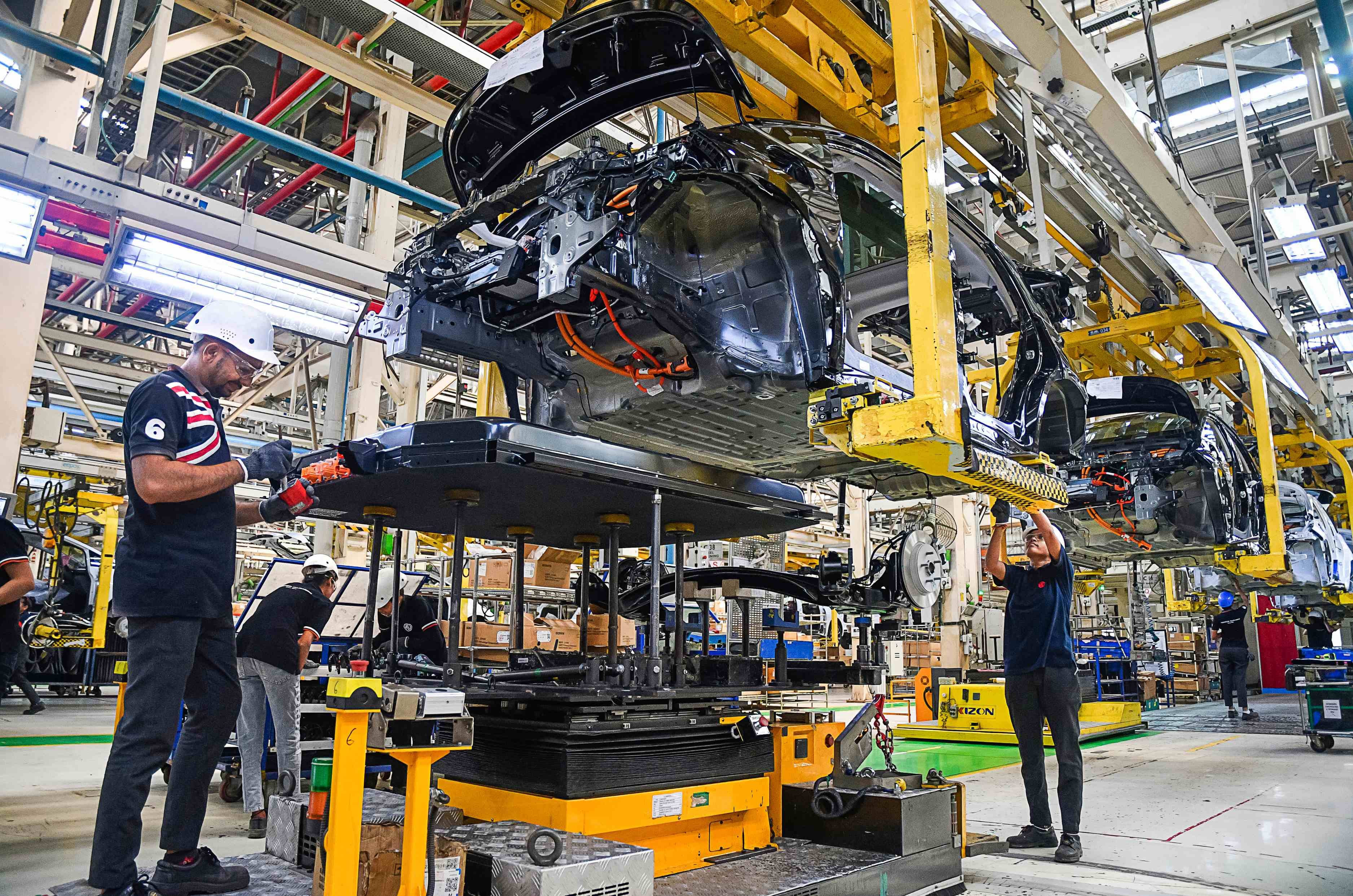
On electric mobility, industry leaders flagged the need for lower duties and stronger incentives. JSW MG Motor India MD Anurag Mehrotra said the government should focus on “rationalising duties on EV components” and strengthening consumer-led incentives to accelerate adoption and localisation. Echoing this, Volvo Car India MD Jyoti Malhotra said changes to the EV duty structure, along with “well-calibrated incentives for global manufacturers investing in sustainable mobility”, would help attract long-term investment into India.
Luxury carmaker Audi stressed the need for policy stability, with India brand director Balbir Singh Dhillon saying steady investment in roads and charging infrastructure, along with “simpler and more predictable taxes and duties”, would be key to luxury segment growth.
What the Budget 2026-27 delivered for the auto industry
Budget focuses on EV ecosystem, localisation and supply-chain support
The Union Budget did not include direct tax cuts for vehicles, as these had already been largely addressed under the GST 2.0 reforms that came into effect on September 22, 2025. Instead, it focuses on supply-side measures, in line with industry expectations, rather than demand support.
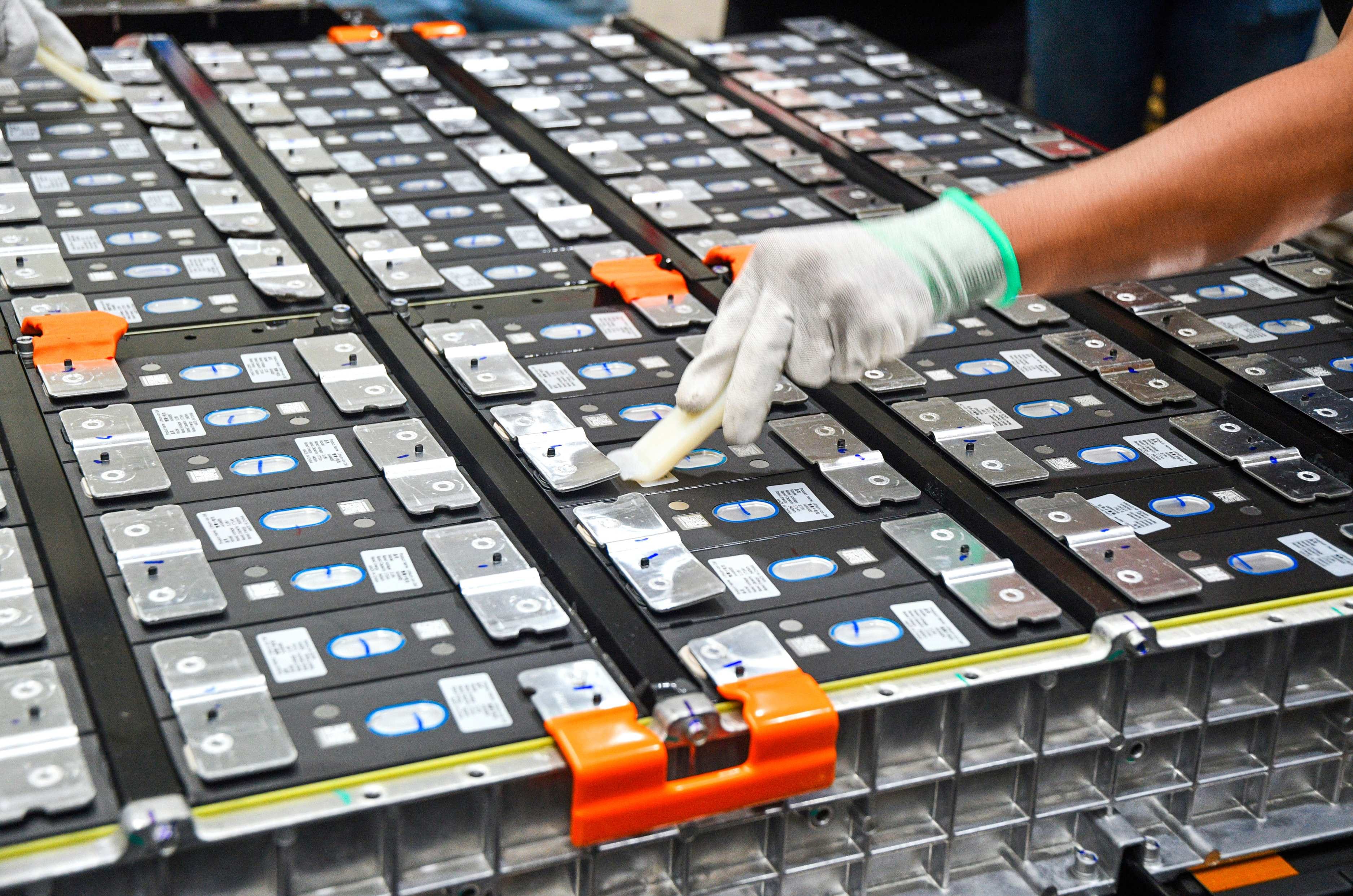
Duty exemptions on capital goods used for lithium-ion cell manufacturing and critical mineral processing align with calls from companies such as JSW MG Motor and Volvo Car India for lower duties and stronger localisation support in the EV ecosystem. These measures are expected to encourage domestic battery and component production, helping reduce EV input costs over time.
Supply-chain challenges linked to semiconductors have been addressed through the expansion of the India Semiconductor Mission 2.0, reflecting the growing dependence of modern vehicles on electronics and chips.
Support for auto and component MSMEs, critical to localisation and supply-chain stability, has been reinforced through the proposed Rs 10,000 crore SME Growth Fund and continued liquidity support via the TReDS platform. These steps could ease cash-flow pressures and support investments in capacity and quality upgrades, even as expectations around broader duty rationalisation remained unmet.
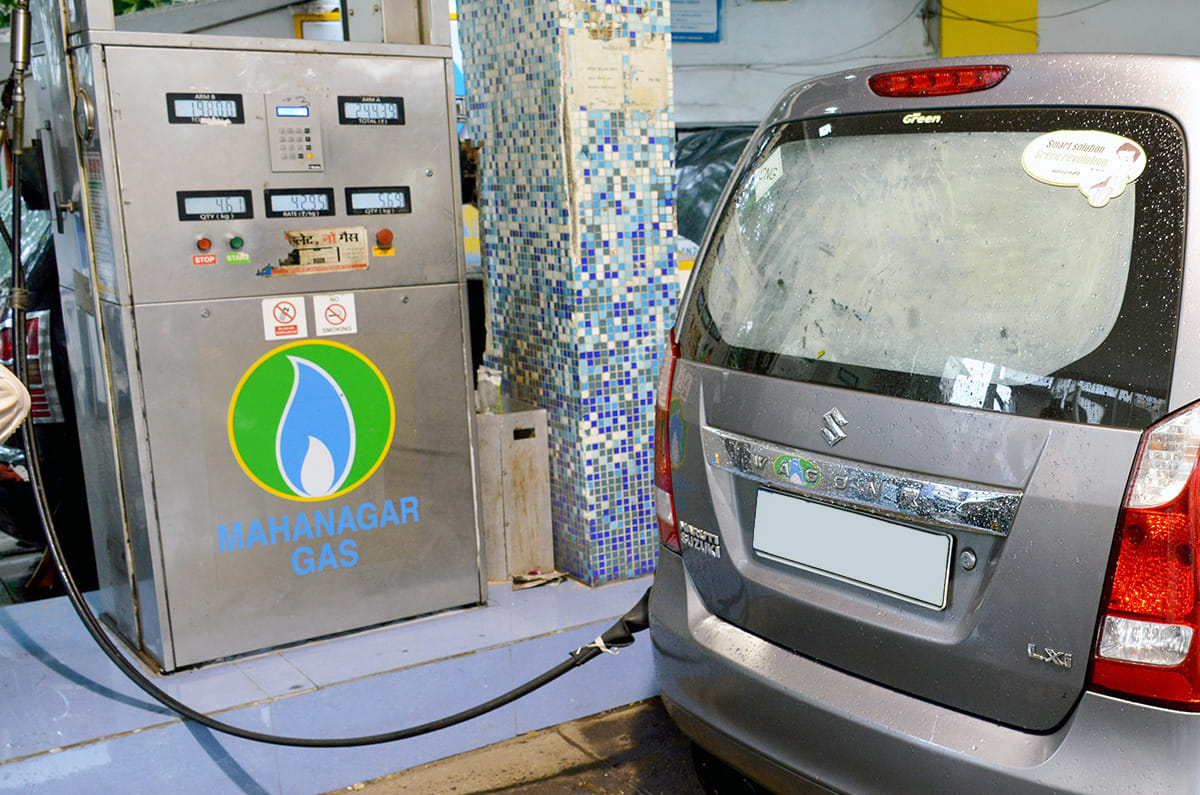
On operating costs and infrastructure, full excise relief on the biogas portion of CNG offers modest near-term savings for vehicle users. Meanwhile, proposals for a new east-west freight corridor and expanded inland waterways reflect expectations raised by Audi India for sustained investment in transport infrastructure, with the benefits of lower logistics costs likely to materialise over time.
Auto industry reaction to the Union Budget 2026-27
Automakers welcomed long-term focus on infrastructure, localisation and policy stability
Automakers broadly welcomed the budget’s long-term focus on infrastructure and growth. Mercedes-Benz India MD and CEO Santosh Iyer said, “Strong focus on infrastructural development, with the addition of Rs 1 lakh crore in capex, is a step in the right direction,” adding that “better highways and improved intercity connectivity have historically driven luxury car demand in India.”
SIAM president and Tata Motors Passenger Vehicles MD and CEO Shailesh Chandra also welcomed the approach, saying the budget “continues to focus on long-term, sustained economic growth with a strong emphasis on manufacturing, infrastructure, including freight corridors and waterways, and fiscal prudence”.
On manufacturing and localisation, Renault Group India CEO Stephane Deblaise said the budget “sends a strong and reassuring signal of policy continuity and intent for India’s manufacturing-led growth”. He highlighted the progression of “India Semiconductor Mission 2.0” and initiatives on rare-earth magnets and lithium-ion cells as steps that “create confidence for deeper localisation and sustainable mobility”. Echoing this, Skoda’s Arora said the “clear direction on India’s long-term economic priorities” sends “a strong message of policy stability” needed for sustained manufacturing investments.

 Uday Singh
 Glenn Noronha
 Dhruv Dhaka