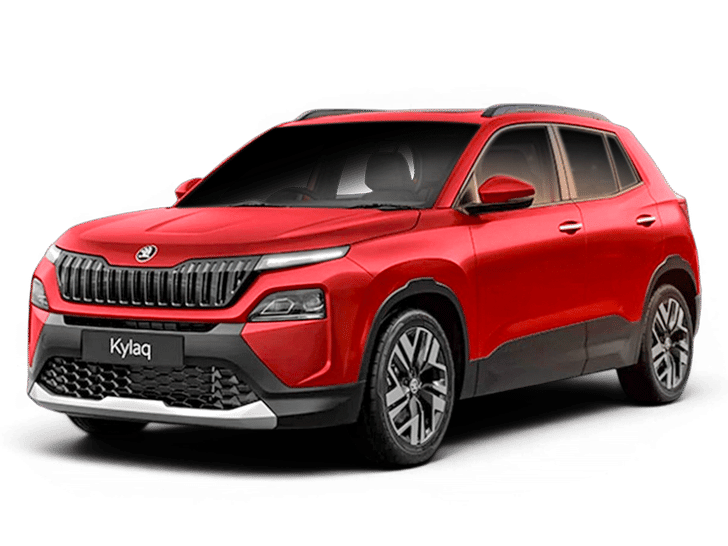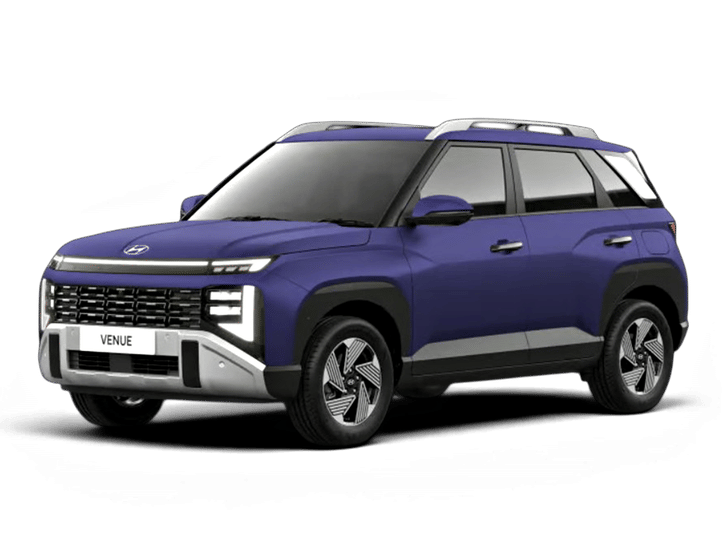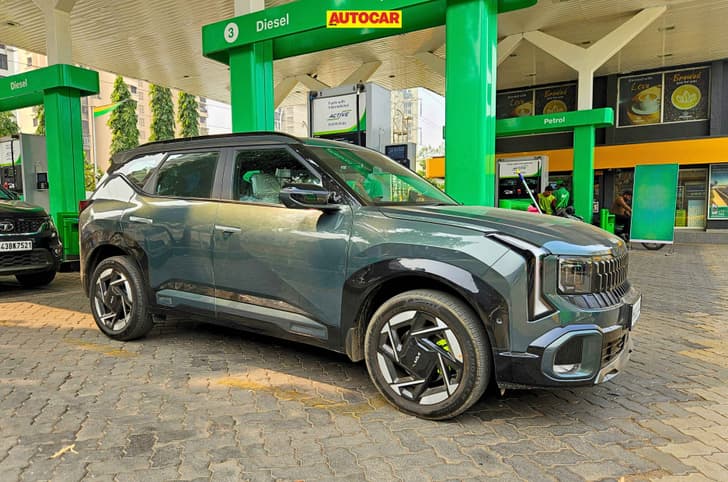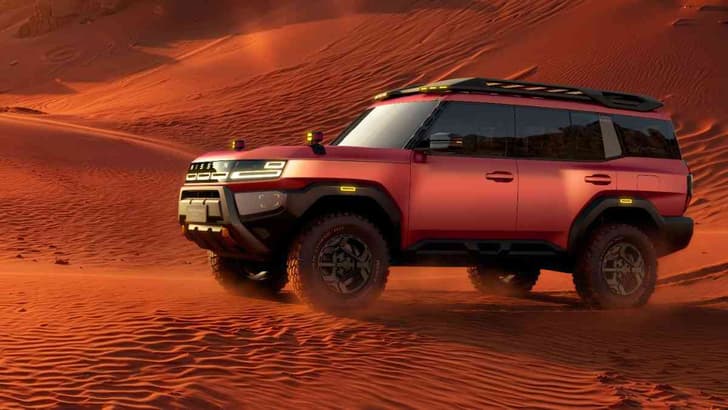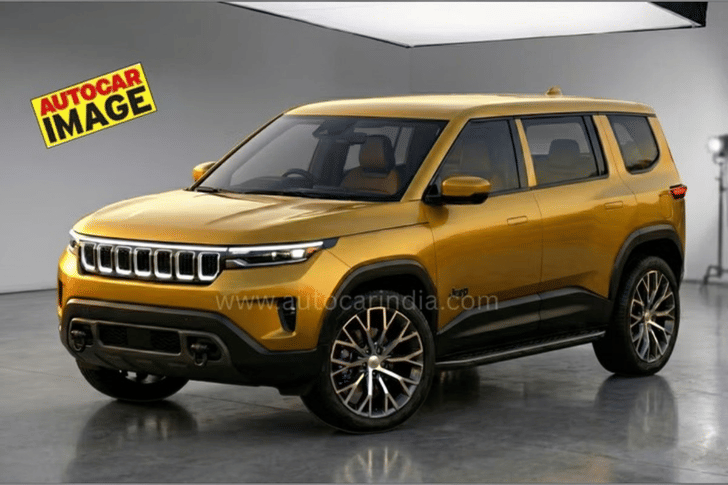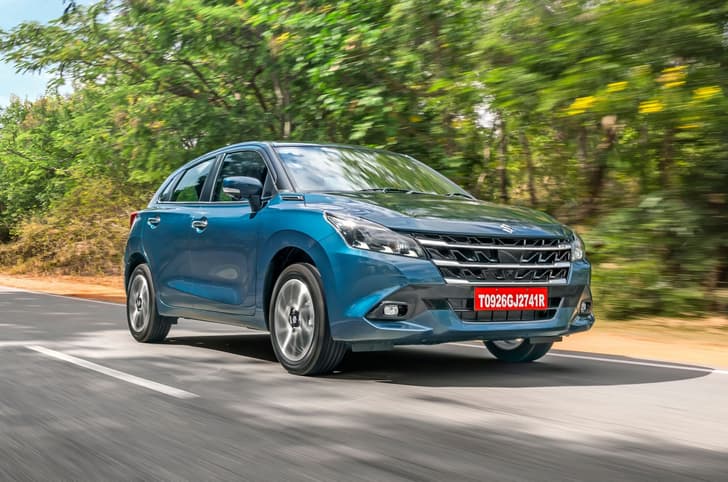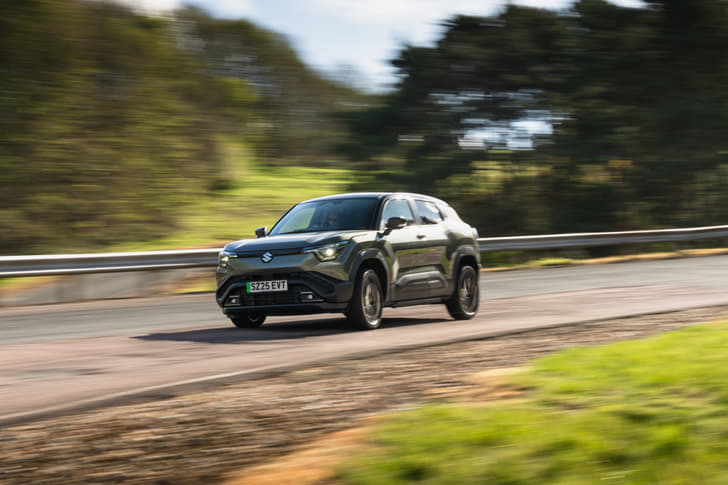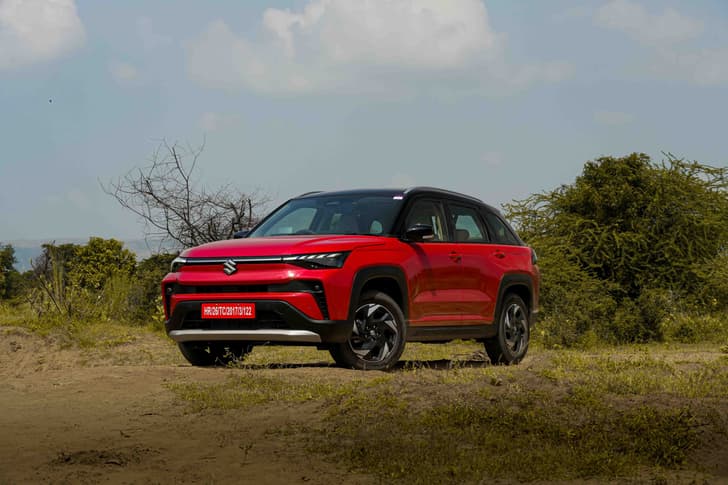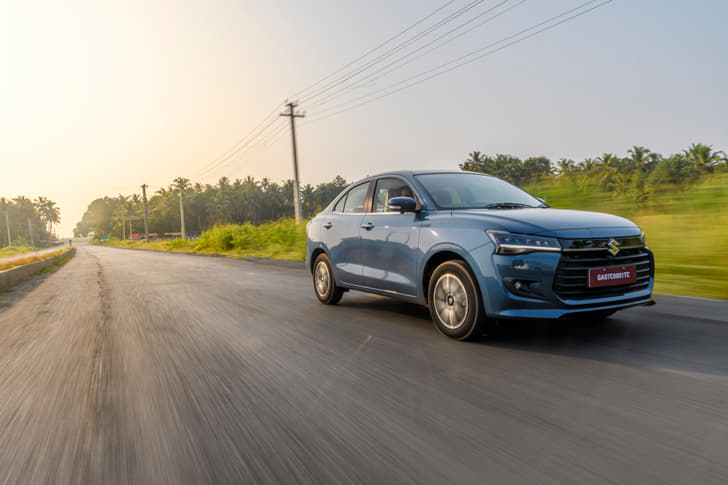


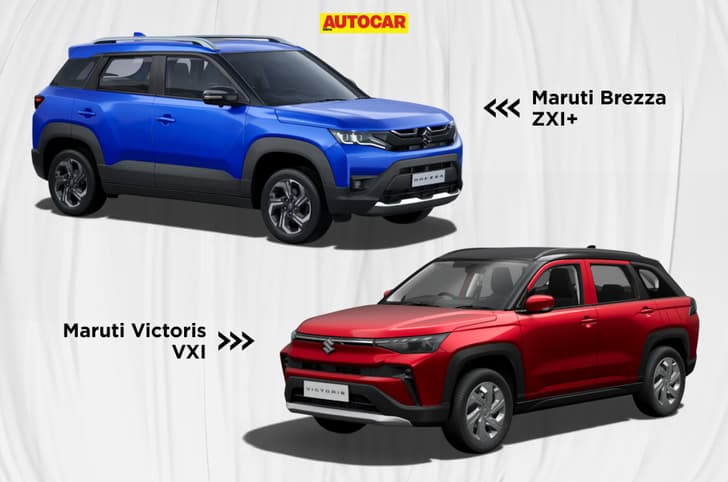
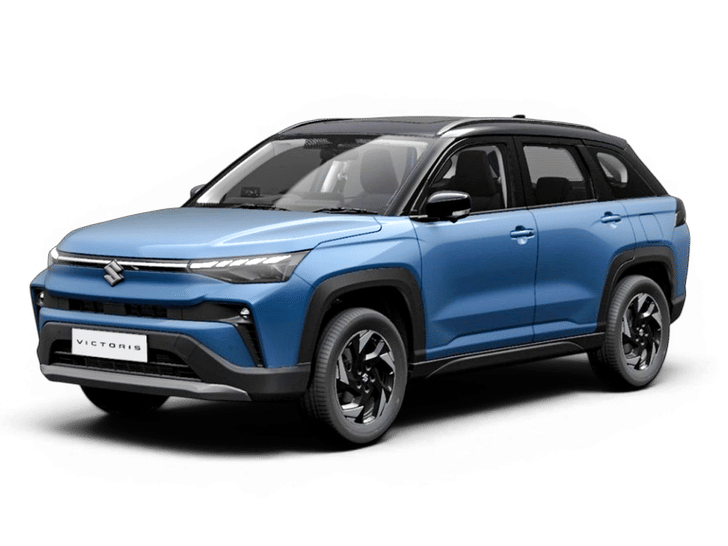
Both the Brezza compact and the Victoris midsize SUVs are sold via Maruti's Arena showrooms, with the latter serving as the current flagship. If we compare their fully loaded versions, the Victoris is bound to have an edge. The more interesting question, though, is what happens when you bring things closer. In this feature, we pitch the top-spec Brezza against the mid-spec Victoris to see how the two stack up when the price gap narrows. We compare features, powertrain options and pricing, before wrapping up with a clear verdict on which of the two makes more sense, on paper, for your garage.
Explore full specs, features, and a price breakdown in our Brezza vs Victoris comparison.
Maruti Brezza ZXi+ vs Victoris VXi: Specs
Maruti's 1.5-litre, four-cylinder, naturally aspirated petrol engine is common between the two, with identical power and torque outputs and transmission choices. Despite that, the K15C mill delivers relatively better claimed fuel efficiency figures in the larger Victoris. It also has the advantages of CNG (with a space saving underbody tank) and strong hybrid powertrain options; the latter offering the highest 28.65kpl mileage. While the Victoris VXi petrol misses out on an AWD system, it can be optioned with the top-spec trims.
Maruti Brezza ZXi+ vs Victoris VXi: Features
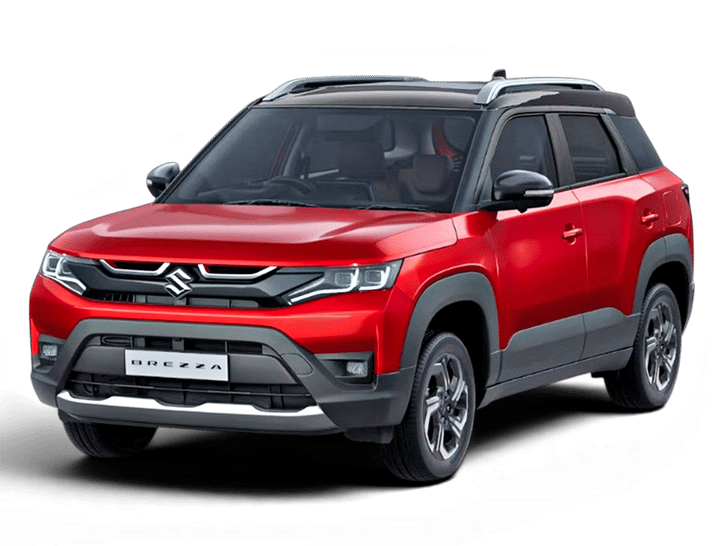
In this comparison, the top-spec Maruti Brezza comes across as the more feature-rich option, packing in LED projector headlights, fog lamps, alloy wheels and a sunroof. By contrast, the mid-spec Victoris misses out on some genuinely useful bits, including fog lamps and a rear wiper and washer. Here's urging Maruti to make them standard.
Inside, the Maruti Victoris trails the Brezza with a smaller touchscreen, fewer speakers, and no ambient lighting or cooled glovebox. Where it does pull ahead is with the fully digital 10.25-inch driver’s display, though offered exclusively on the hybrid version; this unit is even larger than the Brezza’s 9-inch touchscreen.
What community is saying on the Brezza?
Safety is a clear strength of the Victoris, which has secured a 5-star crash test safety rating in both Bharat and Global NCAP new car assessment programs (NCAPs). The previous-generation Brezza scored four stars at GNCAP, while the current model is yet to be tested. For context, both generations of the Brezza are based on the same Global-C platform, though Maruti now refers to it as the TECT platform.
Beyond crash ratings, both SUVs come with six airbags, ABS and three-point seat belts as standard. The Victoris adds TPMS and traction control, while the Brezza counters with a 360-degree camera system.
Maruti Brezza ZXi+ vs Victoris VXi: Prices and verdict
Between the Brezza ZXi+ and the Victoris VX, our pick is the former. It offers a richer features list and is more affordable in both petrol manual and automatic forms. While the Victoris has a larger footprint, the Brezza has one of the most spacious interiors in its segment. The K15C petrol engine is shared by both SUVs and isn't particularly known for strong performance. That said, it feels comparatively better suited to the Brezza.
It does miss out on hybrid and CNG options, though the latter powertrain option is available on the ZXi variant at a lower price, with some feature compromises. Choosing the Victoris hybrid also means paying a steep premium – Rs 4.58 lakh more than the Brezza petrol manual and Rs 3.02 lakh over the automatic.




 Glenn Noronha
 Dipan Sur