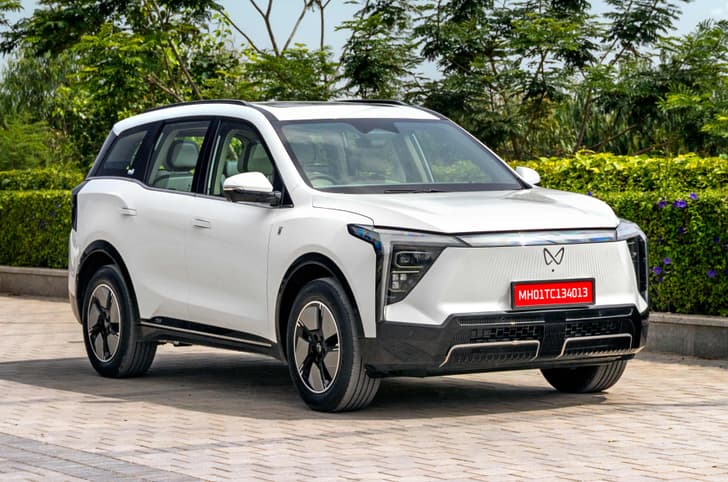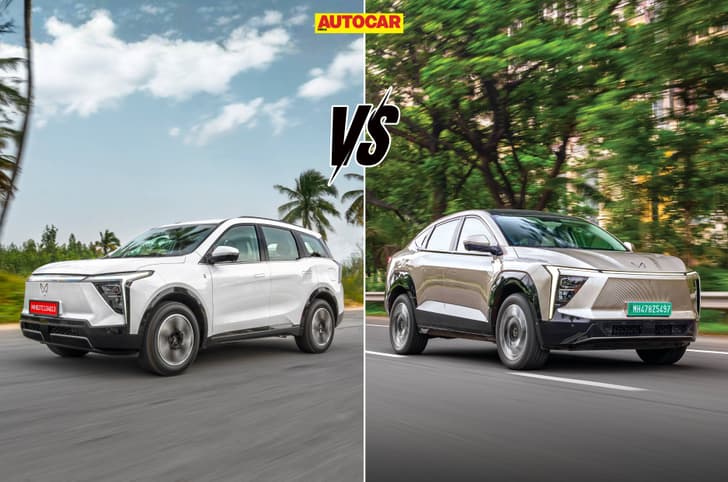
With the XEV 9S, Mahindra has become the first automaker to launch a mass-market 3-row electric SUV. In the brand’s EV line-up, the XEV 9S sits right below the XEV 9e coupe-SUV, from which it has borrowed quite a bit in terms of exterior and interior design. In this article, we compare the finer differences between the two born-electric offerings built on the INGLO platform and catering to different buyers.
Explore full specs, features, and a price breakdown in our XEV 9S vs XEV 9e comparison.
Mahindra XEV 9S vs XEV 9e: Dimensions and design
The XEV 9e looks flamboyant, while the XEV 9S is more like a traditional SUV
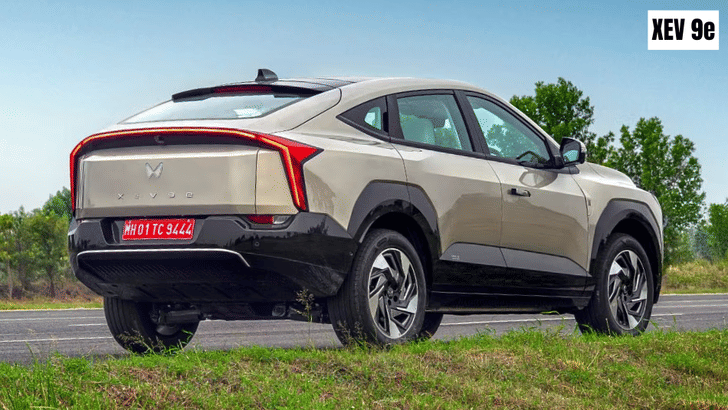
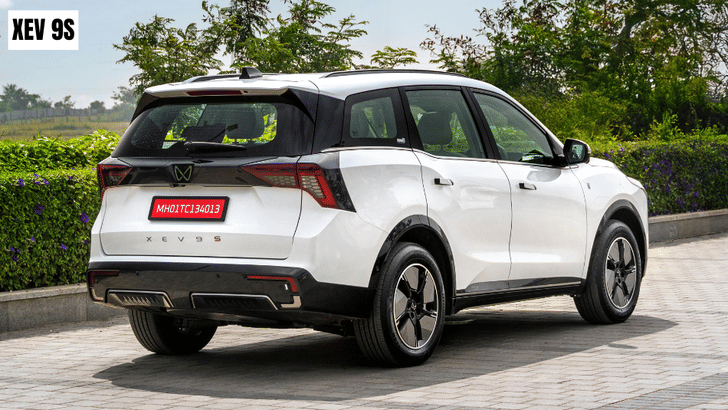
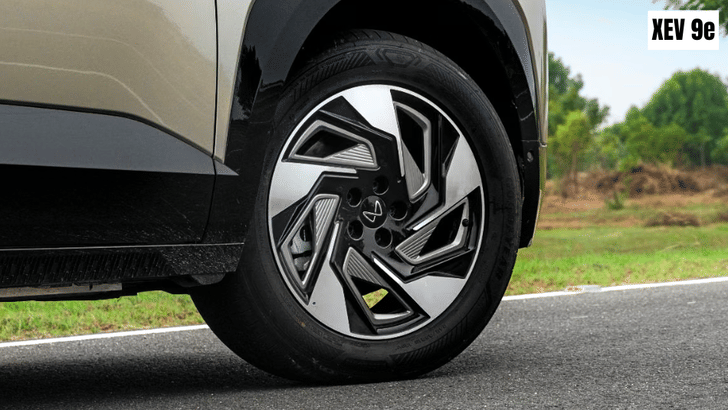
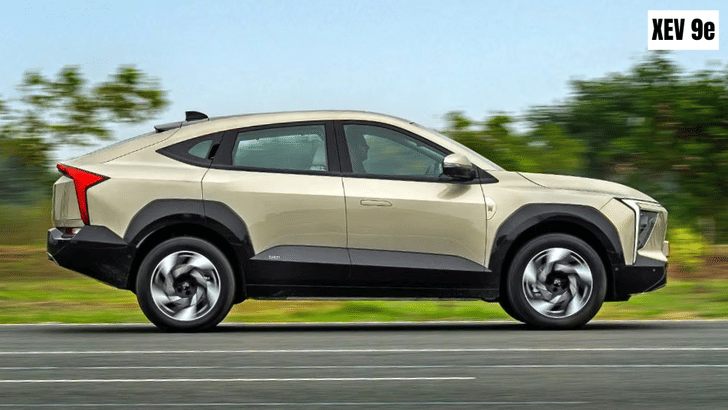
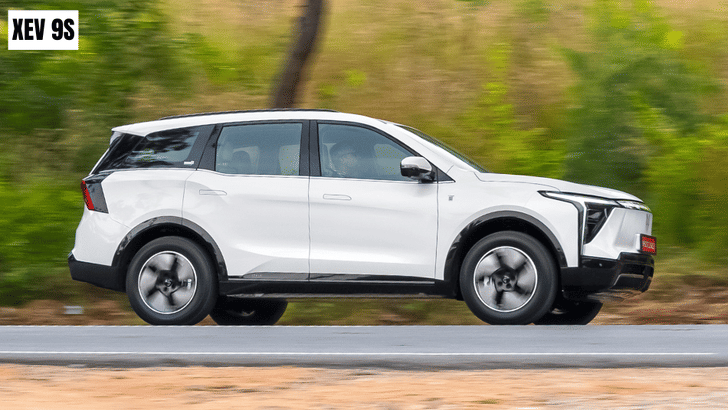
The main difference between the two models lies in their rooflines. The XEV 9e features a sharply raked roofline for its coupe-SUV proportions, while the XEV 9S’s roof is higher-set like that of the XU700 to accommodate an extra row of seats. At the rear, the XEV 9e has a boxy look with slim connected LED tail-lamps. The XEV 9S, on the other hand, resembles the XUV700, though its LED tail-lights feature different detailing and are connected by a black strip. The XEV 9e has slightly larger wheels – 19 inches compared to 18 inches on the XEV 9S.
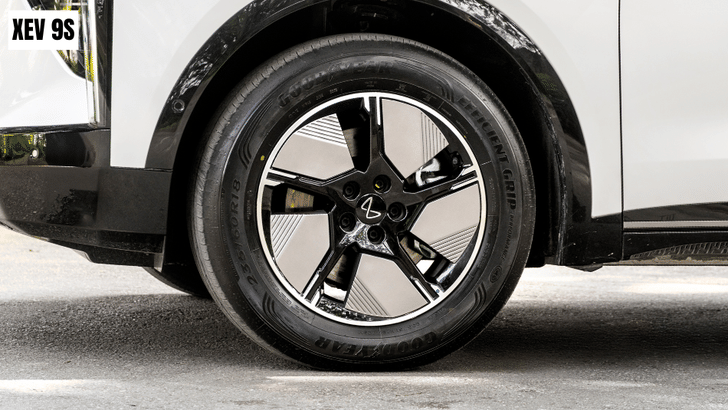
Overall, both take different design approaches. While the XEV 9e goes for radical and aggressive styling, the conventional-looking XEV 9S comes across as an electrified version of the XUV700. It features a front fascia similar to that of the 9e, with a nearly identical DRL signature and headlamp setup. A minor difference is that the Mahindra badge is on the XEV 9S’s grille, unlike the XEV 9e, which wears it on the bonnet.
Mahindra XEV 9S vs XEV 9e: Interior and features
Both have identical interiors, but the XEV 9S gets additional features
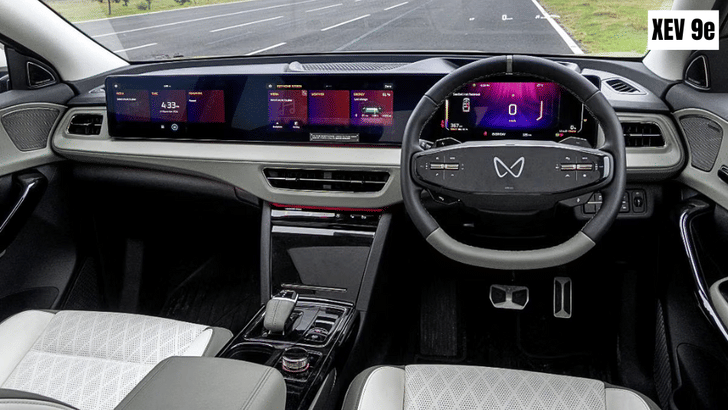
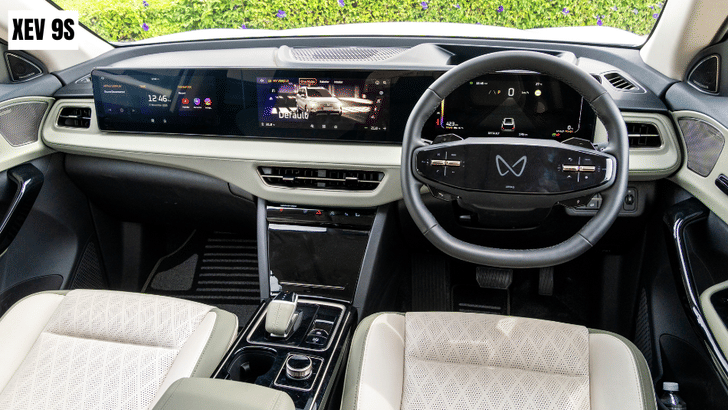
The XEV 9S’s interior looks identical to that of the XEV 9e. Both have a 3-screen setup for the instrument cluster, infotainment and a passenger display, and they even get the same steering wheel, centre console setup and upholstery. However, the differences lie in their rear-seat space and feature list.
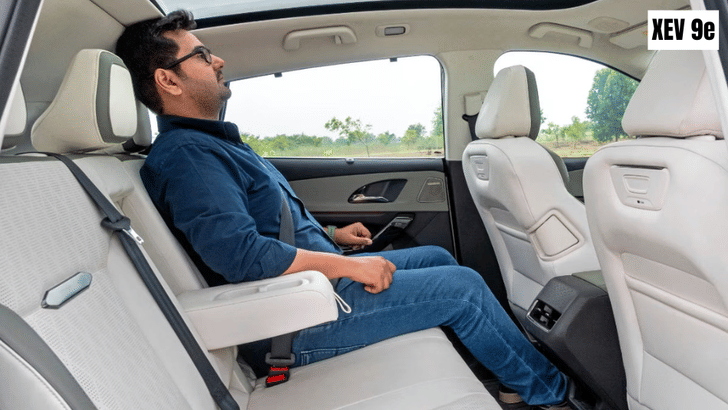
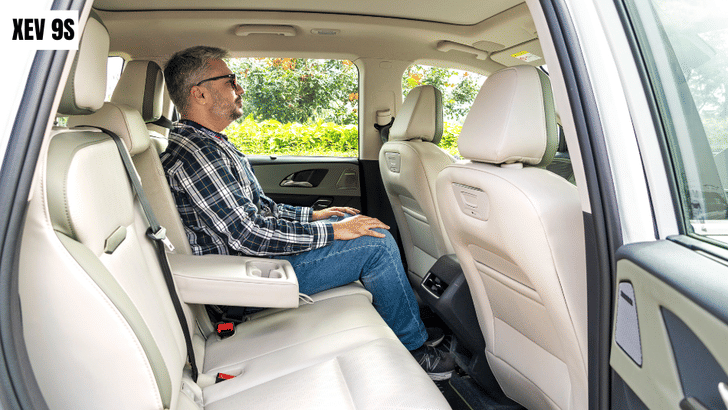
The biggest distinction is that the XEV 9e is a 5-seater, while the XEV 9S offers the flexibility of 7 seats. In terms of second-row space, the XEV 9e compromises its headroom for the sloping roofline, which the XEV 9S doesn’t. Also, the XEV 9S gets a panoramic sunroof, while the XEV 9e has a fixed panoramic glass roof. The boot spaces differ as well: 633 litres in the XEV 9e and 500 litres in the XEV 9S with the third row folded.
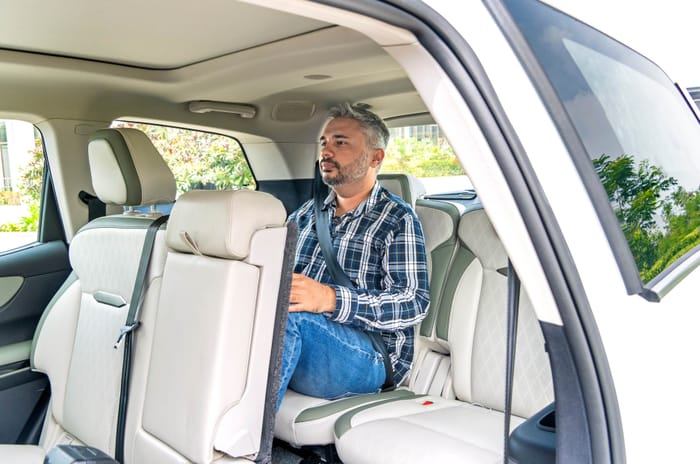
Both the XEV 9e and XEV 9S are packed to the brim with features, but the XEV 9S goes a step further with a powered boss mode (the 9e gets manual control only) and ventilated second-row seats. Also, the XEV 9S features sliding and reclining second-row seats, while the XEV 9e’s second row can only recline. The 9S can also be had with rear entertainment screens for the second row.
Mahindra XEV 9S vs XEV 9e: Powertrains, range and charging
Both SUVs get 59kWh and 79kWh battery packs, but the XEV 9S gets an additional 70kWh battery pack
While both the XEV 9S and XEV 9e are available with identical powertrain setups consisting of 59kWh and 79kWh battery packs, the 9S gets an additional 70kWh option with a claimed range of 600km. A full charge of the 70kWh battery pack at 11kW AC charging takes 7 hours, while DC fast-charging at 160kW takes 20 minutes.
Interestingly, with the 59kWh battery pack, the XEV 9e gets a higher claimed range of 542km compared to the XEV 9S’s 521km. However, with the 79kWh battery pack, the XEV 9S has a higher claimed range of 679km than the 9e’s 656km.
Mahindra XEV 9S vs XEV 9e: Variants and pricing
The XEV 9S is more affordable than the XEV 9e across variants
*Charger prices have been excluded; 7.2kW and 11.2kW chargers cost Rs 50,000 and Rs 75,000, respectively.
The XEV 9e’s base Pack One variant comes only with the 59kWh battery pack, while the 9S’s base Pack One Above variant is available with a choice of 59kWh and 79kWh battery packs.
The middle Pack Two and Pack Two Above variants of the XEV 9e and XEV 9S, respectively, are offered with 59kWh and 79kWh battery pack options. However, the XEV 9S also offers a 70kWh version.
The XEV 9S’s top Pack Three and Pack Three Above variants come with the 79kWh battery pack, while the 9e’s Pack Three Select and Pack Three have the 59kWh and 79kWh battery packs, respectively.
As for pricing, the XEV 9S’s base variant is almost Rs 2 lakh more affordable than the 9e’s. Moreover, the larger 79kWh battery pack costs about Rs 4.5 lakh less with the XEV 9S. Interestingly, the middle Pack Two Above variant with the 70kWh battery pack on the XEV 9S is about Rs 45,000 more affordable than the XEV 9e’s Pack Two variant with a 59kWh battery pack. Despite additional features, the top-spec XEV 9S is about Rs 1 lakh more affordable than the 9e’s top variant.

 Uday Singh

 Dipan Sur